


Carved Gilt Accent Chairs
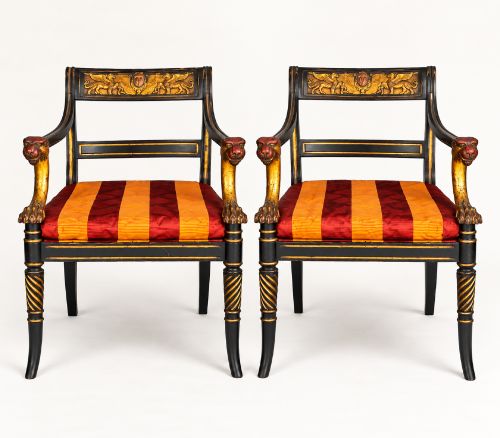
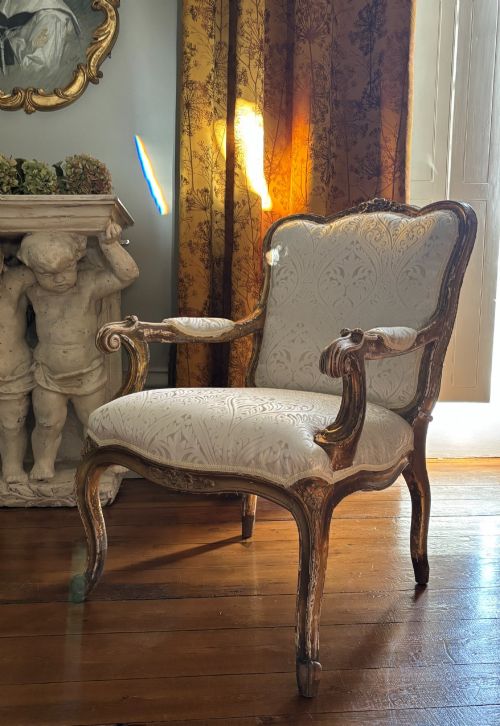
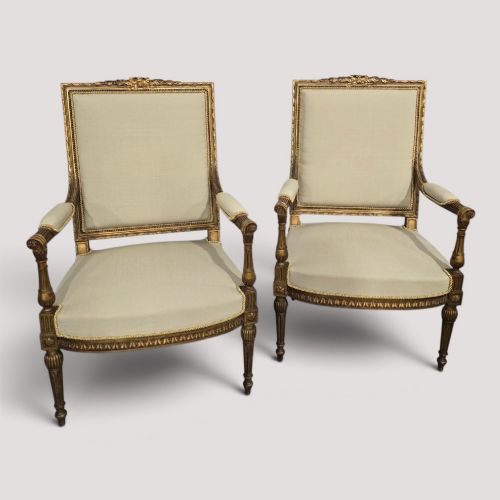
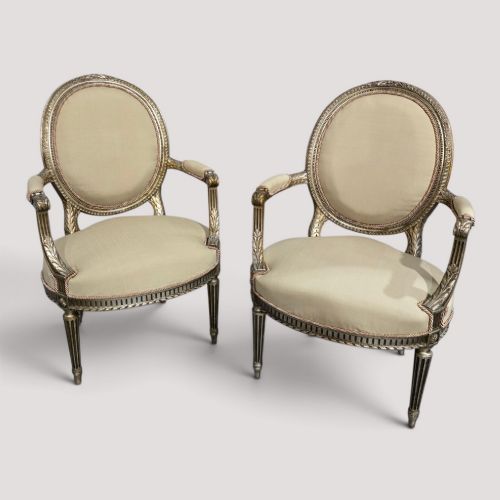
Carved gilt accent chairs bring gilded frames and upholstered seats into rooms as historical focal points.
Carved Gilt Accent Chairs
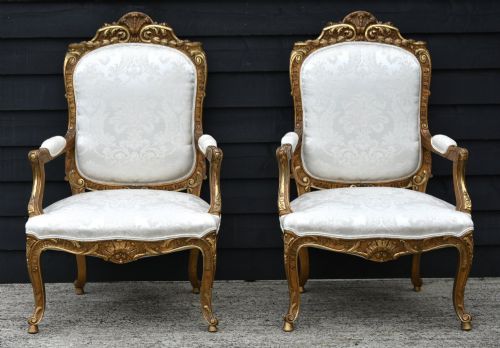
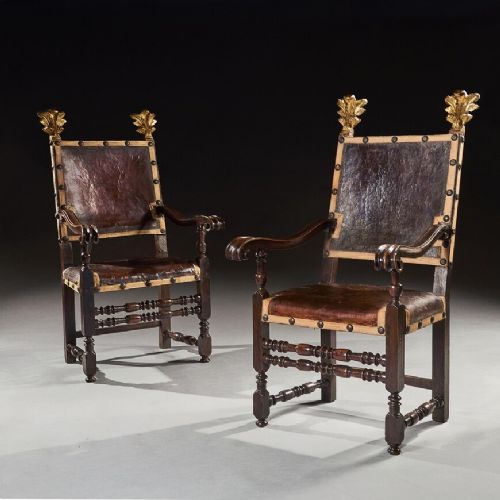
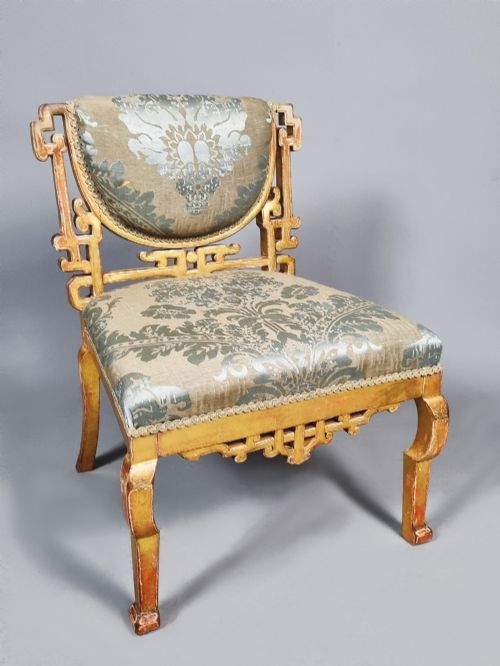
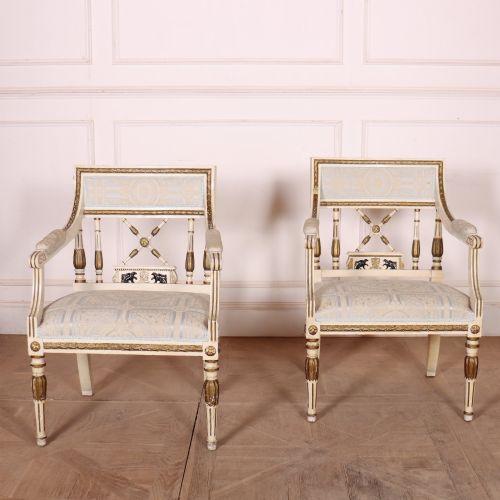
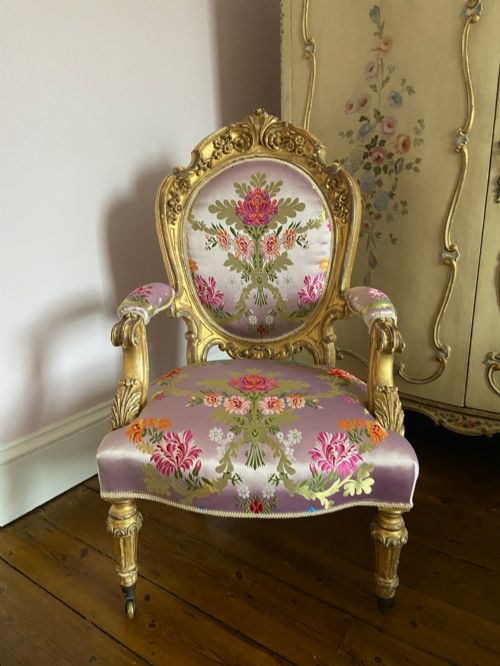
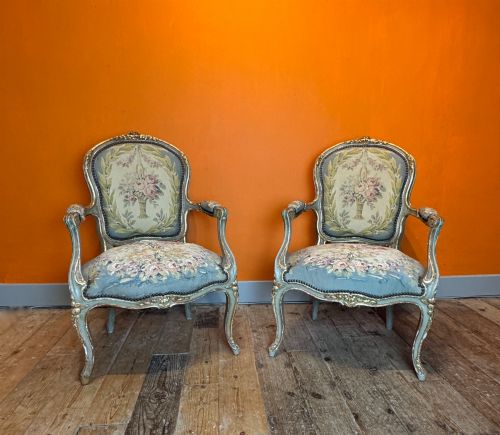
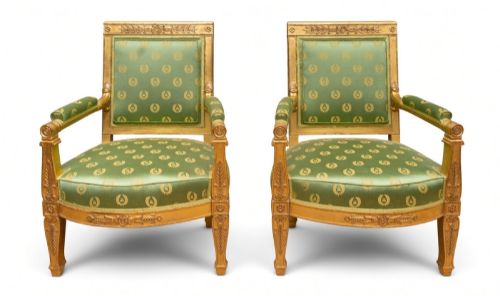
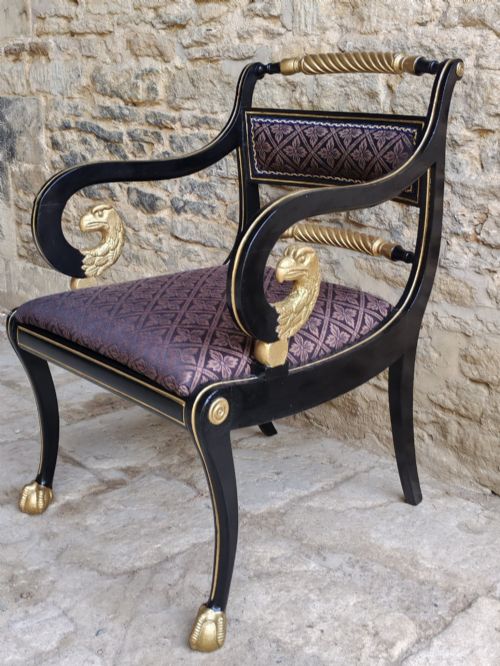
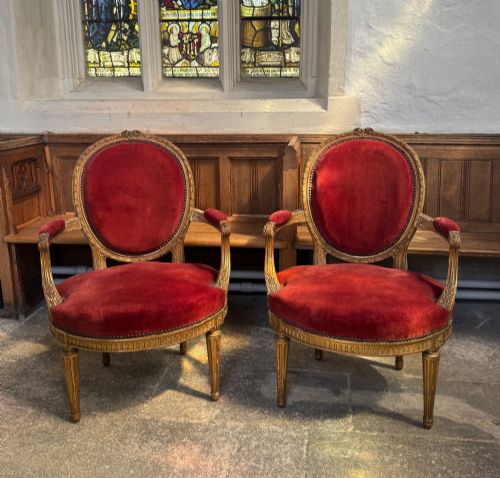
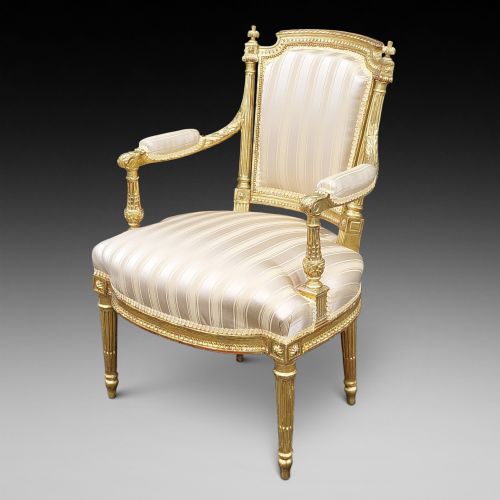
Carved gilt accent chairs encompass seating forms designed for display and occasional use, originating across various European workshops. The pieces seen here span centuries of design, including armchairs, side chairs, salon chairs, and occasional chairs.
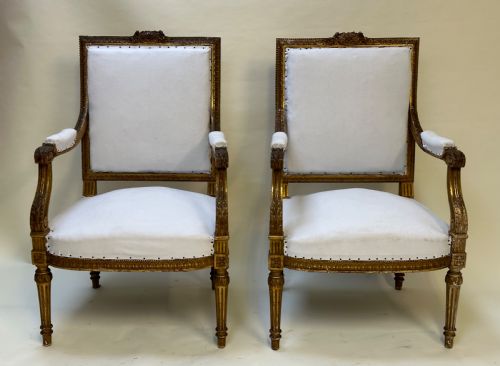
French and Italian influences dominate the selection, with Louis XVI style, Rococo revival, and Regency periods appearing frequently. Buyers encounter seating framed in carved wood finished with gold leaf, parcel-gilt details, or giltwood.
Makers and designers from the eighteenth and nineteenth centuries inform the revival pieces produced into the twentieth century. Upholstery materials vary from period tapestry to contemporary silk and velvet fabrics.
How they were made
Woodcarvers shaped foundational frames from timber such as beech, walnut, and other hardwoods before applying surface finishes. Artisans then laid gold leaf over gesso layers or applied liquid gilding and paint to create parcel-gilt effects.
Upholstery techniques involved webbing, stuffing with traditional materials, and securing outer coverings of leather, silk, velvet, or tapestry using decorative tacks. Brass mounts and gilt-bronze elements also appear on select frames to accent the woodwork.
Carved Gilt Accent Chairs Retail Price Guide 2026
Typical asking prices for carved gilt accent chairs among the pieces listed under this phrase on Sellingantiques today, from the lower quarter to the upper quarter. They describe what is for sale here now, not the wider market.
Several chairs have survived centuries of fashion by quietly changing their velvet coats.
What varies in quality
The crispness and depth of the woodcarving separate standard production from superior examples. Skilled carvers produced intricate foliage, scrolls, and fluting with sharp relief and clean tool marks.
The application of gold leaf and the preservation of the original gilt surface dictate visual presence. Hand-applied leaf shows subtle variations and wear patterns that differ from uniform modern metallic paints.
Waugh & Son·Jacob-Desmalter·Blaise Maucuy
The Carved Gilt Accent Chairs Glossary
- Giltwood
- Wood that has been coated with gold leaf. This finish defines the reflective frames of many formal antique chairs.
- Parcel-gilt
- A decorative treatment where only specific carved elements receive gilding while the remaining surface is painted or polished wood. It highlights particular architectural details on the frame.
- Bergère
- An enclosed upholstered armchair with padded sides. These French seats typically include an exposed wooden frame and a loose seat cushion.
Carved Gilt Accent Chairs: Frequently Asked Questions
How do I identify Louis XVI style chairs?
Louis XVI style chairs feature straight fluted legs, geometric shapes, and oval or rectangular backs. These design elements reflect an eighteenth-century neoclassical reaction to curved rococo forms.
Craftsmen often incorporated ribbon twists and acanthus leaf carvings into the wooden frames. Upholstery on these pieces typically matches the rectilinear geometry of the structure.
Were these chairs used at dining tables?
While many examples function as salon or accent seating, specific listings include dining chairs and side chairs built for formal meals. Dining variants generally feature higher seats and narrower frames without arms.
Armchairs and fauteuils served primarily in reception rooms, libraries, and bedrooms for formal conversation or reading. Their decorative carved frames prioritised visual display over practical dining use.
How should I care for giltwood finishes?
Giltwood requires dry dusting with a soft brush to protect the delicate gold leaf layer. Moisture and abrasive cleaners can strip the historical gesso and metallic leaf from the wooden substrate.
Placement away from direct sunlight and humidity prevents the underlying wood from expanding and cracking the gilt surface. Gentle handling preserves the original patination built up over centuries.
What is the difference between an armchair and a fauteuil?
A fauteuil is a specific type of French open-arm armchair characterised by upholstered armrests and exposed wooden framing. General armchairs may lack upholstered pads on the elbow rests and follow English or Italian regional designs.
Both forms provide raised seating supported by carved legs and structural stretchers. The terminology often reflects the historical origin of the workshop that built the frame.