




Cream Silk Armchairs
Cream silk armchairs bring refined elegance and traditional seating comfort to any room, offering versatile period style.
Cream Silk Armchairs
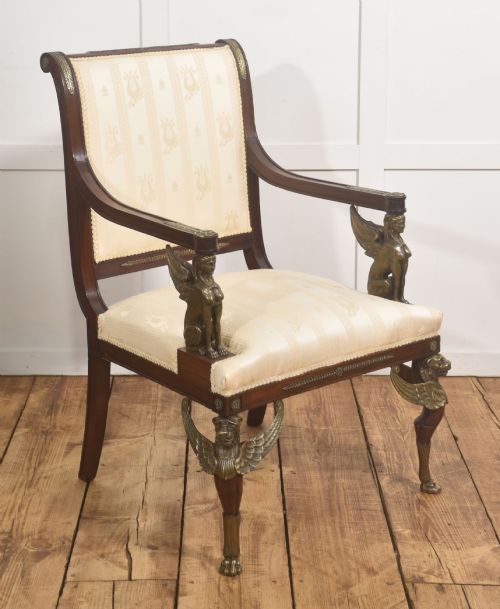
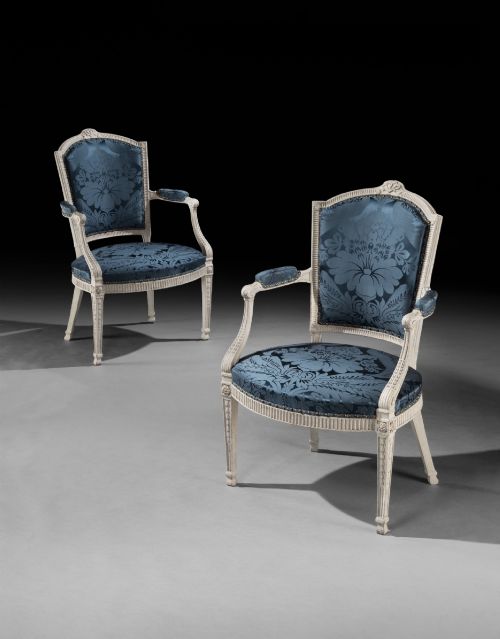
Cream silk armchairs encompass a sophisticated range of upholstered seating spanning the eighteenth century through the twentieth century, combining classic wooden frames with pale silk textiles. Buyers searching for cream silk armchairs encounter diverse regional interpretations including English Georgian, French Directoire, and Scandinavian Gustavian pieces.
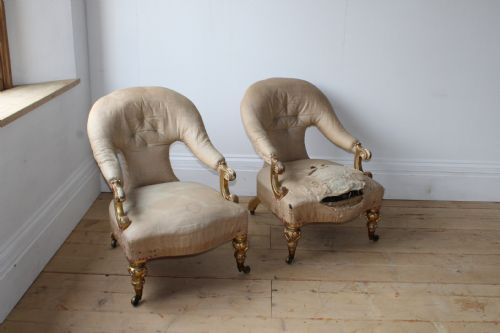
The selections on this page predominantly showcase painted wood and parcel gilt frameworks paired with silk or silk damask upholstery. These furnishings range from eighteenth-century George III examples to later nineteenth-century revival and early twentieth-century interpretations.
Materials and Construction
The foundational frames of these armchairs utilise solid timbers such as mahogany, walnut, and beech, frequently finished with paint, gold leaf, or giltwood highlights. Artisans shaped these structural woods into classical profiles adhering to Neoclassical, Victorian Rococo Revival, and Louis styles.
Upholstery techniques involve durable internal webbing and padding overlaid with delicate silk or silk damask fabrics. Decorative elements like parcel gilding highlight carved wooden details on the arms, legs, and crest rails.
Cream Silk Armchairs Retail Price Guide 2026
Typical asking prices for cream silk armchairs among the pieces listed under this phrase on Sellingantiques today, from the lower quarter to the upper quarter. They describe what is for sale here now, not the wider market.
Silk damask woven centuries ago still catches the afternoon light exactly as the weaver intended.
Evaluating Quality
Quality in these armchairs rests upon the crispness of the original wooden carving and the harmonious application of painted finishes or gold leaf. Superior pieces demonstrate balanced proportions and hand-carved details that reflect the stylistic conventions of their specific period.
The integrity of the frame construction and the fidelity of the upholstery materials further distinguish finer examples from simpler provincial work. Finer items preserve their historical surface treatments and structural soundness over centuries of use.
The Cream Silk Armchairs Glossary
- Giltwood
- Wood carved and covered with a thin layer of gold leaf. This technique provides a brilliant metallic finish historically favoured in court furniture.
- Silk Damask
- A reversible figured fabric woven on a loom, featuring patterns created by contrasting warp and weft threads. It offers a subtle sheen suited to formal seating.
- Neoclassical
- A style spanning the eighteenth and nineteenth centuries inspired by classical antiquity. It prioritises symmetry, straight lines, and restrained classical ornamentation.
- Parcel Gilt
- A decorative method where only specific portions of a wooden or painted object receive gilding. This highlights particular carvings such as rosettes or fluting.
Cream Silk Armchairs: Frequently Asked Questions
How do I clean cream silk upholstery?
Silk requires professional dry cleaning or specialist spot treatment to avoid water rings and fabric distortion. Regular gentle vacuuming with a soft brush attachment helps remove surface dust.
Harsh chemical detergents or excessive moisture damage delicate silk fibres permanently. Consult a textile conservator for antique silk care.
Are these chairs suitable for daily seating?
Many period armchairs remain sturdy enough for regular use, provided the internal webbing and joints are stable. Gentle daily use preserves the fragile silk textiles over time.
Heavier traffic might require placing the chairs in low-impact areas or utilising protective throws. Assess the structural rigidity of each frame before heavy placement.
What periods do these armchairs represent?
The available pieces span from the eighteenth century through the early twentieth century. This includes Georgian, Victorian, and early twentieth-century revival eras.
Design influences range from English Hepplewhite to French Directoire and Scandinavian painted traditions. Each era contributes distinct architectural lines and decorative motifs.
How do I identify French Directoire style?
French Directoire style bridges Louis XVI and Empire periods, favouring clean architectural lines and classical Greco-Roman motifs. Ornamentation becomes more restrained compared to earlier rococo designs.
Frames often incorporate painted finishes, saber legs, and subtle classical carvings. This transitional aesthetic emphasises geometric balance.