



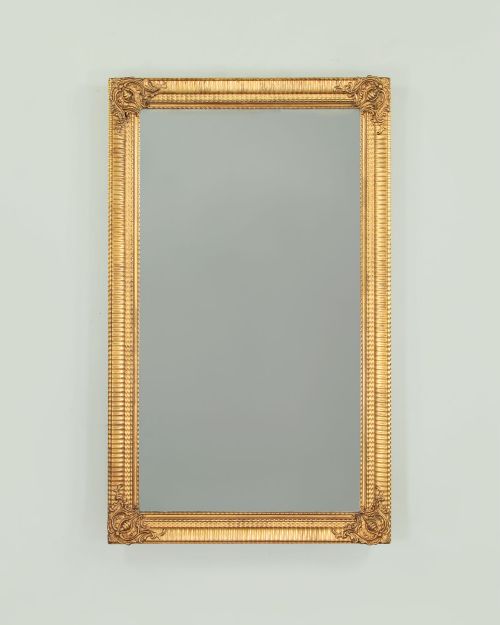
Carved Gilded Frame
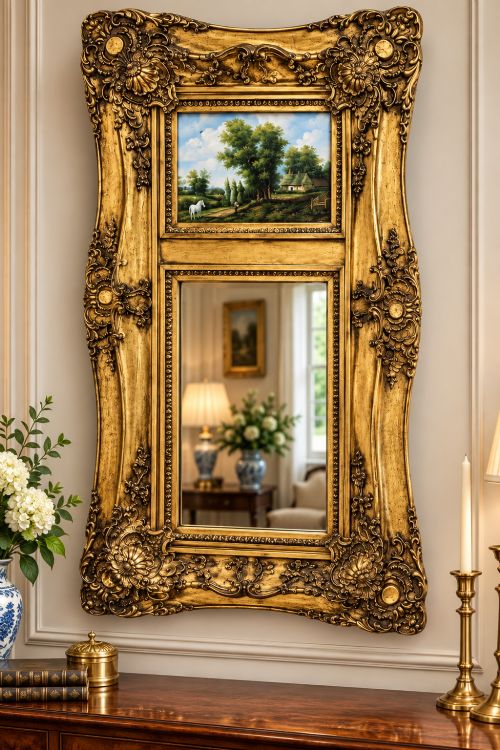
A carved gilded frame brings architectural presence and luminous warmth to interiors, enclosing mirrors, portraits, and landscapes with ornamental splendour.
Carved Gilded Frame
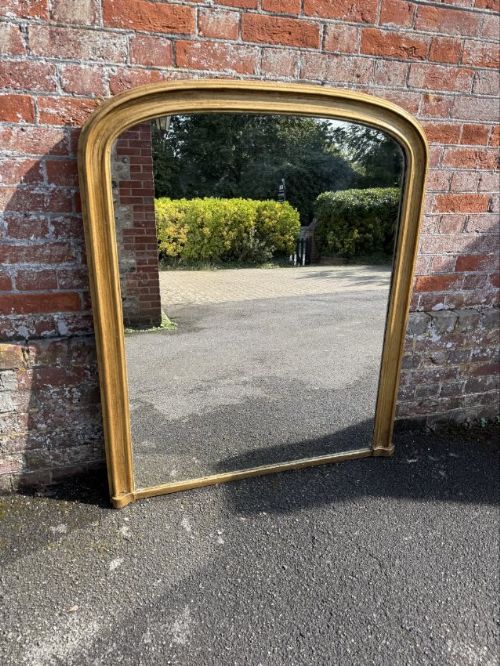
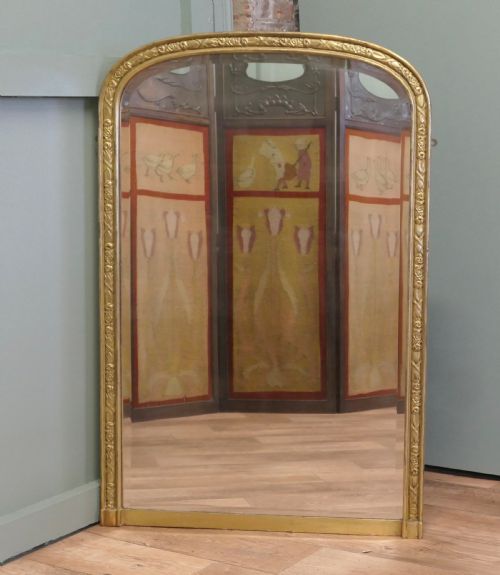
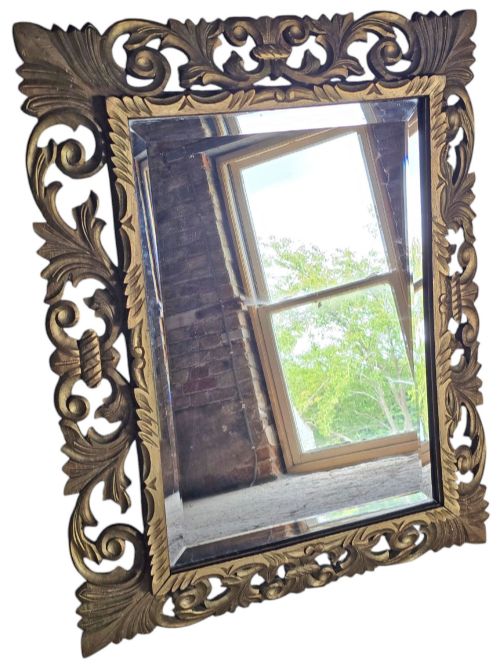
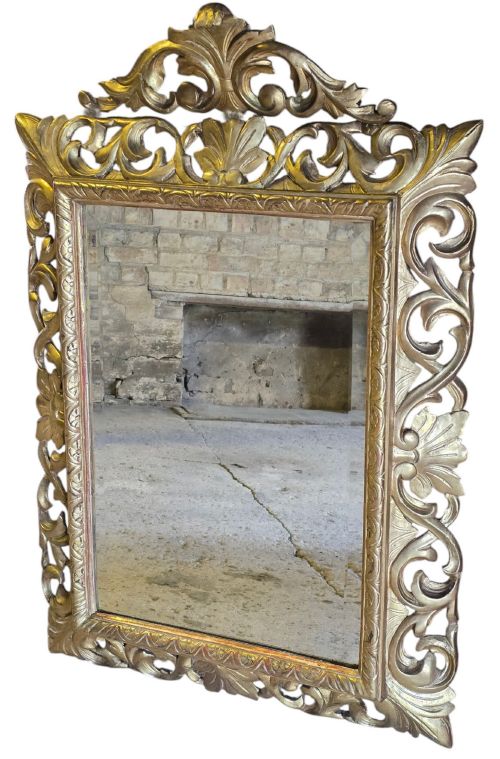
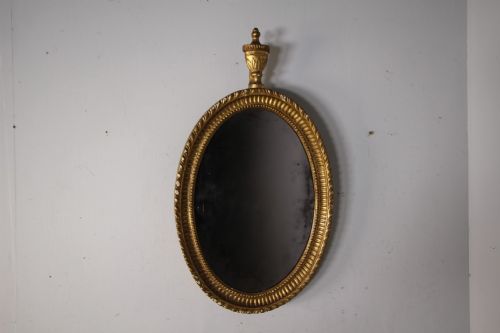
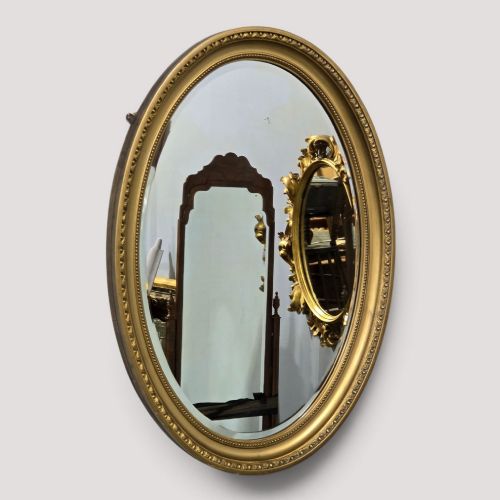
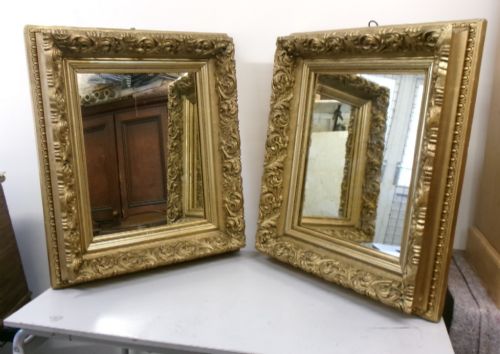
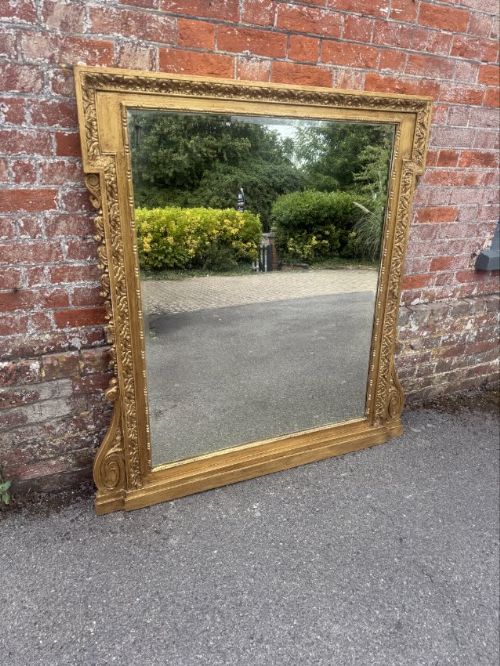
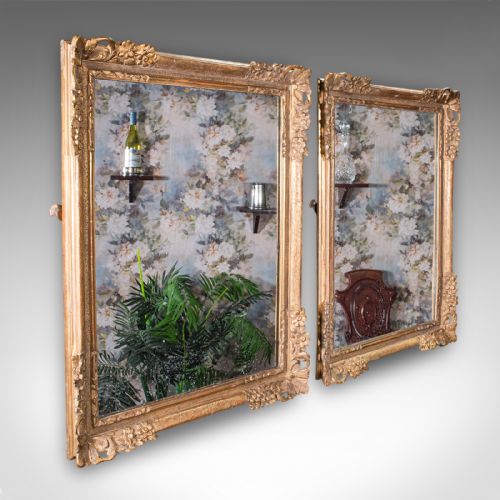
A carved gilded frame typically houses wall mirrors, overmantel mirrors, pier glasses, and oil paintings created across the eighteenth, nineteenth, and early twentieth centuries. These objects combine structural timber or composite mouldings with decorative surface treatments designed to catch and reflect light within a room.
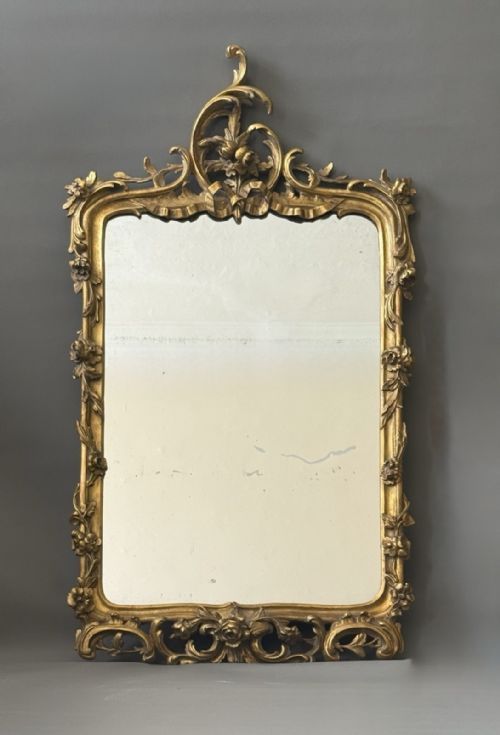
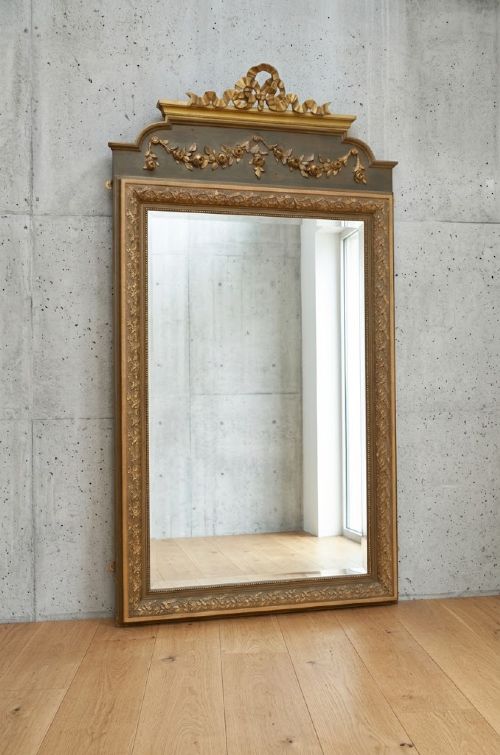
The selections available range from grand Victorian overmantels and arched French wall pieces to Florentine girandoles and Georgian mahogany fret mirrors. Many items originate from British and continental European workshops, employing regional aesthetic traditions such as Rococo revival scrolls or classical Regency lines.
Beyond standalone mirror plates and canvas paintings, the selection encompasses occasional seating like giltwood armchairs and sofas possessing intricately carved and gilded timber show-frames. These diverse forms share a reliance on hand-carved relief work and applied gold leaf or composition gilding.
How they were made
Craftsmen built the underlying structure using solid timbers like pine, walnut, or mahogany, often assembling corner joints with traditional joinery to withstand tension. Carvers then shaped floral motifs, acanthus leaves, or geometric ribbons directly into the wood or onto applied layers of gesso.
Gesso, a mixture of chalk and size, was built up in thin coats over the timber substrate and smoothed to provide a flawless bed for gilding. Artisans applied genuine gold leaf or composition metal leaf onto this prepared surface, burnishing portions to a high sheen with agate stones while leaving other areas matte.
Water gilding allowed craftsmen to achieve brilliant reflective finishes on premier pieces, whereas oil gilding offered a more durable, weather-resistant alternative suitable for heavier decorative mouldings.
Some nineteenth-century mirrors spent their youth reflecting dimly lit drawing rooms by candlelight before finding new life under electric lamps.
What varies in quality
The crispness of the hand-carved detail distinguishes superior examples from mass-produced or heavily restored items, as skilled carvers maintained sharp undercut foliage and precise symmetry. Inferior pieces often rely on thick composition plaster mouldings that lose definition and crack over decades of environmental fluctuation.
The integrity of the original gilded surface dictates long-term character, with premier objects retaining untouched layers of gold leaf that display subtle patination rather than flat, modern metallic paint. Original mercury glass mirror plates, exhibiting characteristic foxing and soft reflection, further elevate the historical merit of framed looking glasses.
John Theodore Heins·Sir Godfrey Kneller·François Jouvenet·DJ McLaughlin
The Carved Gilded Frame Glossary
- Gesso
- A fluid plaster mixture composed of chalk, gypsum, and animal glue applied to wood frames to create a smooth surface for carving and gilding. This foundational layer allowed artisans to achieve high-relief ornamentation before applying metal leaf.
- Giltwood
- Timber that has been coated with gold leaf or metal leaf over a prepared base. It differs from painted gold finishes by offering a deep, warm metallic lustre that ages with distinct patination.
- Overmantel mirror
- A large horizontal mirror designed specifically to hang above a fireplace mantelpiece. These pieces frequently feature arched tops and elaborate crestings intended to anchor grand interior schemes.
- Foxing
- The age-related spots, speckling, and discoloration that develop within the silvering of antique mirror glass. Collectors prize genuine foxing as an indicator of original mercury or early silver nitrate plates.
- Girandole
- A decorative wall mirror featuring integrated candle sconces attached to the frame. The polished glass and gilded surfaces multiplied the flickering light of candles within nineteenth-century rooms.
- Water gilding
- A traditional technique where gold leaf is laid onto wet gesso and size, permitting the metal to be vigorously burnished to a mirror-like shine. This method represents the highest standard of historical framing craftsmanship.
Carved Gilded Frame: Frequently Asked Questions
How do I hang a heavy overmantel mirror safely?
Heavy antique frames require robust wall fixings anchored directly into structural masonry or substantial timber studs to support considerable weight safely. Professional installers utilise heavy-duty mirror plates or hanging brackets distributed evenly across the upper frame.
Ensuring the weight rests securely prevents warping of the wooden structure and protects the historical integrity of the piece over time.
What is the difference between gesso and carved wood?
Carved wood involves cutting ornamentation directly into the solid timber substrate using gouges and chisels for deep, structural relief. Gesso is a chalk-based paste applied over wood and moulded or sculpted to build up decorative surface details.
Many antique frames combine both techniques, using a carved wooden base enriched with gesso mouldings to achieve intricate three-dimensional effects.
How should I clean a gilded antique frame?
Dust gilded surfaces gently using a very soft, dry artist brush or ostrich feather duster to prevent dislodging delicate leaf or brittle gesso. Avoid all liquid cleaners, commercial polishes, and abrasive cloths, which strip historical gold leaf and moisture.
Professional conservators should handle major cleaning or repairs to prevent irreversible damage to fragile nineteenth-century water gilding.
How can I tell if a mirror plate is original?
Original antique mirror plates often display characteristic foxing, minor surface bubbles, and slight distortions in the glass reflection caused by historical manufacturing methods. The reverse of the glass typically reveals aged backing paints, old wooden retaining slips, or paper seals.
Modern replacement glass appears uniformly flat, highly reflective, and completely free of the atmospheric speckling accumulated over centuries.