




Carved Gilded Frame Artwork
Carved gilded frame artwork brings together centuries of painting and ornamentation, uniting oil on canvas with elaborate giltwood mouldings.
Carved Gilded Frame Artwork
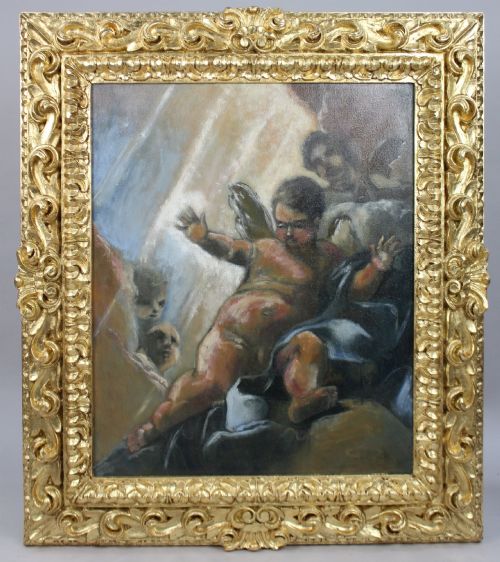
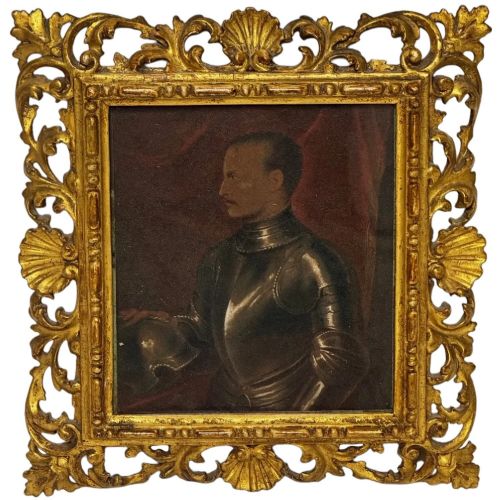
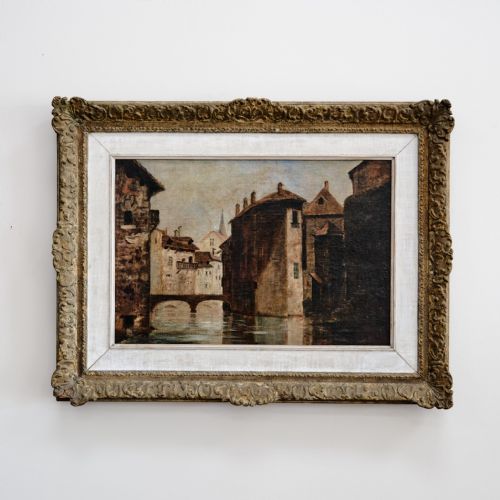
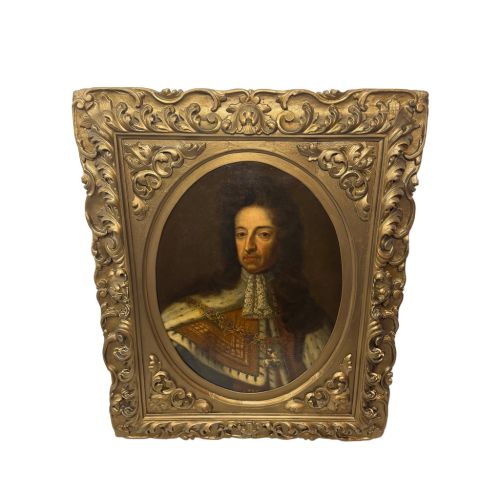
Carved gilded frame artwork encompasses oil paintings, portraits, landscapes, and religious icons housed within ornate wooden surrounds. These pieces span multiple centuries, ranging from seventeenth-century Dutch old masters and seventeenth-century portraits to nineteenth-century romanticism and twentieth-century interpretations.
The objects on this page bridge fine art and decorative craftsmanship, where the frame is as integral to the visual impact as the canvas or panel it holds. Buyers encounter seventeenth-century portraits, eighteenth-century miniatures, and Victorian oil paintings paired with period-appropriate or later housing.
Most examples originate from British, Dutch, and Italian schools, reflecting stylistic movements such as Baroque, Rococo Revival, and Italian Renaissance Revival. The selection balances standalone empty picture frames with fully integrated paintings and tapestries.
Materials and Techniques
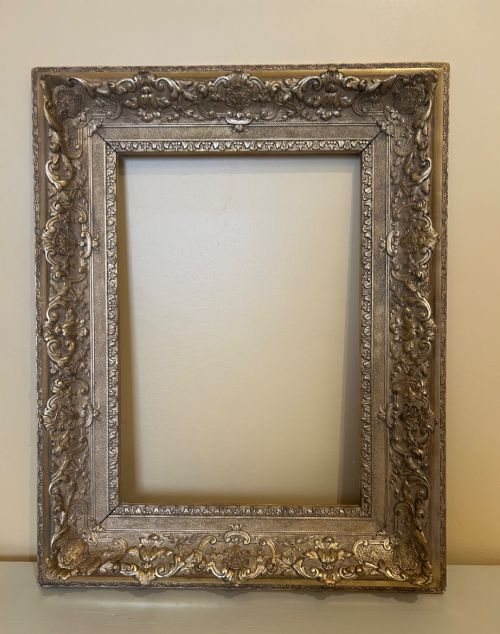
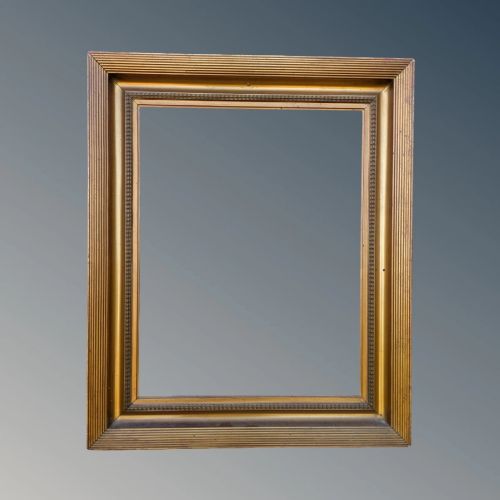
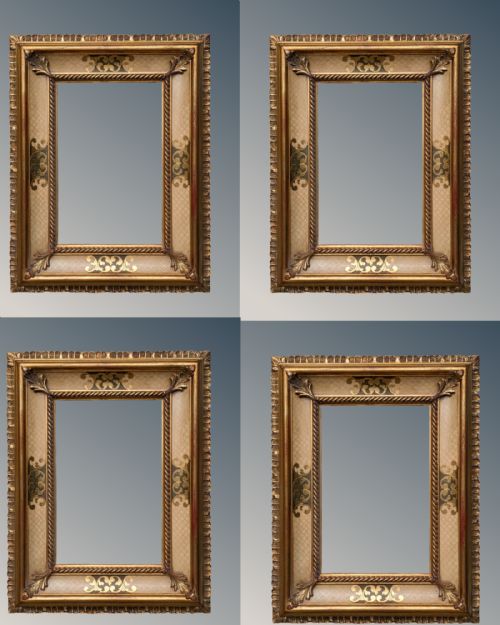
Makers constructed the primary structures from wood, applying layers of gesso to smooth the surface before carving intricate scrollwork, leaf motifs, or architectural details. Artisans then laid gold leaf or applied giltwood finishes over the prepared base to achieve a brilliant metallic sheen.
Paintings within these surrounds utilise oil on canvas, oil on panel, and occasionally needlepoint tapestry, employing traditional pigments and varnishes. The interaction between the metallic leaf of the frame and the oil medium creates a distinct interplay of light across the entire piece.
Italian and French schools are well represented, alongside seventeenth-century Dutch portraits and Victorian genre painting.
Distinctions in Quality
The depth and crispness of the hand-carved ornamentation separate standard mouldings from superior examples, where undercut scrollwork and sharp relief display the carver's skill. Finer frames show precise application of gold leaf over carefully built gesso layers rather than flat, uniform modern metallic paint.
The harmony between the artwork and its housing dictates the integrity of the piece, as period-matching frames preserve the intended aesthetic balance. Superior oil paintings exhibit assured brushwork and nuanced composition, whether executed by known hands or skilled circle artists.
Sir Peter Lely·Armand Guillaumin·George Lance·James Kyd
The Carved Gilded Frame Artwork Glossary
- Giltwood
- Wood that has been coated with gold leaf or gold paint. This material forms the primary structure for many traditional decorative surrounds.
- Gesso
- A plaster mix of chalk, gypsum, and pigment bound in glue, used to coat wood surfaces before gilding. It provides a smooth base for intricate carving.
- Baroque
- An ornate artistic style prevalent in the seventeenth and eighteenth centuries, characterised by dramatic movement and rich detail. Works from this period often feature deep, dynamic scrolling on the surrounds.
- Oil on canvas
- Pigment mixed with drying oil applied to a stretched cloth support. This technique dominates the pictorial works found within these decorative housings.
Carved Gilded Frame Artwork: Frequently Asked Questions
How do I identify the period of a carved gilded frame?
Examine the underlying wood construction, the composition of the gesso, and the style of the carved motifs. Earlier pieces from the seventeenth and eighteenth centuries often display hand-carved wooden relief work that differs in profile from later revival styles.
Compare the corner construction and the ageing of the gold leaf against known historical examples. Subtle tool marks and the wear patterns on the gilt surface provide further clues to the date of manufacture.
Are the paintings usually original to the frames?
Many works remain in their original housings, particularly when the proportions and stylistic period align precisely with the canvas. Over the centuries, however, collectors and dealers have frequently paired antique oil paintings with complementary period surrounds.
Look for signs of fitting, such as old rebate marks or matching oxidation levels between the artwork and the frame. A harmonious pairing enhances the visual presentation regardless of whether they were originally created together.
How should I care for giltwood frames?
Keep giltwood away from direct sunlight and fluctuating humidity to prevent the underlying wood and gesso from cracking or warping. Dust the carved surfaces gently with a soft, dry brush without applying liquid cleaners.
Avoid touching the gold leaf directly, as natural oils from skin can tarnish or lift the delicate metallic surface over time. Stable indoor environments ensure the longevity of both the carving and the gilding.
What subjects appear most frequently in these artworks?
Portraits dominate the selection, featuring subjects ranging from seventeenth-century nobility to Victorian figures and religious icons. Landscapes, riverscapes, and floral still lifes also make regular appearances across various European schools.
Religious scenes, including depictions of saints and biblical narratives, reflect the historical importance of sacred art within Italian and Dutch traditions. Each subject offers insight into the aesthetic preferences of its respective period.