



Spanish Colonial Religious Painting
These spanish colonial religious painting examples are centuries-old works spanning the seventeenth century to the Victorian era, offering collectors profound historical devotion.
Spanish Colonial Religious Painting
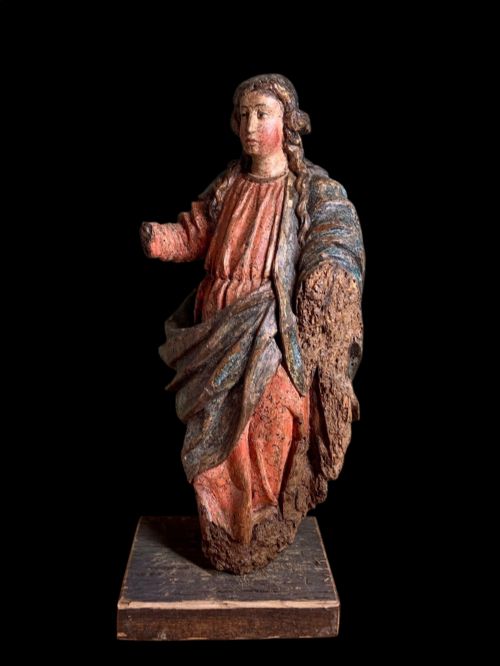
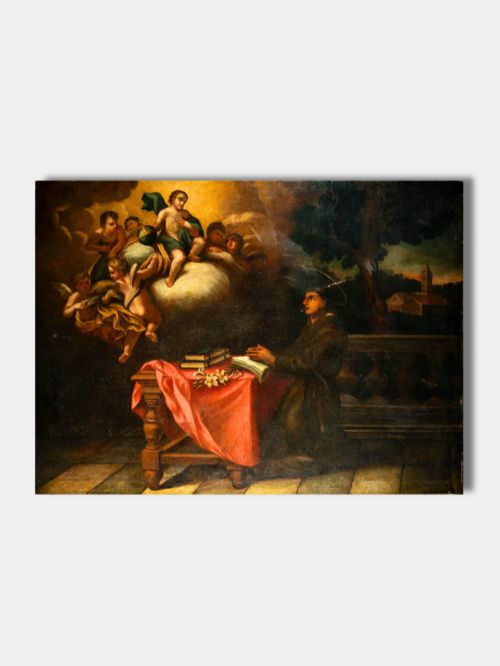
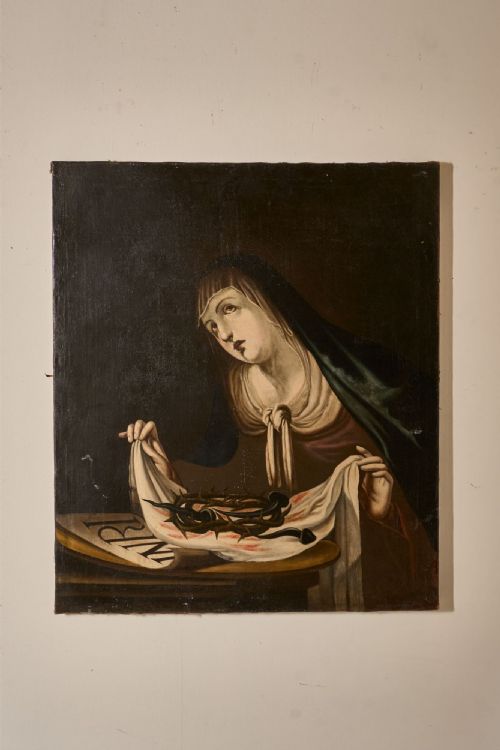
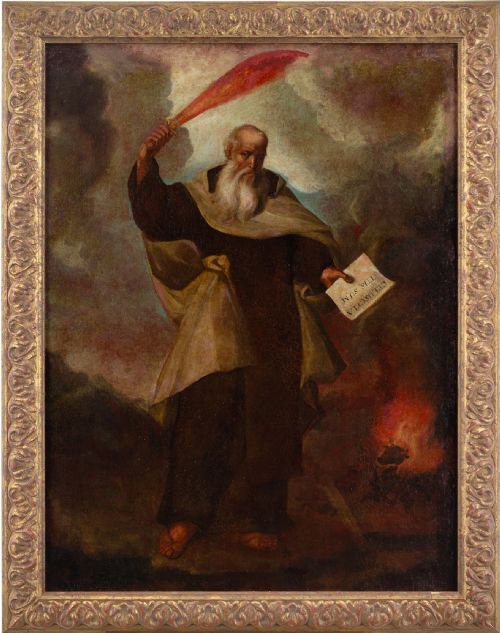
When you search for spanish colonial religious painting, you encounter sacred works created primarily for devotion and prayer. These pieces include oil on canvas depictions of Mary, Saint Anthony of Padua, and Saint Elijah, alongside carved and polychromed wooden figures.
The selections available here range from seventeenth-century masterworks to eighteenth-century baroque canvases and later home altars. You will find both flat oil paintings and three-dimensional devotional sculptures reflecting deep religious traditions.
How they were made
Makers utilised oil paint applied to canvas, often supported by preparatory gesso layers on wooden panels or stretcher frames. Canvases capture elaborate iconography such as the Vision of Saint Anthony and Passion scenes.
Sculptural works involve carved wood finished with polychrome paint to render lifelike flesh tones and vestments. Artisans combined woodwork and painting techniques to create vivid home altars and figures of saints.
Materials across these listings include carved wood, canvas, polychrome paint, gesso, and oil paint.
What varies in quality
Quality rests in the subtlety of the brushwork and the expressive depth given to the faces of saints. Masterful shading and anatomical precision elevate works attributed to specific schools above simple folk art.
The preservation of the original gesso and polychrome surface dictates the integrity of wooden sculptures. Finer pieces retain their original layered pigments and delicate gilding without heavy modern intervention.
Juan Ruiz Soriano·Gaspar de Figueroa
The Spanish Colonial Religious Painting Glossary
- Polychrome paint
- Pigments applied in multiple colours to decorate carved wooden sculptures and altars. This technique gives statues a lifelike appearance.
- Gesso
- A plaster mixture applied to wood or canvas as a smooth base for painting or gilding. It provides a stable foundation for fine oil layers.
- Home altar
- A small devotional structure designed for private prayer within a domestic setting. These often house carved figures or small paintings.
- Spanish Baroque
- An artistic style characterised by dramatic movement and deep shadow, prominent in seventeenth-century religious art. It emphasises intense emotional connection.
Spanish Colonial Religious Painting: Frequently Asked Questions
What is a home altar?
A home altar is a small devotional shrine used for private worship within a household. These structures often incorporate carved wooden figures and painted panels.
They served as focal points for daily prayer and contemplation in Spanish colonial homes. Examples range from simple folk art pieces to more elaborate structures.
How old are these paintings?
The works listed span from the seventeenth century through the eighteenth century, with some later nineteenth-century and Victorian examples. Each piece carries the distinct stylistic markers of its specific period.
Studying the canvas preparation, paint composition, and subject matter helps determine the approximate age of each artwork.
What subjects appear most often?
Depictions of Mary, the Christ Child, and various saints dominate these religious works. Scenes such as the Passion of Christ and the Vision of Saint Anthony are particularly common.
Artists also portrayed specific religious figures like Saint Elijah and Francis Xavier. These subjects reflected the strong devotional priorities of the period.
How do I care for polychrome wood?
Polychrome wooden sculptures require stable environmental conditions with minimal fluctuations in temperature and humidity. Protecting them from direct sunlight prevents the painted pigments from fading.
Gentle dusting with a soft, dry brush is sufficient for routine maintenance. Avoid using liquid cleaners or oils on historic painted surfaces.