

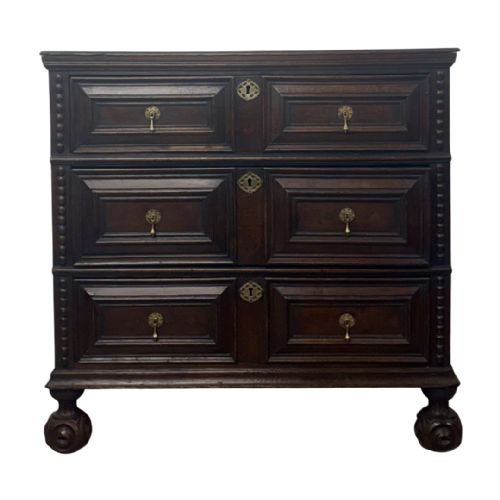
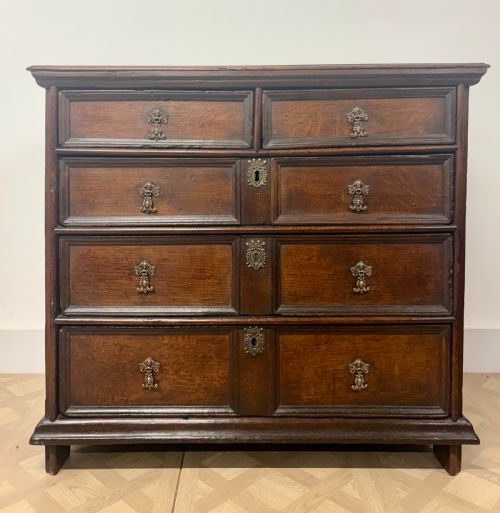
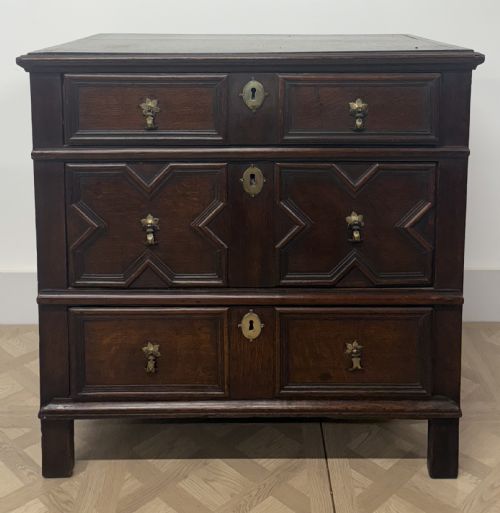
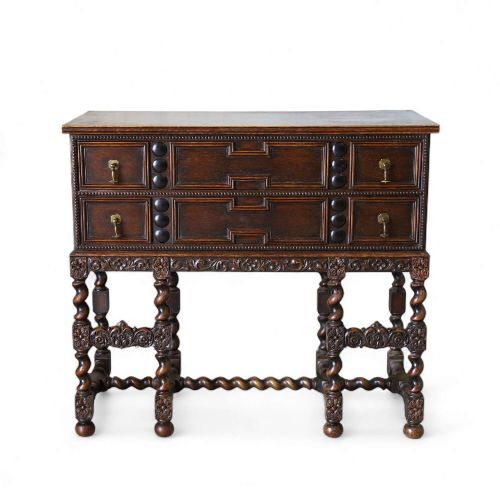
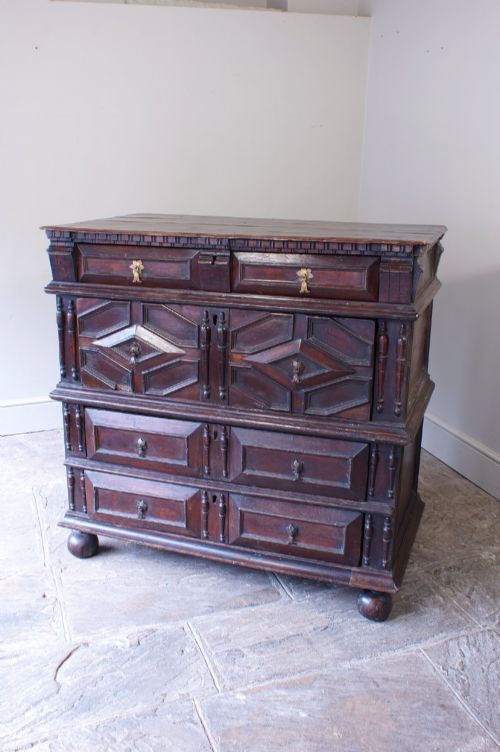
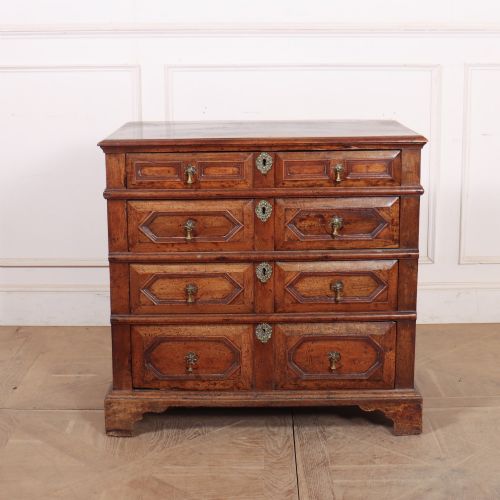


Carved Geometric Panel Dresser
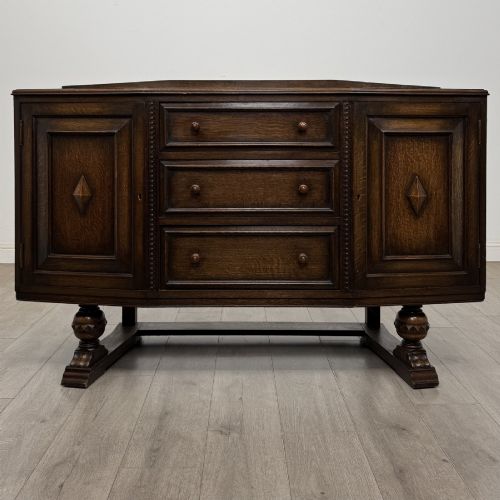
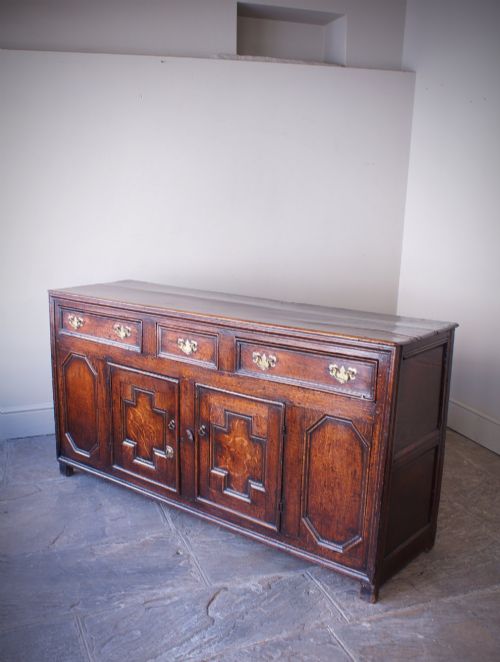
A carved geometric panel dresser offers robust timber construction and striking surface relief, making it a focal point for traditional interiors.
Carved Geometric Panel Dresser
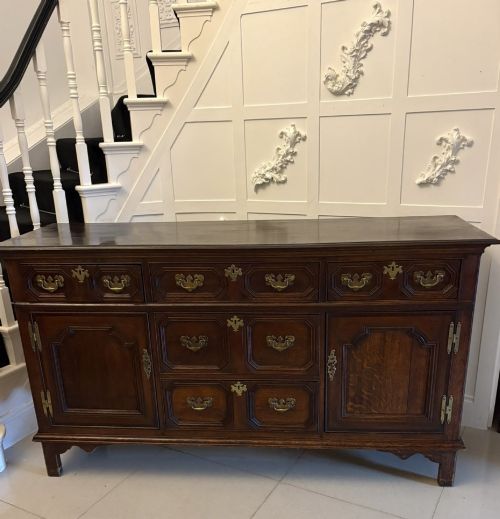
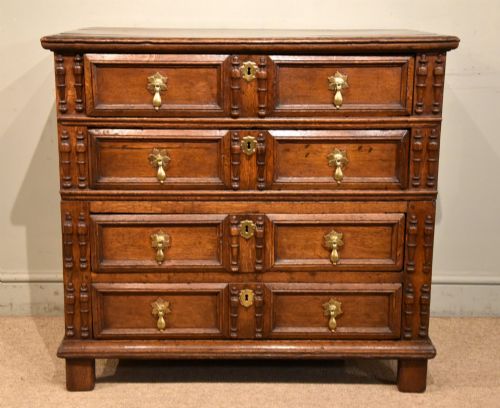
When you search for a carved geometric panel dresser, you encounter heavy timber storage furniture spanning centuries of British cabinet making. The pieces combine utility with decorative drawer fronts featuring applied mouldings and linear patterns.
Most examples date from the seventeenth century through to later revival periods, reflecting shifting domestic tastes for organised storage. These forms range from low servers and dresser bases to tall two-part cupboards and chests of drawers.
The selection here encompasses authentic period work alongside later revival interpretations in oak and cedar. Each variation demonstrates the enduring appeal of geometric surface ornamentation applied to functional domestic furniture.
What varies in quality
The sophistication of the surface carving and the precision of the geometric mouldings dictate the standing of an individual piece. Sharply defined panel work and well-balanced proportions separate finer examples from simpler provincial work.
Timber selection and the survival of original surface finishes also influence the character of each piece. Cohesive patination across the oak boards indicates careful preservation over centuries of domestic use.
Carved Geometric Panel Dresser Retail Price Guide 2026
Typical asking prices for carved geometric panel dresser among the pieces listed under this phrase on Sellingantiques today, from the lower quarter to the upper quarter. They describe what is for sale here now, not the wider market.
Selected nineteenth-century revivalists enjoyed adding sturdy cedar wood and leaded glass doors to keep seventeenth-century styles properly weatherproof.
The Carved Geometric Panel Dresser Glossary
- Geometric moulding
- Raised wooden strips applied to drawer fronts in rectilinear patterns. This technique creates visual depth and texture on otherwise flat surfaces.
- Dresser base
- The lower section of a kitchen or dining room storage unit featuring drawers and cupboards. These pieces served as primary work surfaces and storage areas.
- Barley-twist support
- A turned wooden column resembling a spiralling rope. Makers utilised this decorative support on legs and stretchers during the seventeenth century and later revival eras.
- Two-part dresser
- A large storage item constructed in upper and lower sections for ease of transport. This format allowed households to move heavy furniture between rooms or properties.
Carved Geometric Panel Dresser: Frequently Asked Questions
How do I date a geometric panel chest?
Dating relies on examining the construction methods, timber species, and style of the mouldings used on the drawer fronts. Seventeenth-century pieces typically feature hand- split oak boards and pegged frame construction.
Revival pieces from the nineteenth and twentieth centuries often display machine-sawn timber and different interior secondary woods. Comparing the hardware and joinery helps clarify the likely decade of production.
Where were these dressers used?
These pieces originally served as functional storage furniture in principal rooms, dining spaces, and kitchens of large houses. Their robust construction handled daily household demands.
Today, they adapt well to modern living rooms and hallways as practical sideboards and display surfaces. The deep drawers provide concealed storage for contemporary belongings.
What is a two-part dresser?
A two-part dresser consists of a lower cabinet base and a separate upper section designed to stack securely. This modular approach helped craftsmen move heavy oak furniture through narrow doorways.
Many surviving examples retain this split construction, which aids in relocation and installation within modern homes.
How do I care for antique oak?
Maintaining antique oak involves keeping the timber away from direct heat sources and sudden humidity changes. Regular dusting with a dry cloth protects the surface without building up chemical residues.
Applying traditional wax occasionally helps nourish the dry grain and preserves the historic finish. Avoid modern silicone polishes that can penetrate the open pores of the wood.