

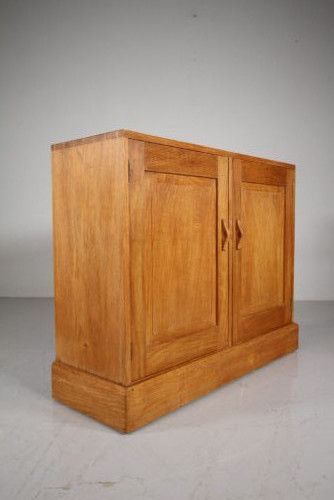
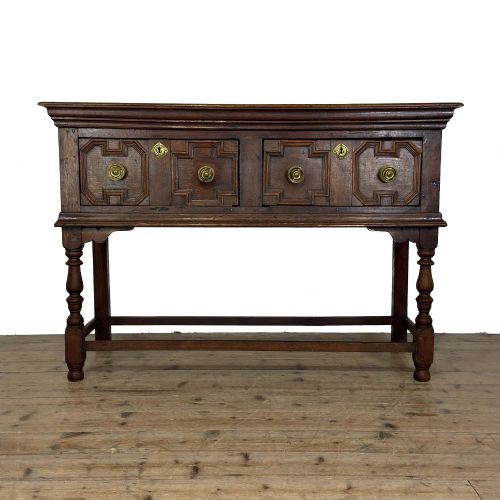
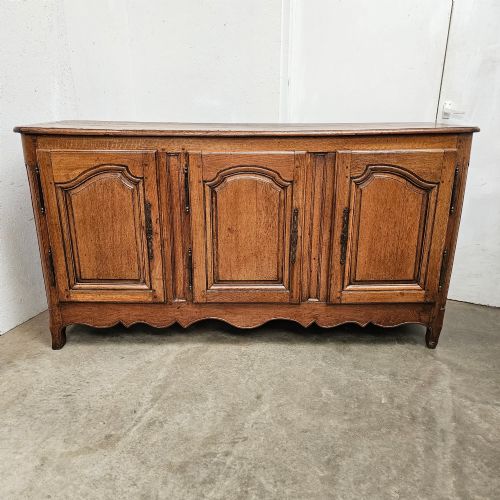
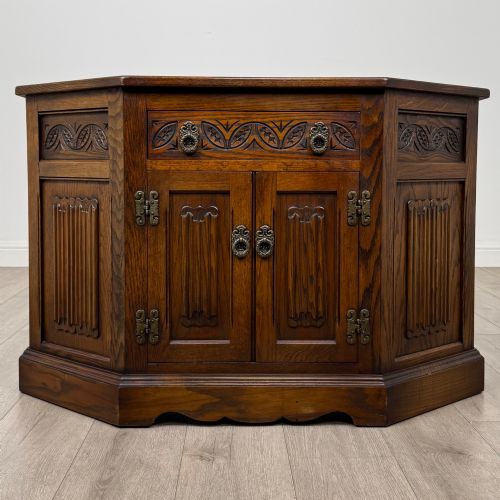
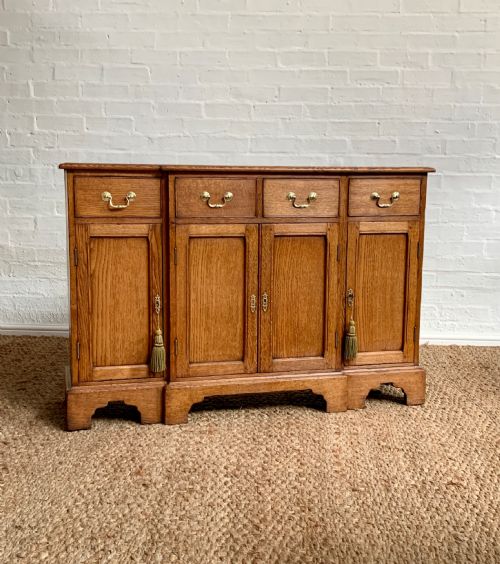
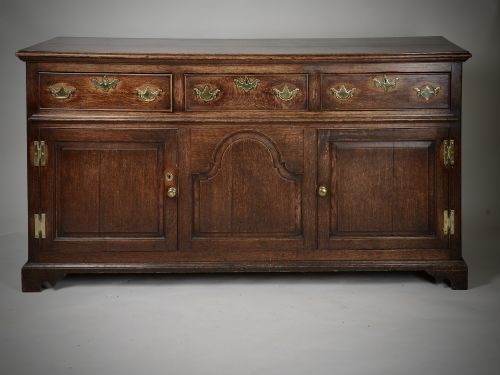
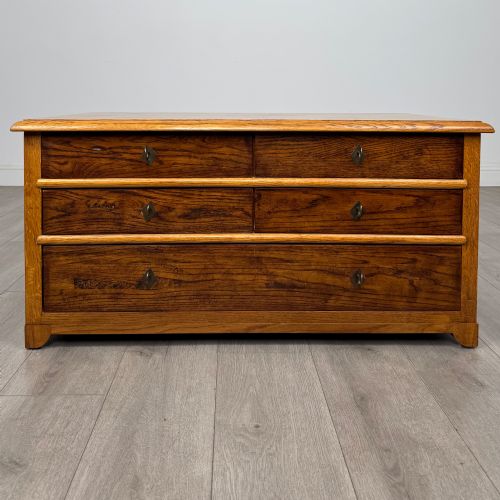
Low Oak Dresser
A low oak dresser grounds a room with centuries of utility, offering deep drawers and broad boards shaped by regional hands.
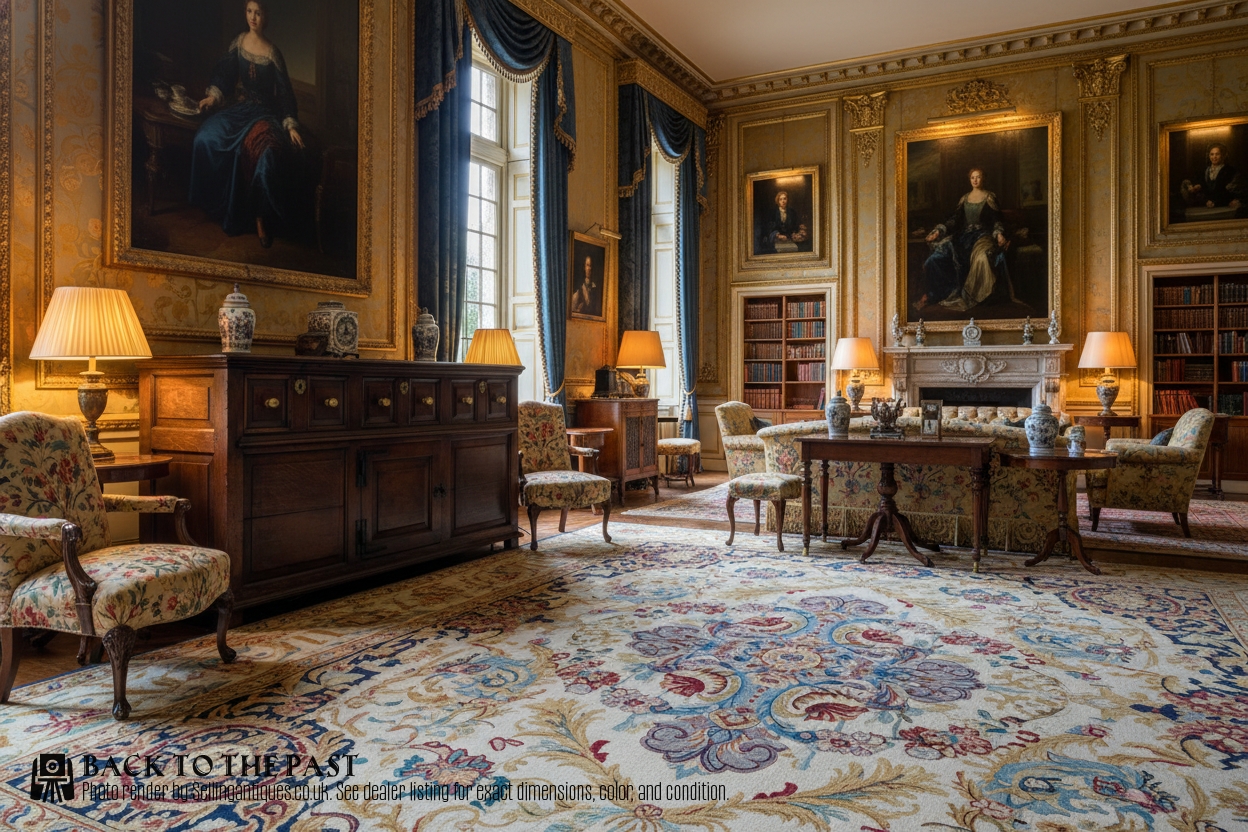
The Low Oak Dresser
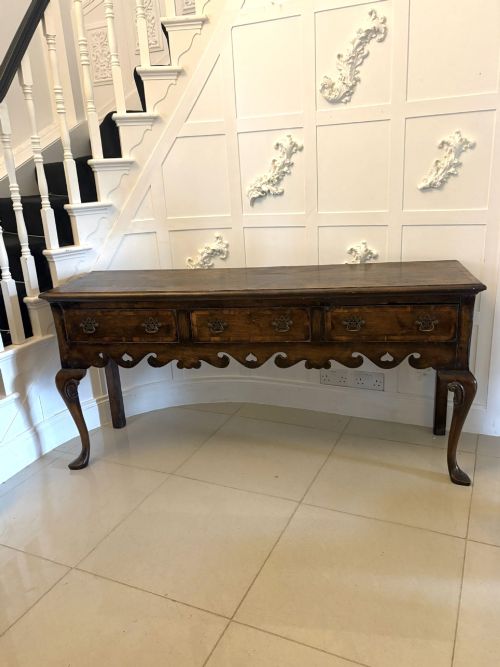
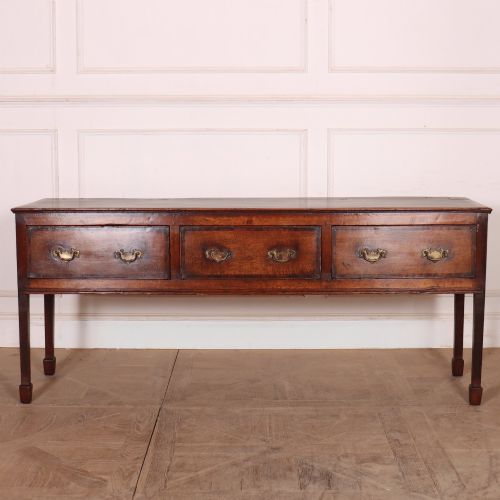
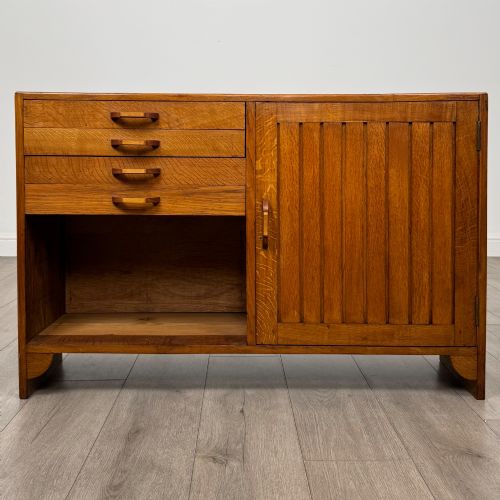
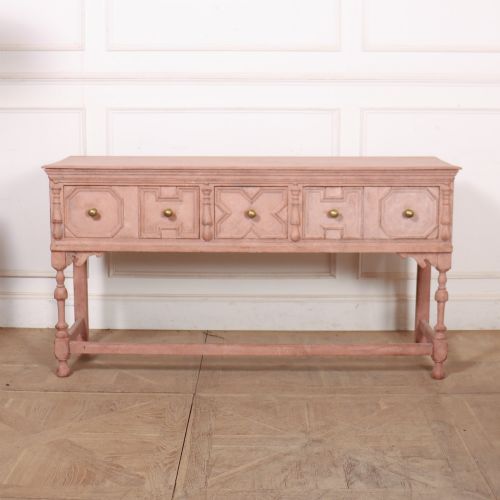
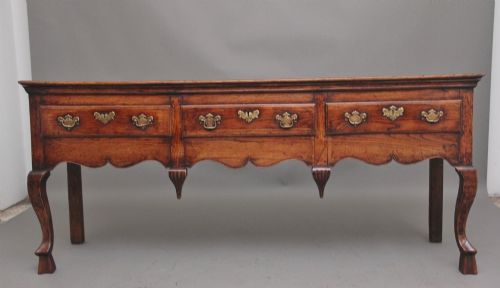
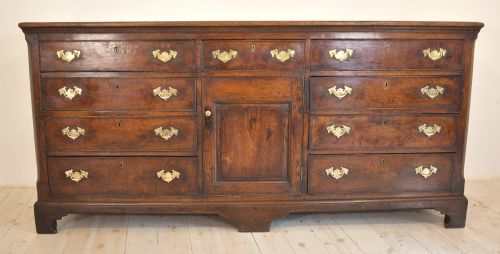
A low oak dresser represents a foundational form of historic storage, designed with a waist-height surface above drawers and occasionally a potboard shelf below. You will frequently encounter eighteenth century examples originating from Wales, Shropshire, Lancashire, and Cheshire.
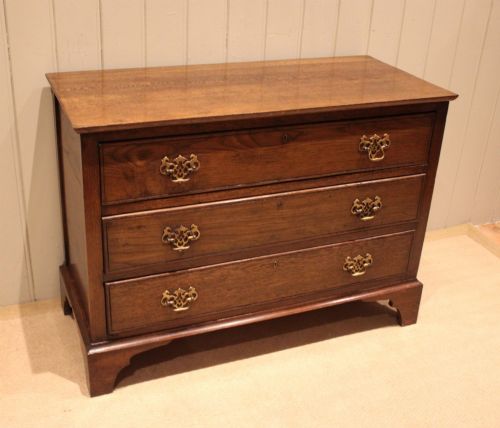
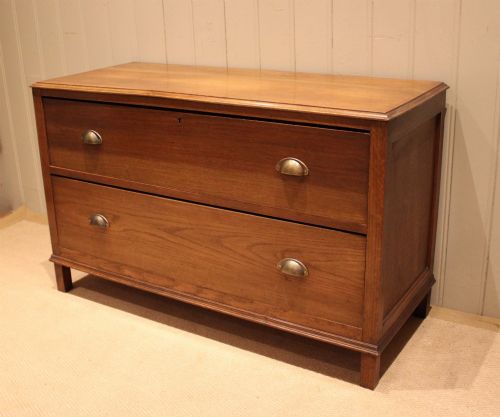
The pieces on this page span several distinct designations including dresser bases, servers, chest of drawers hybrids, and occasional revival interpretations from nineteen hundred. Regional traits distinguish them, from North Wales country pieces to sophisticated George II and George III London-influenced designs.
While some retain tall plate racks, the low dresser proper keeps the top unobstructed for serving or display. These functional boards served generations in farmhouse kitchens and country houses before migrating to contemporary dining rooms and hallways.
Construction and Materials
Makers built these pieces primarily using solid oak, chosen for its strength and abundance in English and Welsh woodlands. Secondary woods appear occasionally in linings, alongside mahogany details on specific regional variations.
Joinery methods rely on traditional pegged mortise and tenon frames, hand-planed panels, and hand-cut dovetails for the drawer construction. Iron and brass hardware, including drop handles and escutcheons, secure the operational fronts and drawers.
Surface finishing evolved through decades of daily use and waxing, yielding deep patination across the scrubbed or polished tops. Cabriole legs, pad feet, or straight stilted supports carry the heavy timber frames.
Retail Price Guide 2026
Typical UK retail prices for low oak dresser, calculated from the Sellingantiques database of over a million retail prices indexed since 2003. This retail price guide relies exclusively on Sellingantiques data; no external sources or auction records are used, so the figures do not describe the wider market.
Generations of kitchen maids polished these oak tops until they mirrored the morning kettle.
Evaluating Quality and Proportion
Proportion dictates the elegance of a low dresser, separating shallow, well-balanced country servers from heavier, utilitarian variants. The crispness of carved details, such as frieze motifs or shaped apron rails, reveals the maker's hand.
Timber selection and surface preservation drive the distinction between standard provincial pieces and exceptional survivals. Original hardware, undisturbed board thickness in the potboards, and untouched patination elevate certain examples.
Waring and Gillows
The Low Oak Dresser Glossary
- Potboard
- A lower open shelf positioned close to the floor, traditionally used for storing pots and pans. This lower tier defines many regional Welsh and English dresser bases.
- Dresser base
- The lower cabinet portion of a dresser without the upper plate rack. These standalone units function effectively as sideboards or servers.
- Cabriole leg
- A curved furniture leg featuring an outward knee and an inward ankle, terminating in a pad or foot. This stylistic element appears on select Georgian examples.
- Pad foot
- A simple rounded foot shape found at the base of cabriole or straight legs on eighteenth century furniture. It distributes weight gently across uneven flagstone floors.
- Patination
- The deep surface sheen and colour acquired by oak over centuries of handling, polishing, and exposure. Collectors prize untouched patination above refinished surfaces.
Frequently Asked Questions
What is a low oak dresser?
A low oak dresser is a heavy timber serving piece featuring a wide top counter and multiple drawers beneath. They were traditionally constructed in rural workshops across Britain for daily domestic use.
Today, these pieces function as sideboards in dining rooms or storage consoles in hallways. Their sturdy oak construction ensures they easily handle modern daily demands.
How do I date an antique oak dresser?
Dating relies on examining construction techniques, timber characteristics, and regional design traits. Hand-cut dovetails, pegged joints, and cabinet proportions offer strong clues to the period of manufacture.
Earlier eighteenth century examples often display distinct regional quirks in their drawer arrangements and hardware placements. Later revival pieces from nineteen hundred imitate these older formats using slightly different machine assistance.
Did all low dressers have pot shelves?
Not all low dressers include a lower shelf; many rely simply on four legs or closed bases beneath the drawer tiers. Those featuring a lower shelf are frequently designated as potboard dressers.
Regional preferences heavily influenced this feature, with Welsh and northern English workshops frequently incorporating the lower platform. It provides additional structural stability alongside extra display space.
How do I care for antique oak furniture?
Antique oak benefits from consistent humidity levels and minimal exposure to direct sunlight or intense heat sources. Feeding the timber with appropriate natural waxes preserves the historic surface.
Avoid chemical polishes that can degrade the historic patination accumulated over centuries. A soft, dry cloth removes dust safely without disturbing the aged grain.