
Wooden Buffet
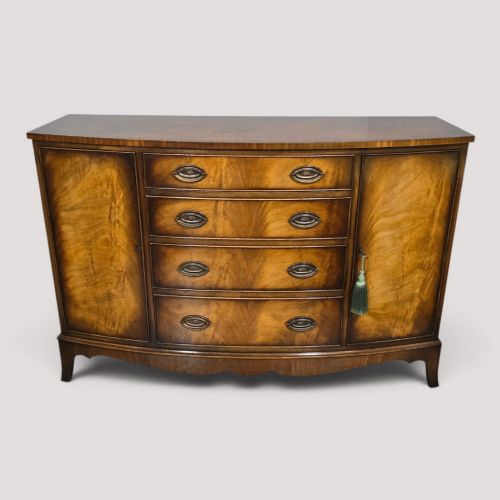
These wooden buffet selections bring generous storage and period character to dining rooms, spanning styles from Georgian mahogany to Art Deco oak.
Wooden Buffet
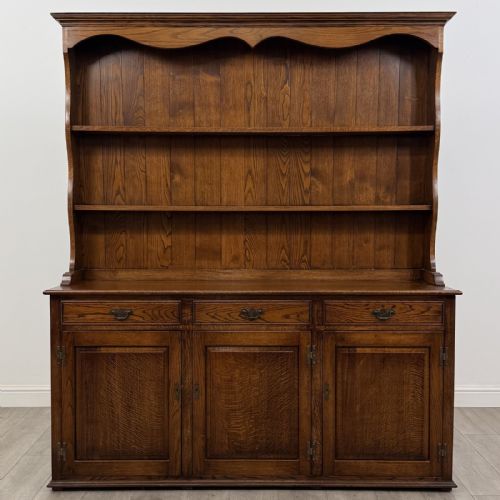
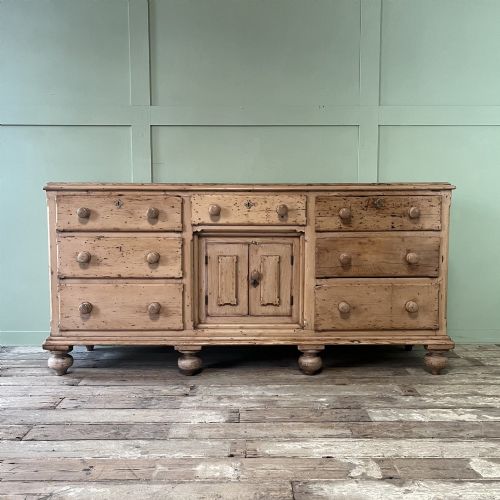
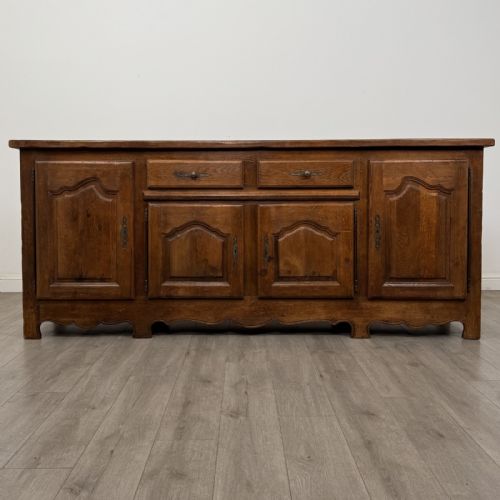
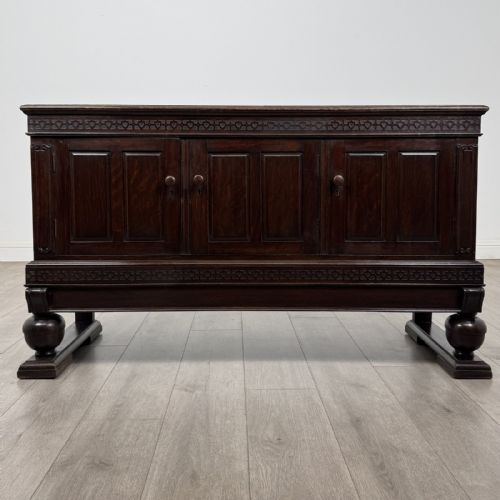
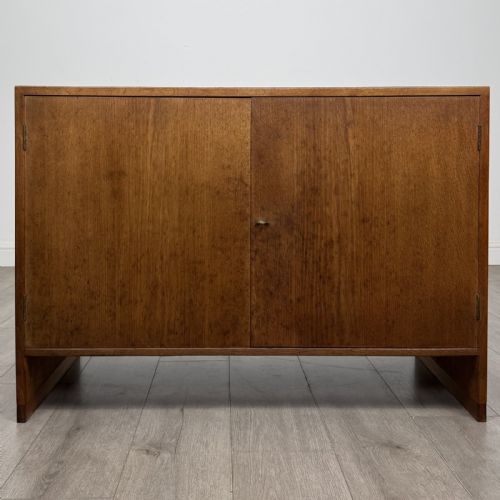
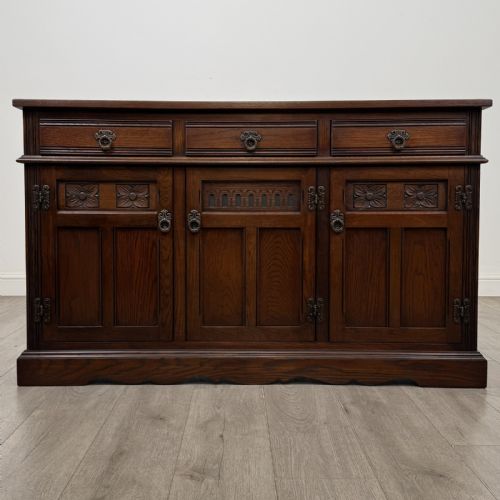
When you search for a wooden buffet, you are looking at substantial storage furniture historically used for serving food and displaying dining ware. The selections here include sideboards, credenzas, cupboards, and dresser bases spanning several centuries.
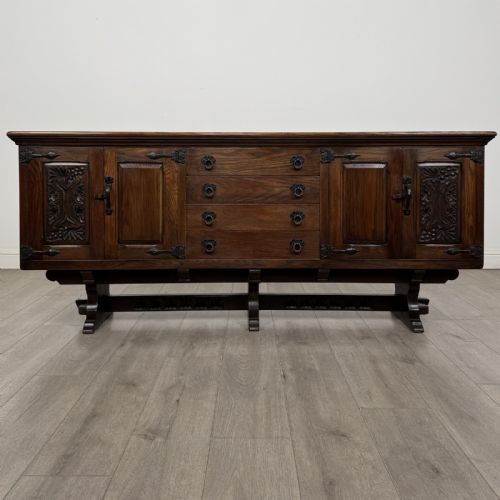
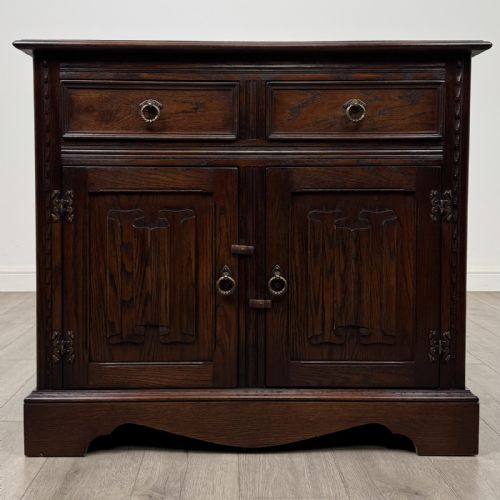
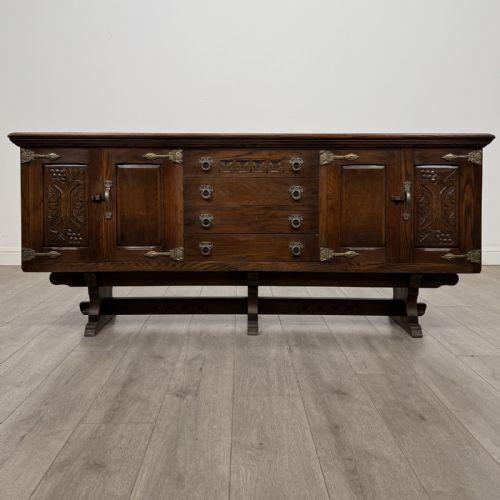
The version you are most likely to meet on this page is an oak or mahogany piece from the nineteenth century or the early twentieth century. These incorporate practical configurations such as multiple doors, drawers, and shelved interiors.
Originating from British, Swedish, Italian, and French workshops, these pieces cross multiple design movements including Victorian, Edwardian, George III, and Art Deco. Each form brings specific proportions and timber selections suited to traditional or modern interiors.
Materials and construction methods
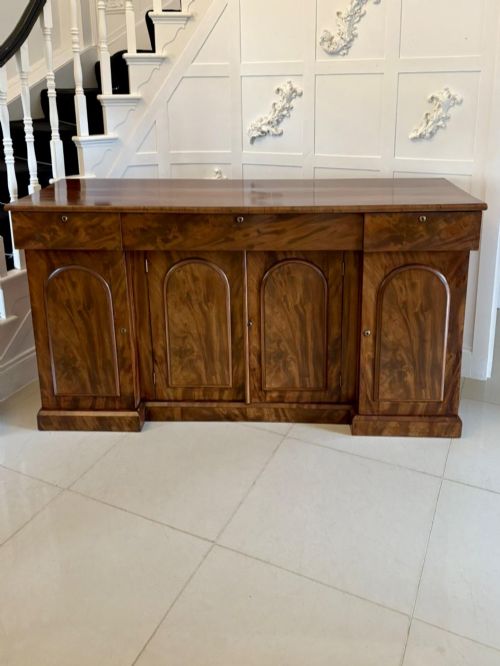
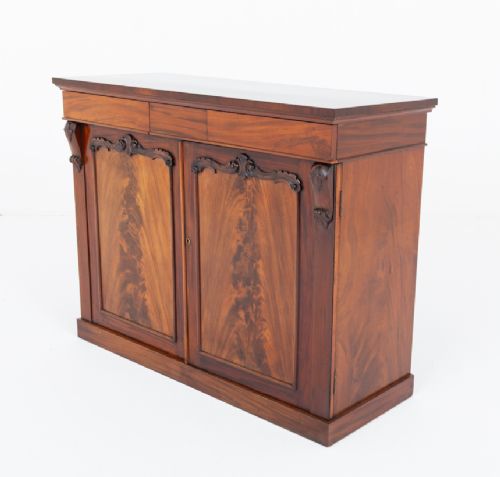
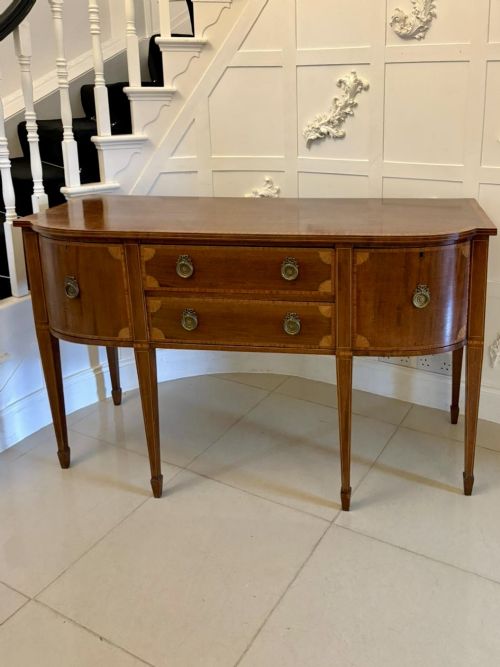
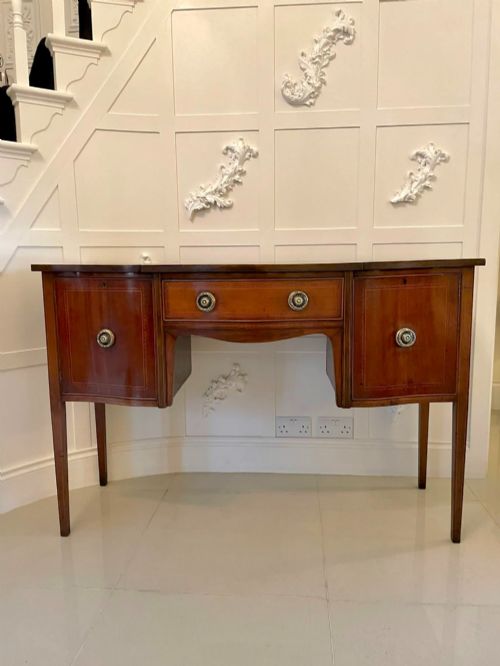
Makers utilised dense hardwoods such as mahogany, oak, walnut, and satinwood, frequently applying flame mahogany veneer, burr walnut, or amboyna to primary display surfaces. Pine and other softer timbers appear in farmhouse dresser bases and interior carcases.
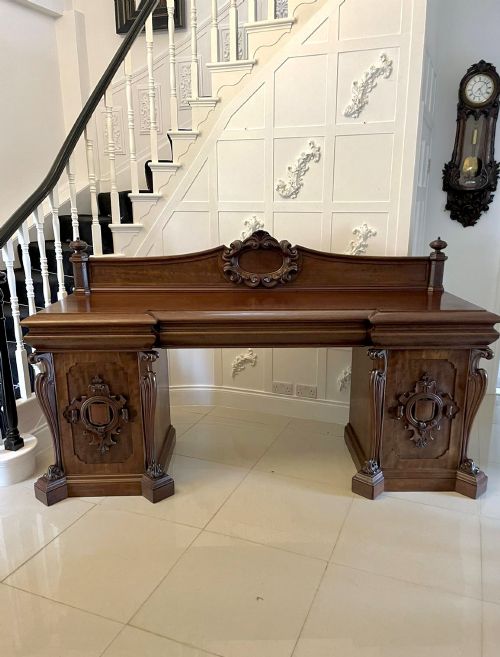
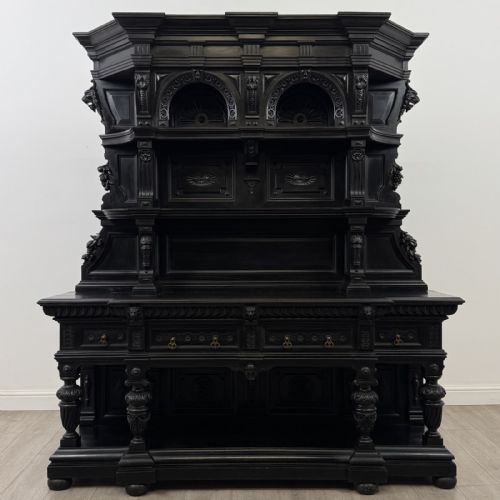
Construction techniques include hand-carved detailing, lion mask carvings, linenfold panelling, and inlaid crossbanding with contrasting timbers. Hardware ranges from brass handles to decorative brass detailing.
Surface finishes rely on traditional polish and oil applications that highlight the natural grain of the timber. Marble tops feature on specific Victorian credenzas and sideboards, adding a contrasting cool surface to the warm wood tones.
One listed buffet even arrives with its original twelve-piece cutlery set intact inside.
Distinctions in quality
The upper tier of these pieces demonstrates superior timber selection, such as highly figured mahogany, matched burr walnut veneers, and intricate satinwood crossbanding. Simpler constructions utilise plain oak or pine with minimal detailing.
Execution of decorative elements separates standard production from exceptional work. Hand-carved reliefs, complex serpentine or bowed front shapes, and integrated mirror backs reflect higher workshop capability than basic rectilinear forms.
Structural integrity depends on the original joinery of the carcase, drawer linings, and stretcher bases. Pieces retaining original brass handles and fitted internal shelving command greater interest among collectors.
Charles Dudouyt
The Wooden Buffet Glossary
- Sideboard
- A long piece of furniture used for storing table linen, cutlery, and serving dishes. These frequently feature combinations of cupboards and drawers.
- Credenza
- A sideboard or cabinet originally lacking legs, often featuring glass or panelled doors. Victorian examples commonly incorporate mirrored backs and marble tops.
- Crossbanding
- A strip of veneer applied to the border of a panel, with the grain running perpendicular to the main surface. This technique creates a neat framing effect on mahogany and satinwood furniture.
- Dresser Base
- A lower storage unit with drawers and cupboards, traditionally used in farmhouse and country kitchens. These lack the upper plate rack of a full dresser.
- Serpentine
- A gently curved front shape undulating outward in the centre and inward at the sides. It demands precise woodworking skills to execute properly.
Wooden Buffet: Frequently Asked Questions
What is a wooden buffet used for?
These items serve primarily as dining room storage for tableware, linen, and cutlery while providing a surface for serving food during meals.
In contemporary homes, they function equally well as media consoles or statement storage pieces in hallways and living spaces.
How do I identify a Georgian sideboard?
Georgian pieces, dating from the eighteenth and early nineteenth centuries, typically feature solid mahogany or figured mahogany veneers with subtle inlay work.
Look for elegant proportions, tapered legs or bracket feet, and classical architectural details rather than heavy Victorian carving.
What distinguishes a credenza from a sideboard?
Credenzas historically sat lower to the floor and often included sliding or hinged doors enclosing central compartments. Victorian iterations frequently paired them with elaborate mirror backs and marble tops.
Sideboards generally stand on taller legs or plinth bases with a more pronounced division between drawers and lower cupboards.
How do I care for antique wood furniture?
Maintain the finish by keeping pieces away from direct heat sources and strong sunlight, which can dry out timber and crack veneers.
Apply quality beeswax periodically and buff gently with a soft cloth to preserve the lustre of mahogany, oak, and walnut.