
Carved Furniture Handles
Carved furniture handles elevate plain drawers, turning utilitarian storage into distinct period pieces.
Carved Furniture Handles
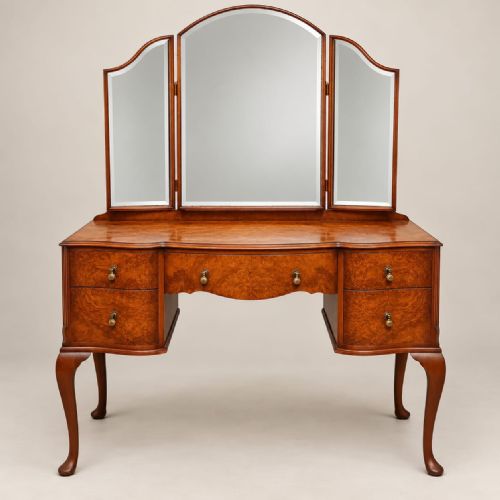
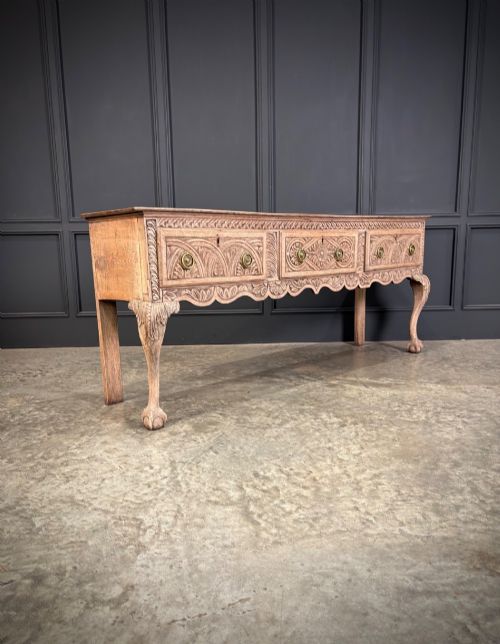
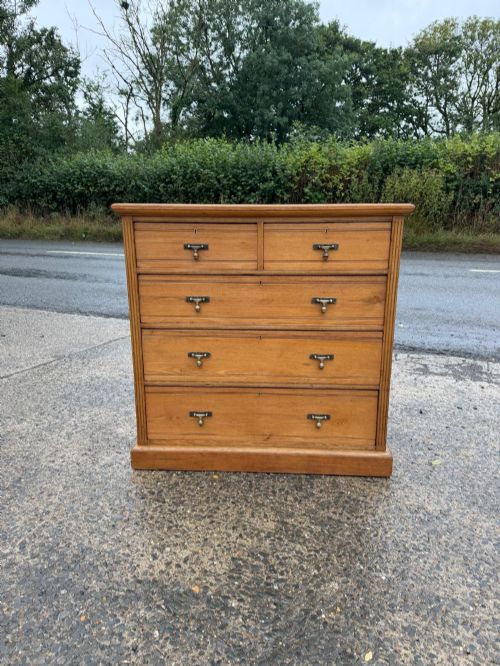
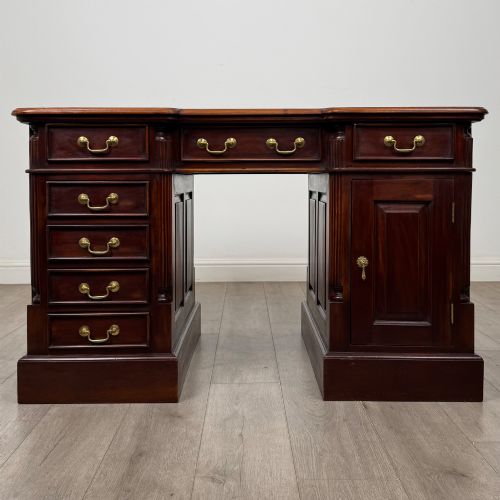
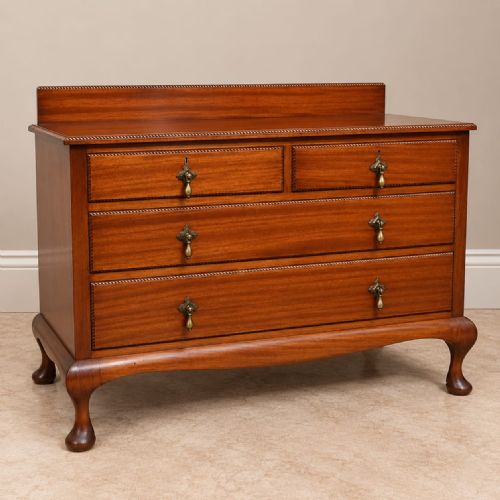
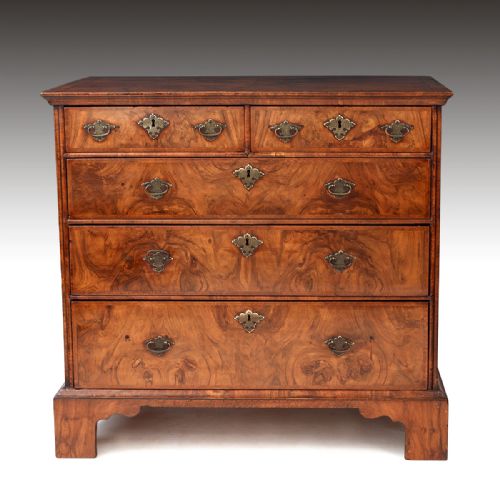
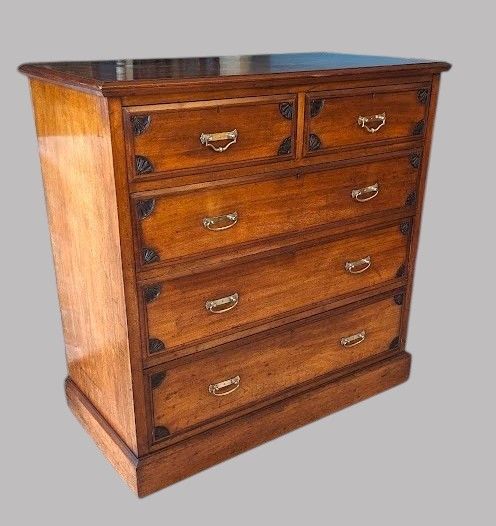
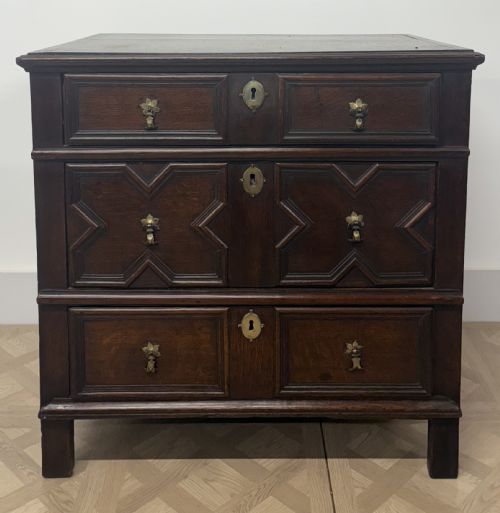
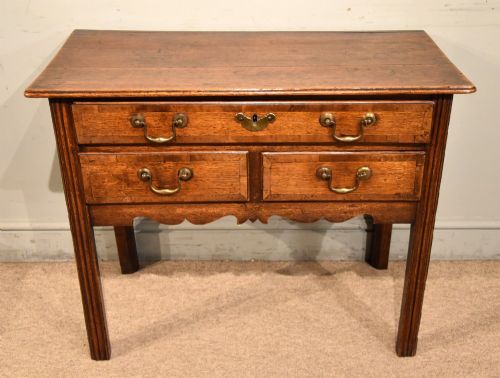
Carved furniture handles are decorative fixtures mounted to drawer fronts and doors across various historical periods. The pieces appearing in these listings span several centuries, mostly attached to larger items like chests of drawers, side tables, and mules.
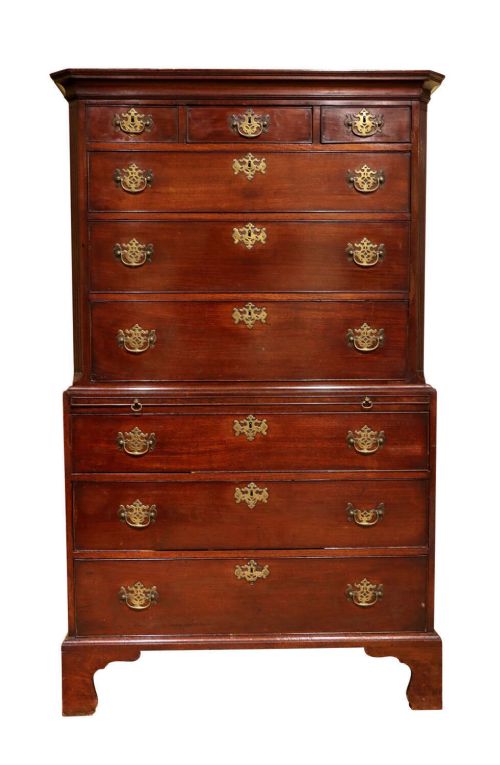
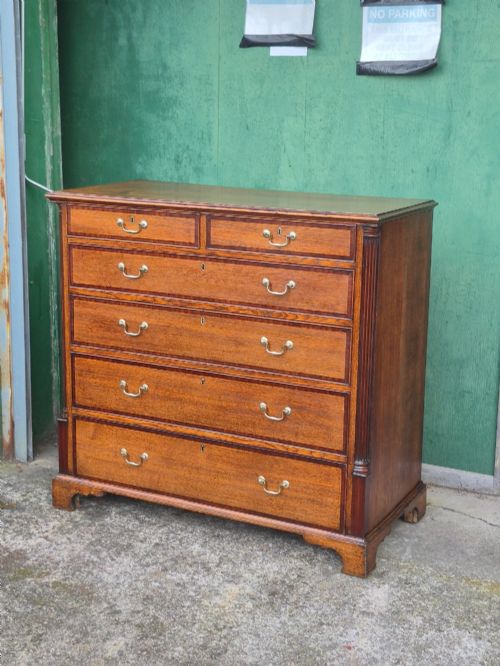
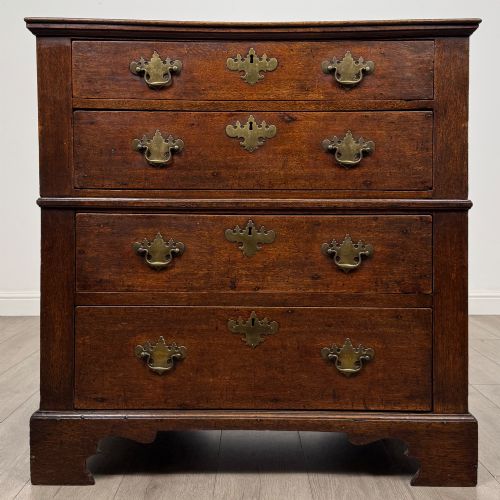
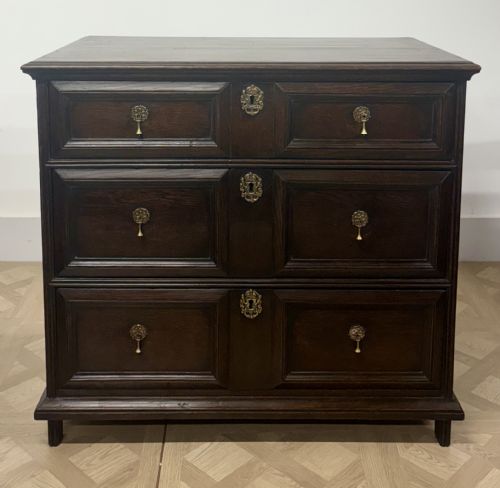
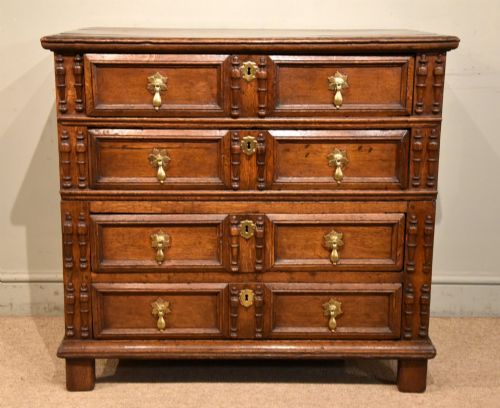
The version most commonly encountered on this page sits upon Georgian and 18th-century oak or mahogany case furniture. These handles reflect the prevailing aesthetic of their manufacture, moving from geometric mouldings through to refined bracketed brasses and carved wooden pulls.
Buyers examining these items often look for original fixtures that match the timber and period of the host furniture. While many listings show chests and sideboards complete with their mounts, the focus remains on the integration of handle and drawer.
Materials and Methods
Makers utilised dense native and exotic timbers such as oak, mahogany, walnut, and burr elm for carved elements. These woods were selected for their grain pattern and ability to hold crisp detail under hand-carving tools.
Metal fixtures like brass underwent casting and piercing techniques to create decorative backplates. Bronze also appears, providing a robust base for detailed surface work.
Cabinet makers joined these components to drawer fronts using threaded posts or pins, ensuring secure attachment through decades of daily use.
Some cabinet makers hid secret compartments behind decorative mouldings, rewarding anyone who looked too closely at the drawers.
Defining Quality
The standard of a carved element rests upon the sharpness of the chisel work and the depth of the relief. Crisp lines and balanced symmetry distinguish skilled work from softer, more rounded production.
Integration with the supporting timber determines overall success. A high-grade piece demonstrates thoughtful placement where the grain follows the contour of the carving without splitting.
The Carved Furniture Handles Glossary
- Lowboy
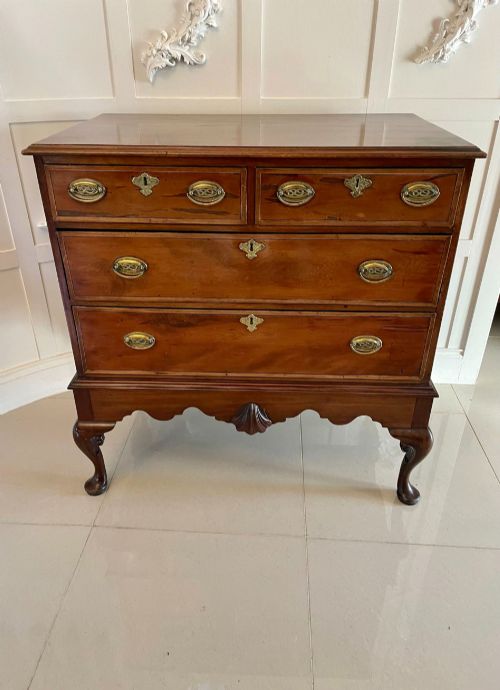
- A small side table with drawers, typically raised on four tall legs and dating from the 18th century.
- Tallboy
- A tall chest of drawers made by stacking one chest upon another, popular during the Georgian period.
- Mule chest
- A traditional storage chest featuring one or two drawers at the base beneath the main compartment.
- Commode
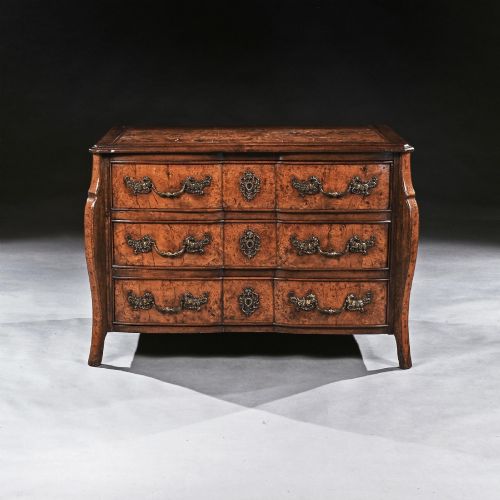
- A low cabinet or chest of drawers, often referencing continental European designs from the 18th century.
Carved Furniture Handles: Frequently Asked Questions
How do I date a furniture handle?
Dating relies on examining the casting methods for metal or the tool marks left on wood. Earlier periods display hand-filed edges or irregular chisel facets.
Matching the fixing mechanism to the age of the drawer timber provides further confirmation of authenticity.
Are original handles important?
Original mounts preserve the historical integrity and visual balance of a piece. Replacements often leave filled holes behind the backplate.
Collectors generally prefer retained hardware where the wear matches the surrounding wood.
What timber was used most?
Oak dominates the earlier 17th-century pieces, offering durability and a pronounced grain. Mahogany and walnut appear more frequently from the Georgian period onward.
Exotic veneers like burr elm and satinwood were reserved for higher-status items.
How should I clean antique brass handles?
Light dusting and occasional application of microcrystalline wax protect the surface without removing the aged patina. Harsh metal polishes strip the historic oxidation.
Keeping the metal dry prevents corrosion around the timber fixings.