
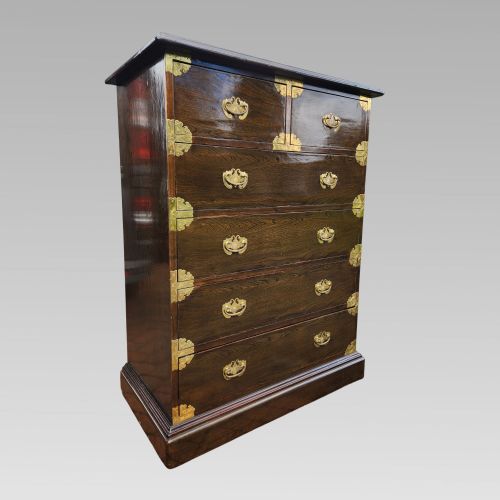


Antique Hardware Cabinet
These antique hardware cabinet pieces offer solid storage and period craftsmanship across international traditions.
Antique Hardware Cabinet
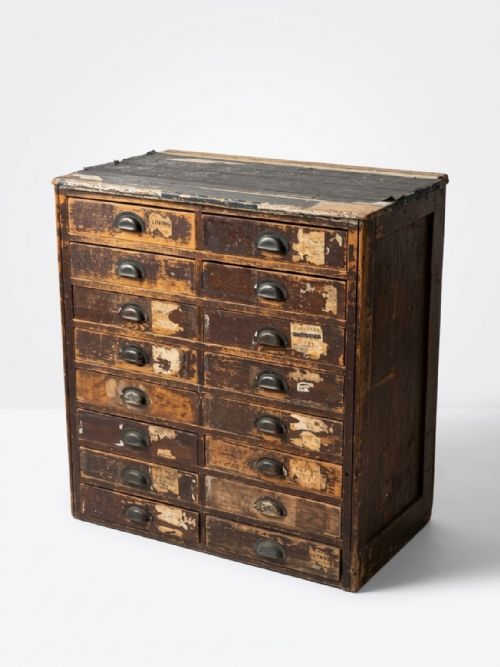
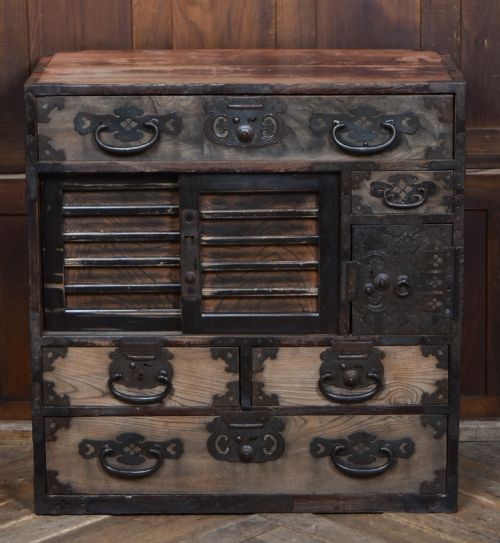
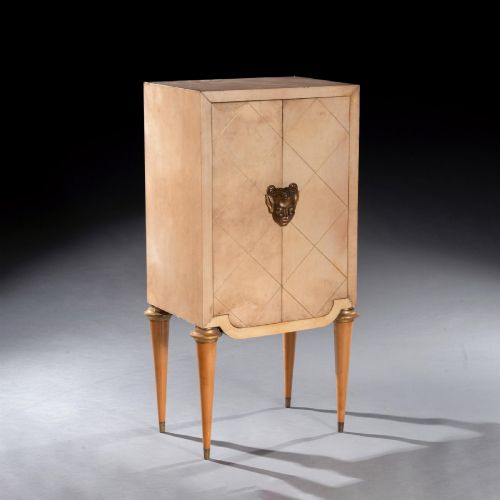
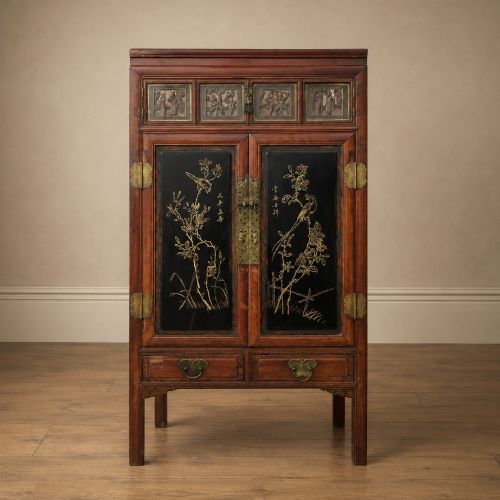
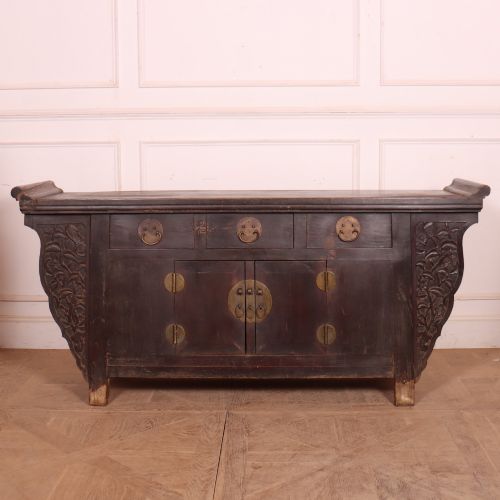
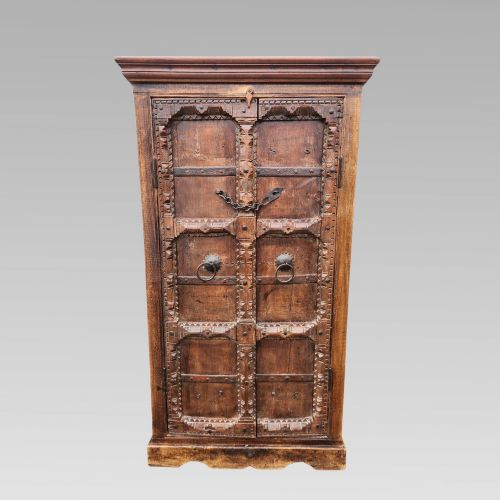
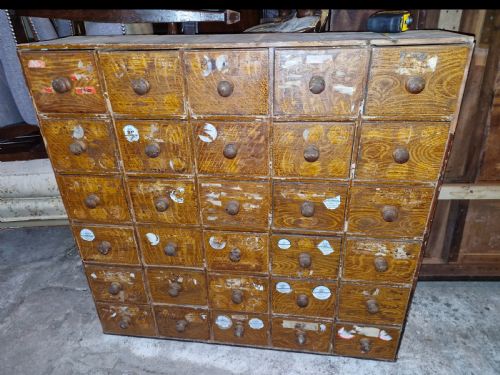
When you search for an antique hardware cabinet, you encounter diverse forms ranging from Japanese tansu chests and Chinese sideboards to banks of Victorian drawers and French ironmongers storage. These pieces span the nineteenth and early twentieth centuries, bringing functional storage and distinct regional character into modern spaces.
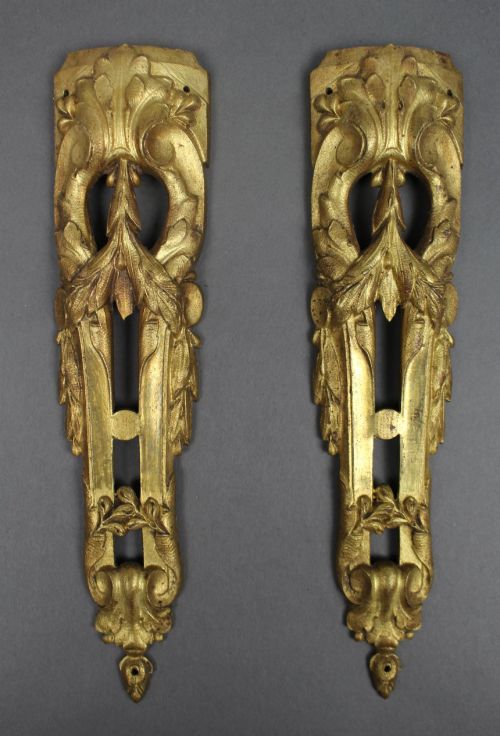
The selection on this page relies heavily on nineteenth-century examples, with Japanese tansu chests, Korean cabinets, and Chinese lacquer or elm pieces appearing alongside Victorian British and French hardware. Buyers find everything from large storage chests and sideboards down to small furniture mounts, hinges, and handles.
Materials and construction
Makers utilised traditional timbers such as elm, pine, cedar, chestnut, burr elm, and reclaimed teak to build the carcass and drawers of these cabinets and chests. These woods provided the structural integrity needed for daily storage while offering varied grain patterns.
Metal components like brass, iron, gilt bronze, and bronze formed the structural and decorative hardware, including drop handles, finial hinges, and decorative mounts. Lacquer finishes in red and black further protected and decorated many of the Asian pieces.
Listings feature pieces from the 19th century, Victorian era, and early 20th century, utilising brass, elm, iron, pine, and cedar.
Assessing quality
Quality depends upon the integrity of the original construction and the preservation of the timber and metal hardware. Pieces retaining their original brass or bronze mounts, handles, and hinges command greater interest.
The skill involved in cabinetry, from the joinery of a tansu chest to the application of lacquer finishes, determines the standing of an individual piece within its period.
The Antique Hardware Cabinet Glossary
- Tansu
- A traditional Japanese mobile storage chest built with integrated iron or brass hardware. These pieces often feature multiple drawers and sliding panels.
- Lacquer
- A durable resin finish applied to wooden surfaces in layers, frequently seen in red and black on Chinese cabinets. It provides a glossy, protective coat.
- Hardware
- Metal fittings attached to furniture, including handles, hinges, mounts, and galleries. They serve both functional and decorative purposes.
- Burr Elm
- A figured wood grain resulting from a tree growth deformity, utilised on cabinet fronts for decorative effect. It creates swirling patterns across the surface.
Antique Hardware Cabinet: Frequently Asked Questions
What is a tansu chest?
A tansu chest is a traditional Japanese mobile storage unit designed for domestic organisation.
These pieces typically feature substantial metal hardware such as corner brackets and drop handles.
How were Chinese cabinets finished?
Many Chinese cabinets utilised red and black lacquer finishes over wooden frames.
This technique added a hard-wearing surface layer while providing rich colour and visual depth.
What woods are used?
Makers constructed these cabinets from regional timbers including elm, pine, cedar, chestnut, and burr elm.
Reclaimed teak also appears on specific storage cupboards from the turn of the century.
How do I date these pieces?
Dating relies on stylistic indicators, construction methods, and materials associated with nineteenth-century and early twentieth-century production.
Hardware styles such as Victorian brass hinges or Louis XVI style mounts also help establish the period.