


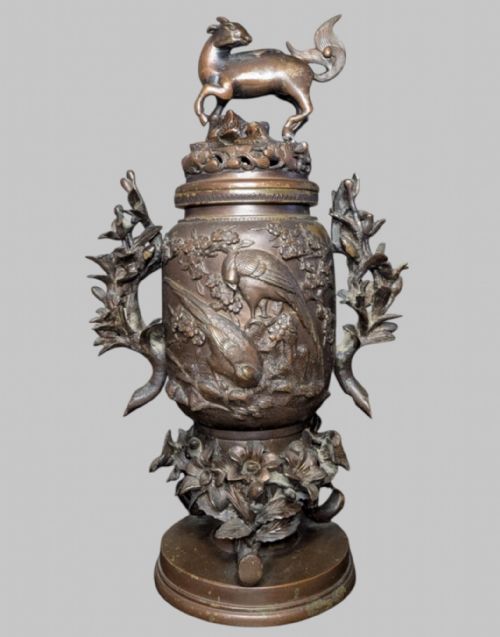


Cast Bronze Handles
Cast bronze handles bring weight and tactile character to doors and domestic objects, spanning centuries of metalwork traditions.
Cast Bronze Handles
Cast bronze handles appear across diverse historic periods, from seventeenth-century hardware to nineteenth-century domestic fittings.
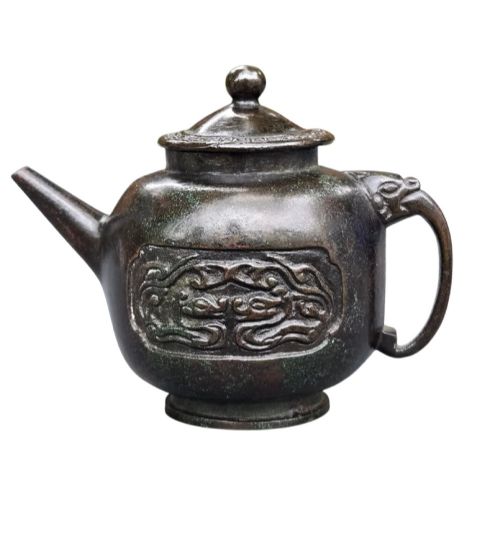
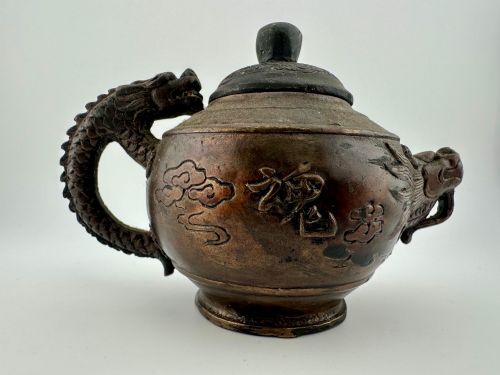
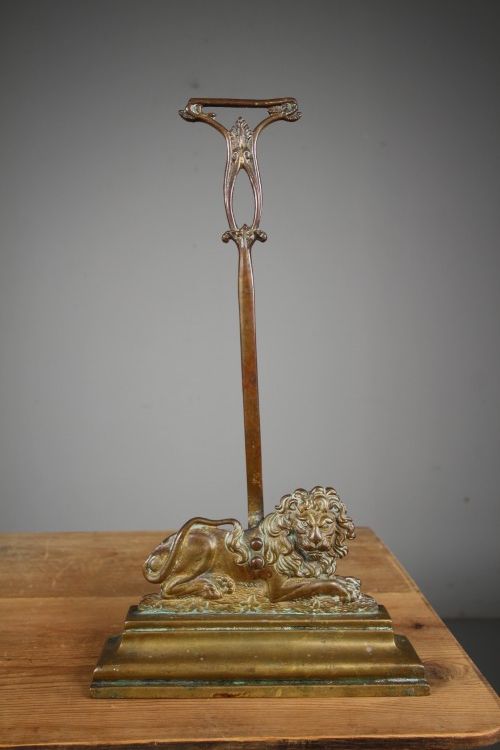
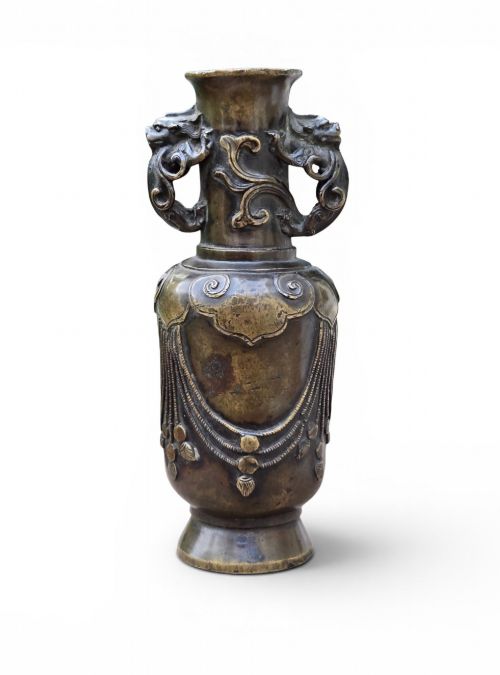
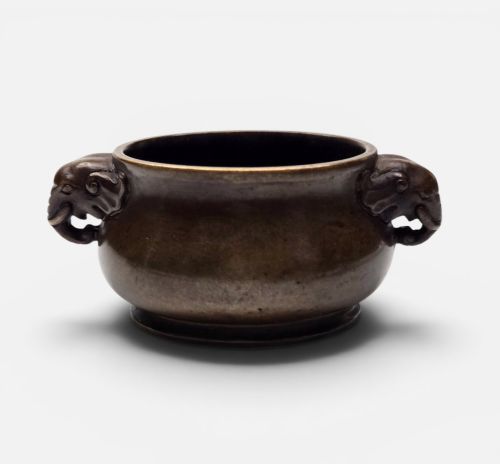
The selections on this page incorporate functional door furniture alongside vessels featuring integrated figural and architectural grips.
Examples draw upon English vernacular pieces, European neoclassical designs, and East Asian bronze casting traditions.
Material and Method
Pieces rely upon traditional casting methods in bronze, copper alloy, and occasionally cast iron or brass.
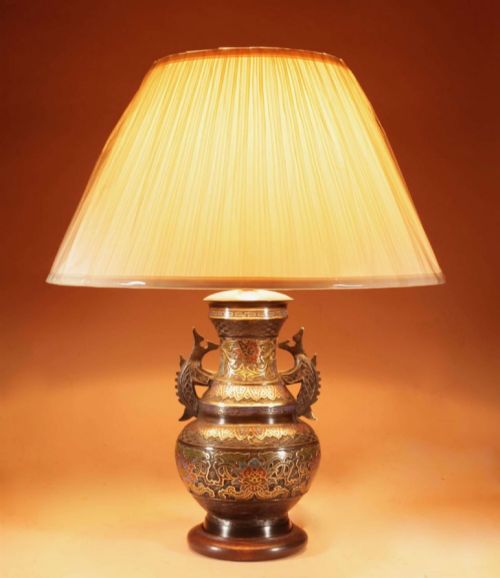
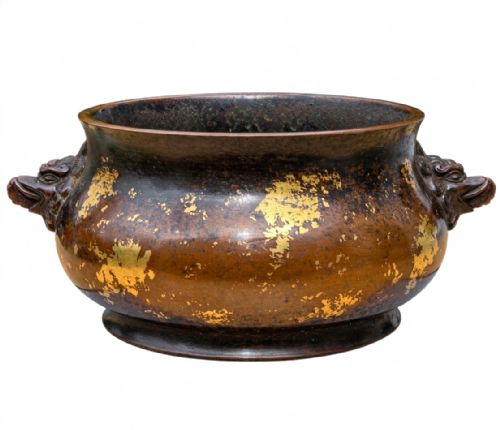
Surface treatments involve manual chasing, gilt-splashing, and champlevé enamel inlay to enrich the metallic ground.
Standard and Execution
Quality rests upon the crispness of the casting and the depth of detail preserved in high-relief elements like masks and figures.
Substantial weight and a resonant bell-like tone indicate careful alloy composition and thick-walled construction.
Kibundo
The Cast Bronze Handles Glossary
- Bronze
- An alloy primarily of copper and tin, valued for durability and warm patination. It develops a rich surface character over decades of handling.
- Champlevé
- An enamelling technique where troughs are dug into the metal surface and filled with vitreous paste before firing. This adds vibrant colour to the metallic ground.
- Archaistic
- A style that consciously imitates the forms, motifs, and patination of ancient ritual bronzes. Craftsmen utilise this aesthetic to evoke profound antiquity.
- Patina
- The surface layer formed on metal through age, oxidation, and handling. Collectors prize a stable, undisturbed skin for its historical honesty.
Cast Bronze Handles: Frequently Asked Questions
What periods do these handles represent?
The inventory spans seventeenth-century survivals through nineteenth-century Victorian and Meiji period examples.
Items reflect both European hardware traditions and East Asian decorative metalwork.
How are cast bronze handles mounted?
Door furniture typically includes matching backplates or screw apertures designed for direct surface attachment.
Heavier examples require secure anchoring to support their substantial metallic weight.
How do I maintain the surface patina?
Preserve the original finish by avoiding harsh chemical cleaners and abrasive polishing compounds.
Gentle dusting with a dry cloth keeps the surface secure without stripping historic oxidation.
Are these items purely functional?
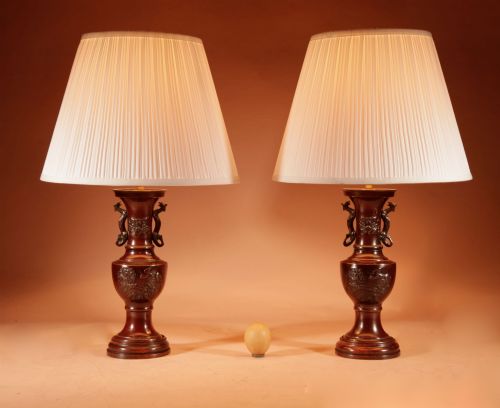
While utilitarian door fittings served daily domestic entryways, many pieces function as decorative grips on ewers, vases, and urns.
Sculptural handles often depict mythological figures, beasts, or traditional architectural motifs.