




Antique Chest Pulls
Antique chest pulls provide the tactile connection to centuries of fine cabinet-making, appearing across drawers, filing cabinets, and haberdashery units.
Antique Chest Pulls
When you search for antique chest pulls, you encounter hardware and fitted furniture from the eighteenth, nineteenth, and twentieth centuries. These pieces encompass everything from standalone drop handles to the robust brass and shell pulls integrated into banks of drawers and filing cabinets.
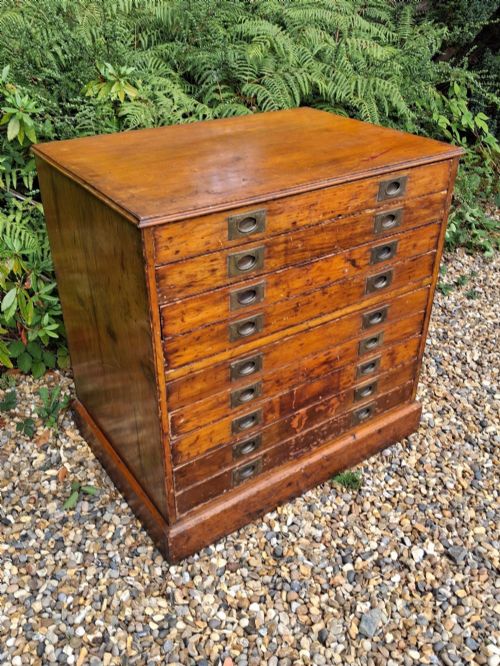
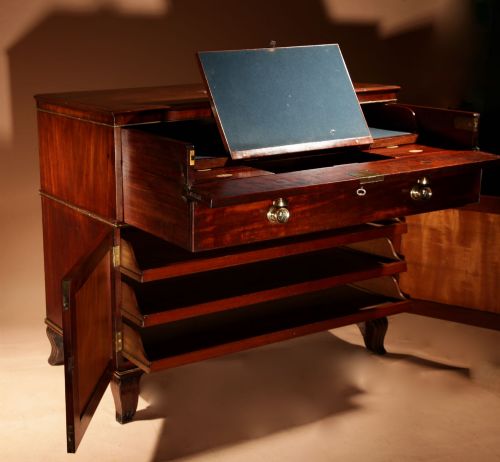
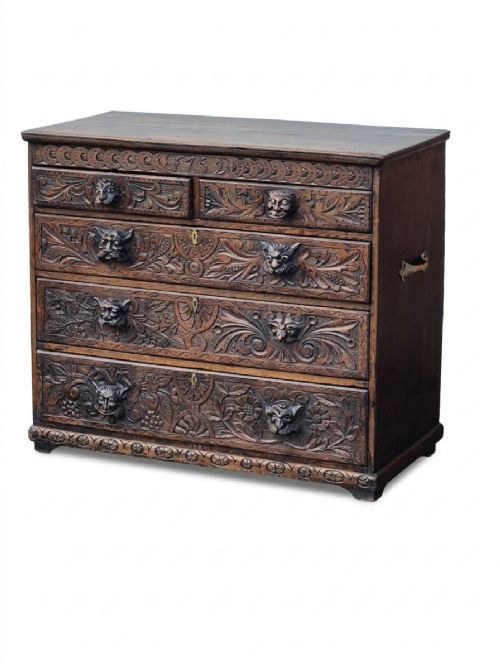
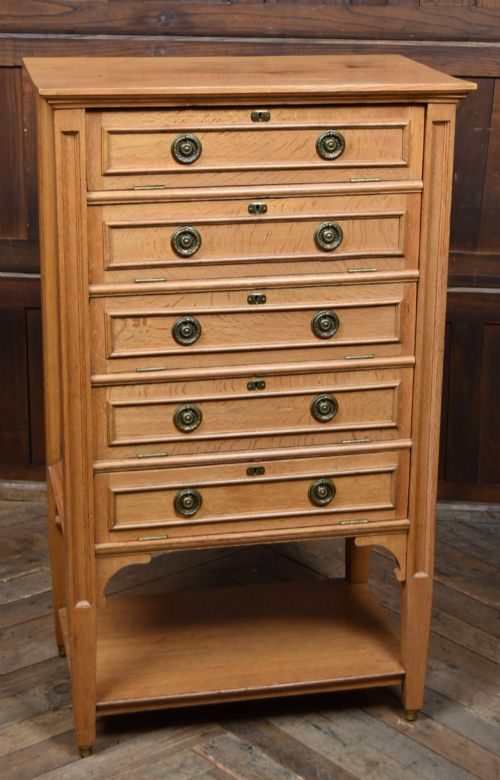
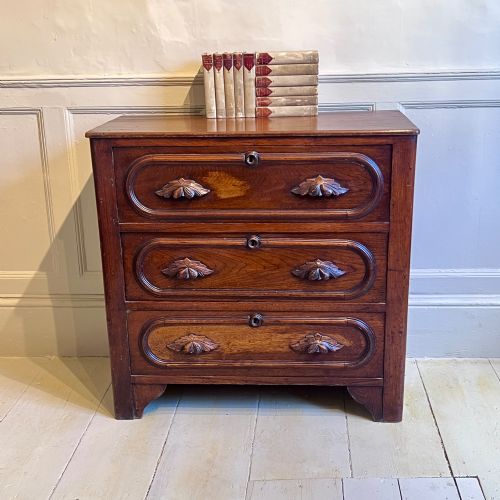
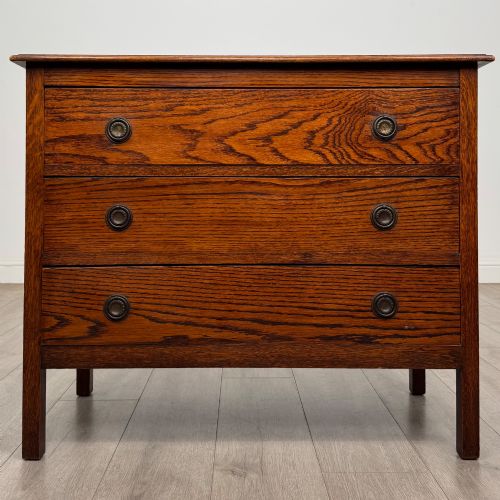
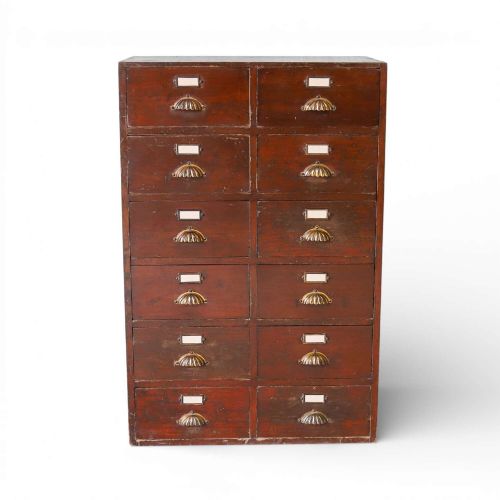
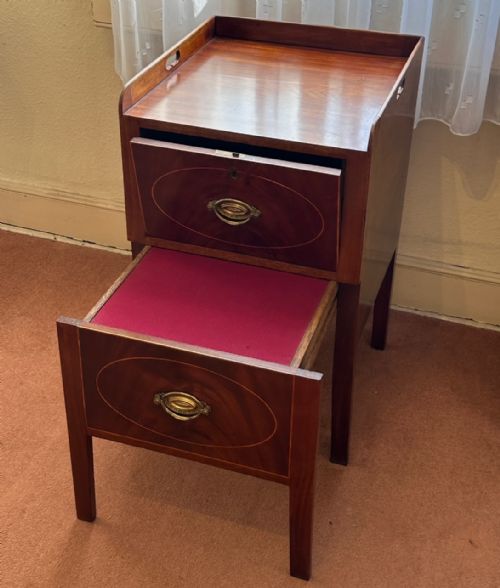
The versions most commonly met on this page range from Victorian and Edwardian examples to earlier Georgian and Regency pieces. They appear on varied forms, including oak commodes, mahogany secretaire desks, and black and gold shop cabinets.
Collectors examine these items to understand period specific design choices, noting how hardware complements woods like oak, mahogany, and painted finishes. Each piece demonstrates the functional requirements of domestic and commercial storage across different eras.
Materials and construction
Metal hardware relies on cast bronze and brass, shaped into drop handles and shell pulls designed for frequent use. These metals develop natural patinas over decades of handling.
Timber forms the backbone of the associated furniture, utilising solid oak and mahogany alongside painted wood surfaces. Joinery methods reflect the specific demands of chests, filing cabinets, and library secretaires.
Listings feature periods from the eighteenth century to the nineteen thirties, utilising brass, bronze, oak, mahogany, and painted wood.
Assessing quality and finish
The distinction between standard utility items and finer examples rests on the crispness of the casting in bronze or brass hardware. Superior pieces retain sharp detail in ornamentation like Green Man grotesque motifs.
Cabinet construction reveals quality through the selection of timbers such as figured mahogany or quarter-sawn oak. Original elements, including label holders and shell pulls, elevate the integrity of the piece.
William Trotter
The Antique Chest Pulls Glossary
- Drop handle
- A swinging handle suspended from fixed backplates. This form remains common on Victorian furniture and drawer fronts.
- Shell pull
- A recessed or semi-cylindrical handle shaped like a seashell. These appear frequently on Edwardian and early twentieth century bank of drawers units.
- Commode
- A low chest of drawers or cabinet. Eighteenth and nineteenth century examples often feature decorative pulls and refined timber construction.
- Secretaire
- A desk disguised as a chest of drawers or cabinet. It incorporates a pull-out writing flap alongside standard drawer storage.
Antique Chest Pulls: Frequently Asked Questions
What periods do these pieces span?
The selection covers items from the eighteenth century through the Edwardian era and into the nineteen thirties. This range includes Georgian, Regency, and Victorian examples.
Each period brings distinct material choices and hardware designs to the furniture and fittings.
What woods are commonly found?
Oak and mahogany dominate the timber construction of these chests and cabinets. Painted wood finishes also appear on specialised shop furniture.
These materials are paired with brass and bronze hardware to complete each piece.
How were bank of drawers used?
Bank of drawers and haberdashery units served commercial and administrative functions in shops and offices. They required robust hardware like shell pulls and label holders for organisation.
Today these utilitarian pieces function well in domestic settings for organised storage.
What is a library secretaire chest?
A library secretaire chest combines standard drawer storage with a fitted writing compartment. The design provides a concealed writing surface within a traditional chest format.
Such pieces often showcase high quality mahogany and specialist cabinet-making.