



Vintage Drop Handles
These vintage drop handles give period drawers and cabinets the functional hardware that defines their traditional aesthetic.
Vintage Drop Handles
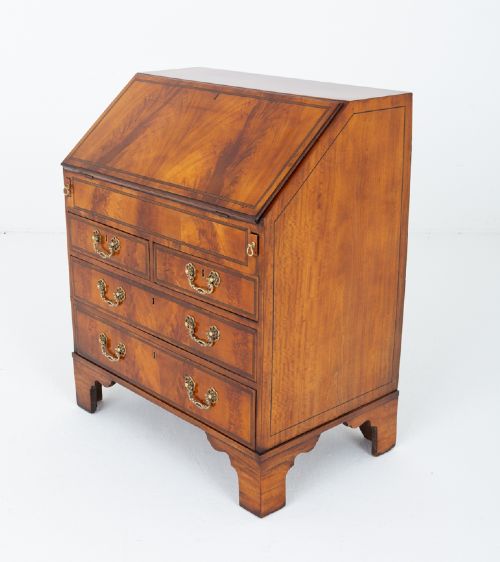
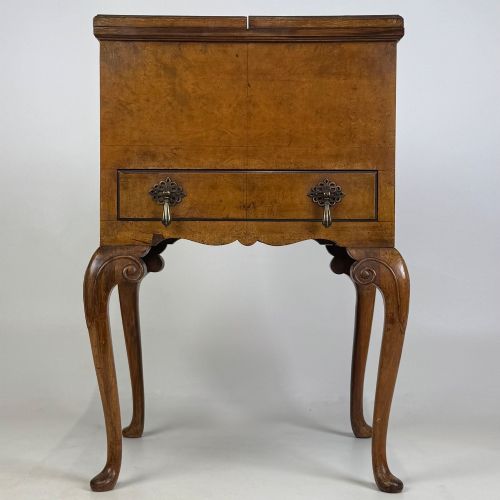
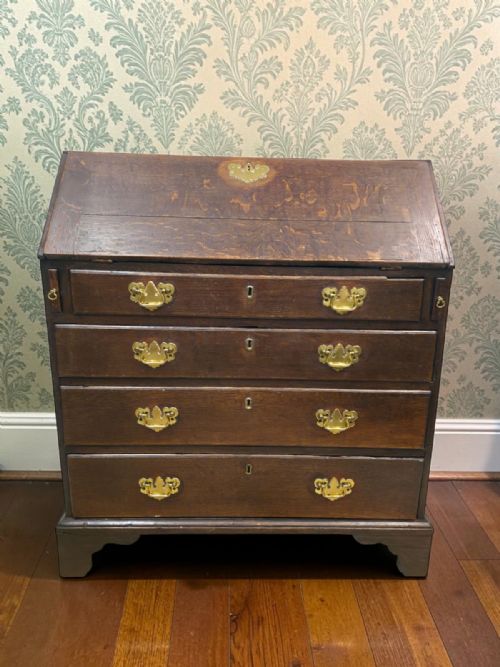
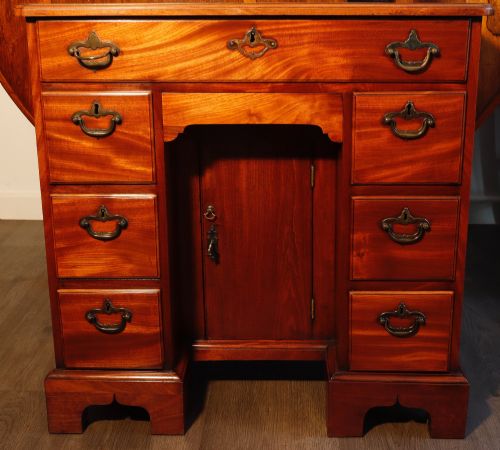
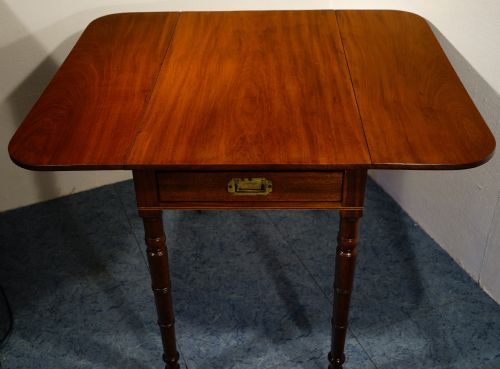
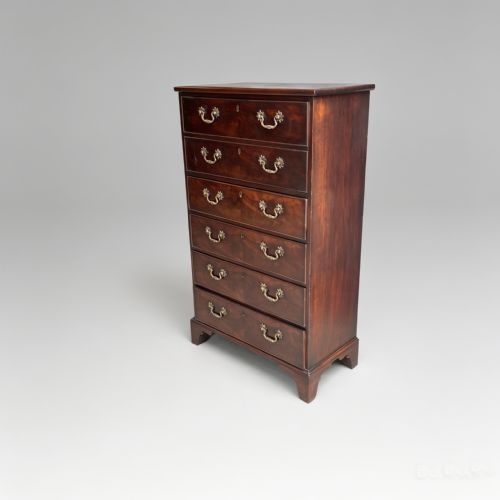
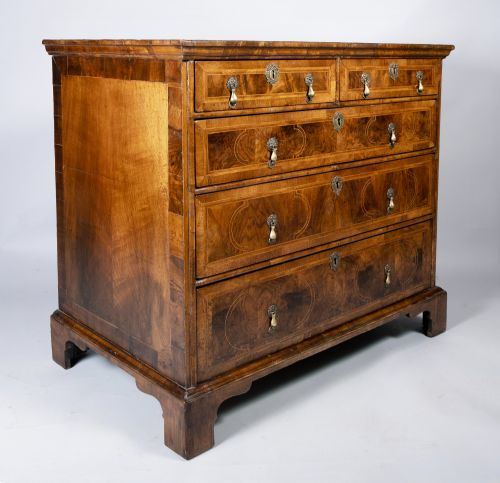
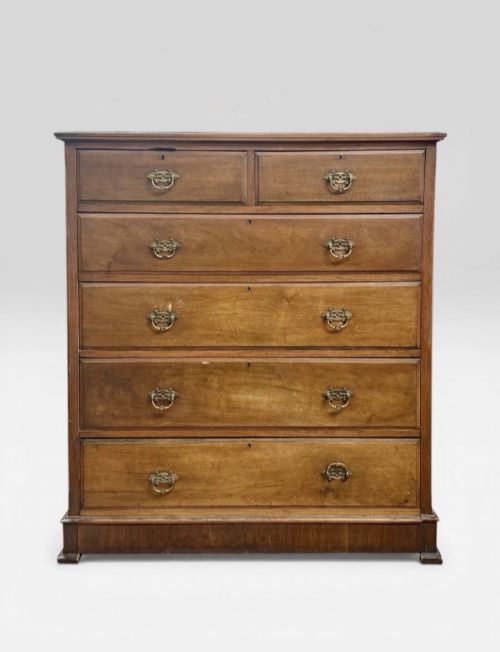
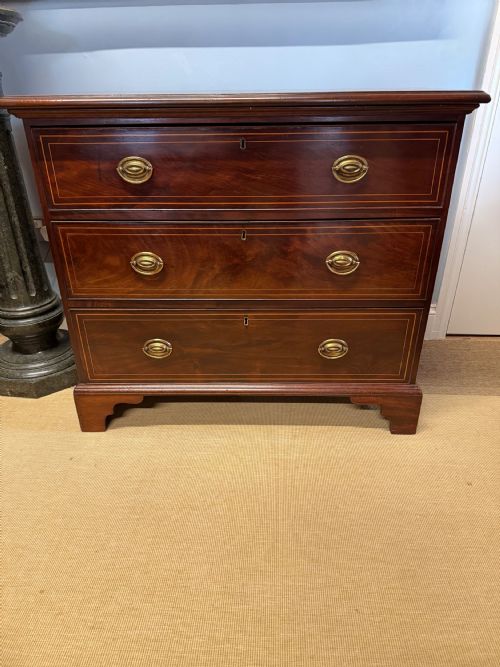
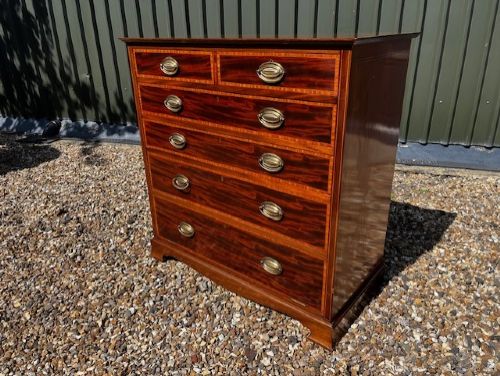
Vintage drop handles appear on storage furniture ranging from 17th-century oak chests to Edwardian burr walnut cabinets, appearing alongside writing bureaus, side tables, and Pembroke tables. Buyers encounter these fittings mounted directly onto drawer fronts of mahogany, walnut, oak, and cedar.
The selections span distinct historical periods including Georgian, Regency, and Victorian eras, alongside Revival styles such as Jacobean and Queen Anne. Most examples connect closely to case furniture like chests of drawers and writing desks.
Drop handles serve as the operational grip for pulling open heavy timber drawers. Their presence completes the hardware scheme of period case furniture.
How they were made
Metal components such as brass and bronze provide the primary substance for the handles themselves. Artisans cast or forge these metals to form the drop pendant and its supporting backplate.
Furniture makers paired these metal drops with dense cabinet timbers including oak, mahogany, walnut, and satinwood. The hardware fastens through the wooden drawer fronts using pins or screws.
Bronze drop handles wait patiently for hands that vanished centuries ago.
What varies in quality
The refinement of the metal casting dictates the crispness of detail on the backplates and pendant grips. Heavier gauge metal indicates substantial construction that withstands regular use.
Integration with the surrounding woodwork reveals the care taken during assembly. Well-fitted backplates sit flush against the timber grain without damaging the surrounding surface.
The Vintage Drop Handles Glossary
- Drop handle
- A style of furniture pull featuring a hinged pendant that hangs down from a fixed backplate. This form appears across 17th-century, Georgian, and Victorian case pieces.
- Backplate
- The decorative metal plate affixed to the drawer front behind the drop pendant. It distributes pressure and protects the wood surface from wear.
- Chest of drawers
- A primary item of case furniture designed with multiple horizontal storage drawers. These pieces frequently utilise drop handles on their facades.
- Bureau
- A slope-front writing desk often fitted with internal drawers and pigeonholes. Many examples incorporate drop hardware on their exterior drawers.
- Pembroke table
- A small drop-leaf table featuring hinged flaps on either side and occasionally a single drawer. They appear in mahogany and satinwood across Georgian and later periods.
Vintage Drop Handles: Frequently Asked Questions
What furniture uses drop handles?
These handles appear predominantly on case furniture designed for storage and writing. Chests of drawers, writing bureaus, and cabinets utilise them on their opening drawers.
Pronounced grain timbers like oak, mahogany, and walnut frequently carry these metal pulls across multiple historical periods.
How do I date drop handles?
Dating relies on the metallurgical composition, the shape of the backplate, and the style of the furniture it accompanies. Earlier 17th-century and Georgian pieces display distinct casting profiles compared to Victorian or Edwardian examples.
Examining the fixing method behind the drawer front also helps establish the period of manufacture.
Are these handles made of brass?
Many period drop handles utilise brass as their primary metal. Bronze also appears on specific Victorian items.
These metals provide durability while developing patinas over decades of handling.
Can I fit them to modern furniture?
Fitting period handles to contemporary pieces requires matching the distance between fixing posts. Timber thickness on modern drawers must support the weight and mounting style of vintage hardware.
Careful measurement ensures the drop pendant hangs correctly against the new surface.