




Victorian Furniture Hardware
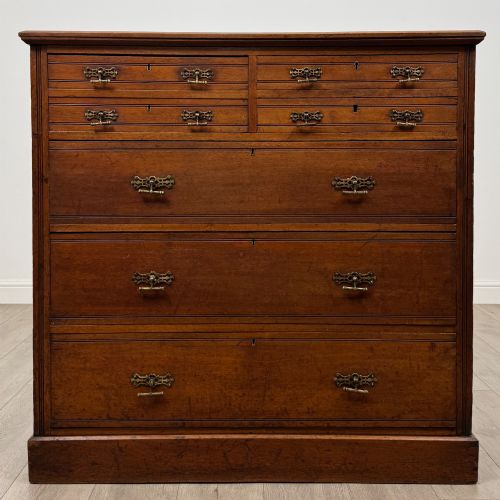
Victorian furniture hardware brings tactile weight and period character to drawers and doors through solid brass, bronze and turned wood.
Victorian Furniture Hardware
When searching for victorian furniture hardware, buyers encounter functional metal and wooden fixtures designed for period domestic use. The selection spans robust chest handles, campaign trunk straps, and detailed door furniture ranging from simple centre knobs to elaborate knockers.
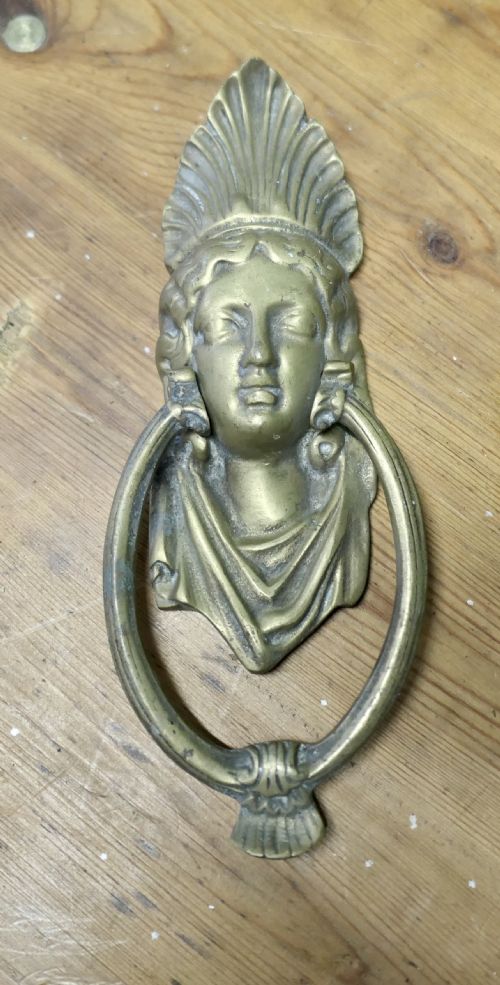
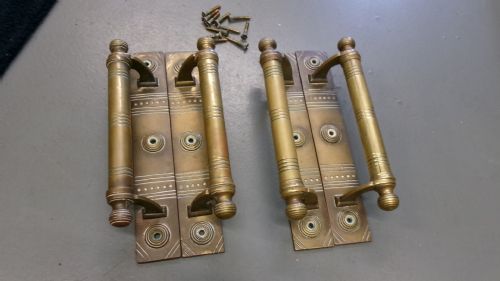
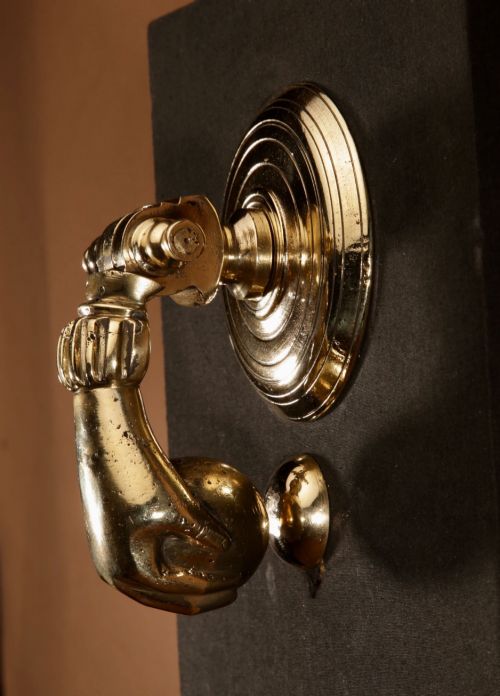
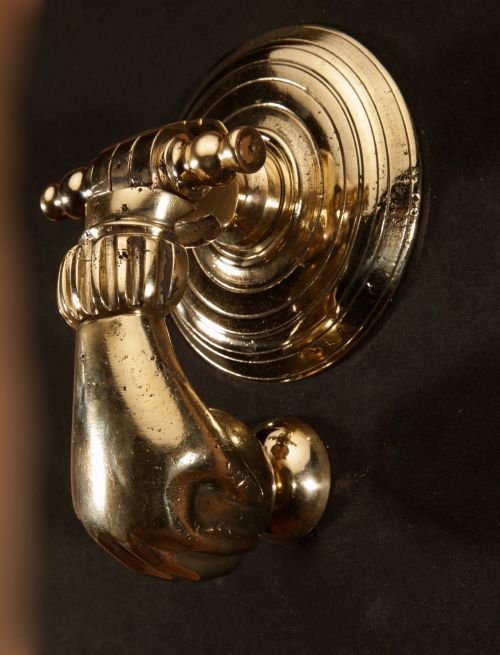
Form follows utility across the inventory, with cabinet hardware running from campaign brasses to gallery rails. Door furniture dominates the current range, featuring beehive knobs, octagonal pulls, and sculptural knockers shaped as hands or sphinxes.
Materials and construction methods
Makers utilised solid brass, cast bronze, and iron as primary metals for durability and decorative finish. These metals appear alongside contrasting materials such as lead crystal, black china, ebony, walnut, camphor wood, and teak.
Casting and turning dominated production, yielding heavy brass beehive knobs, octagonal pulls, and intricate caryatid knockers. Components like strapwork and campaign mounts incorporated iron and steel for structural strength on travelling chests.
Someone carved a bronze door knocker into the exact shape of a hand two centuries ago, and it still greets visitors today.
Evaluating period hardware
Quality rests in the crispness of the casting and the density of the metal used. Heavy solid brass and deeply chased bronze retain sharper architectural details than lighter stamped alternatives.
The integrity of mixed media assemblies distinguishes finer specimens. Well-fitted combinations of turned wood, crystal inserts, or china with cast brass mounts show superior craftsmanship.
Jas Shoolbred
The Victorian Furniture Hardware Glossary
- Beehive
- A turned knob profile featuring concentric ridged rings that resemble a traditional skep beehive. This design provides a secure grip for frequent use on heavy doors.
- Campaign hardware
- Recessed brass handles, corners, and straps designed for portable military furniture. These flush fittings protected corners and prevented snagging during transport.
- Caryatid
- A sculpted female figure serving as an architectural support or structural element. In hardware, this motif appears on decorative door knockers and handle plates.
- Finger plate
- A protective metal plate mounted behind a door handle or knob. It prevents finger marks and wear on the painted or polished wood surface of the door.
Victorian Furniture Hardware: Frequently Asked Questions
How do I clean old brass hardware?
Warm soapy water and a soft brush remove surface dirt without stripping the historic patina. Avoid abrasive metal polishes that remove fine detail and leave a bright modern shine.
Allow the metal to dry completely before refitting it to furniture or doors. Natural oils from handling gradually enrich the surface over time.
Are these door knobs suitable for modern doors?
Many Victorian door knobs and spindles fit standard contemporary mortice latches with minor adjustments. Spindle thicknesses can vary, so checking measurements against current mechanisms is sensible.
Heavier brass sets require robust latches to support their weight. Centre knobs and pull handles attach easily to surface positions without altering internal locksets.
What is the difference between campaign and standard hardware?
Campaign hardware sits flush with the wood surface, utilising hinged drop rings and recessed plates. This design allowed officers to pack travel chests tightly without damaging adjacent items.
Standard domestic hardware projects outwards from drawers and doors for an easy hand grip. These pieces prioritise decorative presence over space-saving flush integration.
How do I date antique door furniture?
Stylistic clues such as Gothic revival points, Arts and Crafts motifs, or Regency proportions help narrow the production era. Materials also indicate the period, from early iron and bronze to later cast brass and china combinations.
Manufacturing marks and screw types provide additional evidence of age. Hand-cut threads and varied casting techniques point firmly to nineteenth-century workshops.