


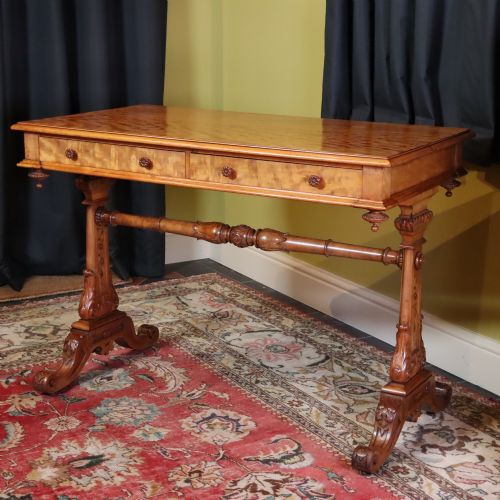
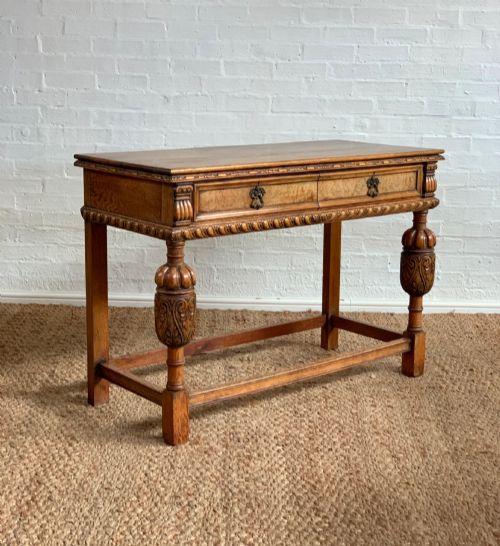
Carved Drawer Hall Table
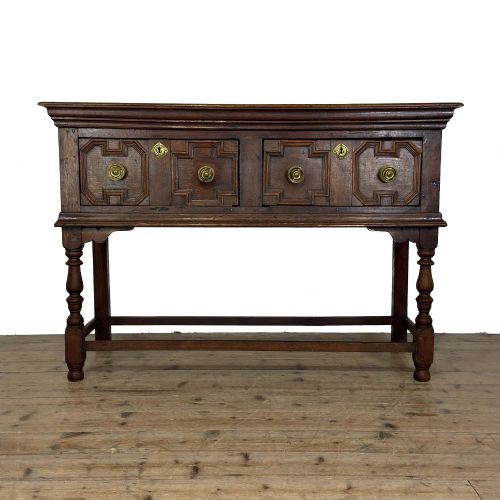
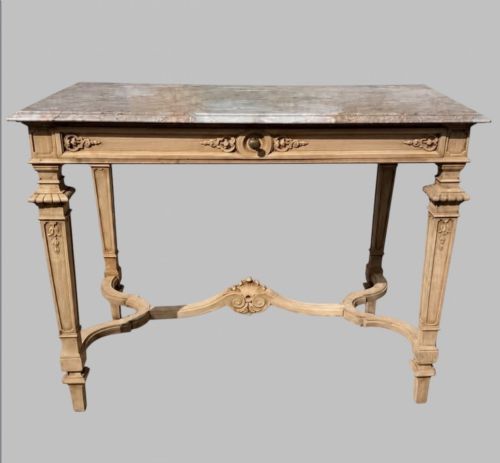
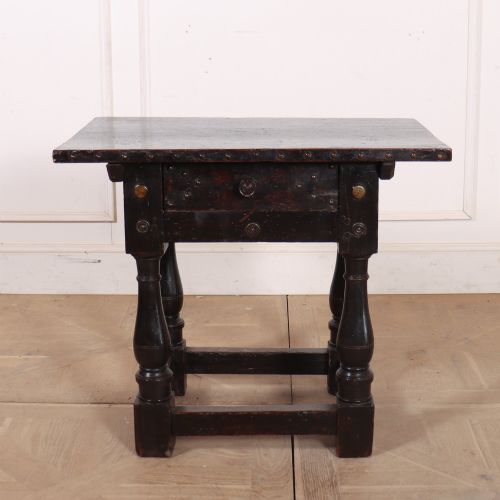
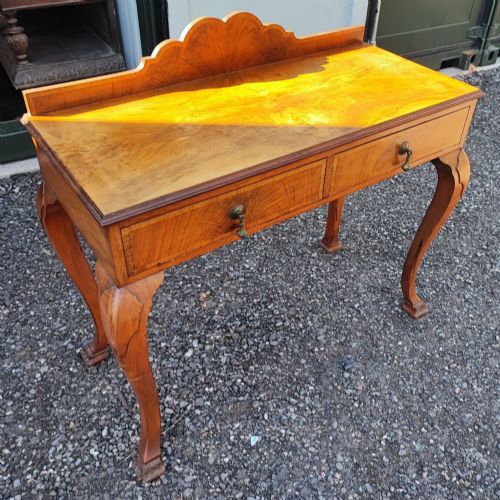
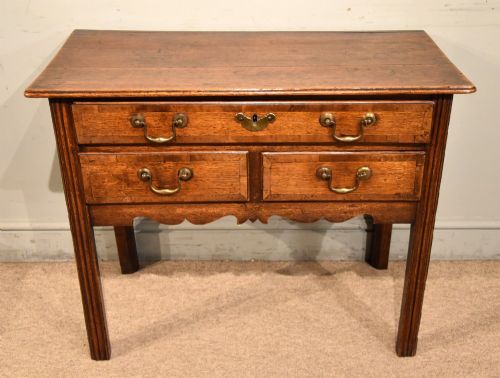
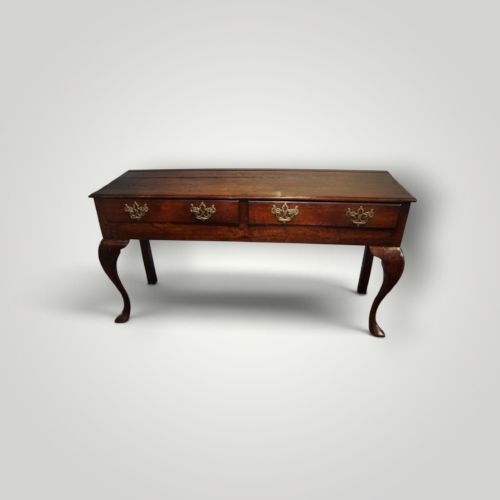
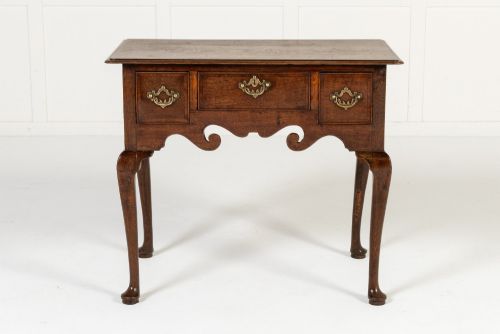
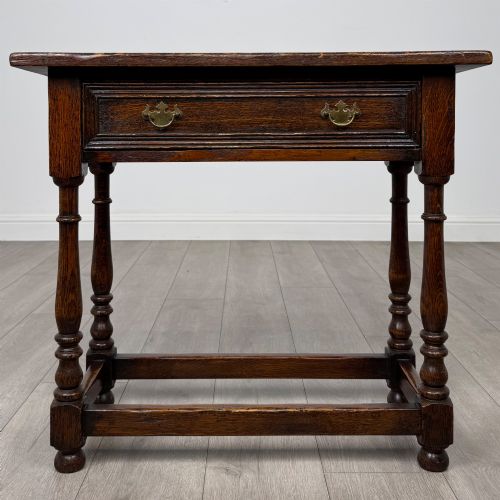
These pieces are a carved drawer hall table, compact timber surfaces with storage built for narrow spaces.
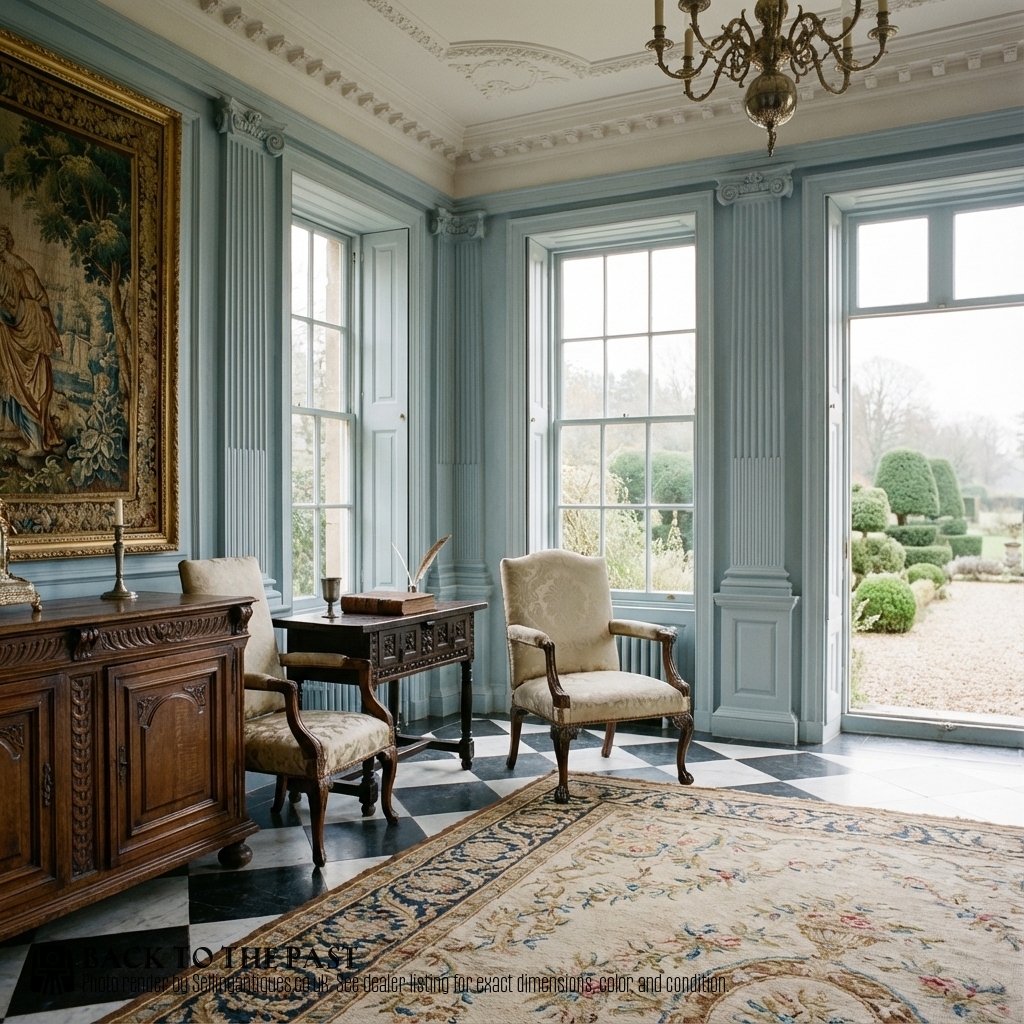
Carved Drawer Hall Table
A carved drawer hall table sits in narrow thoroughfares, providing a surface for daily belongings and storage within integrated drawers. When you search for this phrase, you encounter forms that span centuries, originating in domestic settings from country houses to urban hallways.
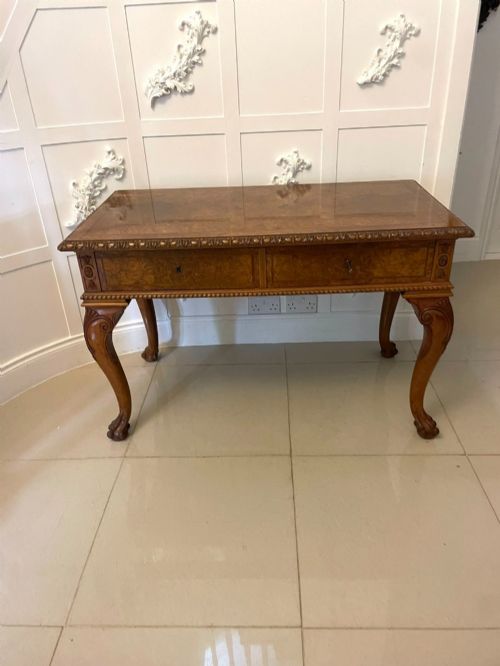
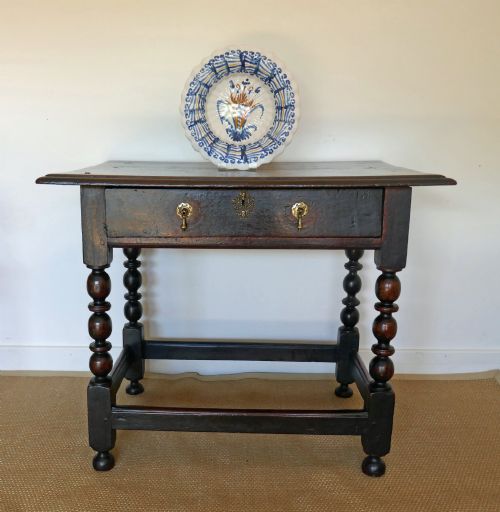
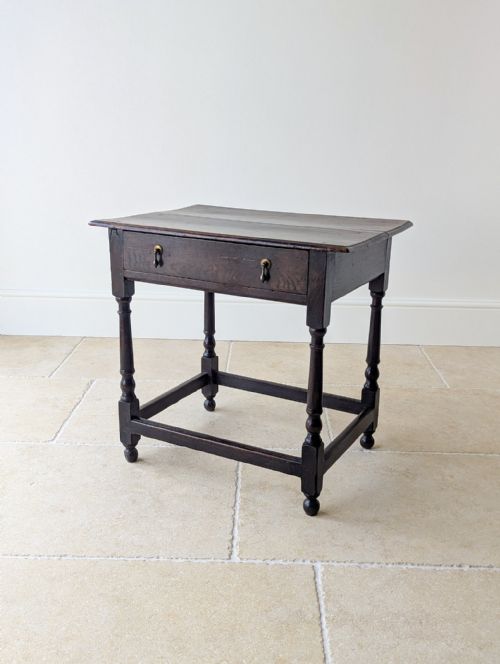
The version you meet most often on this page is the oak or walnut side table, lowboy, or dresser base from the seventeenth, eighteenth, and early twentieth centuries. These tables frequently display carved decoration, geometric mouldings, or turned legs.
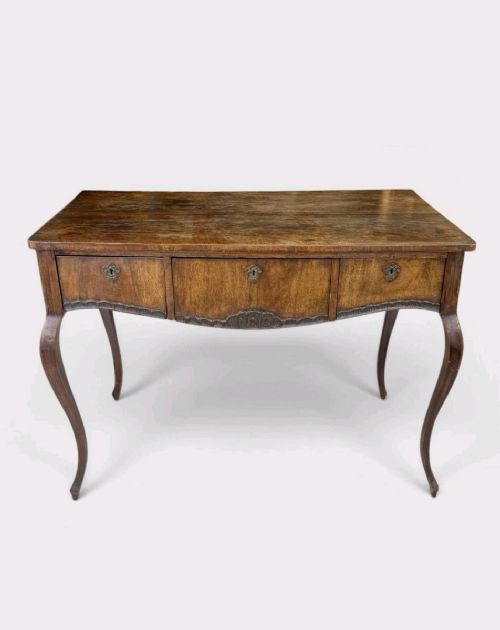
Makers adapted these surfaces to specific architectural needs, creating console tables, writing desks, and narrow side tables with single or multiple drawers. Timber choices range from native English oak and elm to imported mahogany, burr walnut, and satinwood.
How They Were Made
Cabinet makers utilised solid timbers such as oak, walnut, mahogany, and elm, constructing carcases with traditional joints and fitted drawer boxes. Surfaces often received hand-carved details, geometric mouldings, or turned elements like bobbin and barley twist legs.
Drawer construction involved hand-cut joints, timber linings, and attached pulls in brass or carved wood matching the primary material. Secondary elements occasionally included marble tops or painted finishes applied to pine and oak structures.
Listings feature oak, walnut, mahogany, elm, and satinwood across periods spanning the seventeenth century to the nineteen-fifties.
What Varies in Quality
The standard of carving and timber selection dictates the position of a table within the range. Pieces exhibiting crisp, deep hand-carving and well-figured burr walnut or quarter-sawn oak sit apart from simpler iterations.
Proportion and structural integrity define the maker's success, with balanced scaling between the drawer frame and the supporting legs. Original brass hardware, uncompromised timber patination, and coherent period details elevate the piece.
Beresford and Hicks London
The Carved Drawer Hall Table Glossary
- Lowboy
- A small oak or walnut table with one or more drawers, originating in the late seventeenth century for use as a dressing or side table.
- Dresser Base
- A longer timber table fitted with multiple drawers along the front, often standing on turned or cabriole legs.
- Jacobean Revival
- A nineteenth or twentieth-century style imitating the heavy carved oak furniture of the early seventeenth century.
- Bobbin Turned
- A form of lathe-turned leg resembling a string of bobbins or spools, popular in seventeenth-century English joinery.
- Burr Walnut
- Timber taken from the wart-like growth on a walnut tree, yielding complex, swirling grain patterns highly prized for decorative surfaces.
Carved Drawer Hall Table: Frequently Asked Questions
Where do I put a hall table?
These tables fit well in narrow entryways, corridors, or landings where floor space is restricted.
The shallow depth of the surface and integrated drawers provide a place for letters and keys without blocking foot traffic.
How do I date an oak table?
Dating relies on observing construction methods, timber choice, and decorative styles such as geometric mouldings or twist turnings.
Early pieces show hand-cut joinery and signs of age in the timber surface, while later revival pieces from the twentieth century employ different machinery marks.
Are these tables solid wood?
The listings feature pieces constructed from solid native and imported timbers including oak, walnut, mahogany, and elm.
Cabinet makers utilised these dense hardwoods to ensure durability for furniture intended for daily domestic use.