
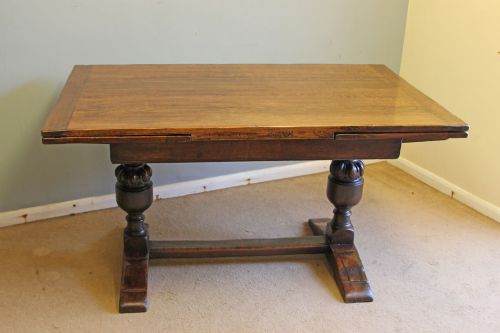
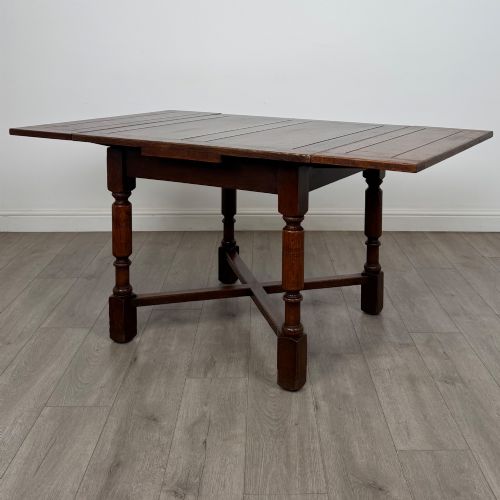
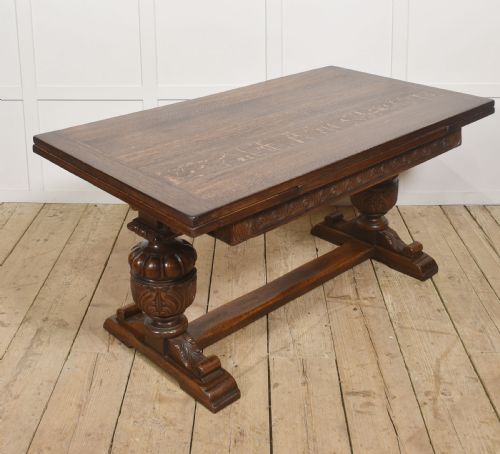

Carved Draw Leaf Table
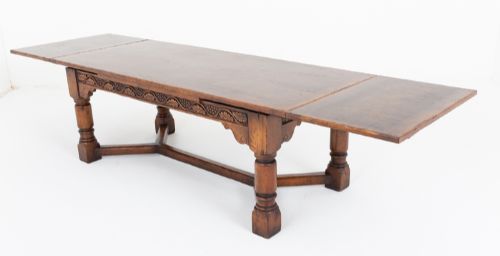
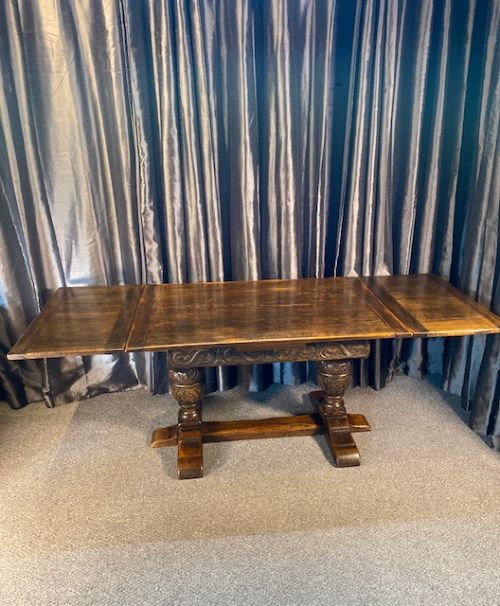
A carved draw leaf table is an ingenious extending dining surface that hides its extra leaves beneath the main top, bringing both practical flexibility and centuries-old character to a room.
Carved Draw Leaf Table
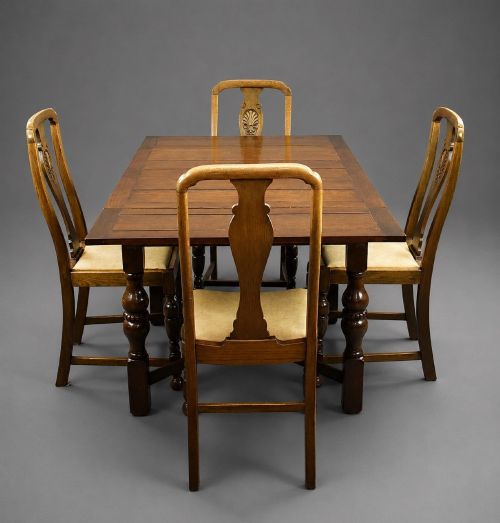
When you search for a carved draw leaf table, you are looking at substantial dining furniture designed to expand easily when guests arrive. The pieces found here span multiple periods, ranging from the seventeenth century and nineteenth century through to Edwardian and early twentieth-century revivals.
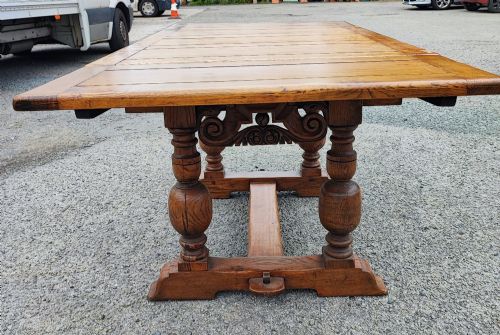
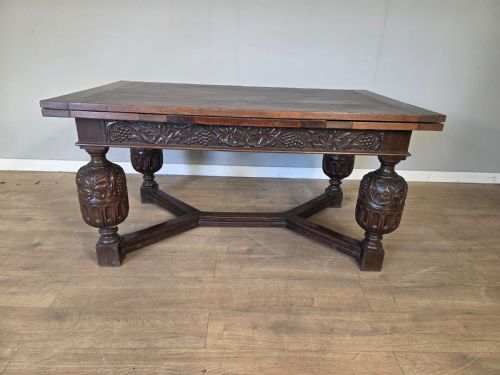
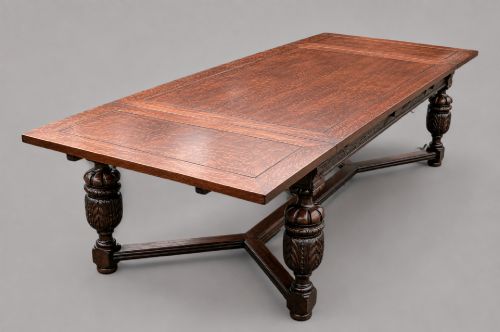
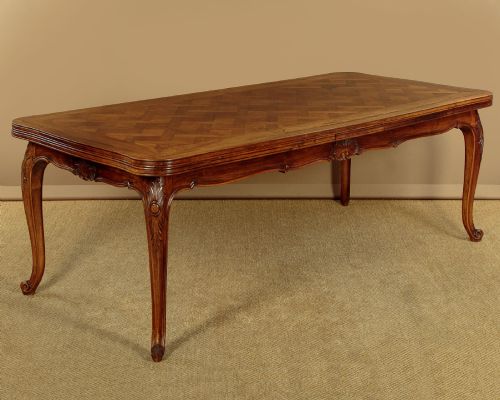
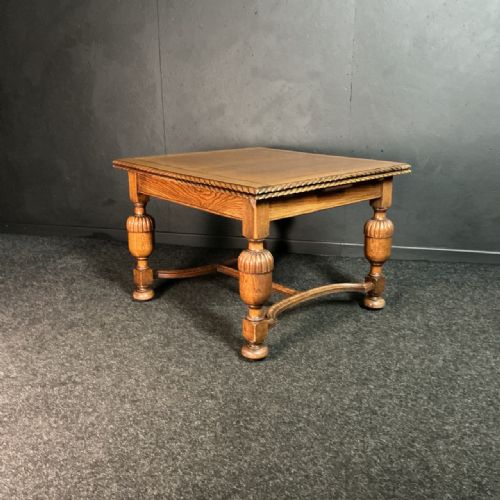
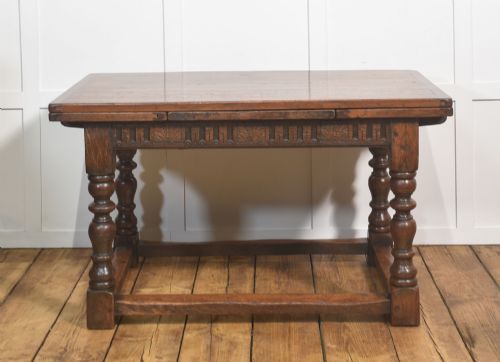
The dominant material on this page is solid oak, often shaped into refectory or farmhouse dining tables. Alongside these, buyers will encounter walnut and fruitwood examples featuring various styles such as Jacobean Revival, Elizabethan Revival, and French Provincial.
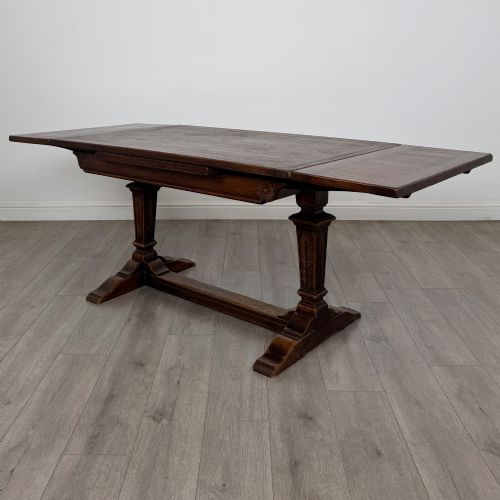
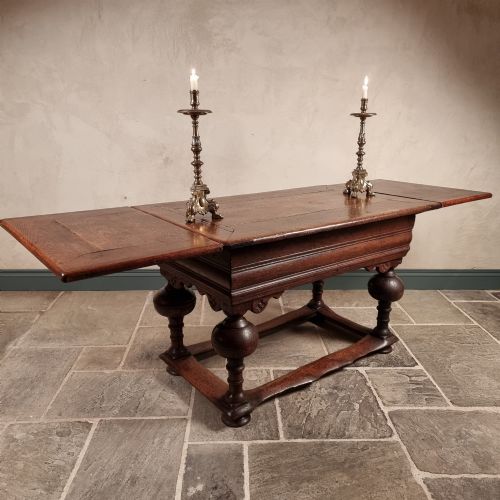
Most items function primarily as dining tables or dining sets, retaining the clever mechanism that allows the end leaves to slide out smoothly from beneath the central top. This form bridges the gap between everyday family dining and larger gatherings without requiring separate storage leaves.
Markers of Quality
The distinction between standard examples and superior pieces rests on the weight and selection of the timber, particularly the depth of the solid oak used in the top and frame. Superior tables exhibit crisp, hand-carved relief work on the bases rather than soft or shallow moulding.
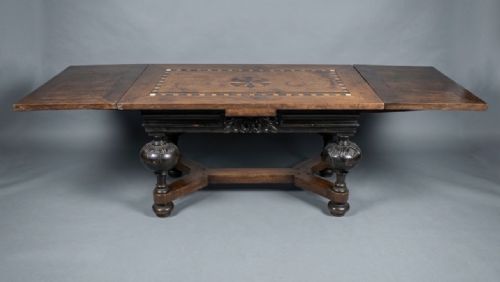
The precision of the draw leaf mechanism dictates the daily usability of the table, with finer examples operating smoothly on well-fitted wooden runners without sagging when fully extended. Parquetry and inlay work also separate ordinary items from those featuring intricate, tightly fitted geometric wood patterns.
Listings feature oak, walnut, and fruitwood tables spanning the seventeenth century to the 1930s.
Maple and Co
The Carved Draw Leaf Table Glossary
- Draw leaf
- An extending table mechanism where two leaves slide out from beneath the main central top. This design allows the table to lengthen instantly while keeping the surface secure.
- Refectory table
- A long, narrow dining table traditionally used in monastic dining halls. These forms provide sturdy proportions and generous legroom.
- Parquetry
- Geometric woodwork formed by fitting small wooden blocks together in patterns. It creates decorative surfaces on table tops.
- Fruitwood
- Timber sourced from fruit-bearing trees such as pear or cherry. It offers a fine grain and warm tone used in continental cabinet making.
Carved Draw Leaf Table: Frequently Asked Questions
Are these tables suitable for daily dining?
Solid oak and walnut construction makes these tables exceptionally robust for everyday kitchen and dining room use. Their heavy timber frames easily withstand the demands of family life.
Regular use actually enhances the patina of the wood over time. Using heat mats and coasters protects the historic polish from daily wear.
How can I tell the period of a table?
Dating relies on examining the timber grain, construction joints, and the style of carving on the base. Seventeenth-century examples show distinct hand-tool marks and pegged joints, whereas twentieth-century revivals display cleaner machine-assisted construction.
Stylistic cues such as Elizabethan strapwork or Edwardian proportions also help narrow down the era of manufacture. Maker stamps or labels, when present, provide definitive historical context.
How do I care for an antique wood surface?
Maintaining the finish requires regular dusting with a soft, dry cloth and occasional application of traditional beeswax. Avoid using modern silicone sprays that can damage the historic polish.
Keep the table away from direct heat sources and strong sunlight to prevent the timber from drying out or splitting. Consistent indoor humidity levels preserve both the wood and the extension mechanism.