
Carved Wooden Dining Table
A carved wooden dining table anchors the room with substantial presence, built for daily gatherings and handed down through generations.
Carved Wooden Dining Table
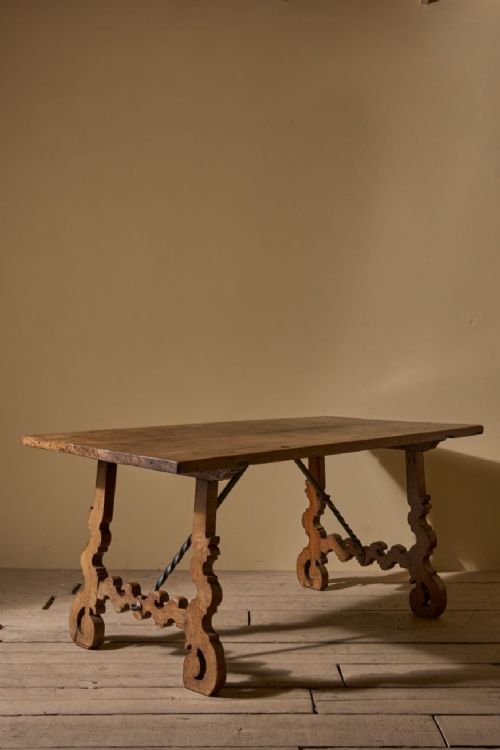
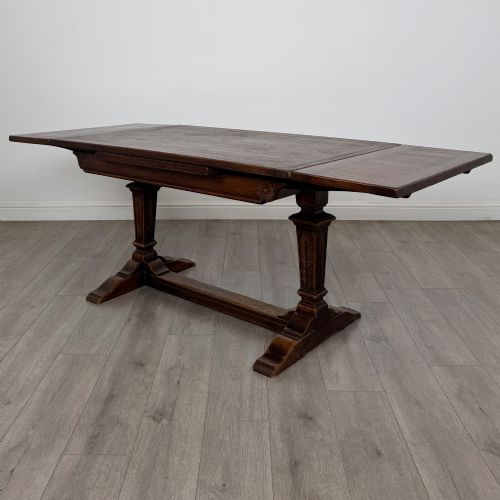
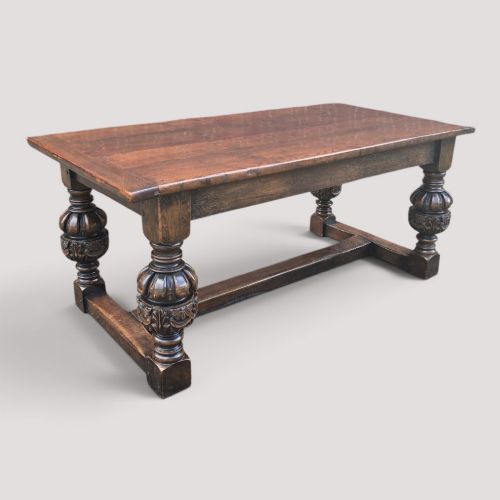
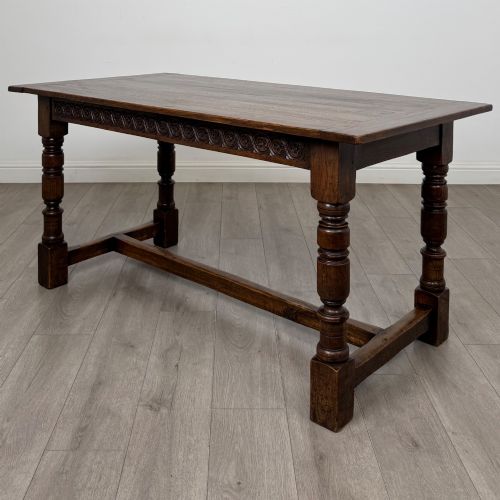
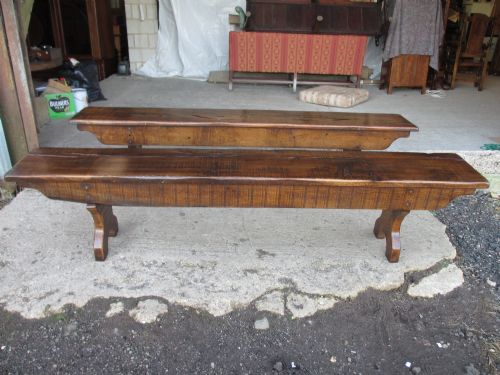
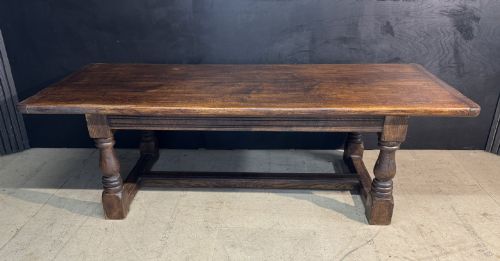
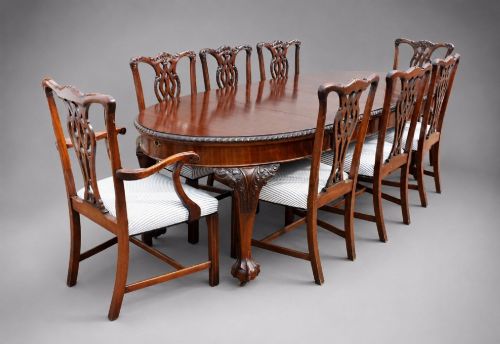
A carved wooden dining table brings traditional form and sturdy construction to the interior, taking the shape of refectory, draw leaf, or farmhouse designs. These surfaces accommodate family meals and large gatherings, appearing primarily in oak, mahogany, and walnut across various historical periods.
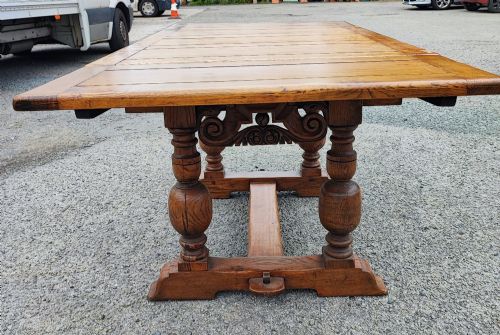
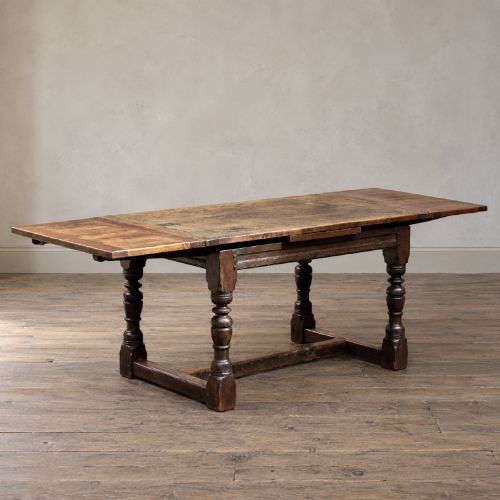
The pieces on this page span from the seventeenth century through the early twentieth century, showing revival styles alongside authentic period pieces. Oak refectory and draw leaf examples dominate the selection, often featuring extension mechanisms or thick plank tops intended for heavy domestic use.
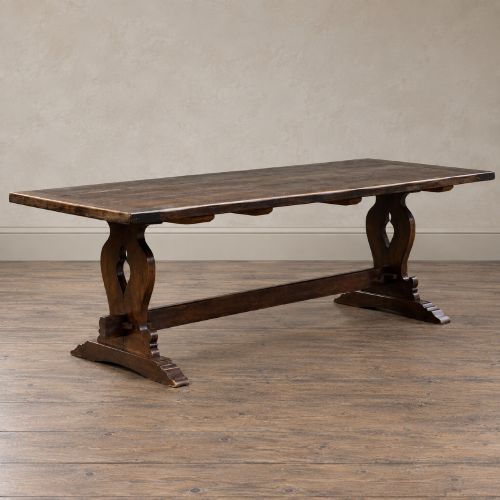
Makers and workshops utilised dense hardwoods to ensure longevity, applying hand-carved details to friezes, legs, and trestle ends. Buyers encounter everything from compact twentieth-century oak tables to expansive seventeenth-century formats designed for substantial halls.
How they were made
Cabinetmakers constructed these tables using solid native timbers such as oak, elm, and walnut, frequently selecting quarter-sawn boards for stability and pronounced grain patterns. Frames relied on traditional jointing methods like mortise and tenon, secured with wooden pegs rather than metal fasteners.
Carving was executed entirely by hand using gouges and chisels directly onto the solid wood rails and legs, producing relief work that reflects the aesthetic of the period. Extension systems, when present, utilised internal sliding runners and draw leaves that allowed the top surface to expand smoothly.
Early dining arrangements occasionally required guests to sit exclusively on one side of the table while servants worked the other.
What varies in quality
The distinction between standard utility furniture and superior examples lies in the selection of timber and the depth of the hand-carving. Tables featuring single-plank tops or highly figured burr walnut veneers demonstrate greater material investment by the original maker.
Proportion and structural integrity separate fine workshop output from mass-produced items. Refined pieces maintain crisp chisel work on legs and friezes, alongside mechanisms that operate without binding after decades of service.
Maple & Co·M. D. Miller & Sons
The Carved Wooden Dining Table Glossary
- Refectory table
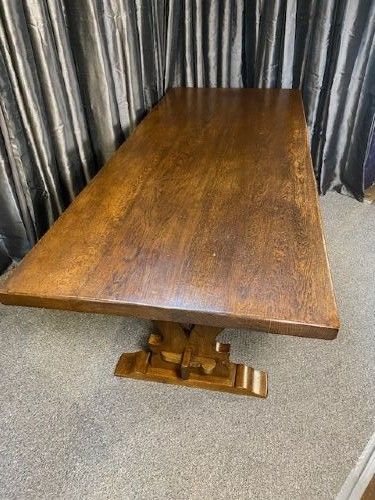
- A long, narrow dining table originally built for monastic dining halls and later adapted for domestic use. These surfaces typically rest on heavy trestles or four legs joined by low stretchers.
- Draw leaf table
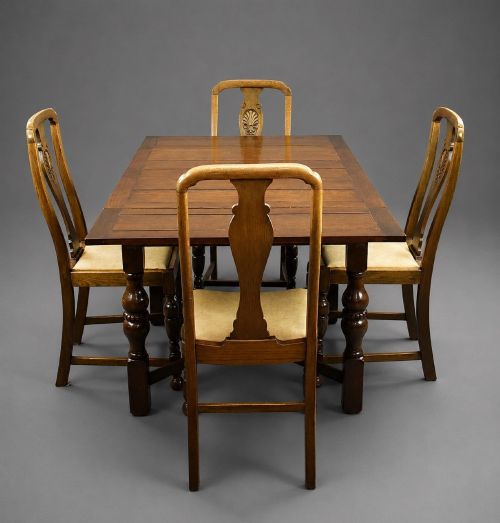
- An extending dining table featuring two hidden leaves stored beneath the main top that pull out from each end. This mechanism lengthens the surface area without requiring loose insert boards.
- Parquetry
- A geometric mosaic of wood pieces used for decorative veneer on tabletops. Craftsmen arranged contrasting timbers like walnut and oak to create patterns across the surface.
- Bobbin leg
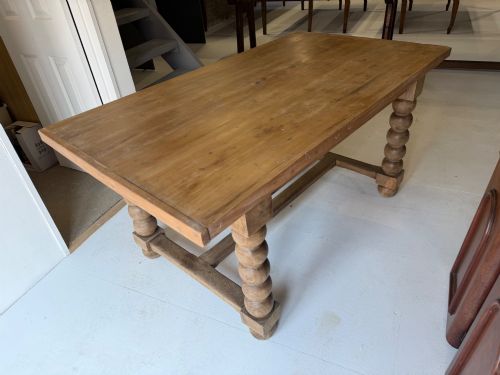
- A turned furniture leg shaped to resemble a string of wooden bobbins or spools. This decorative turning style appears frequently on seventeenth-century and nineteenth-century revival pieces.
Carved Wooden Dining Table: Frequently Asked Questions
How do draw leaf tables work?
Draw leaf tables operate through a system where two extension leaves hide directly beneath the primary centre top. When pulled outward, the main top lifts slightly before the leaves slide smoothly into place at either end.
This ingenious mechanism allows the table to expand quickly for guests without the need to store separate loose boards elsewhere in the home.
Are these tables suitable for daily use?
Solid hardwood construction makes these tables exceptionally durable for everyday dining and family life. Timbers like oak and mahogany withstand regular daily wear while developing a richer patina over time.
Using heat mats and avoiding harsh chemical cleaners will protect the historic polished finish during daily meals.
How do I identify a refectory table?
A refectory table is distinguished by its long, narrow proportions and a substantial underframe featuring strong stretcher rails connecting the legs. They were originally designed to seat large households down the length of a single board.
Many examples feature thick solid oak tops and carved friezes running beneath the perimeter of the table edge.