
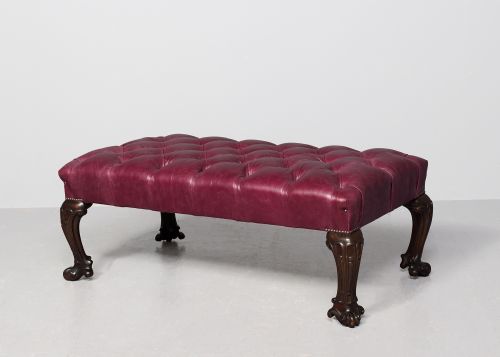
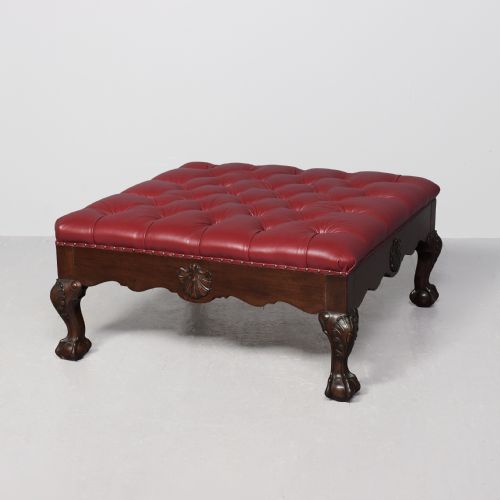
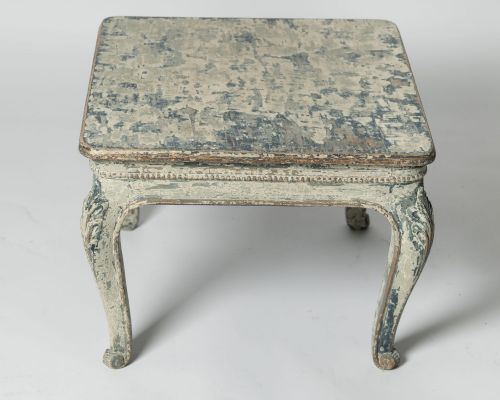
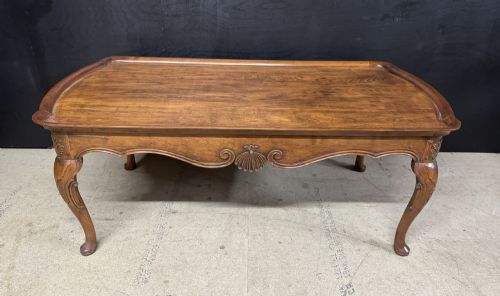



Carved Cabriole Coffee Table
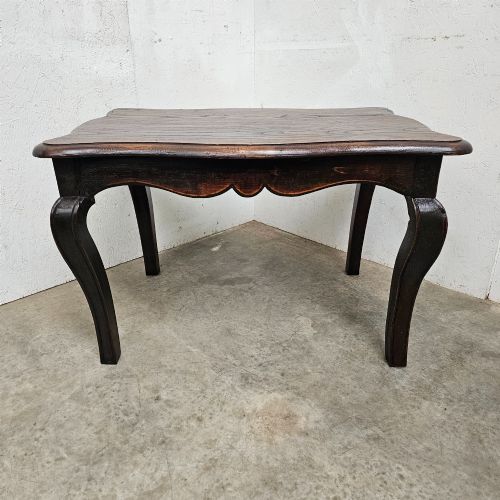
A carved cabriole coffee table brings distinct period elegance to a room, offering low timber surfaces defined by curved legs.
Carved Cabriole Coffee Table
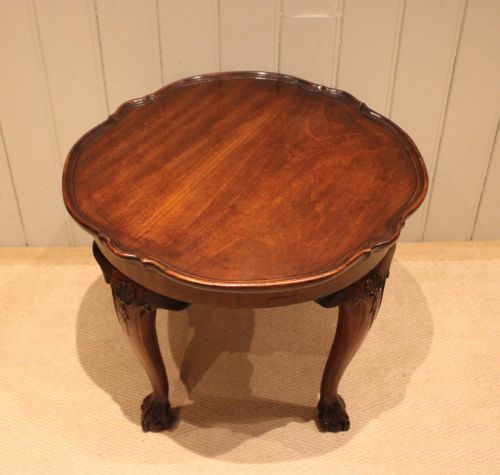
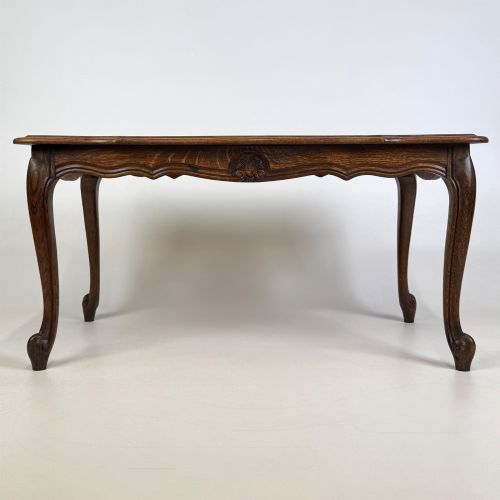
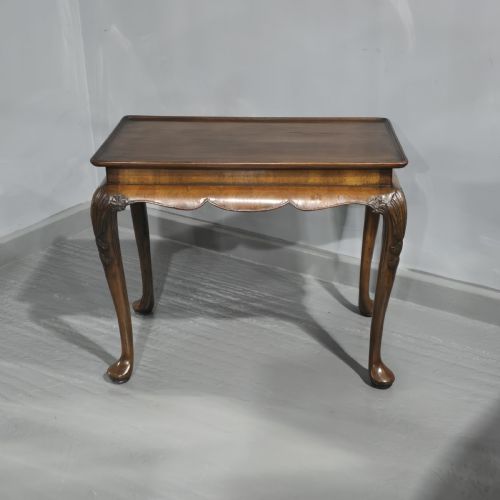
A carved cabriole coffee table is defined by its characteristic leg form, which curves outward at the knee and tapers inward to a foot, appearing frequently alongside walnut, mahogany, and oak frames. These low tables emerge across various periods from the nineteenth century through the 1930s, often drawing on Queen Anne, Chippendale, and Rococo revivals.
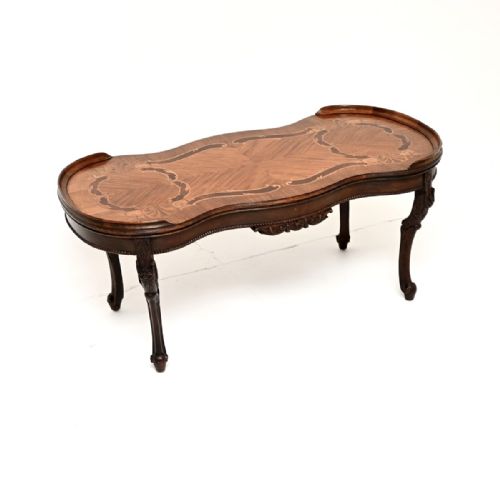
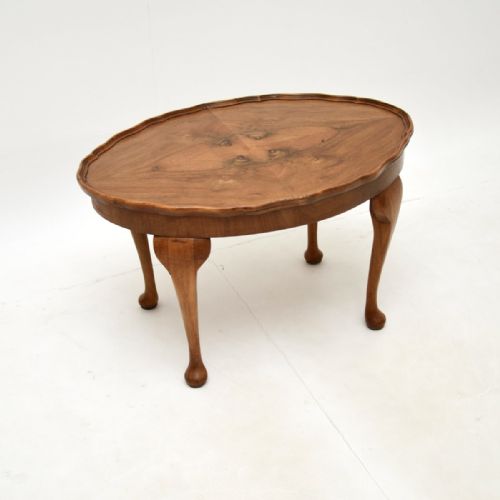
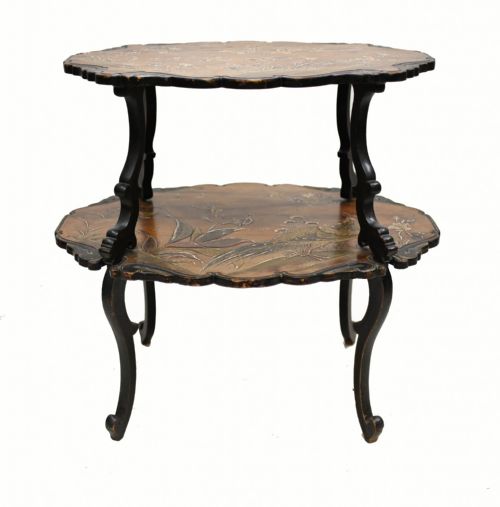
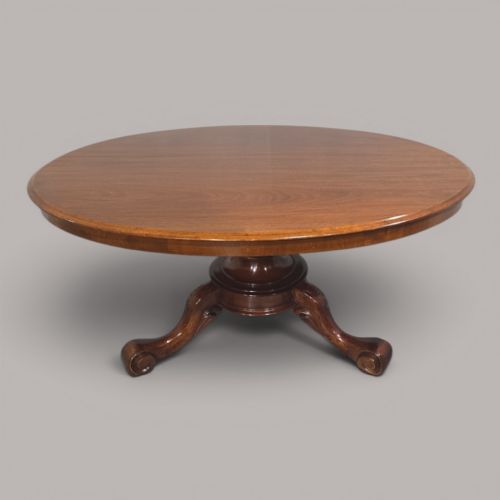
Buyers encounter numerous forms, ranging from circular occasional tables and pie crust designs to rectangular coffee tables and low side tables. French and English influences dominate the selection, with regional details such as inlaid marquetry, pie crust edges, and marble tops appearing across the pieces.
Materials and construction
Cabinet makers utilised solid hardwoods such as walnut, mahogany, oak, rosewood, and chestnut, frequently applying burr walnut veneer to tabletops for striking grain patterns. Frames often incorporate detailed hand carving along the knees and aprons of the cabriole legs.
Surface decoration extends beyond timber carving to include marquetry inlay, japanning, and red lacquer work, while certain French examples pair wooden frames with inset marble tops or brass mounts.
Listings span periods from the nineteenth century to 1930, utilising walnut, mahogany, oak, rosewood, and chestnut.
Judging the work
Quality rests upon the proportion and execution of the carved cabriole leg, where crisp detail and balanced curves separate superior examples from stiff or heavy-handed reproductions. The choice of timber grain, particularly figured and burr walnut veneers, dictates visual depth.
Construction integrity shows in the joinery of the frame and the precision of inlaid marquetry or pie crust edges. Tables retaining original surface finishes and French polish demonstrate greater integrity than those altered over time.
The Carved Cabriole Coffee Table Glossary
- Cabriole leg
- A furniture leg featuring a double curve, bulging outward at the knee and curving inward toward the foot. This form mimics animal limbs and appears widely in Queen Anne and Rococo revival pieces.
- Pie crust edge
- A raised, scalloped carved rim detail adorning circular tabletops. This decorative border is commonly found on walnut occasional and coffee tables.
- Burr walnut veneer
- Thin slices of wood cut from walnut tree growths, prized for intricate and swirling grain patterns. Cabinet makers applied these veneers to prominent surfaces like tabletops.
- Marquetry
- Decorative patterns formed by fitting small pieces of veneer into a wooden background. This technique creates pictorial or geometric designs on tabletops.
Carved Cabriole Coffee Table: Frequently Asked Questions
What periods do these tables come from?
The selection spans from the nineteenth century through the Edwardian era and into the 1930s. Many pieces reflect revival styles inspired by earlier eras such as Queen Anne and Chippendale.
Craftsmanship from these decades relies heavily on traditional timber framing and hand-carved details. Dating relies on stylistic cues and wood selection rather than strict manufacturing years.
How were these low tables used?
These low surfaces functioned as occasional tables, tea tables, or lamp tables in period drawing rooms and parlours. Their modest height suited placement beside seating.
Over time, many similar low formats found new life as coffee tables in modern living spaces while retaining their original decorative character.
How do I care for a walnut table?
Walnut and burr walnut surfaces require protection from direct sunlight and excessive moisture to prevent timber movement and veneer lifting. Regular dusting with a soft cloth maintains the polished finish.
Applying appropriate wax feeds the wood and preserves the depth of the grain without building up heavy chemical residues.
Are these tables English or French?
The pieces encompass both English and French origins, often displaying distinct regional characteristics. French examples frequently feature marquetry, satinwood, or marble tops.
English pieces tend to emphasise figured walnut or mahogany timbers with traditional carved cabriole legs rooted in regional revival styles.