
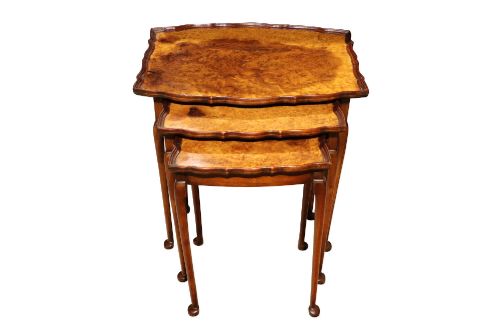
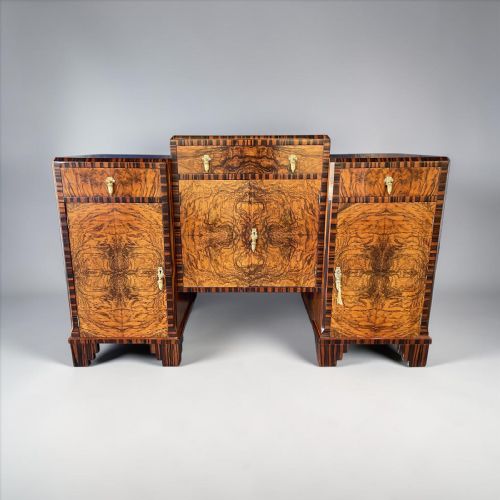
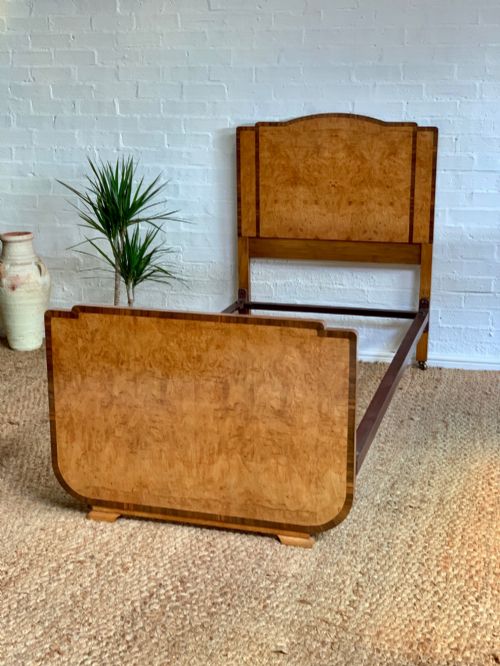
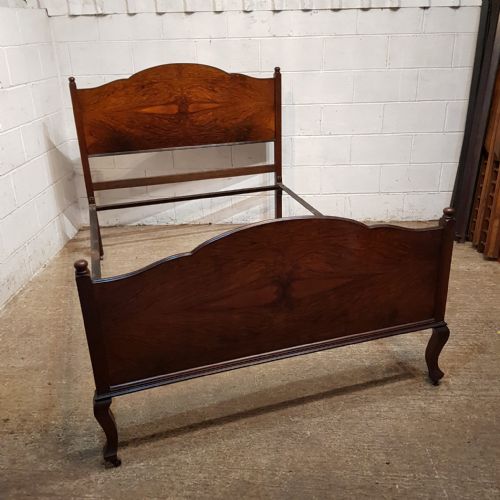
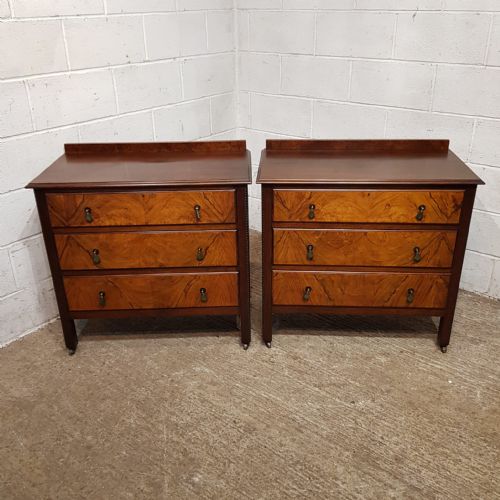
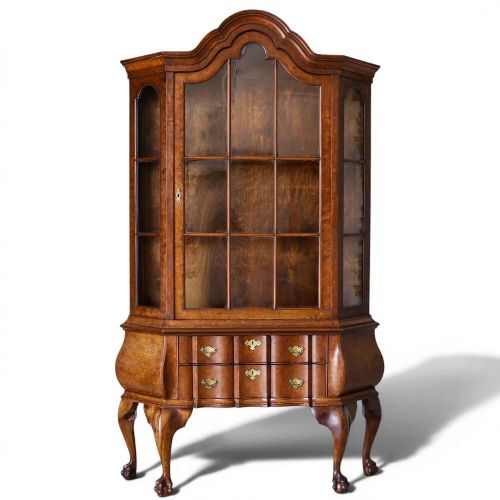
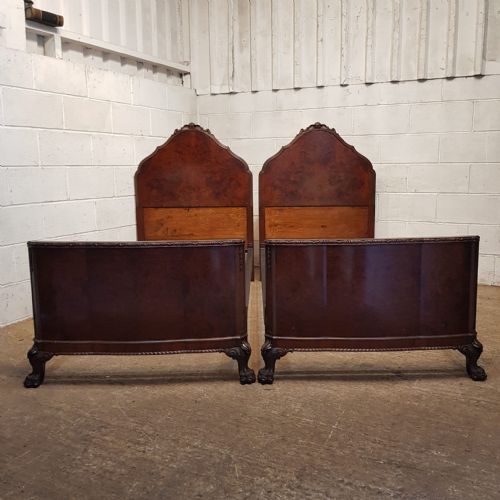
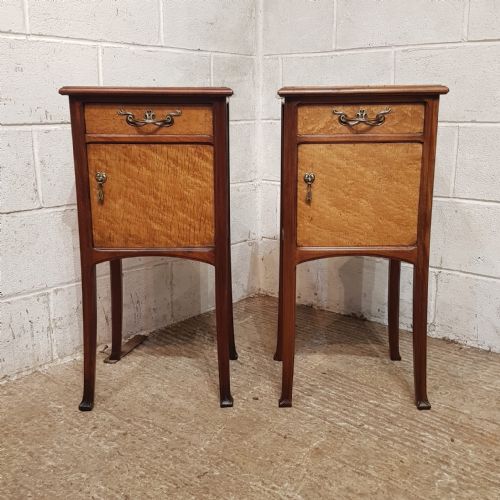
1920s Burr Walnut Furniture
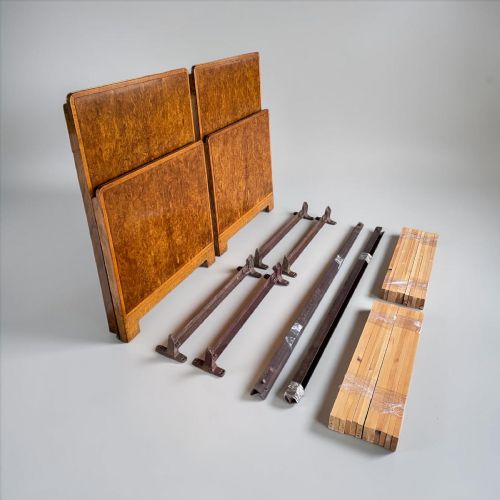
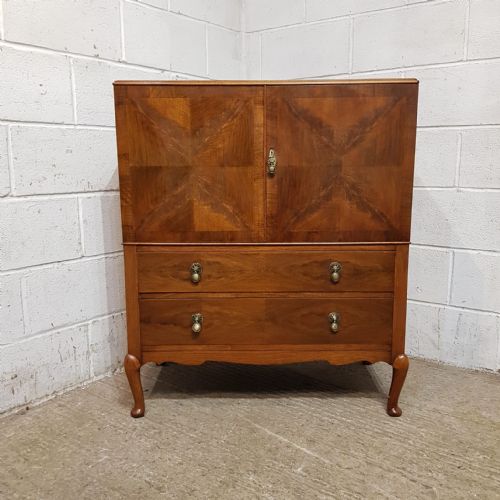
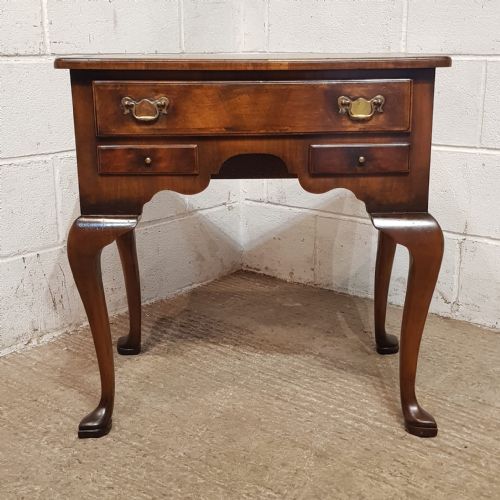
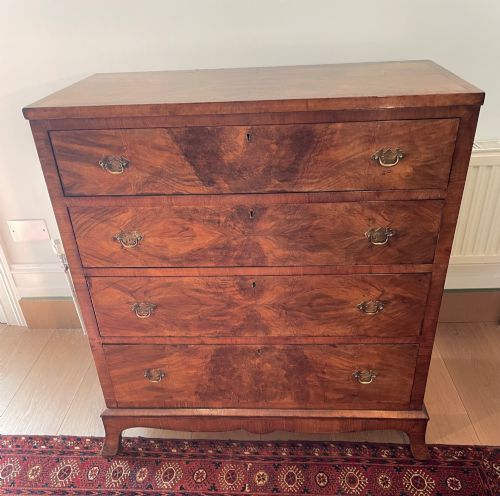
These pieces of 1920s burr walnut furniture bring rich grain figures and polished warmth to a room through tables, beds, and cocktail cabinets.
Materials and construction
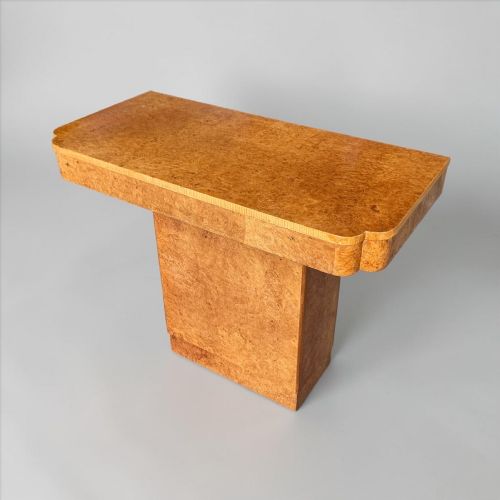
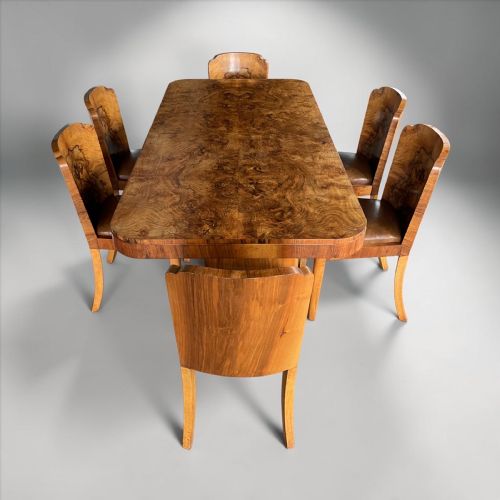
Craftsmen utilised burr walnut veneer laid over solid timber substrates to create swirling, circular grain patterns on large flat surfaces like cabinet doors and drawer fronts. Secondary materials such as brass and metal appear on handles, hinges, and structural fittings.
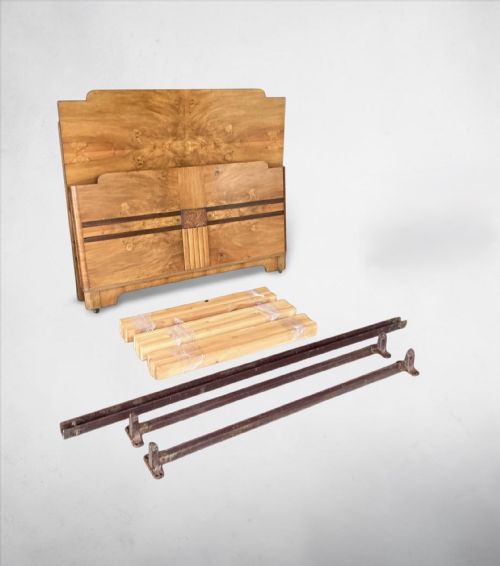
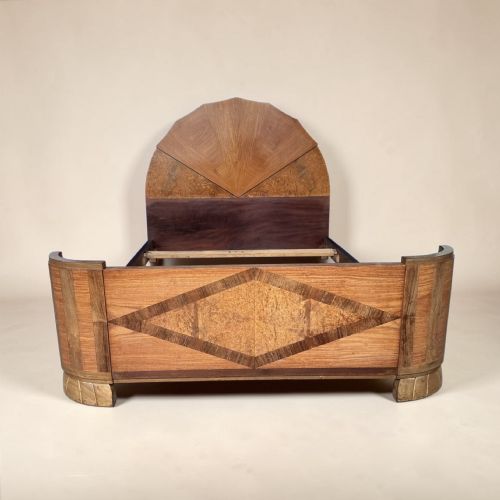
Wood veneer techniques allowed cabinetmakers to wrap complex curves on Art Deco cocktail cabinets and tallboys while maintaining structural stability. Timber frames provide the core architecture for beds, dining sets, and chests of drawers.
Assessing quality in burr walnut pieces
The hierarchy of quality rests primarily on the symmetry, density, and placement of the burr walnut veneer across primary visual surfaces. Finer examples display carefully matched grain patterns that mirror each other across drawer banks and cabinet doors.
Construction methods and hardware integration separate standard production items from exceptional workshop output. Substantial timber framing, precise joint work, and well-cast brass elements elevate the finished cabinet or table.
Several cocktail cabinets from this era include mirrored mixing slides ready for impromptu martini mixing.
Waring And Gillow·Harry And Lou Epstein
The 1920s Burr Walnut Furniture Glossary
- Burr walnut
- A veneer sliced from the gnarled growths of a walnut tree, producing intricate, swirling grain patterns. This material forms the primary visual identity of interwar cabinetwork.
- Tallboy
- A tall chest of drawers, often combining a wardrobe section or multiple smaller drawers above deeper ones. These pieces maximise vertical storage space in bedrooms.
- Cocktail cabinet
- A specialised storage piece designed for home entertaining, typically featuring fitted interior compartments for glassware and bottles. They frequently appear in Art Deco designs.
- Compactum wardrobe
- A fitted multi-compartment wardrobe designed for efficient clothes storage. These units often feature split interior sections and mirrored doors.
- Lowboy
- A small occasional table with drawers, standing on relatively tall legs. They function as writing surfaces or side tables in sitting rooms and bedrooms.
1920s Burr Walnut Furniture: Frequently Asked Questions
What is burr walnut veneer?
Burr walnut veneer is a thin slice of wood taken from the deformed growth or burr on a walnut tree. This section yields complex circular and swirling grain patterns.
Cabinetmakers apply these decorative sheets over stable timber cores to create highly figured surfaces on prominent areas like cabinet doors and drawer fronts.
Where were cocktail cabinets used?
Cocktail cabinets were placed in reception rooms and dining spaces to facilitate home entertaining during the interwar decades. They served as dedicated storage for spirits, mixers, and glassware.
Many examples feature drop-down serving flaps and mirrored interiors designed to display cocktail accessories during evening gatherings.
How do I care for walnut veneer?
Walnut veneer requires protection from direct sunlight and extreme humidity fluctuations to prevent the wood from drying out or warping. Regular dusting with a soft cloth maintains the polished finish.
Avoid placing damp items directly onto wooden surfaces and use mild, wax-based polishes sparingly to preserve the historical patina.