





Circular Walnut Tea Table
A circular walnut tea table brings warmth and rich timber grain to a room, serving as a practical surface for daily use.
Circular Walnut Tea Table
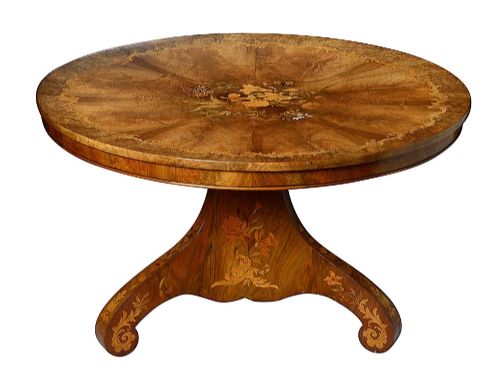
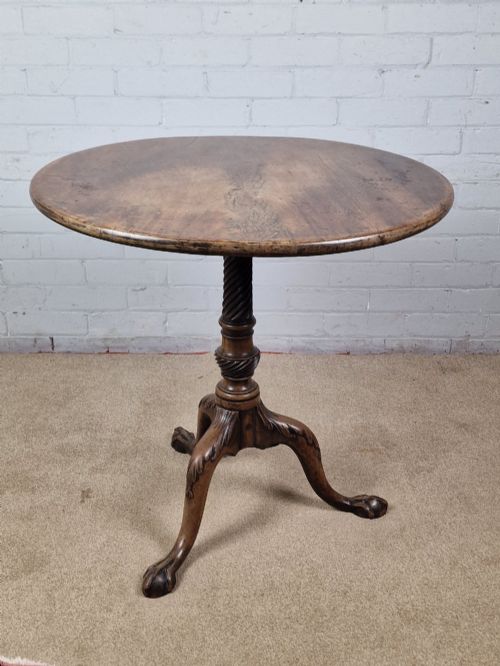
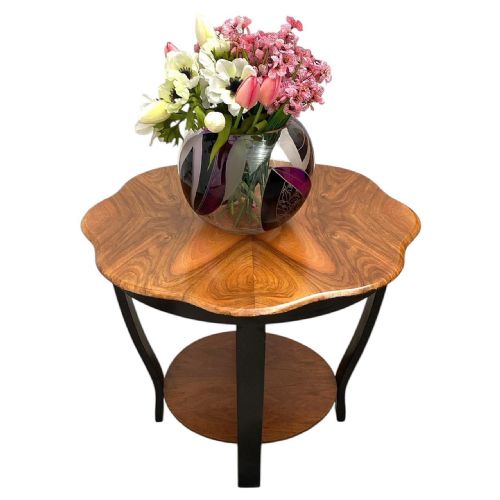
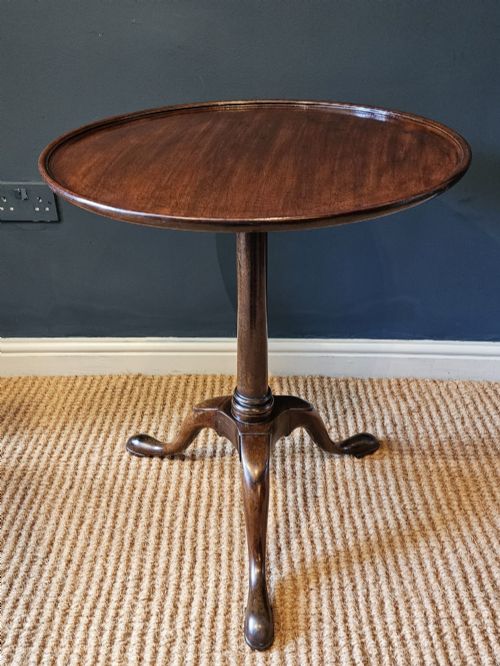
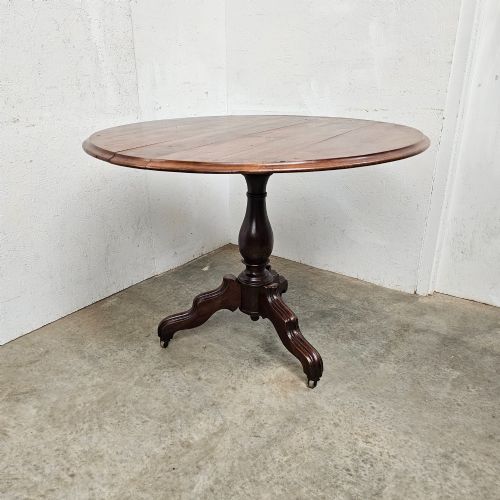
When you search for a circular walnut tea table, you encounter a variety of forms spanning several centuries, from early Georgian tripod designs to Art Deco coffee tables. The selection ranges from 18th-century tilt-top examples to Victorian occasional tables and later 20th-century coffee tables.
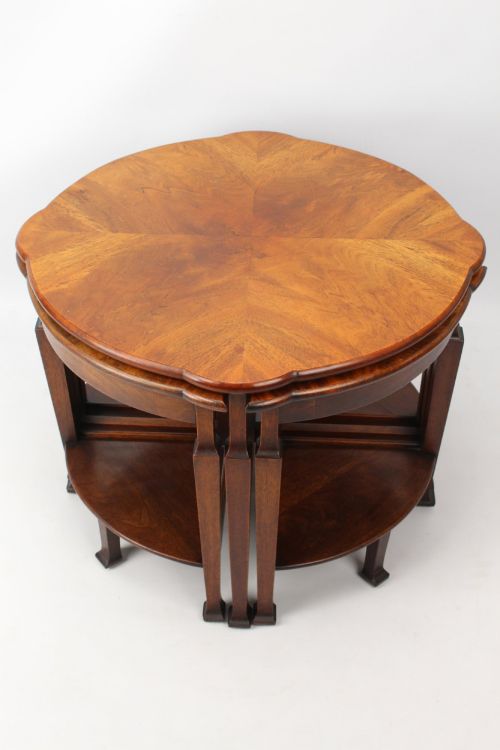
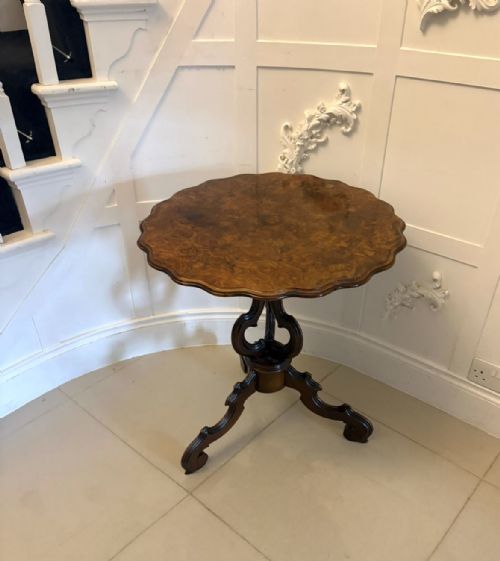
The version you are most likely to meet on this page is either a 19th-century occasional piece or a 1930s coffee table featuring walnut veneers. Many of these tables feature round tops supported by tripod legs or pedestals, sometimes incorporating tilt-top mechanisms or lower tiers.
How they were made
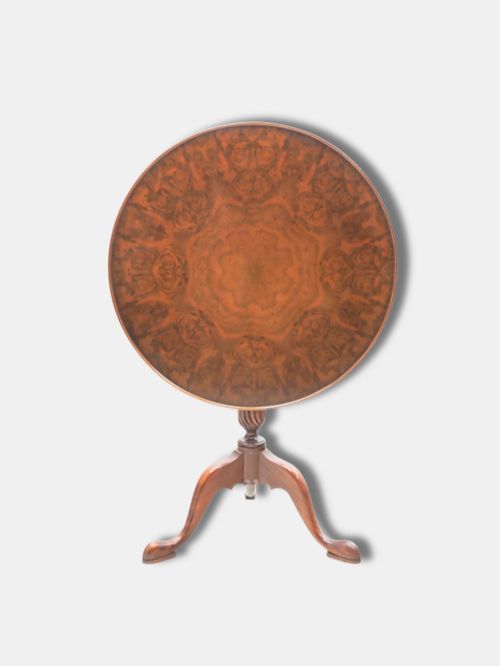
Makers utilised solid walnut, red walnut, and mahogany for structural elements, applying burr walnut and figured walnut veneers to create striking surface patterns on the tops. Brass fittings occasionally appear on hinges or mechanisms.
Joinery methods include tripod bases supporting central pedestals, alongside snap-top or tilt-top actions that allowed tables to be stowed away when not in use. Later 20th-century examples focus on low coffee table proportions and multi-tiered structures.
Circular Walnut Tea Table Retail Price Guide 2026
Typical asking prices for circular walnut tea table among the pieces listed under this phrase on Sellingantiques today, from the lower quarter to the upper quarter. They describe what is for sale here now, not the wider market.
Listings range from 18th-century Georgian designs to 1930s Art Deco coffee tables, utilising solid walnut, mahogany, and burr walnut veneer.
What varies in quality
The choice and cut of timber dictate much of the visual appeal, with richly figured burr walnut veneers marking out pieces with more decorative presence. Plain solid timbers or simpler veneers sit at the other end of the range.
Construction methods and the crispness of carved details, such as pie crust edges or tripod leg profiles, separate standard production pieces from those displaying finer craftsmanship.
The Circular Walnut Tea Table Glossary
- Tilt Top Table
- A table with a hinged top that rotates to a vertical position for storage.
- Burr Walnut
- A specialised wood cut from a tree growth, producing intricate, swirling grain patterns highly valued for decorative veneer.
- Tripod Table
- A small freestanding table supported by three legs radiating from a central pillar.
- Pie Crust Edge
- A raised, carved decorative border along the perimeter of a table top, resembling pastry crimping.
- Red Walnut
- A distinct variety of walnut timber known for its warm reddish coloration, often seen on earlier pieces.
Circular Walnut Tea Table: Frequently Asked Questions
What is a tilt top table used for?
A tilt top table served as a versatile surface for tea, dining, or reading in period homes. The hinged mechanism allowed the top to fold flat when not in use, making it easy to store against a wall.
Today, these tables function well as occasional surfaces or display stands in living spaces, retaining their dual character of utility and decorative presence.
Are Art Deco coffee tables made of walnut?
Many Art Deco coffee tables utilise figured walnut and burr walnut veneers to create symmetrical geometric patterns on the top surface. These 1930s pieces often feature lower tiers or heavy circular pedestals.
The combination of rich grain patterns and low, horizontal proportions defines the distinct aesthetic of this period.
What is the difference between burr walnut and figured walnut?
Burr walnut comes from an irregular growth on the tree, creating tight, swirling clusters of knots and eyes across the veneer. Figured walnut describes wood grain that shows pronounced waves or stripe patterns due to how the timber was sliced.
Both treatments enhance the visual depth of a circular table top compared to plain sawn timber.