

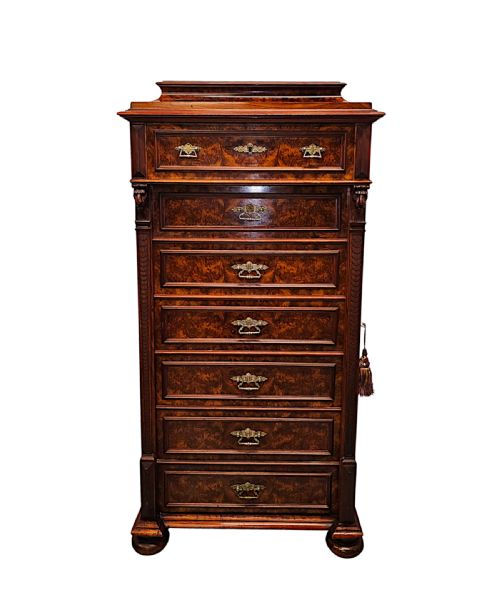
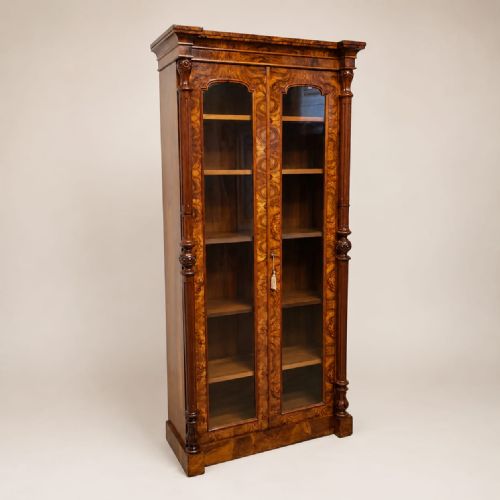
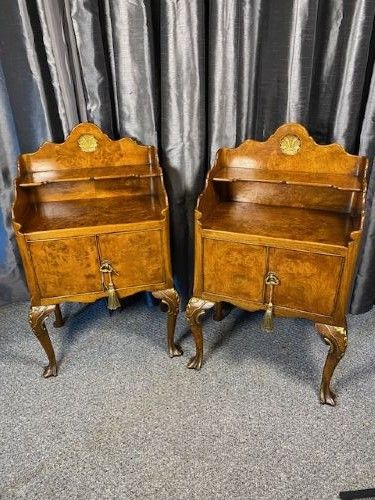
Carved Burr Walnut Cabinet
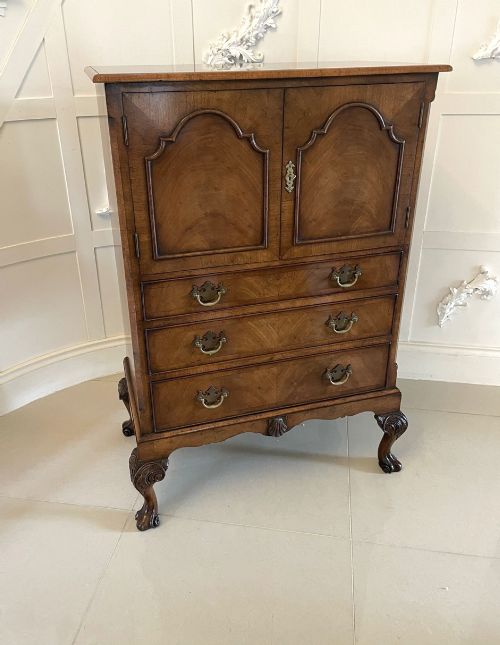
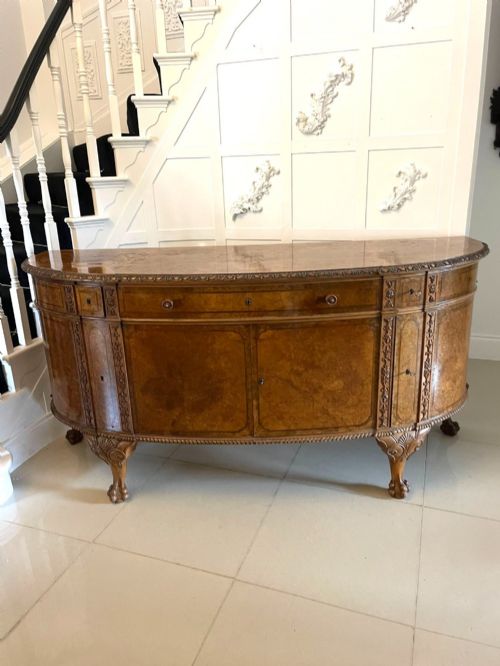
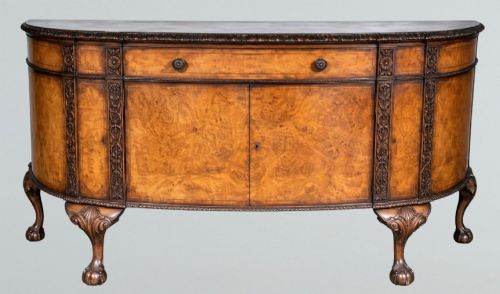
A carved burr walnut cabinet brings rich timber figure and sculptural detail into a room, spanning periods from Victorian grandeur to Art Deco design.
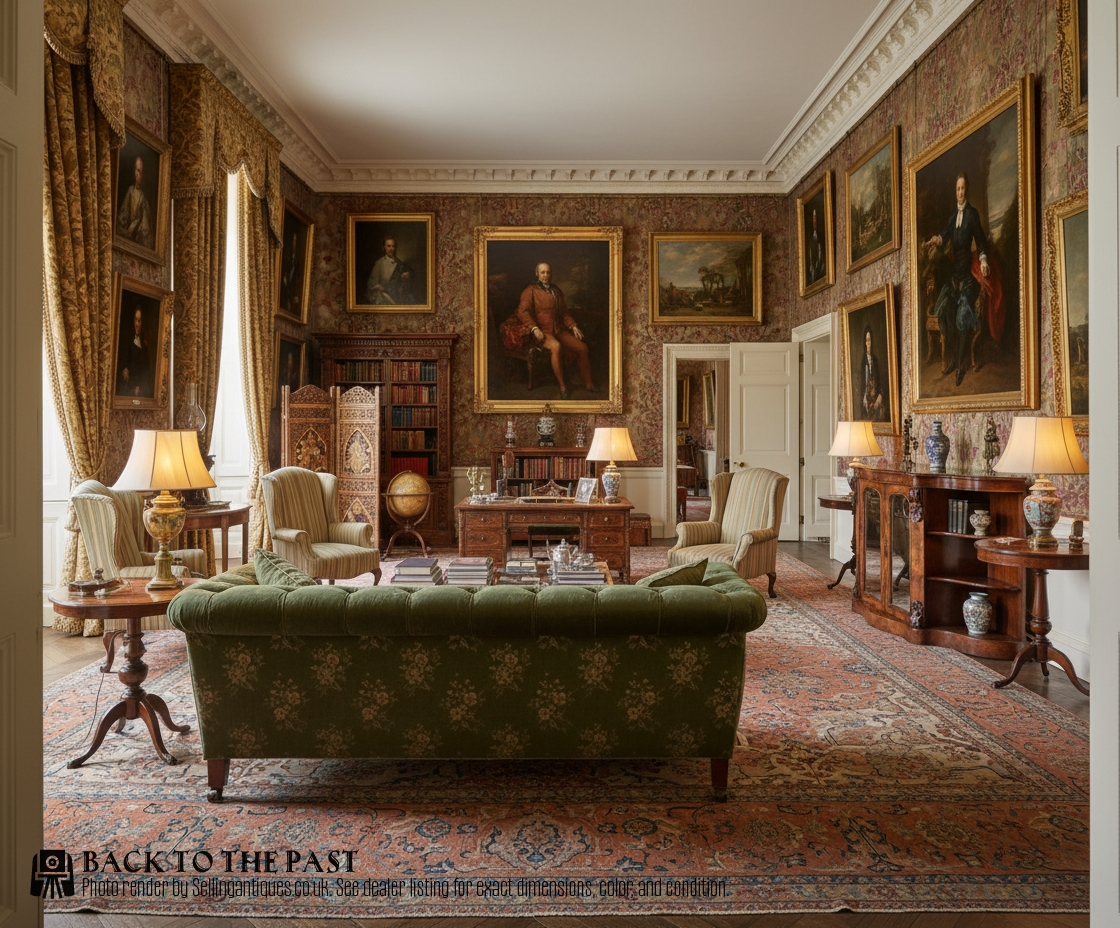
Carved Burr Walnut Cabinet
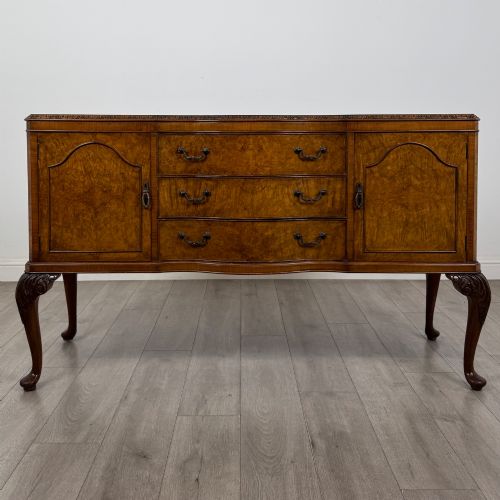
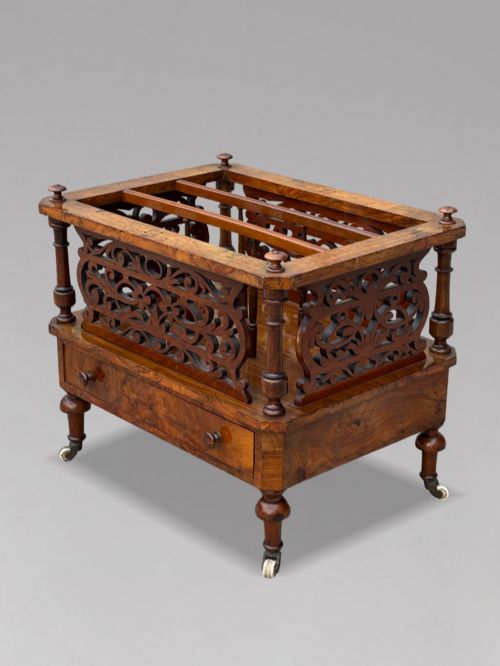
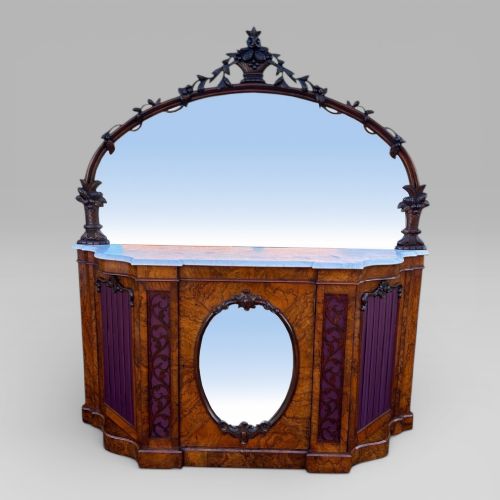
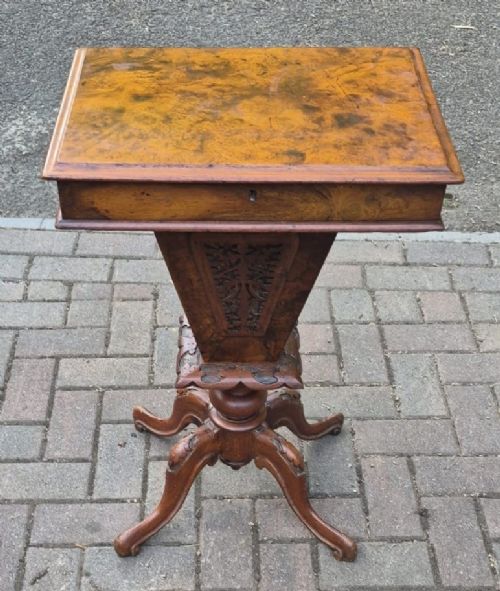
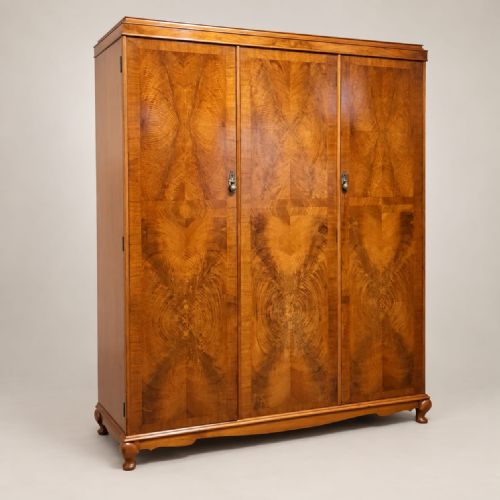
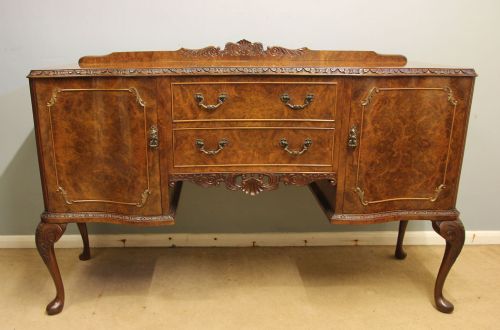
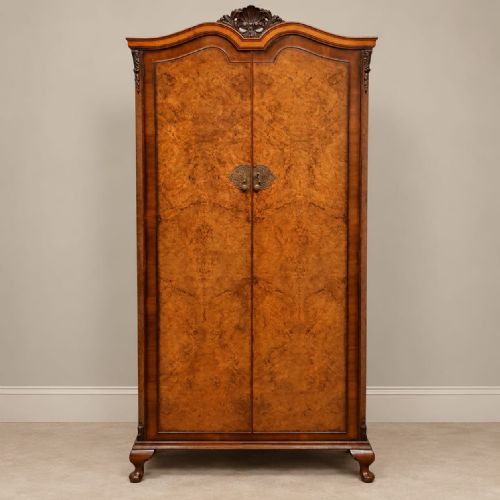
A carved burr walnut cabinet combines utility with the distinct, swirling patterns of burr wood veneer and carved ornamentation. When searching for this phrase, buyers encounter a diverse selection of forms ranging from Victorian credenzas and mirror-backed sideboards to 1920s cocktail cabinets and bedside chests.
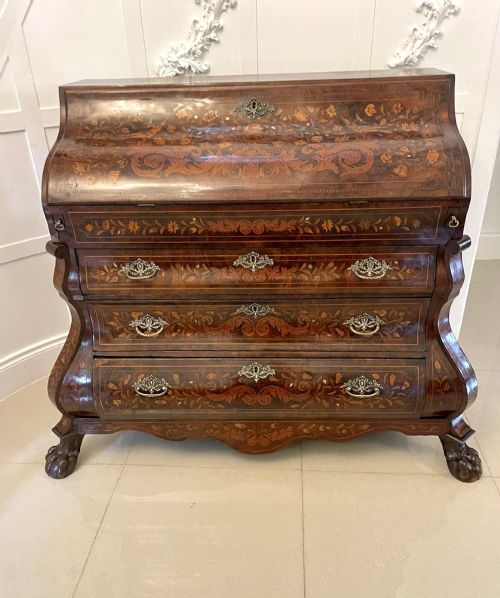
The pieces on this page span the nineteenth and twentieth centuries, capturing the revival of Queen Anne styles alongside Art Deco lines. Sideboards, wardrobes, desks and display bookcases frequently appear, often featuring shaped fronts, carved cabriole legs or glazed doors.
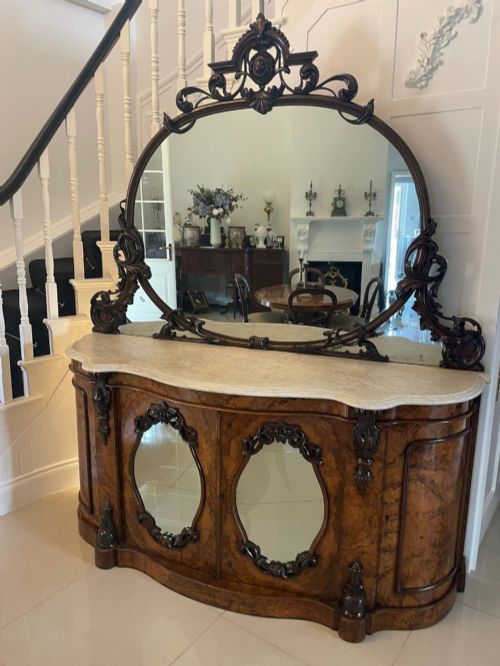
Victorian examples tend towards architectural credenzas with marble tops and carved mirror backs, while pieces from the nineteen-twenties and thirties often take the form of cocktail units, serpentine servers and compact bedside cupboards.
How they were made
Craftsmen built these cabinets using solid secondary timbers such as oak or pine, applying thin slices of highly figured burr walnut veneer to the primary surfaces to create symmetrical grain patterns. Solid walnut was reserved for mouldings, drawer framing and structural carved elements.
Decorative detailing relied on hand carving for cabriole legs, scrollwork and mirror frames, occasionally complemented by floral marquetry inlay or brass hardware. Marble tops, glass panels and fitted leather writing surfaces were integrated into more elaborate forms like credenzas and escritoires.
Carved Burr Walnut Cabinet Retail Price Guide 2026
Typical asking prices for carved burr walnut cabinet among the pieces listed under this phrase on Sellingantiques today, from the lower quarter to the upper quarter. They describe what is for sale here now, not the wider market.
Listings feature periods spanning from the eighteenth century through to the nineteen-thirties, incorporating Victorian, Edwardian, and Art Deco design movements.
What varies in quality
The excellence of a carved burr walnut cabinet rests on the selection and matching of the veneer, where book-matched swirls create a harmonious visual rhythm across the doors and drawers. Finer pieces display crisp, deep hand carving on the mounts and legs rather than soft or mechanical moulding.
Construction standards also set pieces apart, seen in the thickness of the burr walnut timber, the precision of the dovetail joinery in the drawers, and the integration of quality secondary woods like oak. Original brass mounts, functional fitted interiors and well-preserved marble or glass components elevate the standing of the piece.
Epstein
The Carved Burr Walnut Cabinet Glossary
- Burr walnut
- A veneer taken from the wart-like growth on a walnut tree, prized for its swirling, highly figured grain patterns. It requires expert application to prevent lifting.
- Credenza
- A sideboard or display cabinet originating in the Victorian period, frequently featuring a mirrored back and marble top. These pieces often serve as focal points in a dining room or salon.
- Marquetry
- The art of applying pieces of veneer to a structure to form decorative patterns or pictures. Floral motifs are common on eighteenth and nineteenth-century examples.
- Serpentine front
- A furniture front characterised by a concave centre flanked by two convex curves, creating a fluid wave shape. This contour demands advanced woodworking skill.
- Cabriole leg
- A furniture leg that curves out and then in, resembling the leg of an animal in motion. It often terminates in a pad, claw, or scroll foot.
Carved Burr Walnut Cabinet: Frequently Asked Questions
What is a burr walnut cocktail cabinet?
A burr walnut cocktail cabinet is a drinks storage unit popular during the nineteen-twenties and thirties, featuring fitted interiors for glassware and bottles. They often showcase highly figured veneer and carved cabriole legs.
These cabinets were designed for entertaining in the home, combining display space with practical storage for spirits and cocktail accessories.
How do I date a carved walnut cabinet?
Dating relies on stylistic clues, construction methods, and hardware. Victorian pieces often incorporate heavy carved mirror backs and marble tops, while Edwardian and nineteen-twenties examples embrace lighter Queen Anne revival lines or Art Deco geometry.
Secondary woods inside drawers and the thickness of the walnut veneer also provide guidance on whether a piece dates to the mid-nineteenth century or the interwar period.
Where should I place a bedside cabinet?
A burr walnut bedside cabinet suits a bedroom or guest room needing compact storage with decorative presence. Their small scale allows them to sit beside a bed while holding a lamp and nighttime essentials.
Matching pairs provide symmetry in larger bedrooms, whereas single cabinets work well in tighter spaces alongside a writing desk or armchair.
How do I care for burr walnut veneer?
Burr walnut requires stable indoor humidity and protection from direct sunlight to prevent the veneer from drying out or fading. Gentle dusting with a dry, soft cloth maintains the finish without stripping the historical polish.
Avoiding silicone-based polishes preserves the integrity of the timber and keeps the natural lustre of the figured grain intact over time.