
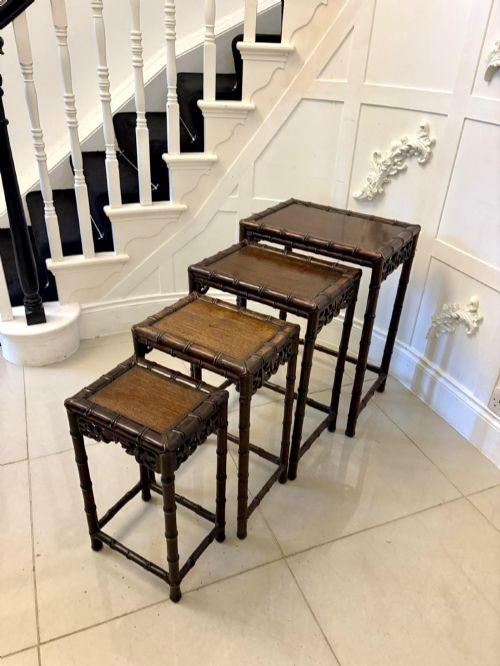
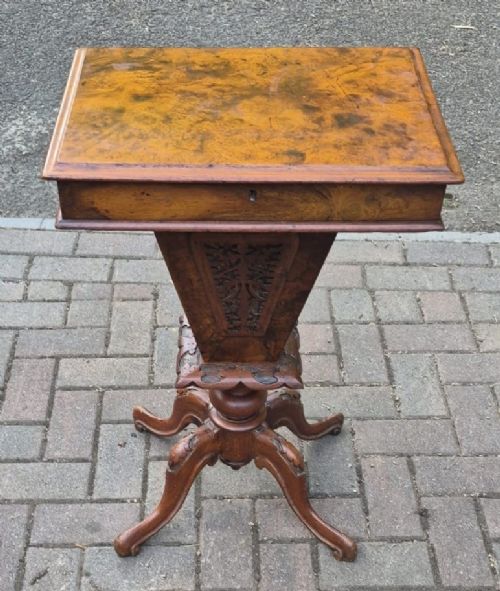
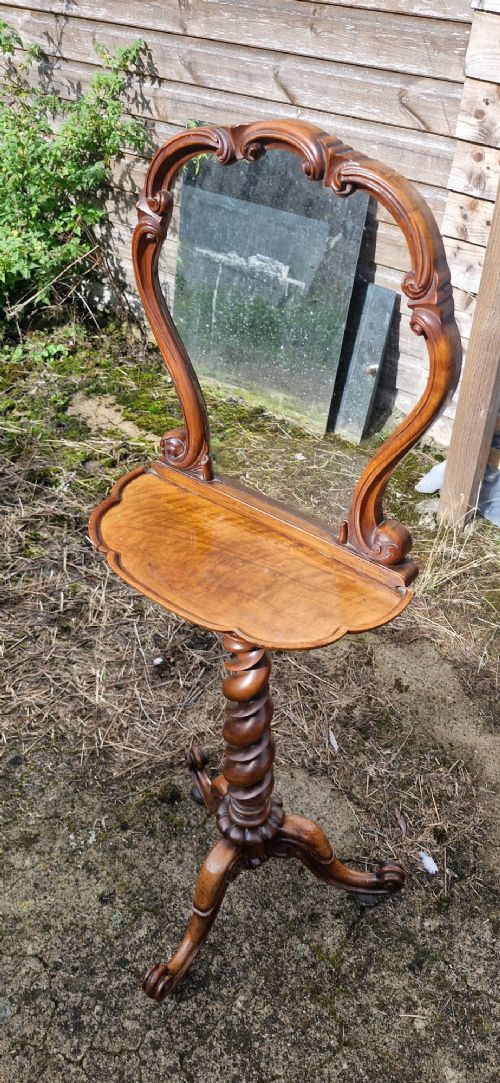
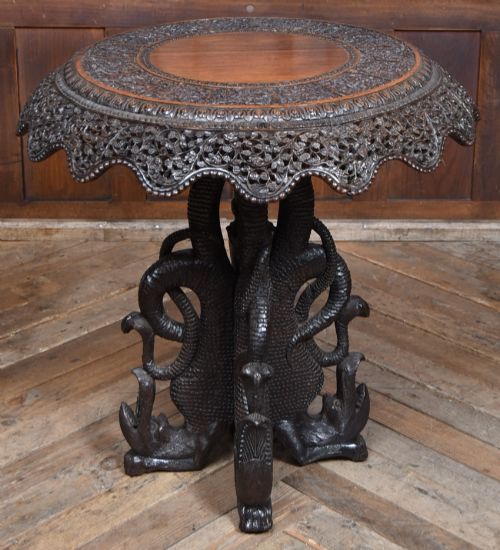
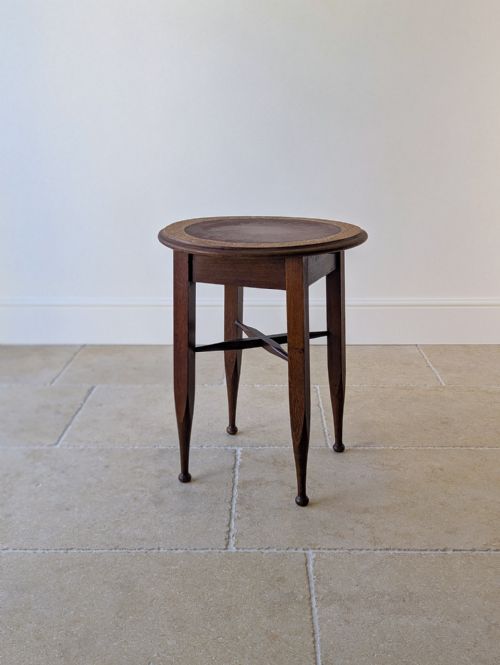
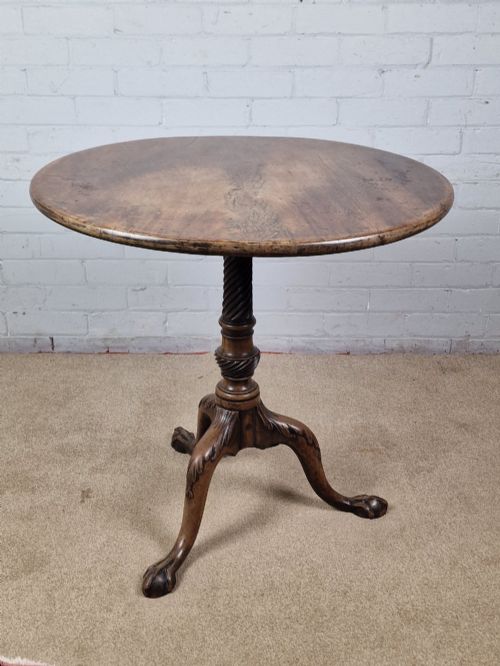


Carved Brown Occasional Table
A carved brown occasional table provides a sturdy small surface for daily use while displaying rich timber grain and period craftsmanship.
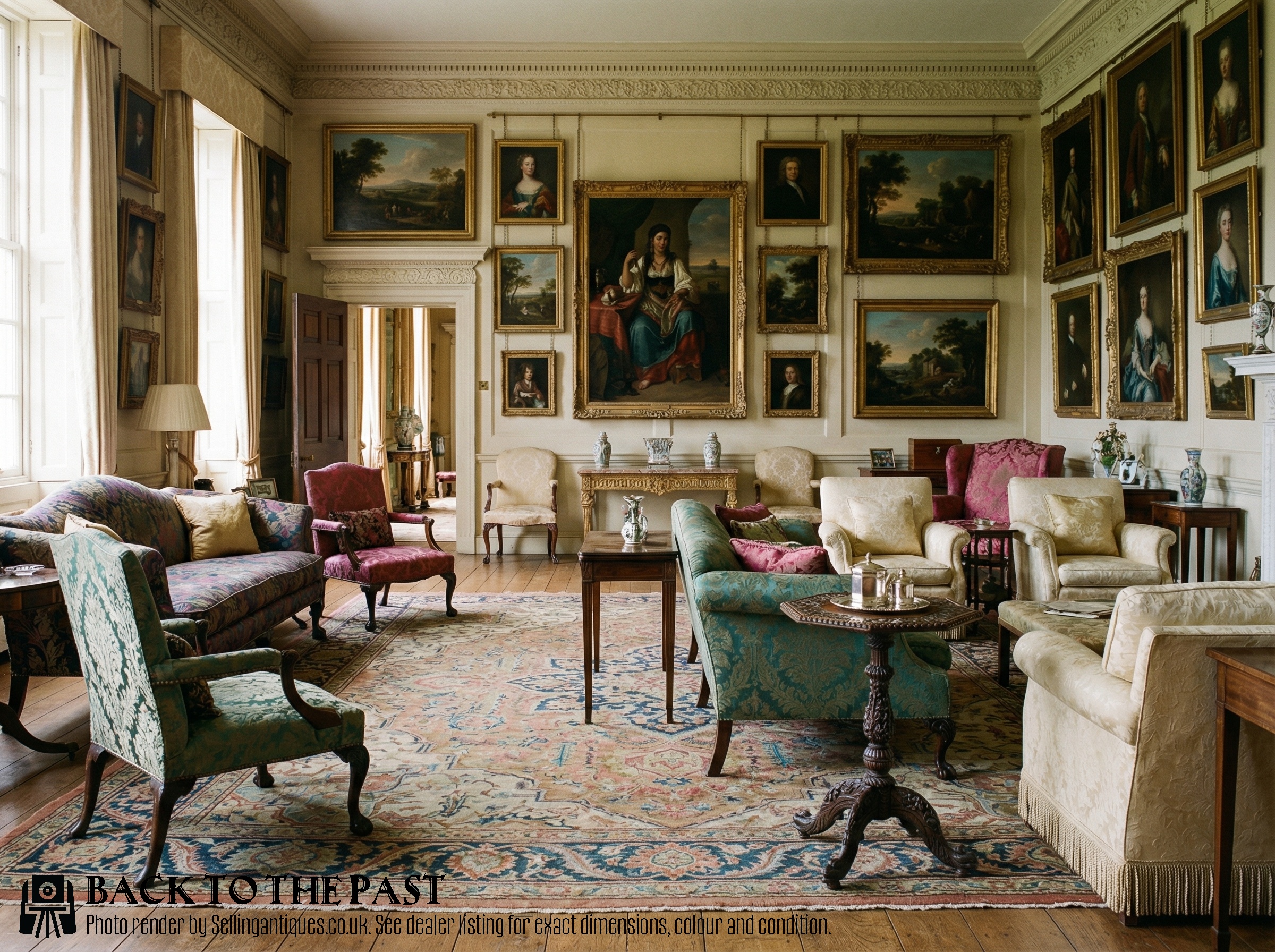
Carved Brown Occasional Table
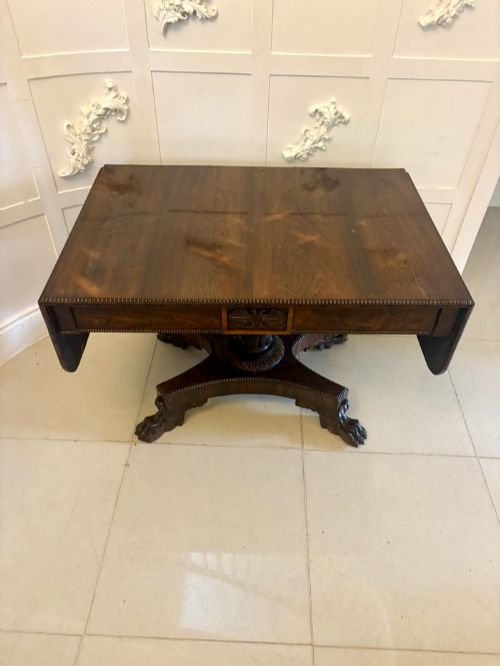
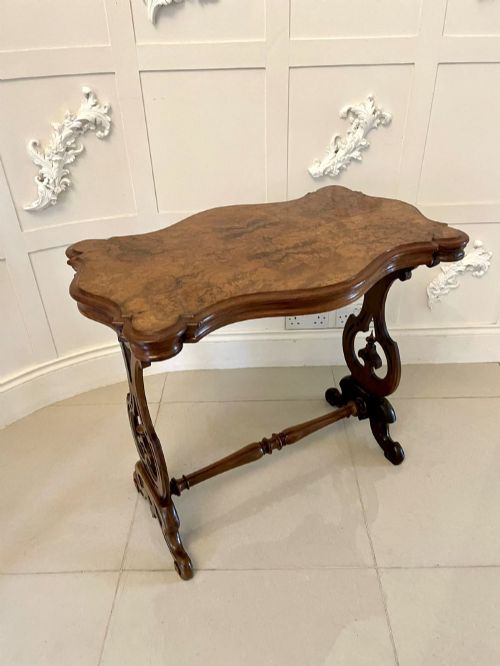
A carved brown occasional table brings compact surface utility to sitting rooms and halls, functioning as a lamp, lamp stand, wine, or small side table. You will frequently encounter Victorian and Edwardian examples fashioned in walnut, burr walnut, mahogany, and oak.
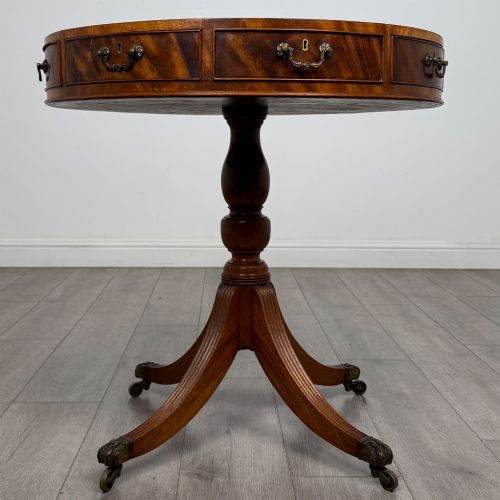
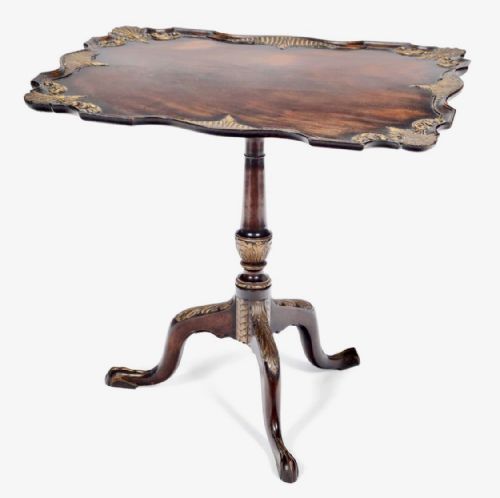
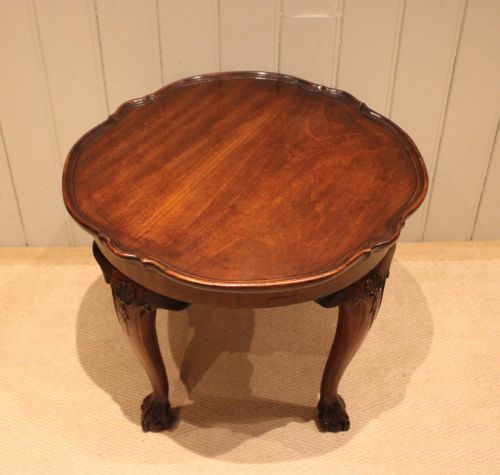
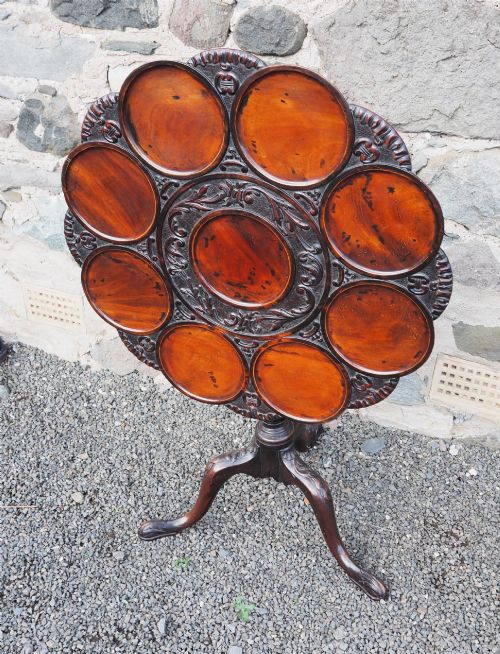
The forms range widely across the inventory, including circular lamp tables, tilt-top tripod tables, sewing tables, and low coffee tables. These versatile pieces suit placement beside seating or in corners where a full-sized table proves impractical.
Originating predominantly from British, Irish, and European workshops, these tables span periods from the nineteenth century into the early twentieth century. Their designs draw upon Regency, Arts and Crafts, and Jacobean revival styles.
How they were made
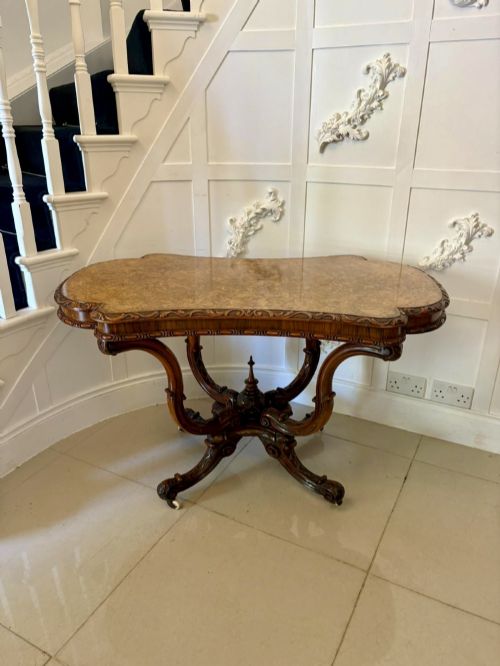
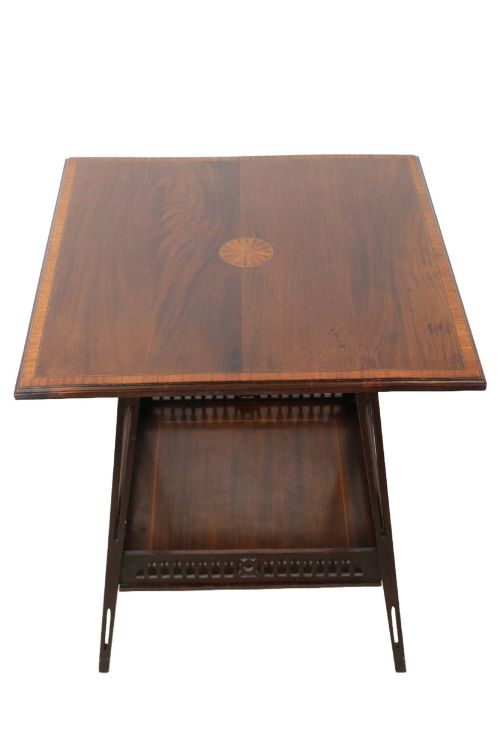
Cabinet makers utilised dense hardwoods such as mahogany, walnut, rosewood, and oak for structural stability and rich natural colouring. Burr walnut veneers and intricate marquetry inlay frequently embellished table tops to add visual depth.
Skilled artisans carved decorative motifs directly into the timber or applied parcel gilding and brass mounts. Pedestal bases, tripod legs, and turned supports provided sturdy foundations for circular, square, or shaped table tops.
The listings feature walnut, mahogany, oak, rosewood, and burr walnut across Victorian, Edwardian, and nineteenth-century periods.
What varies in quality
The selection of timber grain and the precision of the surface veneer dictate much of the visual distinction between individual tables. Rich burr walnut and figured mahogany with matched grain patterns represent superior cabinet work.
The depth, sharpness, and fluency of hand-carved elements separate standard production from finer workshops. Tables retaining original polished surfaces and solid structural joinery command greater appreciation among collectors.
Trevor Page & Co
The Carved Brown Occasional Table Glossary
- Tilt-top table
- A table with a hinged top that pivots vertically to allow compact storage against a wall when not in use. This mechanism typically employs a snap catch or pedestal lock.
- Burr walnut
- Timber taken from the gnarled growth of a walnut tree, producing swirling, highly decorative grain patterns. Cabinet makers prized this material for veneering prominent table surfaces.
- Occasional table
- A small, portable table designed for specific, intermittent tasks such as holding a lamp, book, or glass. These pieces move easily around a room as needed.
- Marquetry
- The art of applying decorative pieces of veneer to a structure to form intricate pictorial or geometric patterns. Craftsmen used various coloured woods to achieve tonal contrast.
- Tripod table
- A freestanding table supported by a central pillar resting on three legs. This construction prevents wobbling on uneven floors.
Carved Brown Occasional Table: Frequently Asked Questions
What rooms suit a carved brown occasional table?
These compact tables fit readily beside armchairs in sitting rooms, serve as lamp stands in hallways, or act as bedside surfaces. Their modest footprint allows them to occupy awkward corners without cluttering the floor space.
Because they move easily, you can reposition them whenever room layouts change or when extra surface space becomes necessary during social gatherings.
How do I care for timber surfaces?
Maintain walnut and mahogany surfaces by dusting regularly with a soft, dry cloth and applying natural beeswax polish sparingly to nourish the timber grain. Avoid placing tables near direct heat sources or in strong sunlight to prevent the wood from drying out.
Using coasters and placemats protects the polished finish from moisture rings and heat marks left by cups or glasses.
How do I distinguish Victorian from Edwardian tables?
Victorian tables often display heavier proportions, darker finishes, and elaborate carved details or burr walnut veneers. They frequently serve specialised functions like sewing or display.
Edwardian pieces tend to exhibit lighter construction, simpler oak or mahogany frames, and sometimes incorporate Arts and Crafts influences or subtle inlay work.