
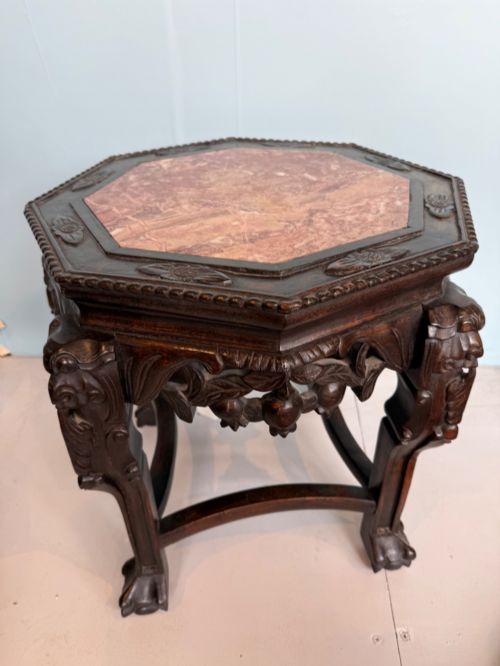

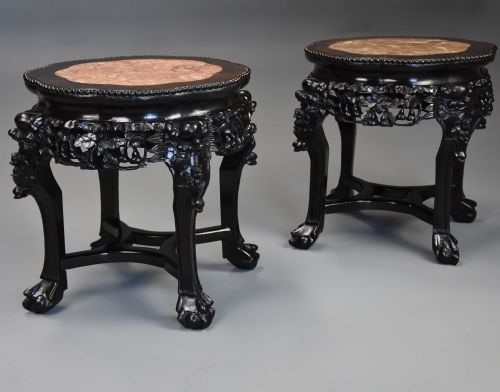


Carved Bonsai Table
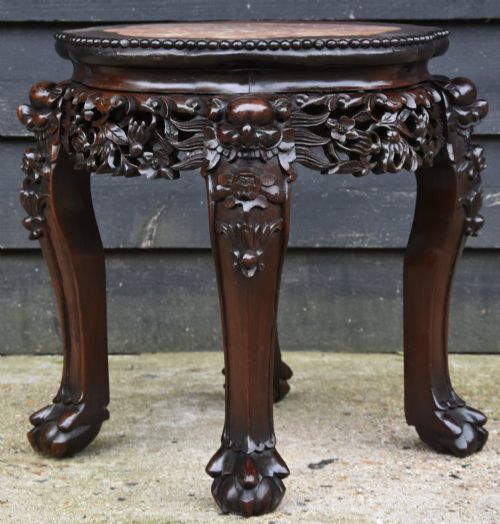
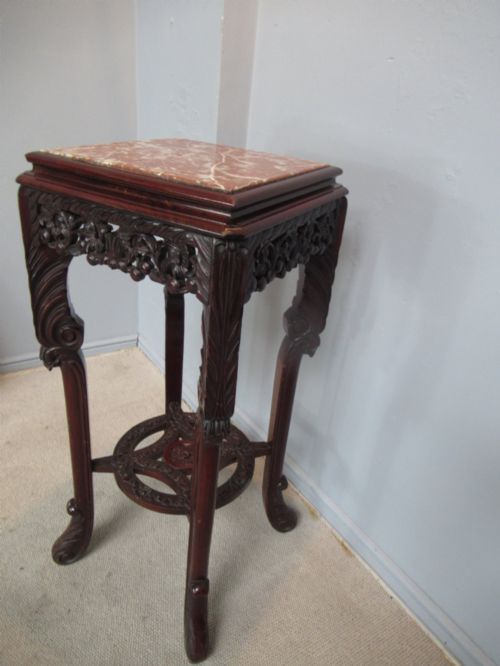
These carved bonsai table pieces are low stands and display pedestals designed to elevate plants and ornamental items, originating largely from nineteenth-century Chinese and Japanese workshops.
Carved Bonsai Table
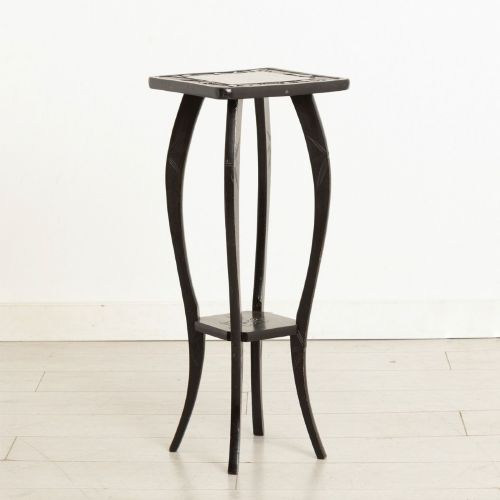
A carved bonsai table serves primarily as a plant stand, jardiniere stand, or low display surface. Buyers seeking a carved bonsai table will frequently encounter nineteenth-century Chinese hardwood examples alongside Japanese pieces from the Meiji and Taisho periods.
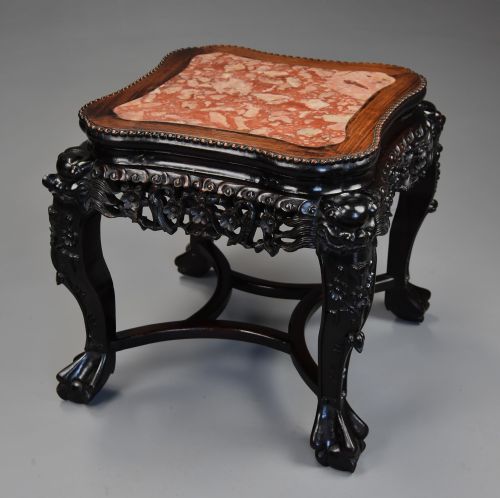
The objects span varied configurations, including low tables, multi-tiered pedestals, and opium tables. Many function as vase or urn stands, accommodating heavy ceramic vessels and decorative planters.
Origins trace predominantly to the Qing Dynasty and late nineteenth-century export production. These items bridge functional furniture and decorative art, designed to highlight specific botanical specimens or scholar's objects.
Materials and construction
Maker workshops utilised dense exotic timbers such as rosewood, padouk, hongmu, and huali wood. These heavy tropical hardwoods provided the structural integrity required for intricate relief carving without splitting.
Many surfaces incorporate inset marble panels, contrasting the dark grain of the timber with cool, smooth stone. Joinery techniques allowed complex shaped frames and apron designs to support substantial weight.
The listings show pieces spanning the Victorian era through the early twentieth century, constructed primarily from rosewood, padouk, and hongmu with inset marble panels.
Assessing the craftsmanship
Depth and crispness of the hand-carved ornamentation separate exceptional examples from standard production. Superior specimens display undercut foliage and animal motifs with sharp definition and balanced proportions.
The selection of timber grain and the precise fitting of inset marble tops dictate overall refinement. Heavier, denser woods with rich natural patination indicate higher status and more careful workshop selection.
Liberty of London
The Carved Bonsai Table Glossary
- Jardiniere stand
- A tall pedestal or small table specifically created to support a ceramic flower pot or jardiniere. These pieces elevate plants to improve light exposure and visual display within a room.
- Hongmu
- A traditional Chinese term denoting dense red or dark hardwood used in quality furniture. It offers durable strength and polishes to a deep natural sheen.
- Marble inset
- A polished slab of stone fitted flush into the wooden top of a stand. This insert provides a stable, water-resistant surface for wet plant pots and heavy vases.
- Kang table
- A low domestic table traditionally used on a heated platform bed in Chinese interiors. They feature short legs and substantial carved aprons suited for intimate domestic use.
Carved Bonsai Table: Frequently Asked Questions
What were these stands originally used for?
These pieces served as elevated display surfaces for prized potted plants, bonsai specimens, and decorative ceramics in traditional interiors. Their sturdy construction allowed them to hold heavy stone vessels and bronze urns safely.
Over time, collectors also utilised them as small side tables, lamp stands, or pedestals for scholarly objects. Their compact footprints made them versatile additions to varied domestic spaces.
How do I identify Chinese versus Japanese pieces?
Chinese examples frequently employ dense timbers like hongmu, padouk, and rosewood, often featuring deep pierced carvings of natural motifs associated with Qing Dynasty aesthetics. Marble inserts are a common characteristic of these stands.
Japanese pieces from the Meiji or Taisho periods often display distinct carving styles and lighter wood treatments associated with export markets or specific aesthetic movements of the late nineteenth century.
Are marble tops original to the tables?
Most marble inserts found in nineteenth-century hardwood stands are original to the piece, cut specifically to fit the shaped wooden recess. The stone protected the wood from moisture damage associated with watering plants.
When examining a stand, look for consistent ageing between the timber frame and the marble slab. The fit should remain snug within the surrounding rebate.
How should I care for hardwood stands?
Maintain these pieces by dusting regularly with a soft, dry cloth to protect the polished timber surface. Avoid placing them in direct sunlight or near heat sources to prevent wood movement.
Treat the hardwood periodically with appropriate natural wax rather than silicone polishes. Take care when placing heavy ceramic items on the marble top to avoid scratching the stone.