


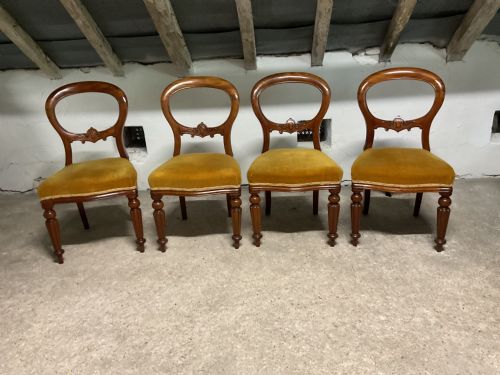
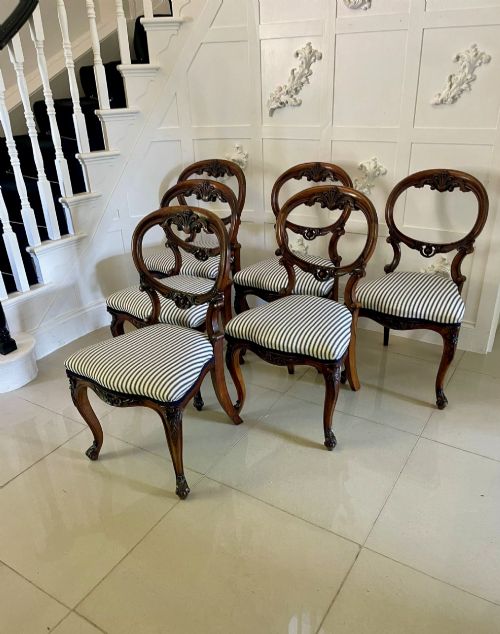
Carved Balloon Back
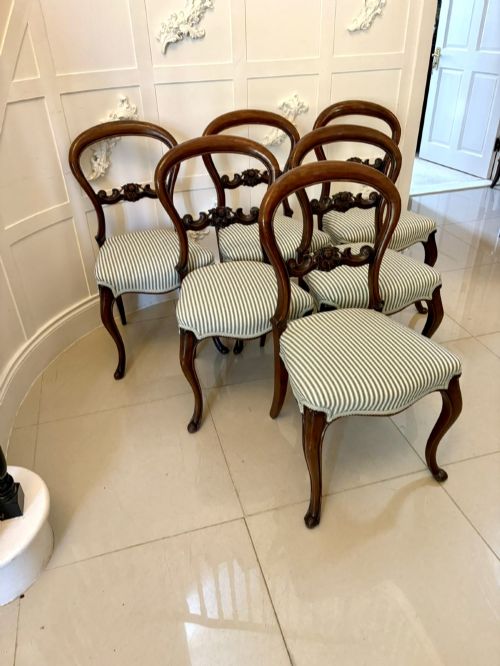
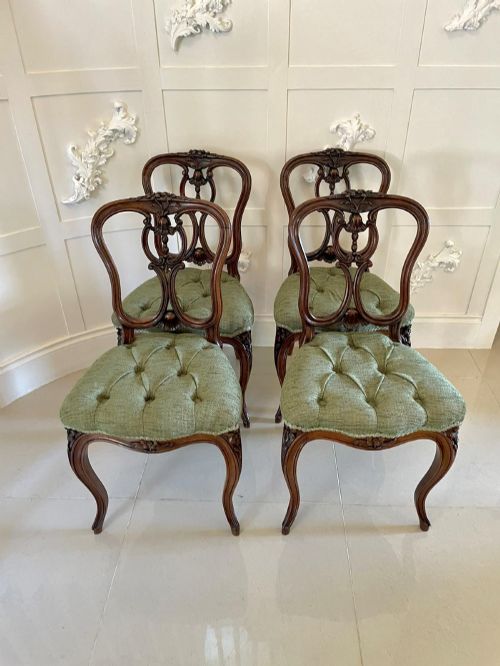
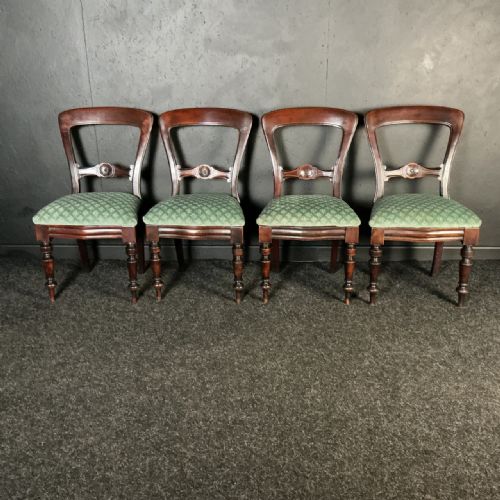
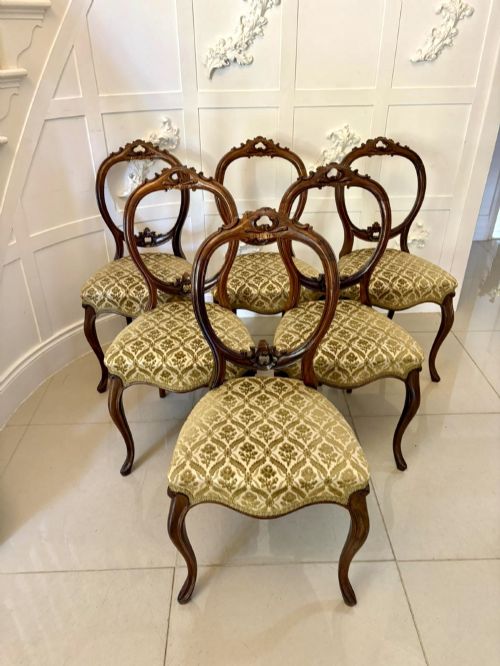
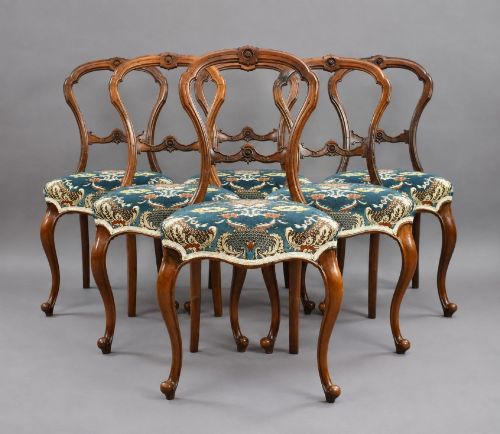
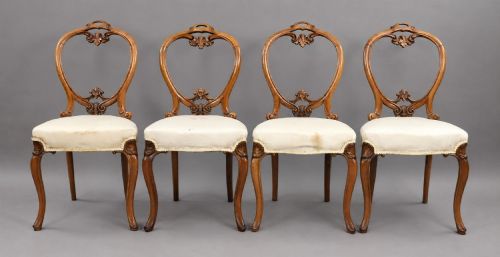
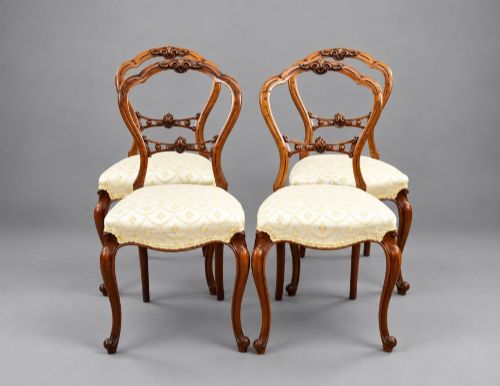
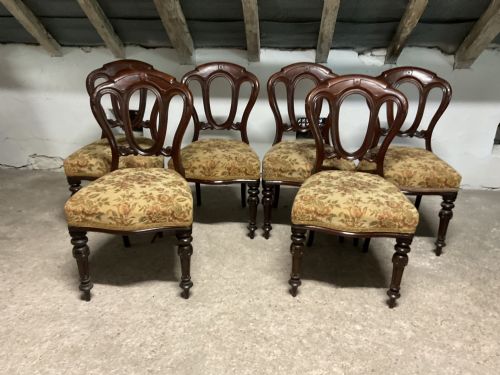
When you search for carved balloon back, you are looking at nineteenth-century seating defined by an oval or loop-shaped backrest adorned with carved woodwork.
Carved Balloon Back
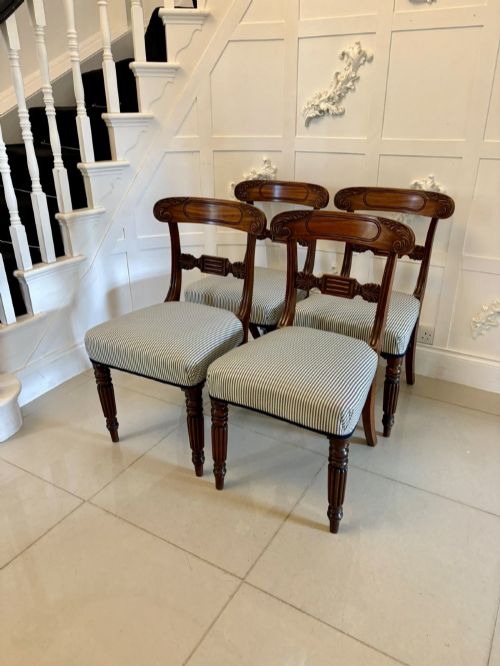
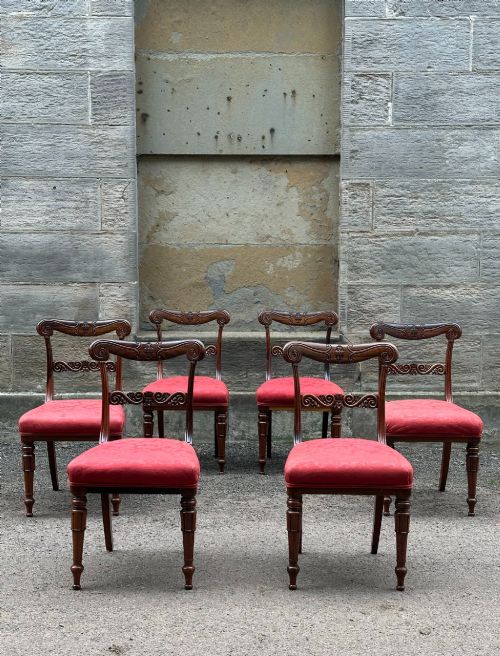
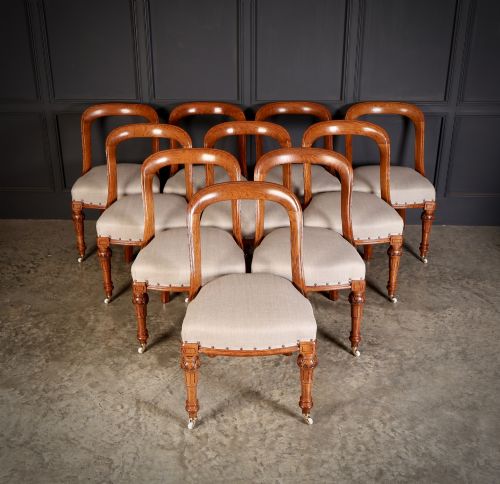
A carved balloon back refers primarily to nineteenth-century dining chairs and occasional chairs featuring a distinctive rounded backrest profile resembling a balloon. These pieces emerge predominantly from the Victorian and Regency periods, spanning walnut, mahogany, and rosewood constructions. The form appears most frequently as dining sets or occasional chairs intended for drawing rooms and parlours.
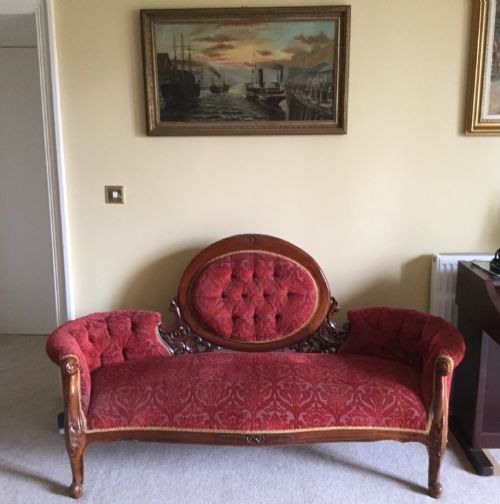
Beyond standard dining chairs, the search encompasses side chairs, armchairs, and occasional seating designed with the characteristic curved top rail. Examples range from simple domestic seating to ornate parlour suites incorporating carved foliate motifs and scrolled crossbars. The silhouette remains a steadfast marker of mid-nineteenth-century British cabinet making.
How they were made
Cabinet makers constructed the iconic curved backrest by steaming and bending solid hardwoods like mahogany and walnut into continuous oval loops, or by painstakingly sawing the shape from thick timber planks. Dense timbers were essential to maintain structural integrity under the strain of the curved frame. Joinery relied on mortise and tenon joints to secure the back frame to the seat rails.
Upholstery techniques involved drop-in pads or overstuffed serpentine fronts secured over webbing and horsehair stuffing, covered in fabrics such as velvet, damask, or brocade. Carving on the crest rails and splats was executed by hand using gouges and chisels, rendering leaf motifs, scrolls, or heraldic crests directly onto the solid wood.
Some Victorian craftsmen carved tiny wooden crowns into the top rails, letting diners feel royal while eating roast beef.
What varies in quality
The distinction between standard domestic seating and exceptional pieces lies in the crispness and depth of the hand-carved details on the balloon frame. Superior examples display undercut foliate carving and well-proportioned scrolling crossbars rather than shallow, mechanical shaping. The choice of timber also dictates grade, with finely figured rosewood and rich burl walnut commanding higher regard than plain mahogany.
Structural harmony and original matching sets elevate the desirability of these chairs significantly. Pieces that retain their robust joinery without excessive timber shrinkage or replacement stretchers represent the upper tier of surviving examples. The integration of the back frame to the seat base must demonstrate seamless cabinet work.
Gillows
The Carved Balloon Back Glossary
- Balloon back
- A chair back shaped in a continuous oval curve resembling an inflated balloon. This style gained immense popularity during the Victorian era for dining and parlour seating.
- Cabriole leg
- A furniture leg that curves outward at the knee and tapers inward toward the foot, often ending in a scroll or pad. It references animal limbs and appears frequently on mid-nineteenth-century chairs.
- Crest rail
- The top horizontal or curved member of a chair back. On these pieces, it frequently bears the primary carved ornamentation.
- Serpentine front
- A furniture front curving outward in the centre and inward at the sides in a wave-like line. This contour often defines the upholstered seat frame of finer dining chairs.
- Overstuffed seat
- An upholstered chair seat where the padding extends out over the wooden frame, concealing the side rails entirely. This method provided enhanced comfort for prolonged dining.
Carved Balloon Back: Frequently Asked Questions
What era are these chairs from?
The pieces listed belong principally to the nineteenth century, with the vast majority originating during the Victorian era between 1850 and 1880. Earlier examples stretch back to the Regency and George IV periods around 1820.
Craftsmen continued producing variations into the late nineteenth and early twentieth centuries. Examining the timber density and hand-carving techniques helps distinguish the earlier decades from later reproductions.
Were they used only for dining?
While dining chairs form the largest category on the market, the balloon back shape was equally popular for occasional chairs, ladies' boudoir seats, and library armchairs. Their decorative carved frames suited reception rooms and parlours just as well as formal dining tables.
Smaller side chairs and bedroom variants often featured lower profiles or specific upholstery suited to private chambers rather than communal dining spaces.
How should I care for the wood?
Maintain the polished timber surfaces by applying natural beeswax periodically to nourish the grain and prevent the antique mahogany or walnut from drying out. Avoid placing the chairs near direct heat sources or strong sunlight, which causes timber to warp and fabric to fade.
Handle the curved crest rails with care when moving the chairs, as the delicate joinery where the back meets the seat bears significant leverage.
How do I spot a matched set?
Examine the subtle variations in the hand-carved details along the top rail, as individual carvers left distinct tool marks and minor asymmetries on antique sets. Slight differences in timber grain and chair height often indicate whether a dining set grew over time or was built as one uniform commission.
Checking the underside of the seat frames often reveals assembly numbers or maker's pencil marks that confirm which chairs originally belonged together.