
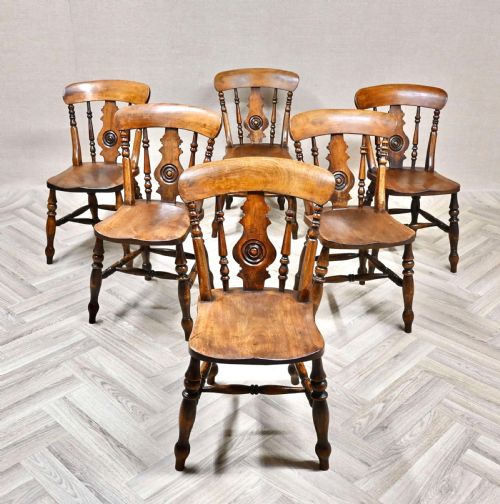
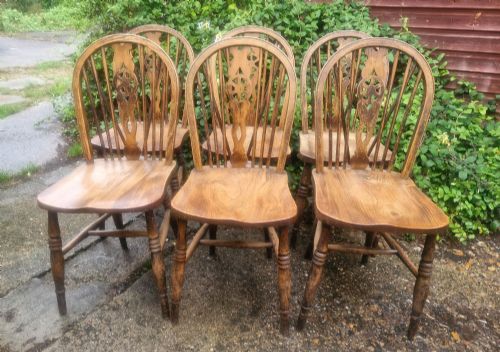
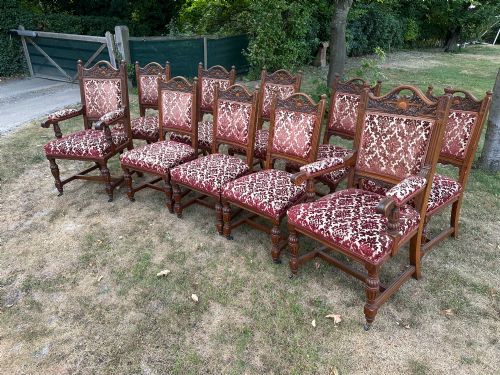
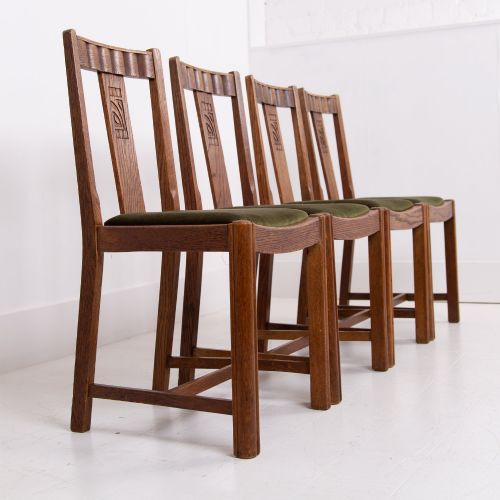




Carved Back Kitchen Chairs
Carved back kitchen chairs bring everyday utility and regional style into the home, offering solid timber construction and distinct regional shapes.
Carved Back Kitchen Chairs
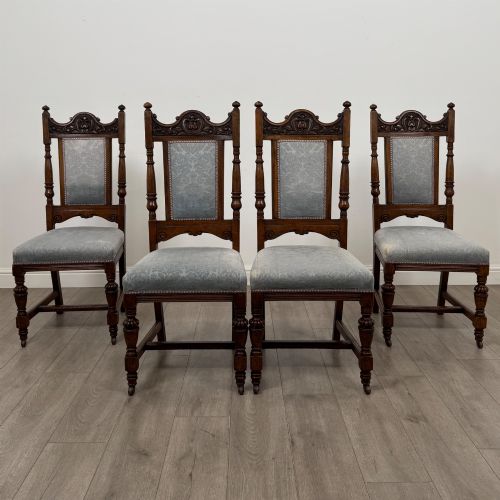
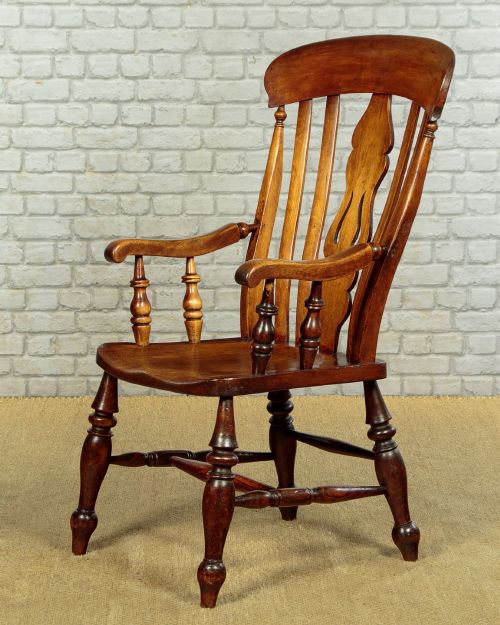
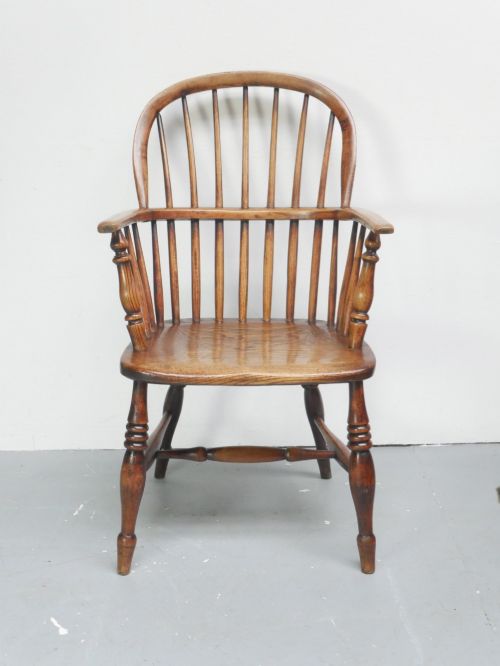
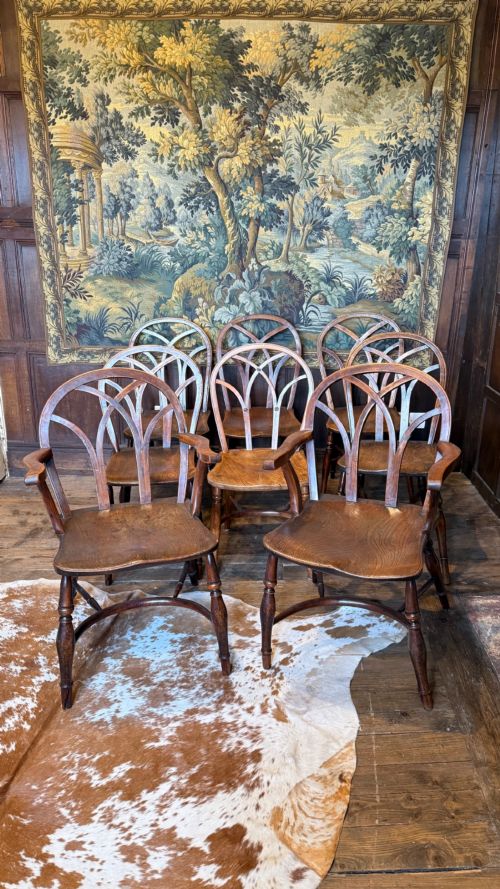
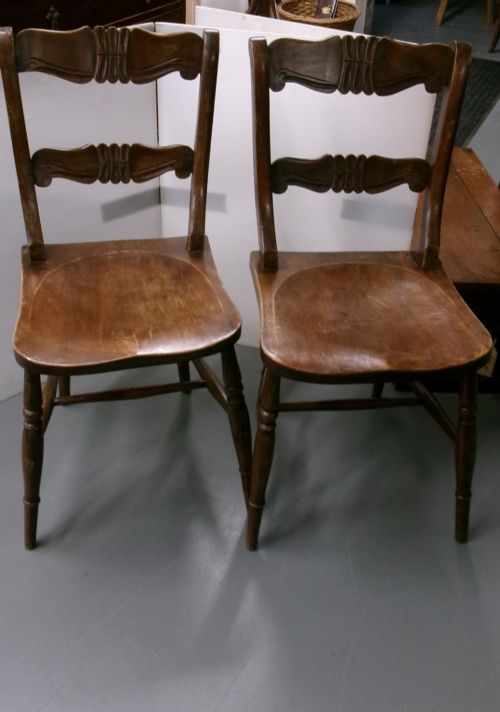
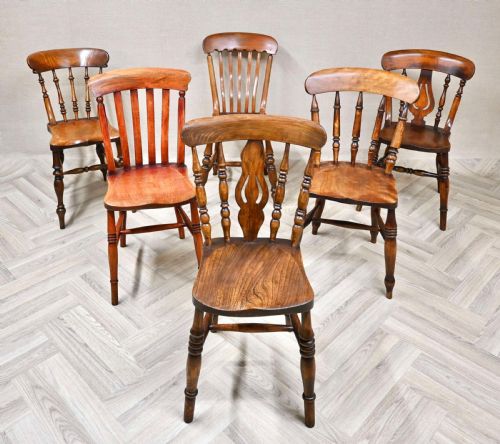
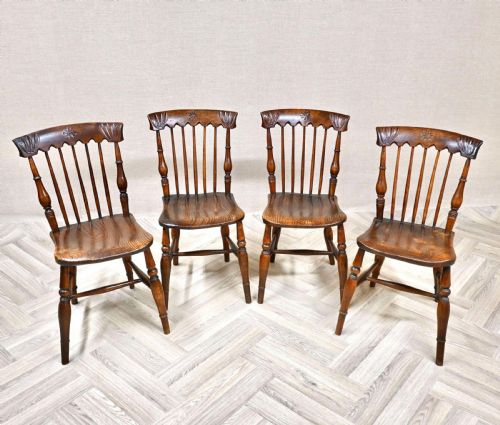
Carved back kitchen chairs encompass sturdy wooden seating created for domestic spaces across the nineteenth and early twentieth centuries. Buyers frequently encounter Windsor forms alongside ladder back and wheel back variants in these listings.
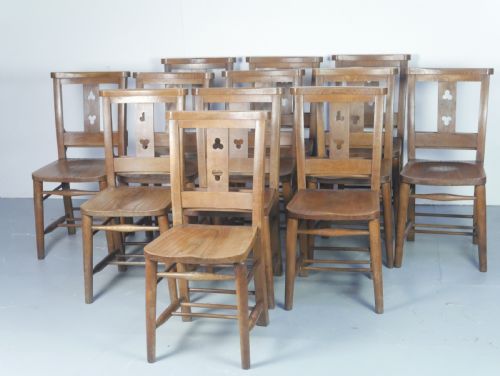
The material origins span English country workshops, French provincial makers and Scottish makers. Pieces appear as individual side chairs, carvers and matched sets intended for everyday dining and kitchen use.
Makers utilised native hardwoods and softwoods to shape functional seating for farmhouses and town houses alike. Regional traditions dictate the turning of the spindles and the profiling of the solid wooden seats.
Materials and technique
Craftsmen shaped these chairs using traditional timber framing and turning methods suited to local woods. Oak, elm, beech, ash and yew provide the structural strength required for daily domestic life.
Seats are frequently saddled from single planks of elm or hardwood, while spindles and legs are turned on pole lathes. Rush seating also appears, woven directly into the frames of provincial ladder back chairs.
Certain Windsor chairs retain deep hollows in their elm seats from generations of hurried breakfasts and long evening conversations.
What varies in quality
The distinction between ordinary and superior pieces rests on timber selection and the harmony of the proportions. Heavier gauge timbers and finely turned spindles separate finer regional work from utilitarian alternatives.
Original surface patination and the integrity of the joined construction dictate the standing of an individual chair. Matched sets with uniform carving and minimal replacement parts command greater attention from collectors.
The Carved Back Kitchen Chairs Glossary
- Windsor
- A chair built with a solid wooden seat into which the legs and back spindles are directly joined. This form relies on a heavy saddle seat for comfort and stability.
- Ladder back
- A chair featuring horizontal wooden slats or rails between the vertical back posts. These rails are often shaped or carved to add decorative detail.
- Wheel back
- A Windsor variant featuring a pierced splat carved in the shape of a cartwheel. It gained widespread popularity during the nineteenth century.
- Rush seat
- A seating surface woven from dried marsh rushes around a wooden frame. This technique appears frequently on French provincial and country chairs.
- Saddle seat
- A wooden seat base carved into a concave depression to fit the human form. Elm is frequently employed for this component due to its resistance to splitting.
Carved Back Kitchen Chairs: Frequently Asked Questions
How do I care for antique wooden kitchen chairs?
Keep wooden seating away from direct heat sources and sudden humidity changes to prevent the timber from splitting.
Apply a microcrystalline wax periodically to nourish the surface and maintain the natural lustre of the grain.
Were these chairs used only in kitchens?
While designed primarily for robust domestic tasks in farmhouses and kitchens, many examples served in reception halls and dining rooms.
Their durable construction made them suitable for any area requiring practical and unpretentious seating.
How can I tell a Windsor chair from other country chairs?
A Windsor chair is defined by its distinct construction method where the legs and back components fit directly into a thick wooden seat.
Other country chair styles typically use a framed post and rail skeleton rather than a central solid plank base.
What woods were most commonly used?
Elm, oak, ash and beech form the backbone of these regional chair traditions, chosen for their local availability and strength.
Combinations of woods within a single chair, such as ash spindles and an elm seat, are entirely normal for the period.