
Carved Back Bench
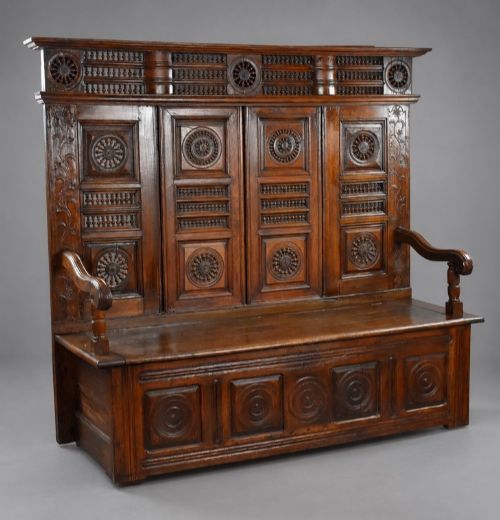
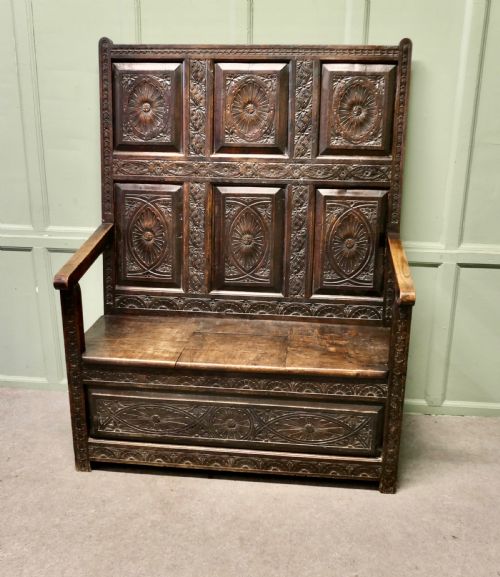
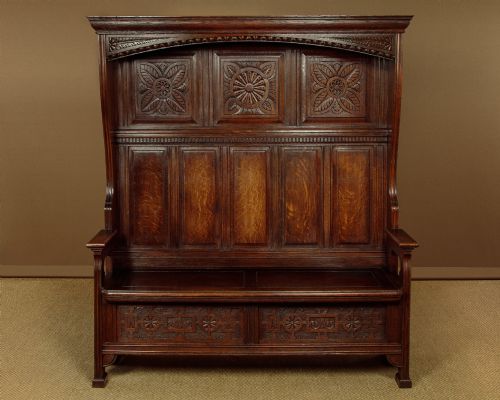
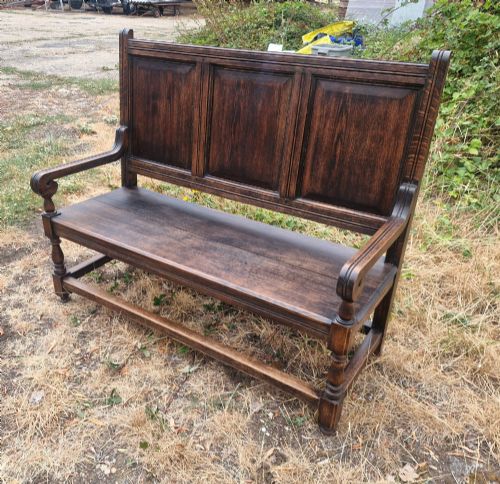
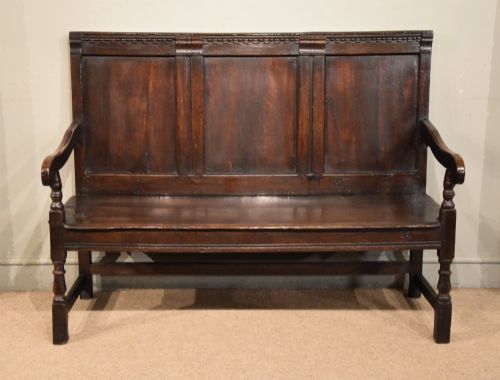
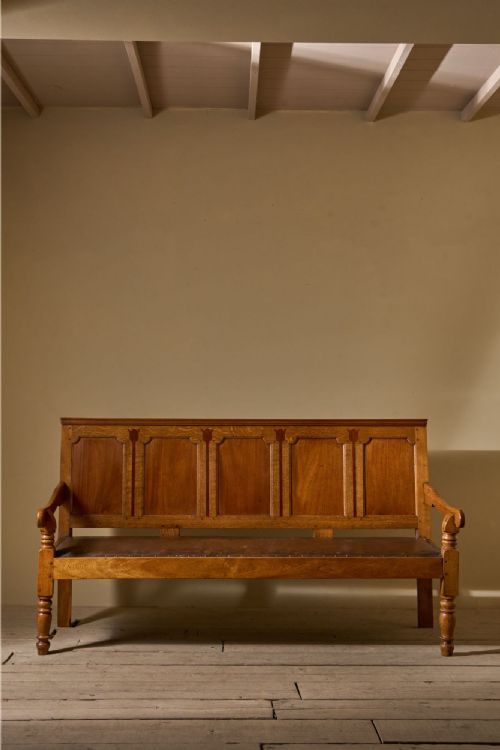
A carved back bench brings architectural presence to a hallway, often appearing as an oak settle or high back seat.
Carved Back Bench
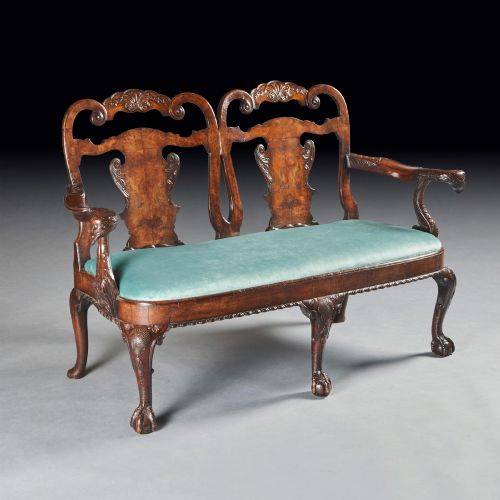
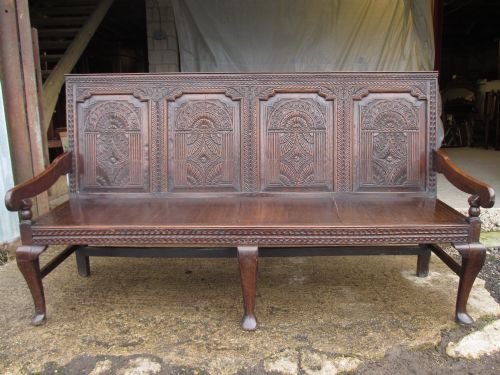
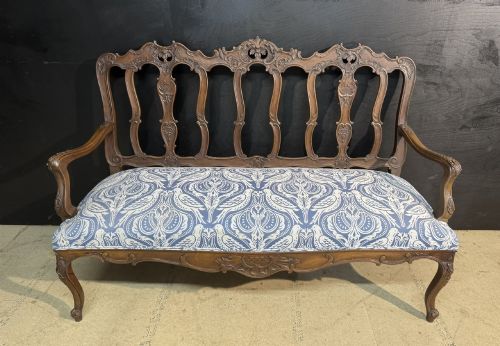
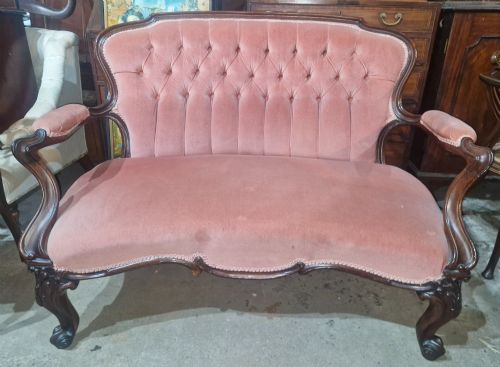
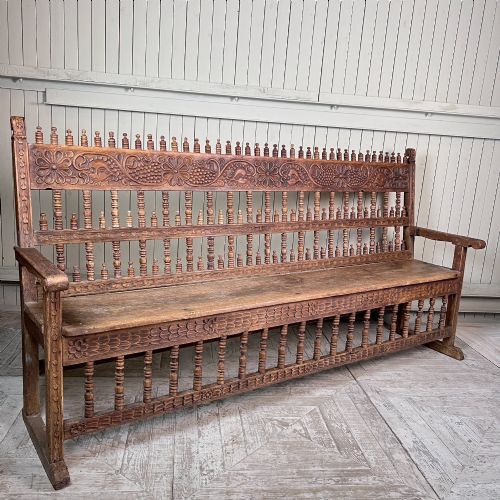
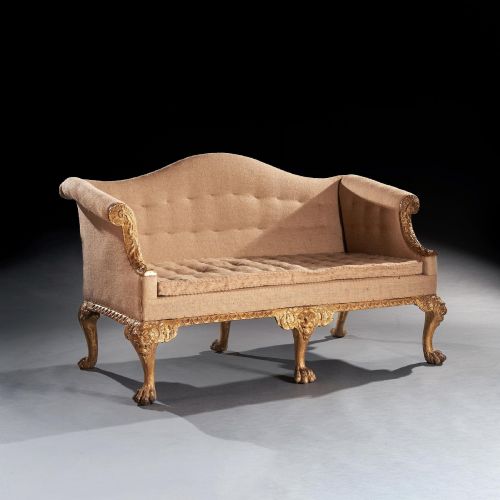
A carved back bench encompasses a range of seating forms designed for hallways and living spaces, drawing on centuries of cabinet making traditions. When searching for a carved back bench, buyers encounter substantial wooden seats including settles, hall benches, and settees from various historical periods.
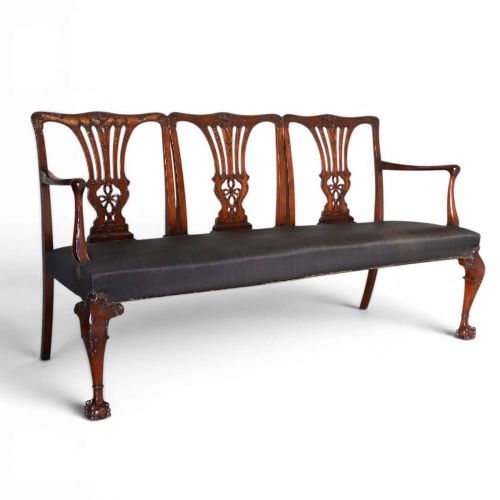
The selection on this page leans heavily towards oak pieces from the seventeenth, eighteenth, and nineteenth centuries, alongside walnut and mahogany examples in revival styles. Settles with panelled backs and box storage under the seat appear frequently among the listings.
Origins span English country workshops, continental European studios, and later Edwardian reproductions. Each form serves a practical function while displaying the decorative carving that defines the category.
Materials and construction
Solid timber forms the foundation of these seats, with oak dominating the earlier periods and walnut or mahogany prevailing in later centuries. Craftsmen utilised traditional joinery methods such as mortise and tenon joints to build sturdy frames capable of withstanding daily use.
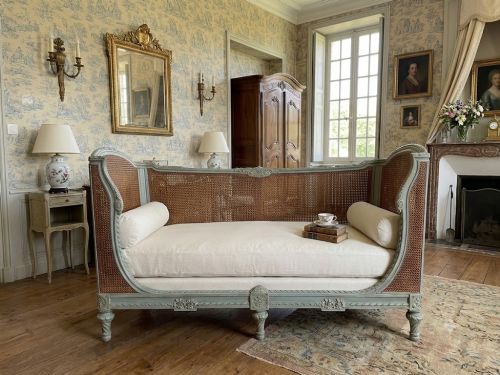
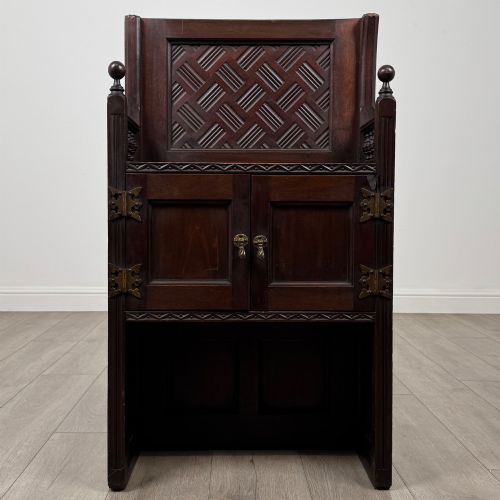
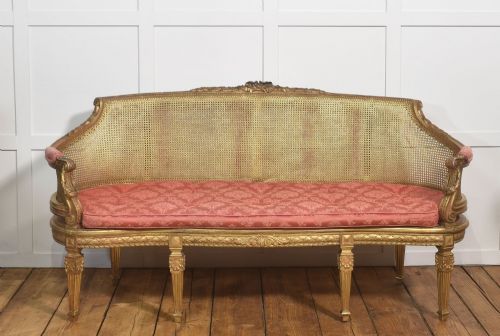
Carving was executed by hand directly into the timber panels, often featuring floral motifs, geometric strapwork, or figural details. Secondary materials like cane, brass, and various upholstery fabrics appear on specific styles including Louis XVI designs and day beds.
Some seventeenth-century settles feature hinged box seats designed originally to store firewood and keep family boots dry.
Judgements of quality
Depth and crispness of the hand carving distinguish finer examples from simpler vernacular pieces, with sharper chisel work indicating skilled execution. The choice of timber grain and the integrity of the original construction panels dictate the overall character of the piece.
Proportion and balance within the carved backrest affect the visual harmony of the seat. Pieces retaining their original timber surfaces without excessive later alterations hold greater authenticity for collectors.
Giles Grendey
The Carved Back Bench Glossary
- Settle
- A wooden bench with a high back, solid arms, and often a closed box base to keep out draughts. These seats served as practical hallway furniture in earlier homes.
- Cassapanca
- An Italian wooden bench featuring a hinged seat forming a chest, combined with a backrest and armrests. They frequently display carved walnut surfaces.
- Canapé
- A decorative French upholstered sofa style that often incorporates exposed carved woodwork and caned panels. Examples frequently follow Louis XVI design canons.
- Panelling
- Flat sheets of wood framed by stiles and rails, commonly decorated with low relief carving on the backrests of early benches. This technique provided structural stability to large wooden areas.
- Box settle
- A specific form of bench where the base functions as a storage chest accessed by lifting the seat. This dual purpose design maximised utility in period interiors.
Carved Back Bench: Frequently Asked Questions
What is a carved back bench?
A carved back bench is a rigid wooden seat featuring decorated woodwork along the upper rear portion, designed primarily for hallways or large rooms. These pieces include settles, hall benches, and settees originating from the seventeenth century onwards.
Such furniture combines practical seating with decorative relief carving, displaying regional styles from English oak traditions to continental walnut designs.
Where were settles used?
Settles stood in the draughty hallways and kitchens of period houses, positioned near hearths to block cold air. Their high wooden backs and solid sides trapped heat for the seated occupant.
Over time, these forms transitioned into formal entrance halls where carved backrests announced the status of the household.
How do I date a wooden bench?
Dating relies on observing the timber species, tool marks, construction joints, and the style of the carved ornamentation. Oak construction with pegged tenons generally points to earlier centuries, while mahogany and walnut often indicate Georgian or Victorian periods.
Comparing the decorative motifs to known design eras helps narrow down the decade of manufacture.
How do I care for antique wood?
Maintaining antique wooden furniture involves keeping pieces away from direct heat sources and sudden temperature shifts that cause timber to split. Regular dusting with a soft cloth preserves the dry finish.
Applying appropriate wax sparingly helps nourish older surfaces without building up heavy residue.