
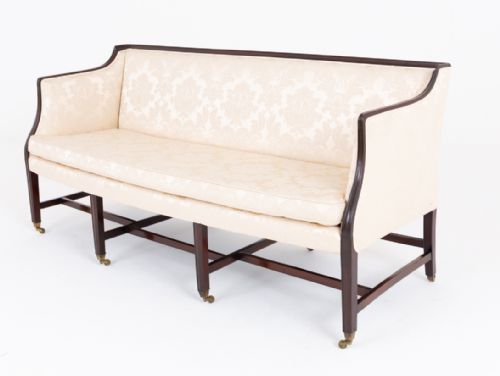
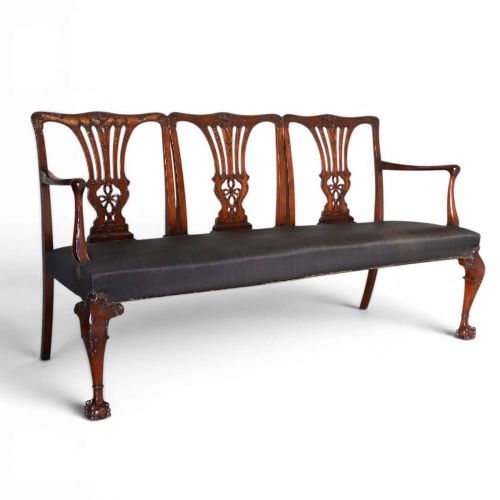


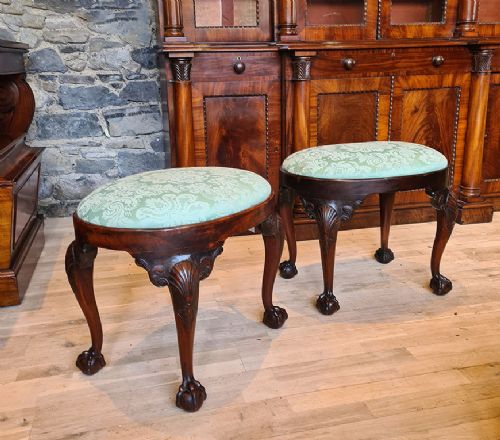


Chippendale Style Bench
A chippendale style bench offers classic seating that combines substantial timber frames with detailed carving for traditional rooms.
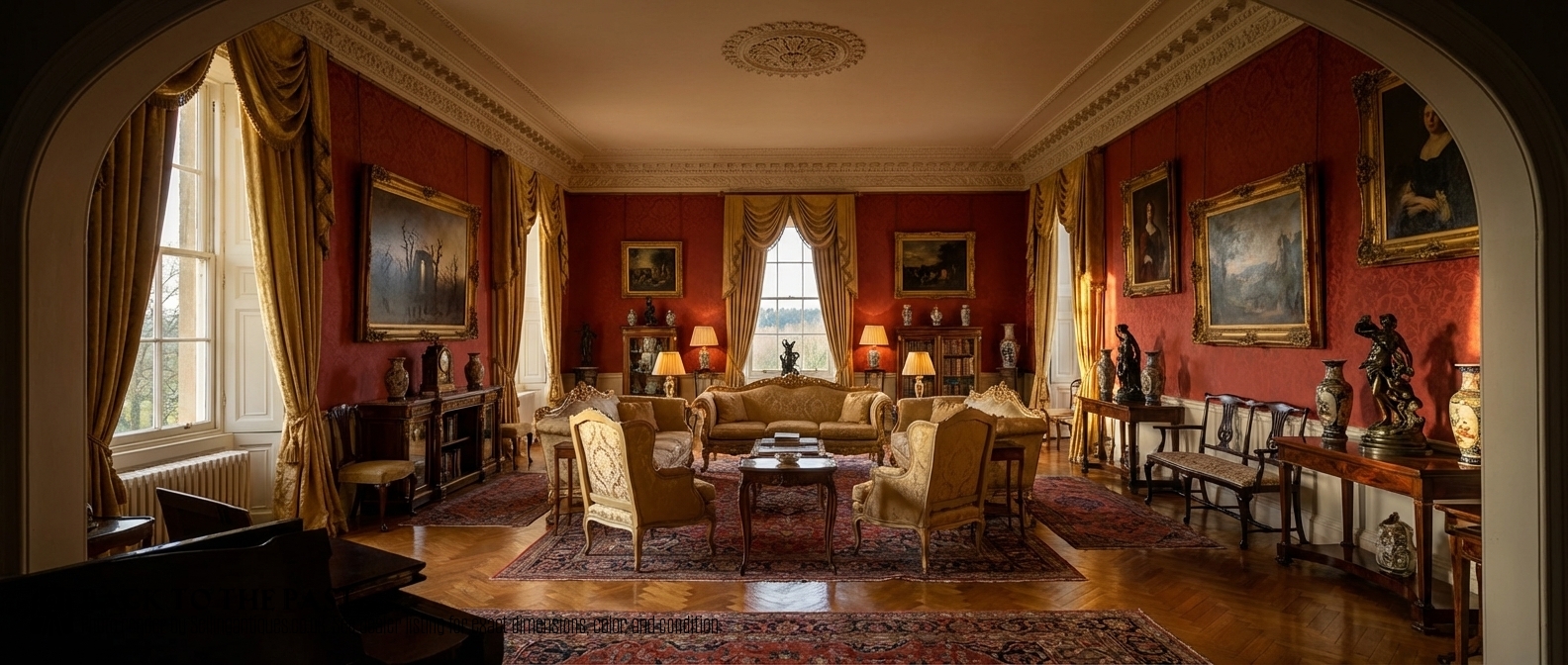
Chippendale Style Bench
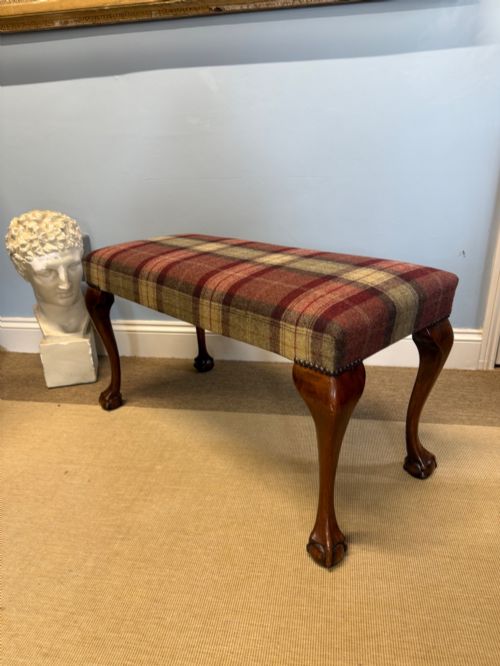
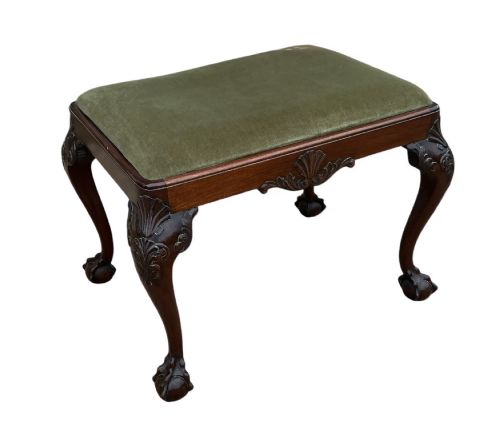
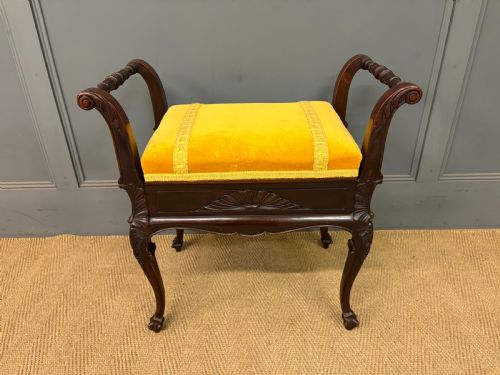
When you search for a chippendale style bench, you encounter a range of forms spanning compact footstools, piano stools, long dressing stools, and multi-seat settees or sofas. The pieces originating from the eighteenth century sit alongside revivals from the nineteenth and twentieth centuries, particularly Edwardian adaptations.
How they were made
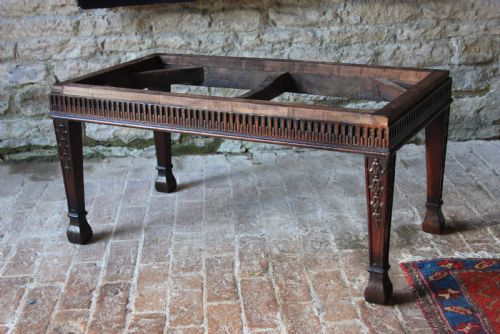
Makers constructed the primary frames using mahogany and walnut timber, selected for strength and suitable grain for carving. Skilled hands shaped the wood into structural components, incorporating ball and claw details.
The seating areas received upholstery using textile, fabric, velvet, wool, or damask. Brass elements occasionally appeared in the construction and detailing of these pieces.
Chippendale Style Bench Retail Price Guide 2026
Typical asking prices for chippendale style bench among the pieces listed under this phrase on Sellingantiques today, from the lower quarter to the upper quarter. They describe what is for sale here now, not the wider market.
Listings include mahogany and walnut frames upholstered in fabric, velvet, wool, damask, and textile, spanning the eighteenth century through to the Edwardian period.
What varies in quality
The depth and crispness of the carved ornamentation separate standard examples from superior pieces. Hand-carved elements on mahogany frames display varying levels of precision and depth in the timber.
The choice of upholstery materials, from simple textiles to damask and velvet, along with the retention of original timber surfaces, dictates the overall character of the piece.
Butlers of Dublin
The Chippendale Style Bench Glossary
- Mahogany
- A durable hardwood commonly utilised for the frames of these seats. It accepts fine carving and develops a deep patina over time.
- Settee
- A medium-length wooden seat designed for two or more occupants, frequently featuring an upholstered base and a decorative back.
- Damask
- A reversible figured fabric traditionally used for upholstery. It adds a textured pattern to the seating surface.
- Ball and claw
- A foot motif where a carved talon grips a spherical shape. This detail appears on the legs of various stools and settees.
Chippendale Style Bench: Frequently Asked Questions
How do I identify a chippendale style bench?
Look for mahogany frames, carved wooden details, and traditional upholstery fabrics like velvet or damask. These pieces often take the form of stools, window seats, or chair-back settees.
Origins span from eighteenth-century examples to later revival periods such as the Edwardian era, each retaining characteristic stylistic elements.
Where should I place a settee?
These pieces suit living rooms, large hallways, or bedrooms where a long stool or two-seater sofa provides functional seating. Window seats and dressing stools fit well in lighter alcoves.
Ensure adequate clearance around the wooden frame to display the carved details properly.
What is the difference between a stool and a settee?
Stools provide seat-only platforms without backs, ranging from small footstools and piano stools to long dressing benches. Settees incorporate structural backs, sometimes styled as double or triple chair backs.
Both forms utilise similar mahogany framing and upholstered surfaces.
How do I care for the wood and upholstery?
Maintain the mahogany frame with appropriate wax or polish to protect the timber surface. Avoid placing the furniture in direct sunlight to prevent fading of the fabric or velvet.
Vacuum upholstered areas gently and address spills promptly according to the specific textile type.