
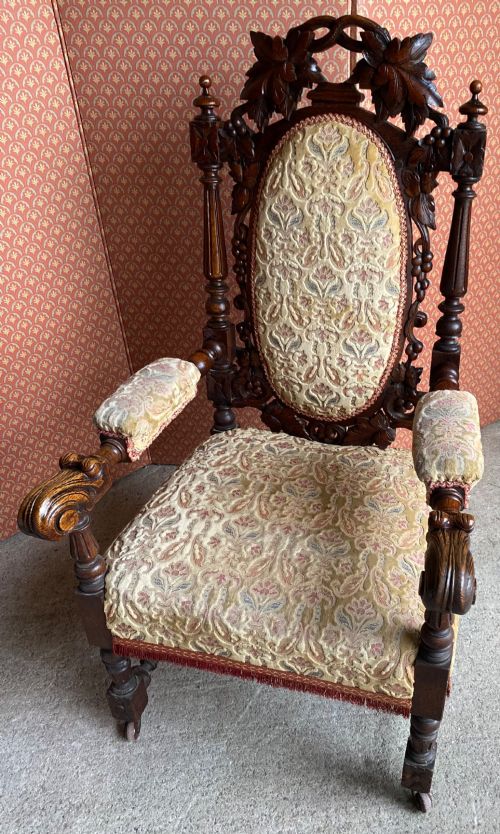
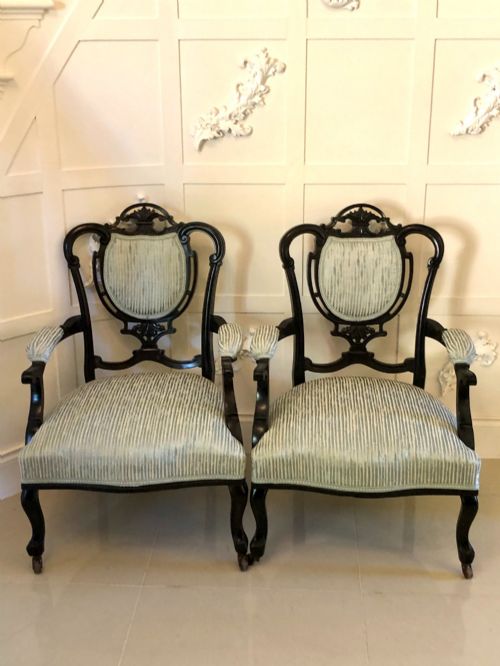
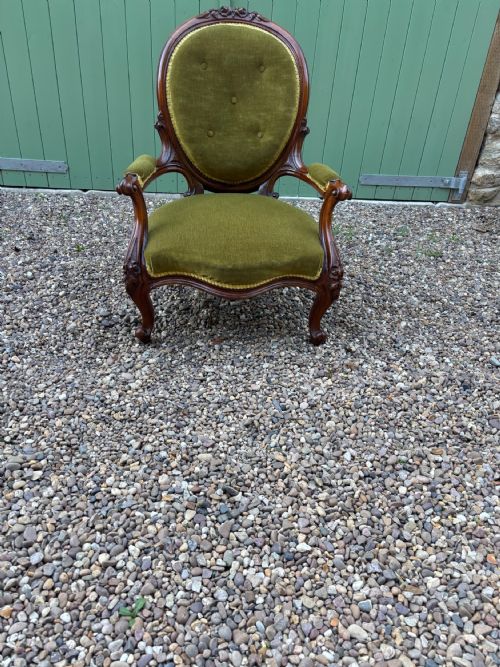
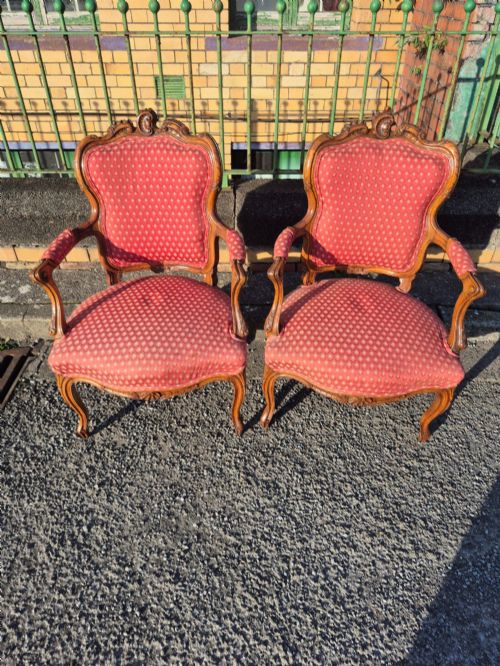
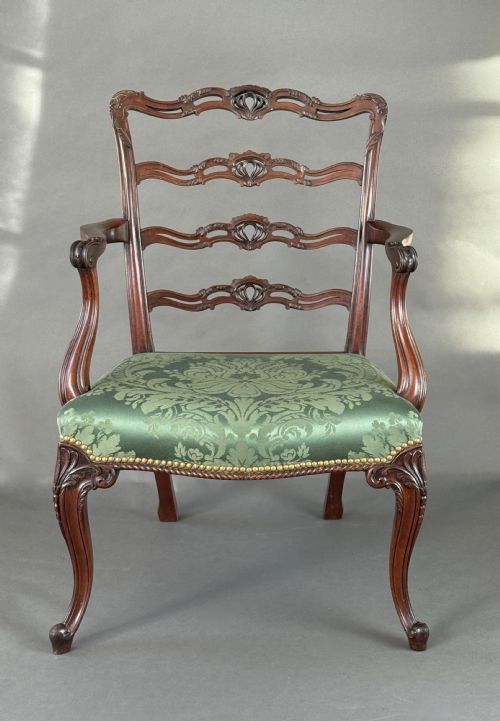
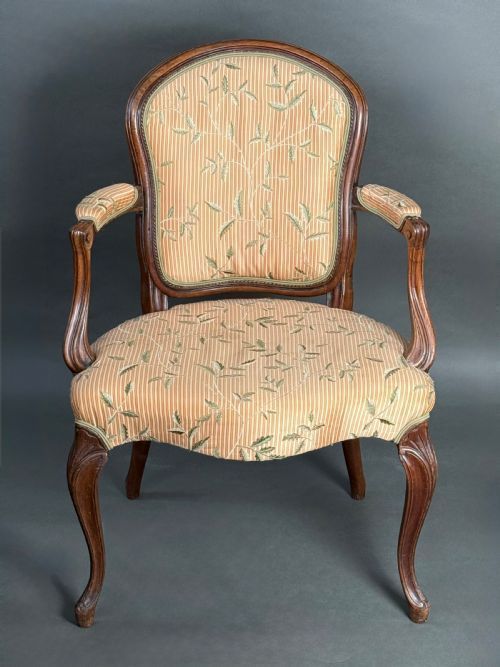
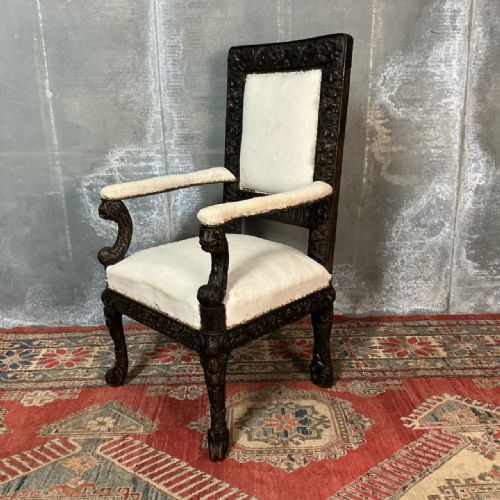
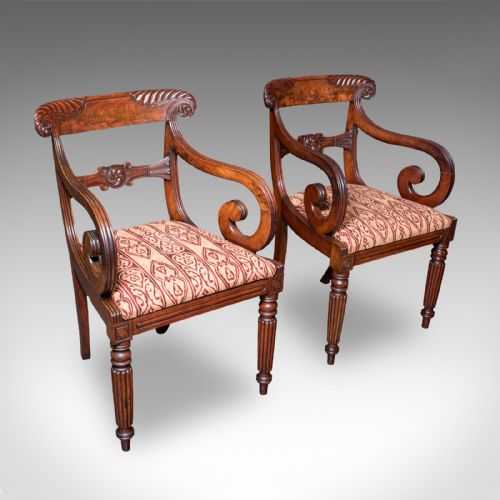
Carved Arm Accent Chair
A carved arm accent chair brings centuries of timber and upholstery to a corner, offering both firm seat and sculptural form.
Materials and Construction
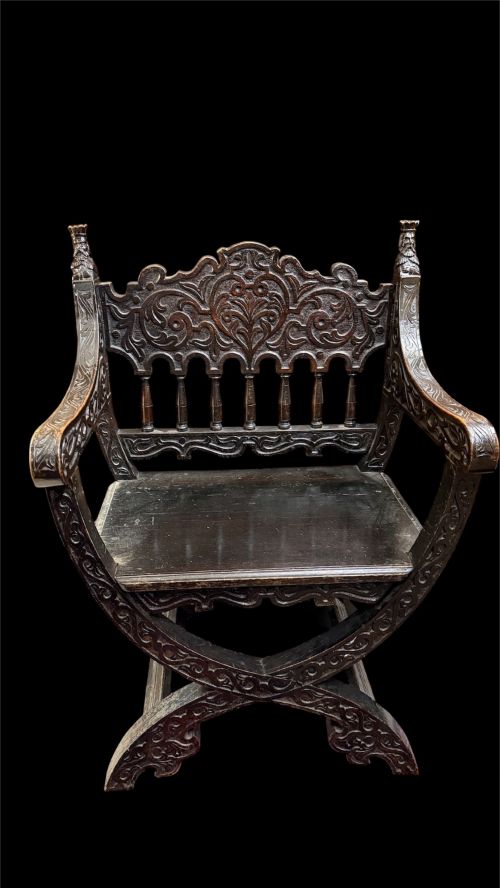
Cabinetmakers utilised hardwoods such as walnut, mahogany, and oak to construct the structural frames of each carved arm accent chair. Joinery relies on traditional methods to anchor arms and legs securely to the main seat box.
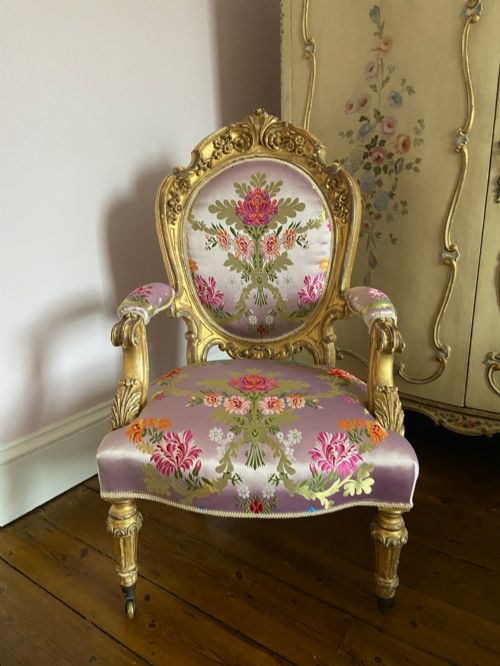
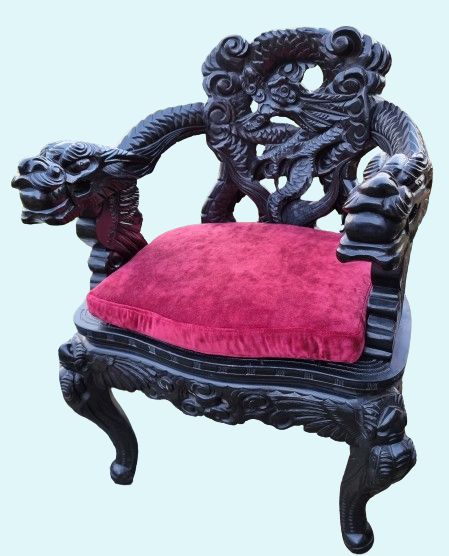
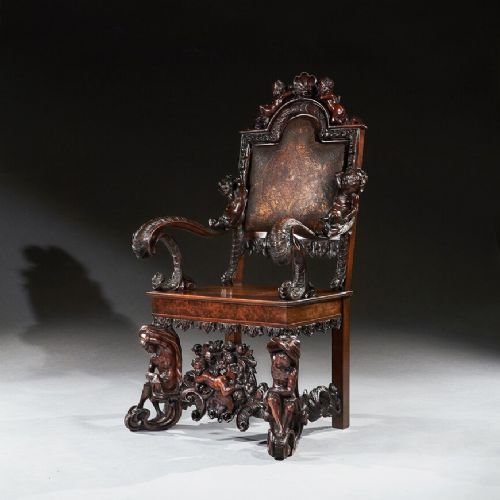
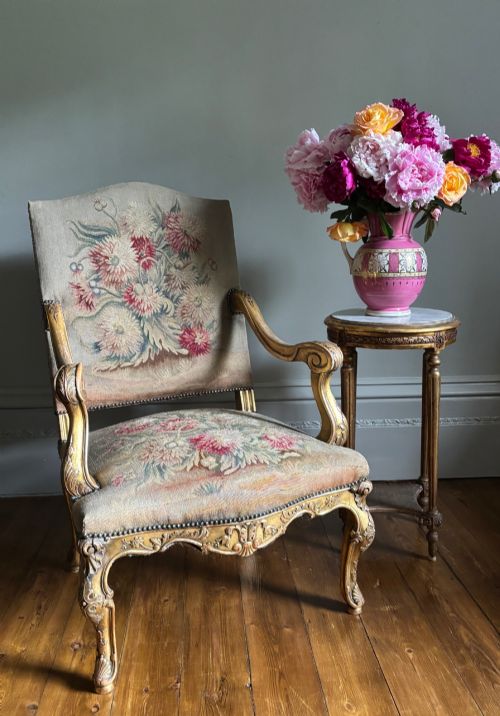
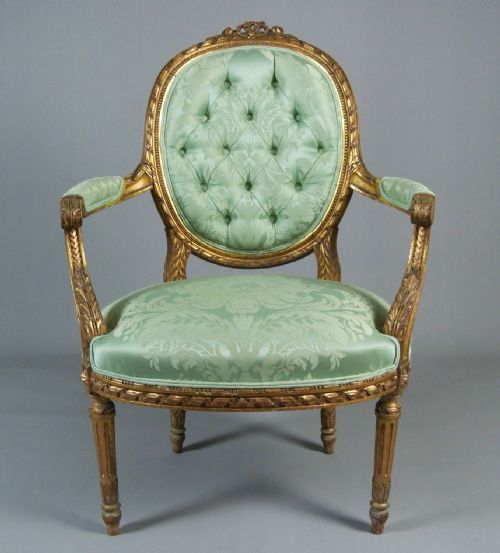
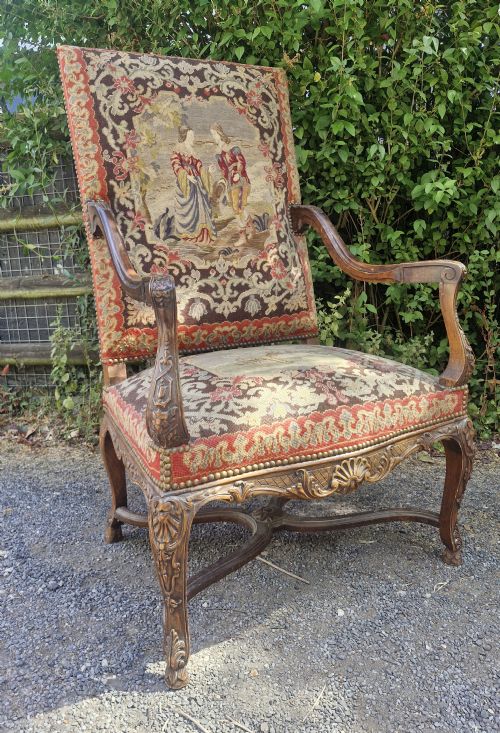
Carvers shaped motifs directly into the timber, often applying gilt finish or leaving the grain exposed on walnut and mahogany surfaces. Upholstery methods combine webbing and drop-in pads finished with fabrics like silk, needlework, and velvet.
Quality and Execution
The depth and sharpness of timber carving distinguish standard production from exceptional examples attributed to known makers or specific design periods. Crisp detailing in giltwood or hardwood ornament shows the carver's control.
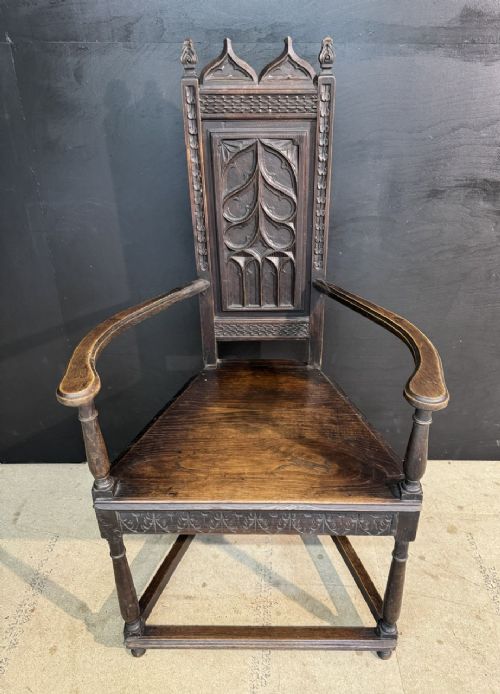
Proportion and structural integrity define the remaining differences across the range. Heavier woods like oak carry distinct joinery marks compared to lighter mahogany and walnut salon pieces.
Heraldic shield backs on nineteenth-century oak hall chairs give every seated guest the sudden urge to demand fealty.
Thomas Chippendale·Andrea Brustolon·Colefax and Fowler
The Carved Arm Accent Chair Glossary
- Carver chair
- A single dining or parlour chair featuring arms, traditionally set at the head of a table or used as an accent seat.
- Giltwood
- Timber coated with a thin layer of gold leaf or gilt finish to create a bright, decorative surface common on formal French and Victorian chairs.
- Fauteuil
- An open-arm armchair originating in France, typically featuring an exposed wooden frame and upholstered seat and back.
- Wainscot chair
- A heavy wooden armchair, usually constructed from oak, prevalent in seventeenth-century domestic interiors.
- Drop-in seat
- A removable seat frame upholstered separately and dropped into a recess within the chair rails.
Carved Arm Accent Chair: Frequently Asked Questions
Where should I place a carved arm accent chair?
These chairs suit hallways, bedrooms, and reception spaces where a single statement piece adds function and historical interest. They provide a comfortable seat while introducing architectural timber to plain corners.
Position the chair away from direct heat sources to protect the wooden frame and delicate upholstery fabrics like silk or velvet from drying out over time.
How do I identify the period of an armchair?
Look closely at the timber choice, carving style, and structural proportions to connect the piece with specific eras like the Georgian or Victorian periods. Revivals often borrow motifs from earlier centuries, so examine the underlying joinery for clues.
Documentation or stylistic markers such as Hepplewhite curves or Jacobean turning help narrow down the date of manufacture.
Can I use an antique carver chair at a desk?
Many carver chairs function well at a desk or writing table, provided the seat height matches your workspace requirements. Their open arms offer side support while allowing the chair to tuck in.
Ensure the antique frame remains stable and the upholstery suits daily seated tasks before committing the chair to a working environment.
What maintenance do antique upholstered chairs need?
Regular dusting with a soft cloth keeps timber frames clean without harming giltwood or polished walnut surfaces. Upholstery requires gentle vacuuming using a low suction brush attachment.
Avoid chemical polishes that build up on antique wood finishes and protect fabrics from prolonged direct sunlight to prevent fading.