
Carved Apron Table
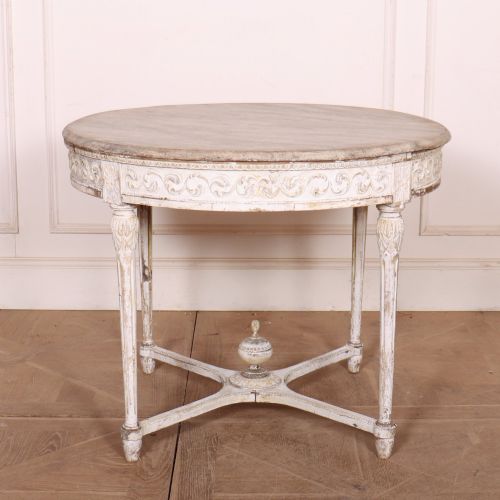
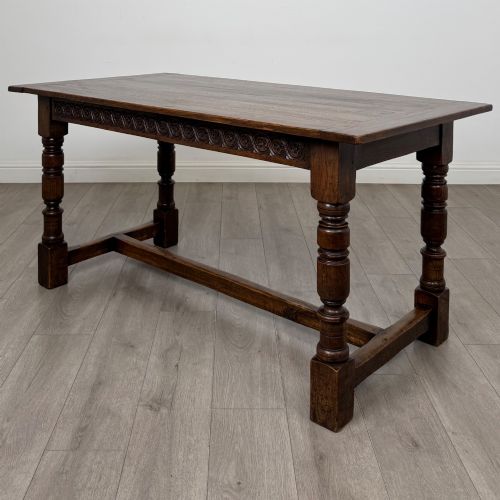
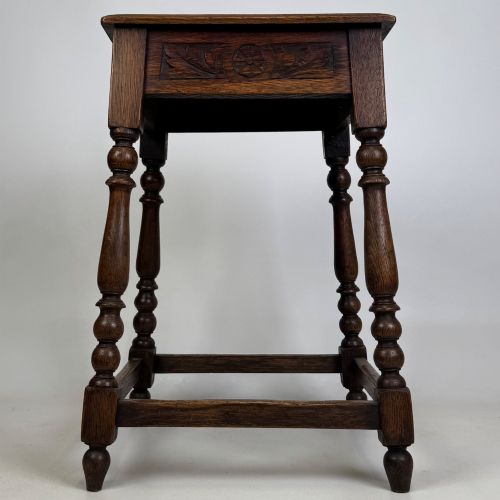
A carved apron table combines solid timber construction with detailed ornamentation along the lower rail.
Carved Apron Table
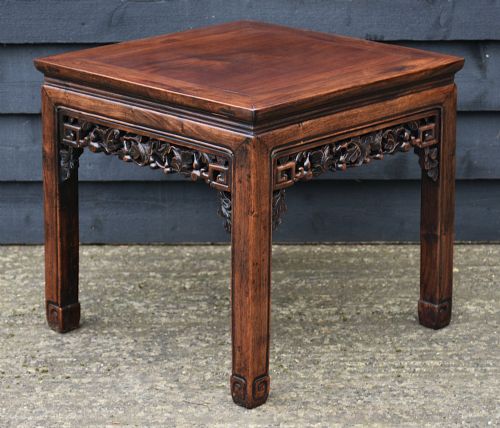
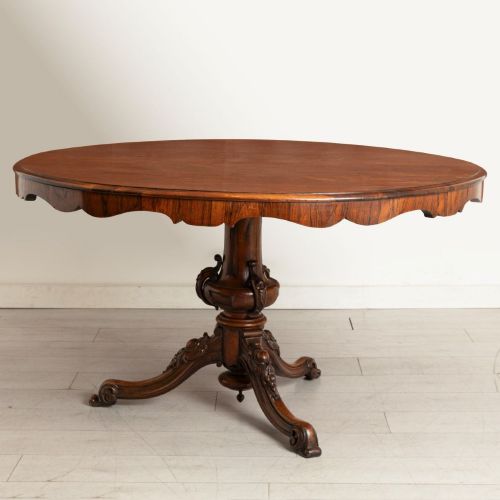
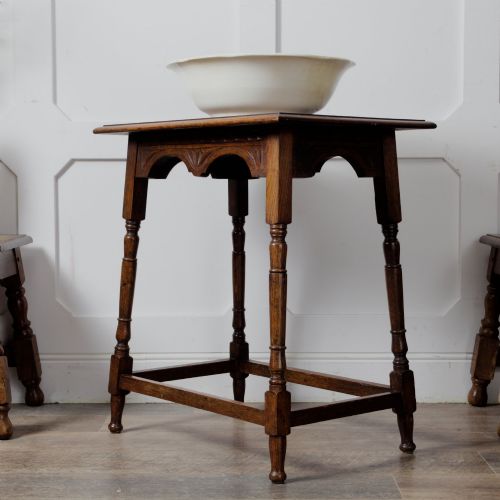
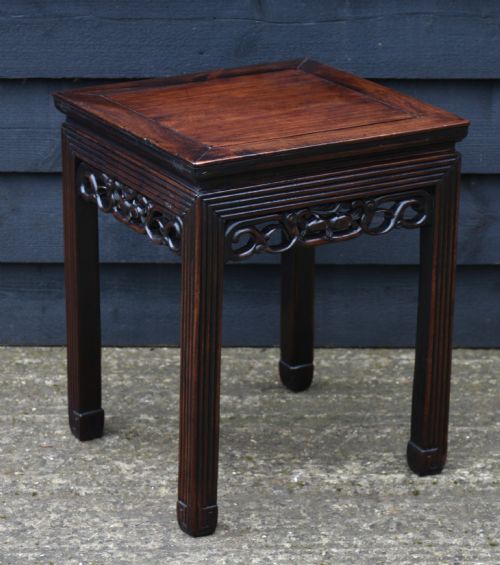
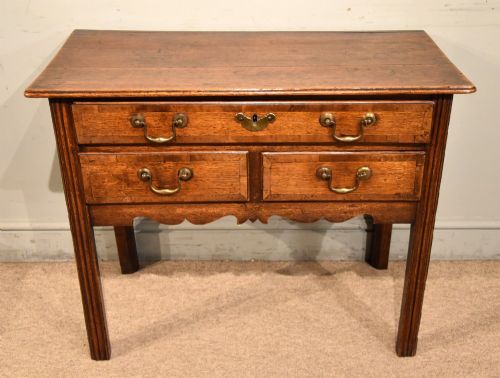
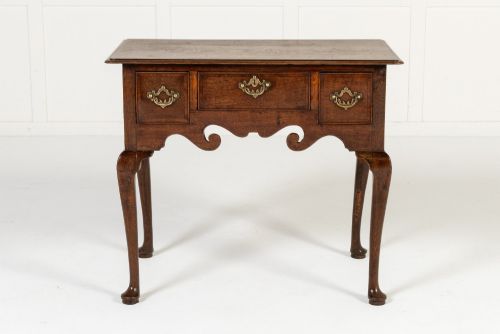
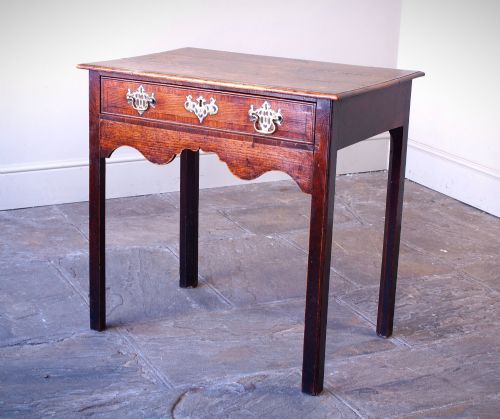
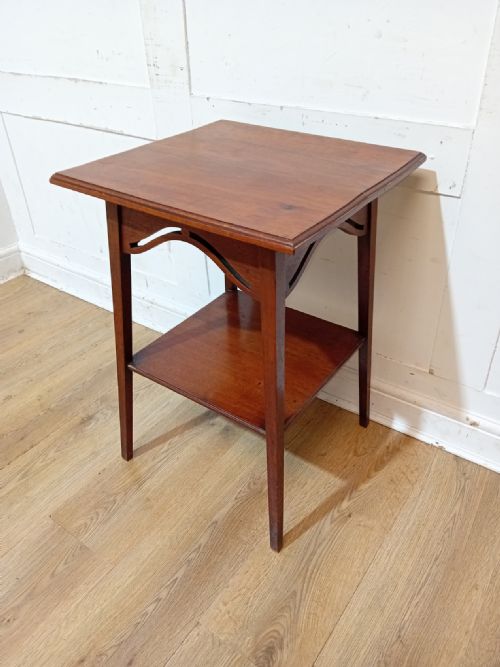
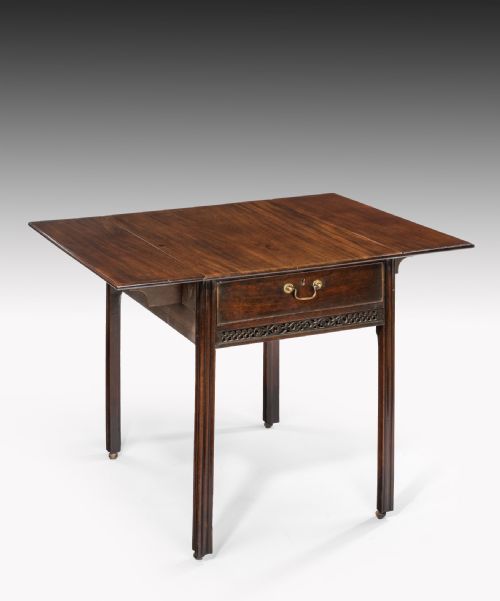
A carved apron table is a piece of furniture featuring decorative woodwork beneath the tabletop, spanning the space between the legs. When searching this phrase, buyers encounter formats ranging from Georgian lowboys and dining tables to Chinese rosewood low tables and Indian padauk centre tables.
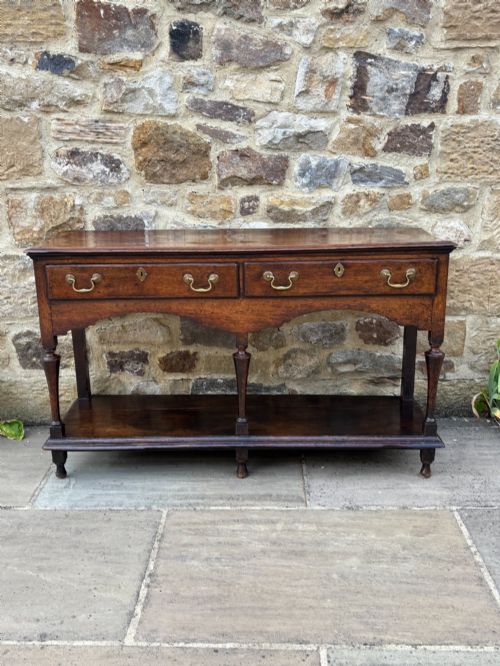
The selections span multiple centuries, including 17th-century oak serving dressers, 18th-century Welsh and English examples, and Edwardian or Victorian interpretations. Oak and mahogany dominate the domestic British pieces, while exotic hardwoods like padauk and rosewood appear in oriental and colonial pieces.
Object types vary widely across these listings, encompassing side tables, coffee tables, dining tables, and occasional tables. Buyers are most likely to meet oak side tables and lowboys from the Georgian and 18th-century periods, alongside low oriental coffee tables.
How they were made
Construction relies heavily on solid timbers such as oak, mahogany, walnut, and pine, joined using traditional pegged or mortise and tenon methods. Woodworkers shaped the structural frames by hand, integrating the apron directly into the upper rail beneath the top surface.
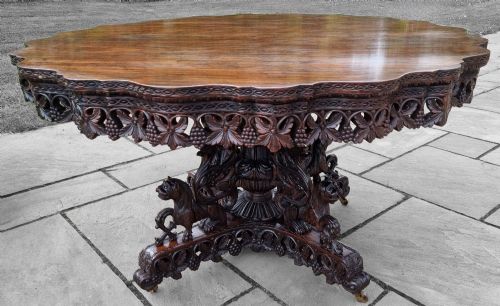
Carving techniques vary from simple geometric motifs on 17th-century oak to intricate flowing relief work on rosewood and padauk surfaces. Finish work involves natural waxes, polished grains, and occasionally painted surfaces as seen on Swedish and Danish items.
Listings feature 18th-century oak lowboys alongside 19th-century Chinese rosewood low tables and Edwardian carved oak side tables.
What varies in quality
The distinction between standard examples and the finest pieces rests in the depth and sharpness of the hand carving along the apron and legs. Crisp relief work executed by skilled hands retains its definition, whereas mechanical or worn carving appears soft and shallow.
Timber selection and grain figure also drive the hierarchy, with dense black walnut, figured mahogany, and rich padauk holding greater visual weight than plain pine or soft wood. Original construction integrity, including pegged joints and uncompromised structural frames, marks the higher tier of surviving items.
Liberty of London·Hicks of Dublin
The Carved Apron Table Glossary
- Apron
- The vertical wooden member beneath the tabletop that connects the legs. It often carries the primary carved ornamentation of the piece.
- Lowboy
- A small 18th-century dressing table or side table featuring drawers within the apron and cabriole or straight legs. They are frequently constructed from oak or mahogany.
- Padauk
- A dense tropical hardwood displaying a deep reddish-brown tone. It is found on 19th-century Anglo-Indian and Raj period tables.
- Refectory
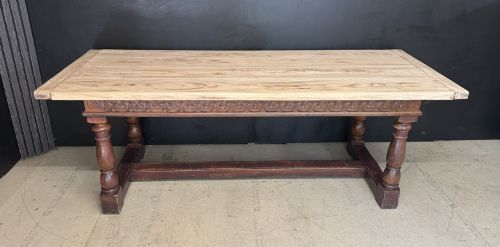
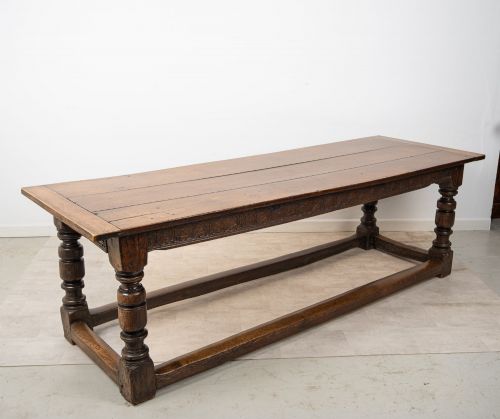
- A long dining table format dating back to earlier centuries. These heavy oak pieces often feature structural stretchers close to the floor.
- Tilt-top
- A tabletop mechanism allowing the surface to pivot to a vertical position when not in use. This feature appears on 19th-century rosewood and occasional tables.
Carved Apron Table: Frequently Asked Questions
What is a carved apron table used for?
These tables function as sideboards, serving surfaces, dining spaces, or low coffee tables depending on their height and proportions. Their decorative lower rails allow them to serve as focal points in a room while providing functional surface area.
Historically, specific formats like lowboys and dressers held domestic items or served personal grooming needs. Today, they integrate easily into modern living spaces as accent furniture.
What is an opium table?
Opium tables are low, rectangular or square wooden surfaces originating in the East, designed for use while seated on cushions or mats. They frequently feature carved aprons and dense hardwood construction.
In modern interiors, these items function well as low coffee tables. Their compact proportions suit smaller reception spaces.
How do I care for antique hardwood furniture?
Maintain antique timber surfaces by dusting regularly with a dry cloth and applying natural beeswax periodically to nourish the grain. Avoid placing wooden furniture near direct heat sources or strong sunlight to prevent splitting.
Keep humidity levels in the room stable to protect historical glue and pegged joints from loosening over time. Gentle handling preserves the original patina.