


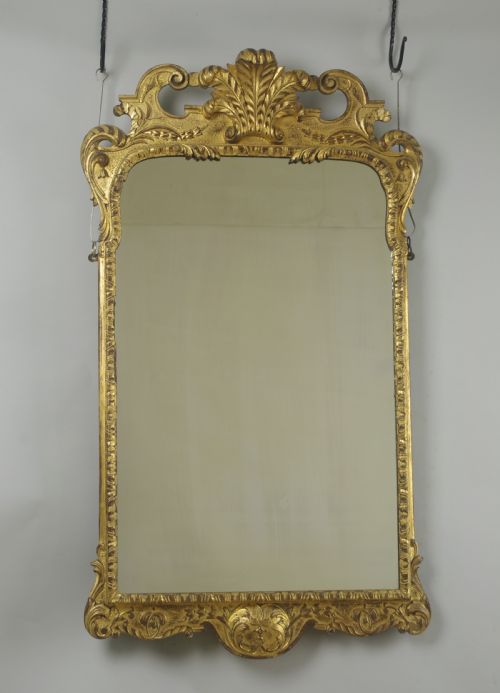

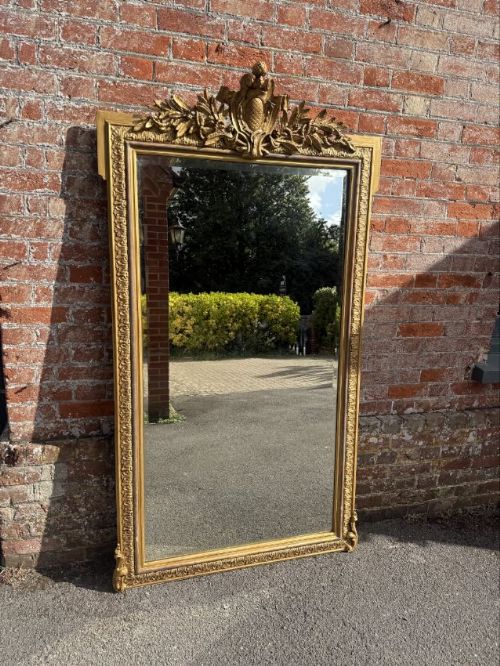
Carved Accent Wall Mirror
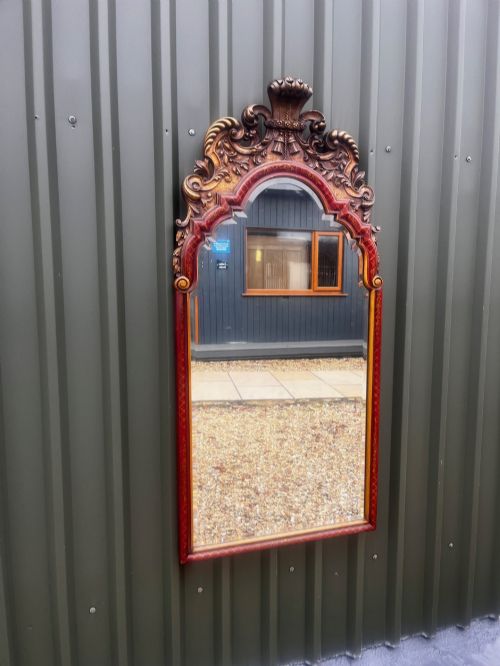
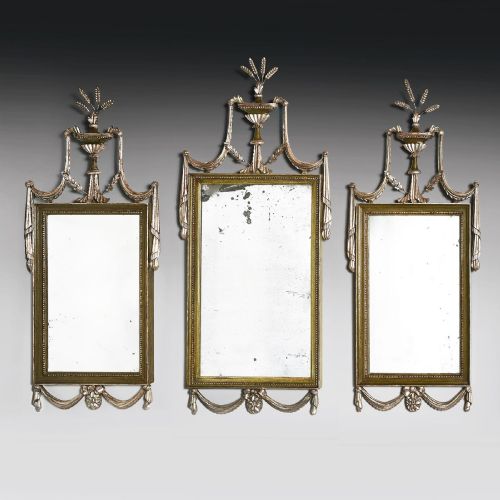
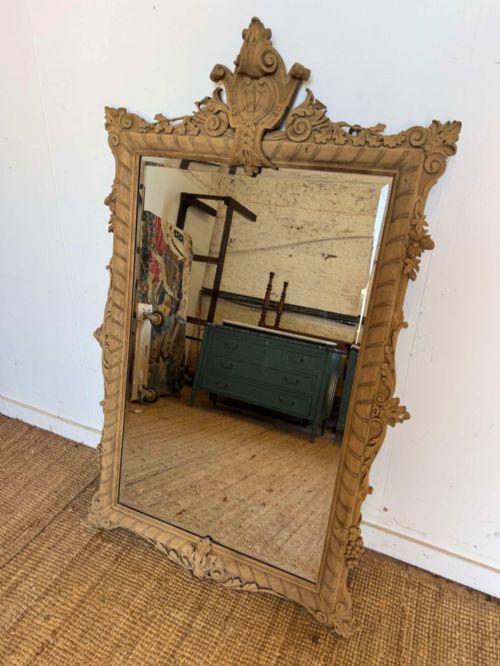
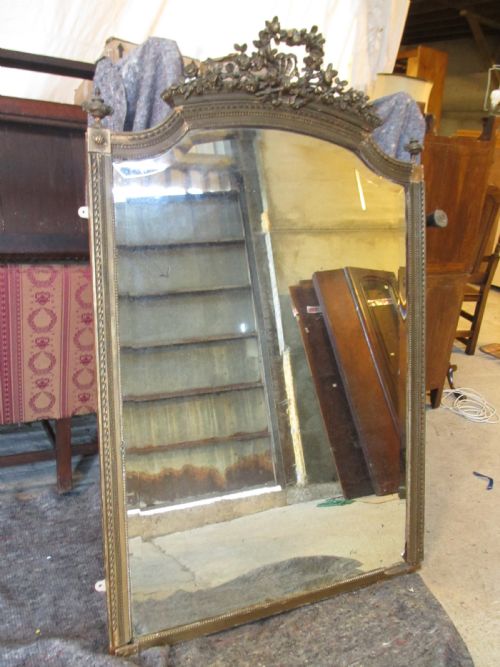
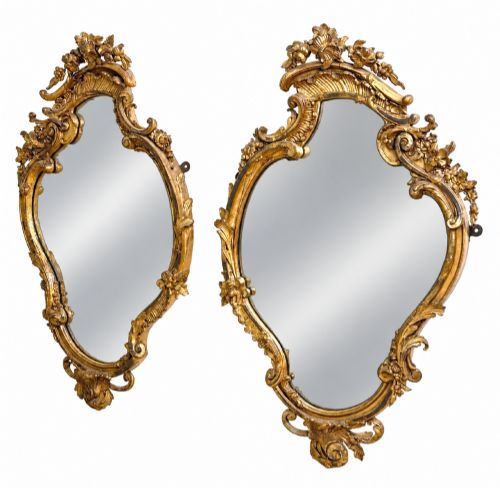
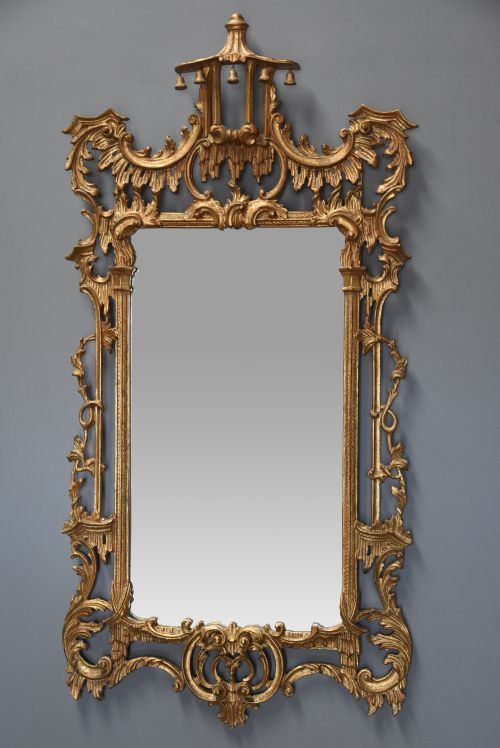
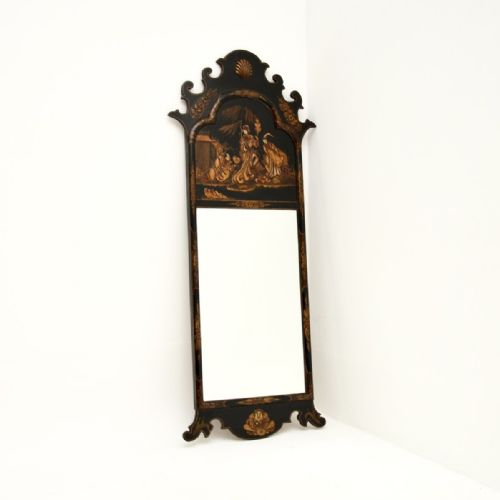
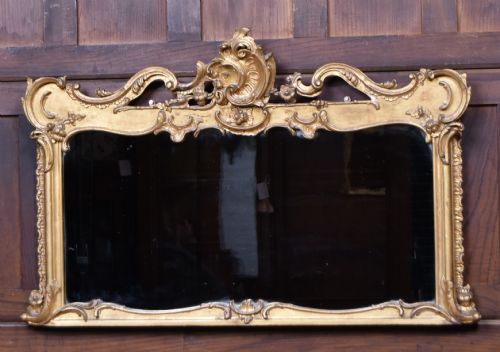
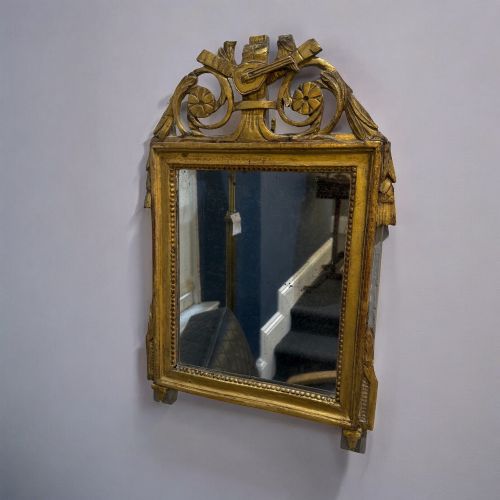
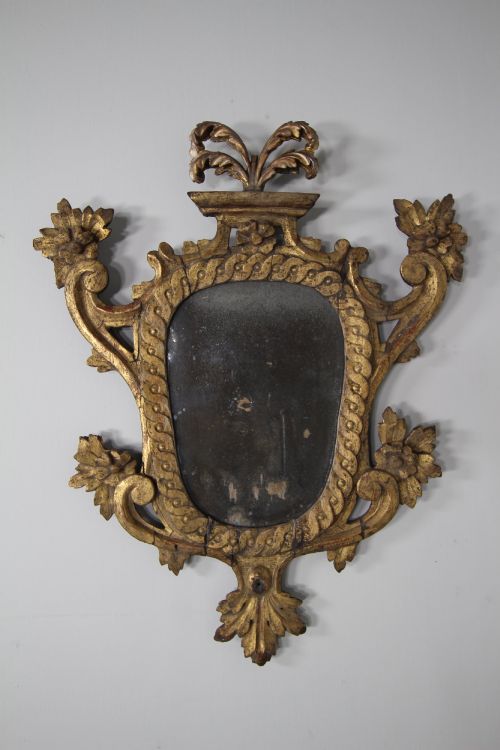
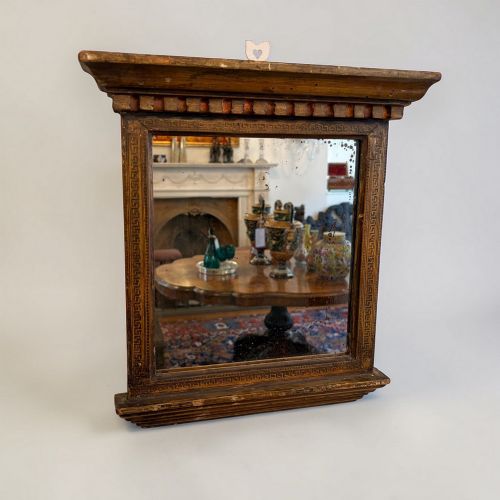
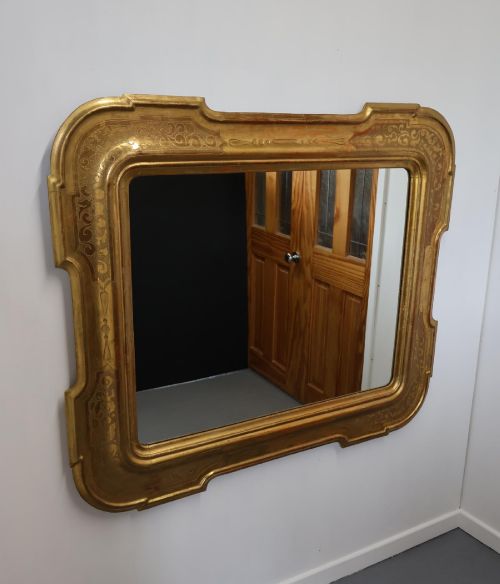
A carved accent wall mirror brings historic depth and reflective light to a room through intricately worked frames of giltwood, gesso, and carved timber.
Carved Accent Wall Mirror
A carved accent wall mirror spans centuries of craftsmanship, drawing from Georgian, Victorian, and twentieth-century design traditions. The pieces available range from grand overmantels to smaller convex and pier mirrors, reflecting diverse stylistic revivals.
Italian, French, and English workshops dominate the origins of these pieces. Buyers frequently encounter ornate Rococo and Baroque styles, alongside simpler oak or faux bamboo frames from later periods.
Materials and construction
Makers shaped these frames from solid woods such as oak, walnut, and general carved timber, often applying layers of gesso to build up intricate relief ornamentation. Gilding with gold leaf and silver-gilt then added reflective brilliance to the carved surfaces.
Glass plates, sometimes bevelled or engraved, were fitted into these timber and plaster structures. Joinery techniques and applied composition ornaments defined the sturdy construction of both large overmantels and smaller wall-hanging pieces.
Carved Accent Wall Mirror Retail Price Guide 2026
Typical asking prices for carved accent wall mirror among the pieces listed under this phrase on Sellingantiques today, from the lower quarter to the upper quarter. They describe what is for sale here now, not the wider market.
The selection includes pieces spanning from the eighteenth century through the Victorian era and into the early twentieth century.
Judging quality and craftsmanship
The depth and crispness of the carving separate superior examples from simpler productions. Hand-chiselled wooden detail and finely modelled gesso retain sharp contours and organic movement that moulded substitutes lack.
The integration of the original glass plate with the frame also marks distinction. Retained antique mirror plates with authentic foxing or precise engraving indicate an uncompromised piece of period workmanship.
The Carved Accent Wall Mirror Glossary
- Gesso
- A plaster-like mixture applied to wood frames to create a smooth surface for carving or gilding. It allows artisans to model delicate relief details.
- Giltwood
- Wood that has been coated with thin sheets of gold leaf or gold paint. This technique gives the frame a luminous, metallic finish.
- Overmantel mirror
- A large mirror specifically designed to hang above a fireplace mantel. These pieces often anchor the proportions of a reception room.
- Convex mirror
- A round mirror with a bulging spherical glass surface that provides a wide-angle reflection of the interior. They often feature ornamental frames with candle sconces or ball details.
- Pier mirror
- A tall, narrow mirror traditionally hung on the pier or wall space between two windows. They reflect additional daylight back into the room.
Carved Accent Wall Mirror: Frequently Asked Questions
How do I hang a heavy carved wall mirror safely?
Heavy carved wall mirrors require secure fixings into structural wall studs or solid masonry using rated brackets. Professional mirror hangers should assess the weight of timber and gesso frames before installation.
Ensuring the hanging wire or integrated D-rings match the total mass prevents accidents. Distributing the load evenly protects the antique wooden joints from undue stress.
What is the difference between an overmantel and a standard wall mirror?
Overmantel mirrors are traditionally proportioned to sit horizontally above a fireplace, often featuring arched or rectangular formats designed to fill that specific architectural space. Standard wall mirrors take various shapes and hang across general room walls.
Scale and intended placement dictate the distinction. Overmantels generally command a larger visual presence within a historic interior scheme.
How should I clean an antique giltwood frame?
Dust giltwood and gesso frames gently with a very soft, dry brush or feather duster to remove surface particles. Avoid applying moisture, chemical solvents, or modern cleaning sprays, which can strip delicate gold leaf.
Water can soften the historic gesso beneath the gilding. Professional conservators should handle any deep cleaning or repairs to damaged leaf work.
How do I identify a Rococo revival mirror?
Rococo revival mirrors feature asymmetrical scrolls, C-curves, naturalistic foliage, and shell motifs reminiscent of eighteenth-century French design. Nineteenth-century iterations often combine these exuberant carved elements with heavy gesso and gilt finishes.
Looking closely at the construction materials and backboards helps distinguish genuine nineteenth-century revival pieces from later twentieth-century reproductions.