

Carat Diamond Solitaire Ring
A carat diamond solitaire ring focuses entirely on a single prominent stone, offering enduring elegance through timeless design.
Carat Diamond Solitaire Ring
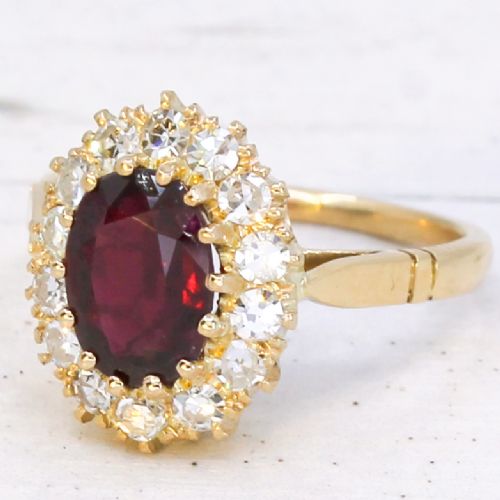
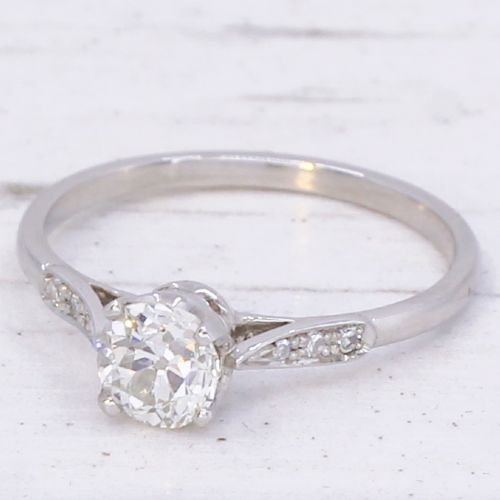
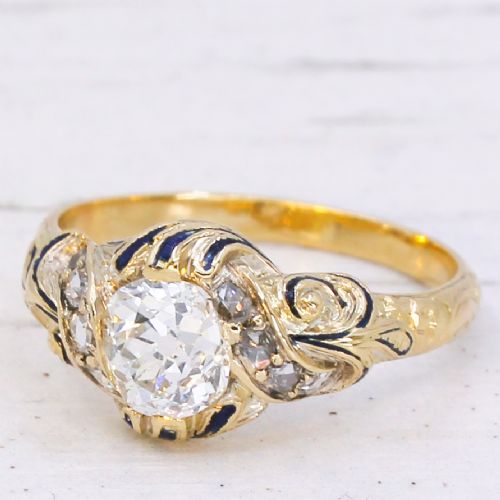
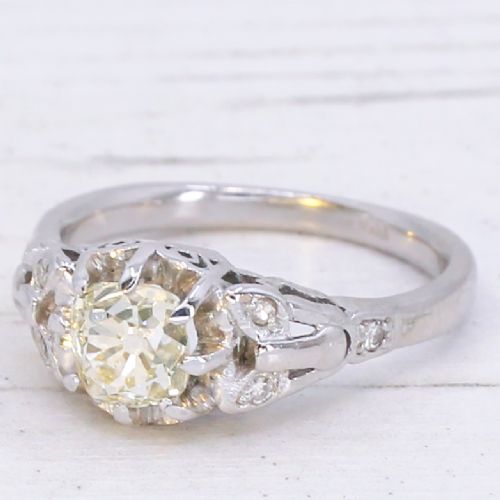
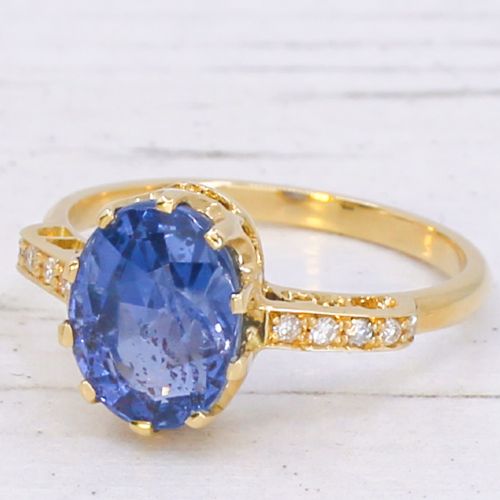
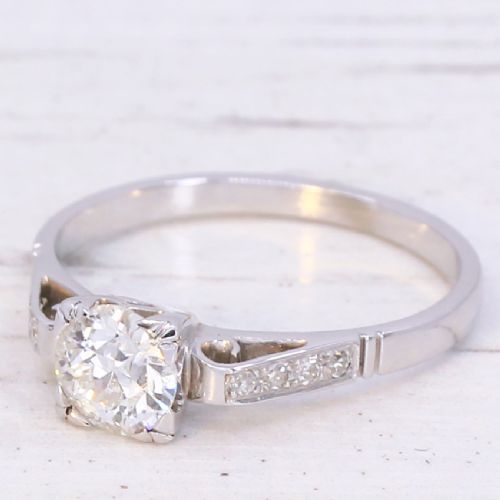
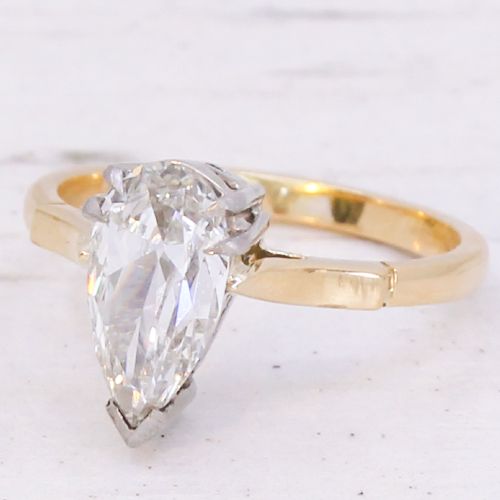
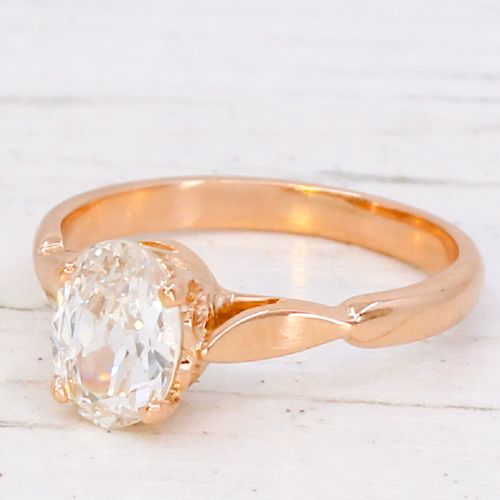
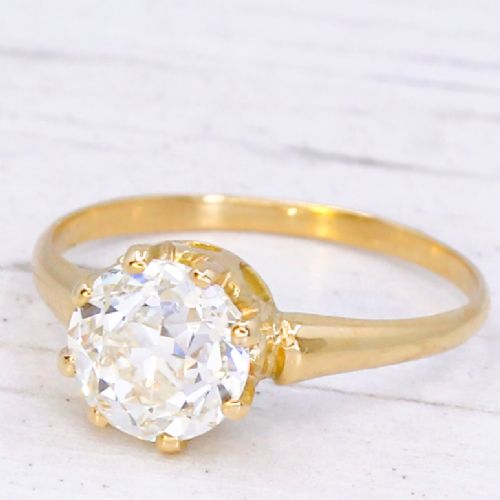
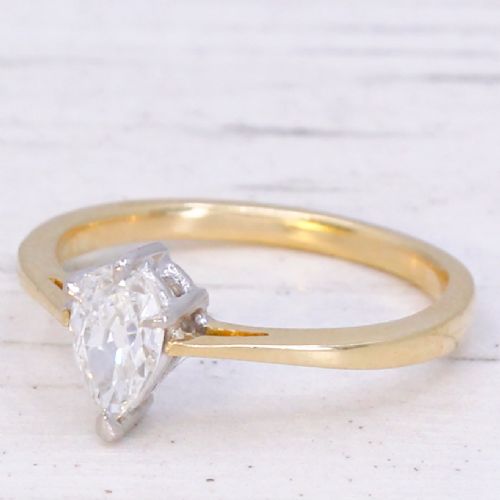
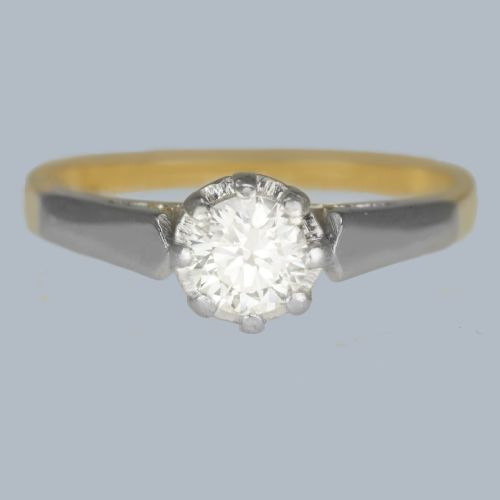
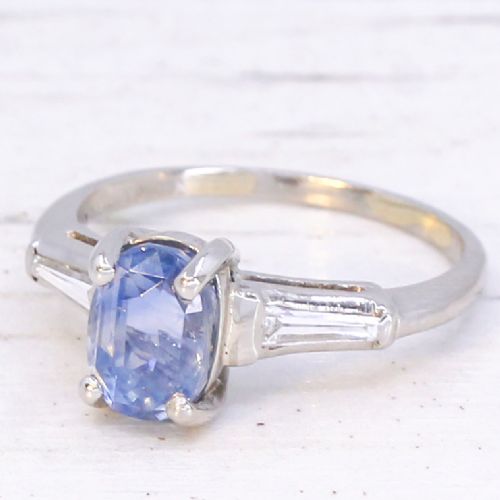
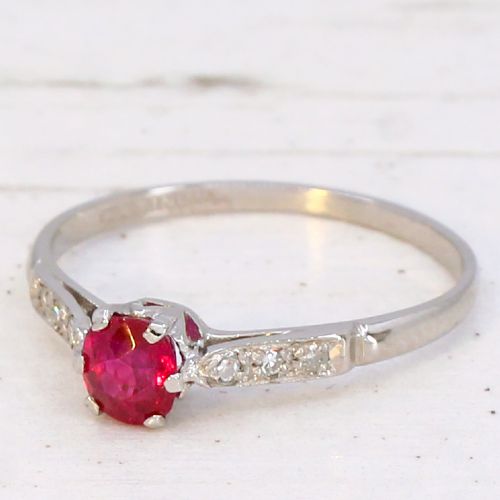
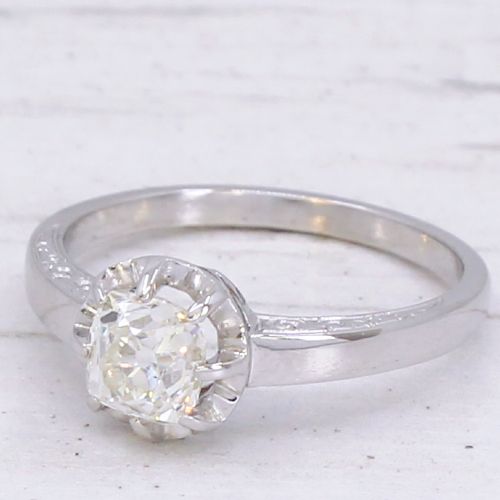
A carat diamond solitaire ring centres on a single prominent stone mounted on a precious metal band, designed to highlight the individual diamond without distraction. These pieces appear frequently as engagement rings spanning the Victorian, Edwardian, Art Deco, and mid-century periods.
The selection ranges from early examples featuring old cut and old mine cut stones to later mid-century pieces utilising modern brilliant cuts. Settings vary from traditional yellow gold to platinum and white gold mountings characteristic of the 1920s and 1930s.
How They Were Made
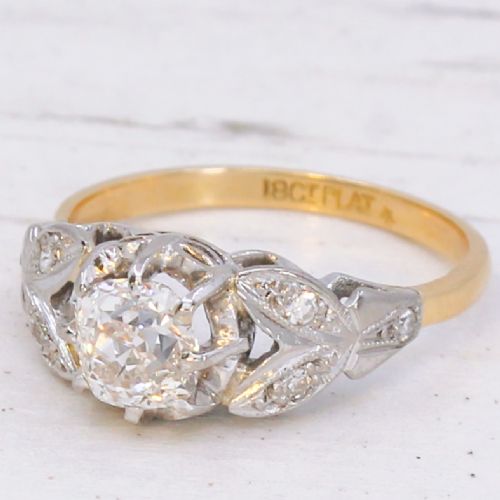
Goldsmiths utilised platinum and various carats of yellow and white gold to construct the mountings, often combining platinum heads with gold shanks during the Art Deco period. Stones were secured using traditional claw settings, illusion settings, or bezel techniques designed to maximise light entry.
Diamonds were shaped by hand during earlier eras, resulting in old European, old mine, and rose cuts with distinctive facet patterns before brilliant cuts became standard in later decades.
Listings span from Victorian and Edwardian pieces through to Art Deco and mid-century modern classic designs in platinum and gold.
What Varies in Quality
The overall proportion and weight of the central diamond dictate the primary visual impact of the ring, alongside the precision of the historic stone cutting. Hand-cut stones display unique facet arrangements that interact with light differently compared to machine-cut modern counterparts.
The integrity of the metalwork and the preservation of the original setting structure influence the durability and authenticity of the piece, particularly in delicate Edwardian and platinum Art Deco mounts.
The Carat Diamond Solitaire Ring Glossary
- Solitaire
- A ring featuring a single set gemstone, typically a diamond. This design directs all visual attention to the central stone.
- Old Cut
- A historic diamond cutting style popular before the advent of modern brilliant cuts. These stones feature smaller tables and larger culets.
- Old Mine Cut
- An early cushion-shaped diamond cut with a high crown and small table. It is commonly found in Victorian and earlier rings.
- Platinum
- A dense, durable, and naturally white precious metal widely utilised in Edwardian and Art Deco jewellery for secure stone settings.
- Illusion Setting
- A metal mounting technique designed to make the central diamond appear larger by surrounding it with a faceted reflective plate.
Carat Diamond Solitaire Ring: Frequently Asked Questions
How do I identify an old cut diamond?
Old cut diamonds typically exhibit smaller tables, higher crowns, and larger culets visible at the base of the stone. These geometric differences create a softer, more distinctive light return compared to modern brilliant cuts.
Examining the stone under magnification reveals hand-cut facets that lack the uniform mathematical symmetry found in stones cut after the mid-twentieth century.
What metals are common in antique solitaire rings?
Yellow gold is predominant in Victorian examples, whilst platinum and white gold become common during the Edwardian and Art Deco eras. Many rings from the 1920s combine a platinum setting with an 18ct gold shank.
The choice of metal often helps date the piece, as platinum gained widespread favour for its strength in delicate, lace-like mounting designs.
Are these rings suitable for daily wear?
Most antique and vintage solitaire rings are robust enough for everyday wear provided the setting receives regular inspection by a jeweller. Platinum and high-carat gold mountings offer strong support for the central diamond.
Care should be taken with older claw settings and delicate historic prongs to prevent accidental stone loss during strenuous physical activities.
What is the difference between old mine and old European cuts?
Old mine cuts are generally earlier, possessing a squarish cushion outline with a smaller table and steep crown angles. Old European cuts tend toward a rounder girdle shape developed as cutting techniques evolved toward modern standards.
Both styles reflect historical hand-polishing methods that pre-date standardised machine cutting.