
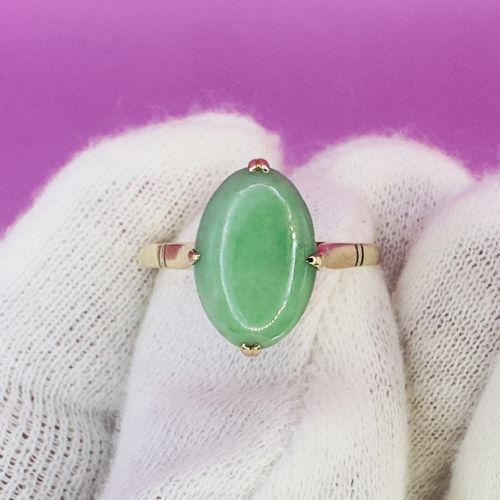


Victorian Gold Solitaire
Victorian gold solitaire pieces offer a single prominent gem set into yellow, rose or white gold from the nineteenth century and Edwardian eras.
Victorian Gold Solitaire
A victorian gold solitaire focuses attention on a single gemstone held securely within a precious metal band, pin, brooch or earring. These items primarily manifest as rings, alongside occasional brooches, stickpins and earrings originating from the nineteenth century through to the early decades of the twentieth century.
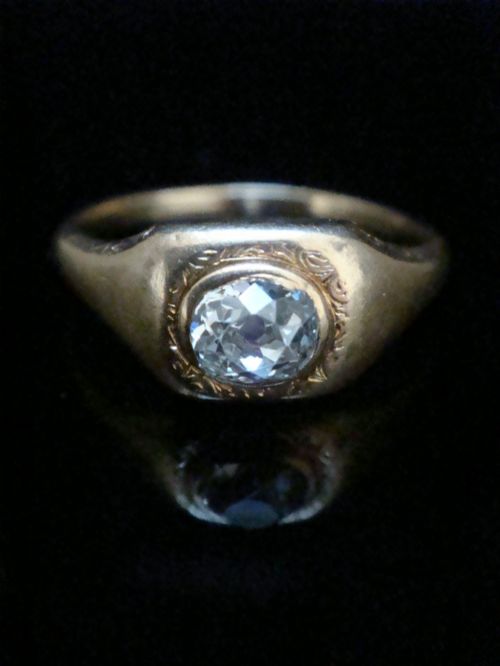
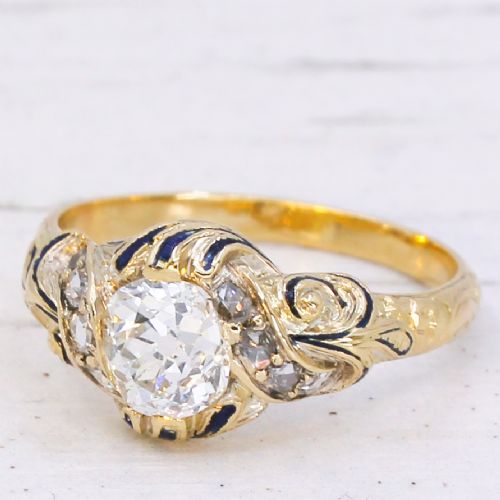
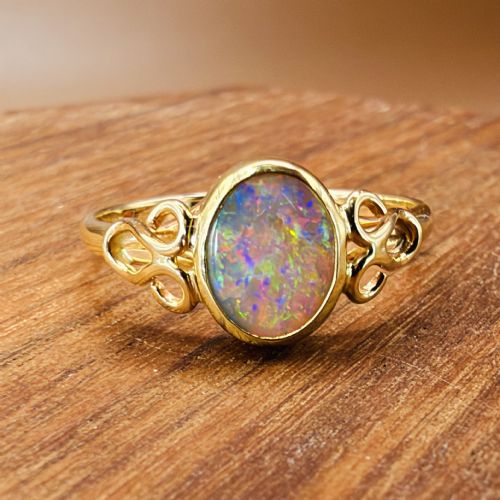
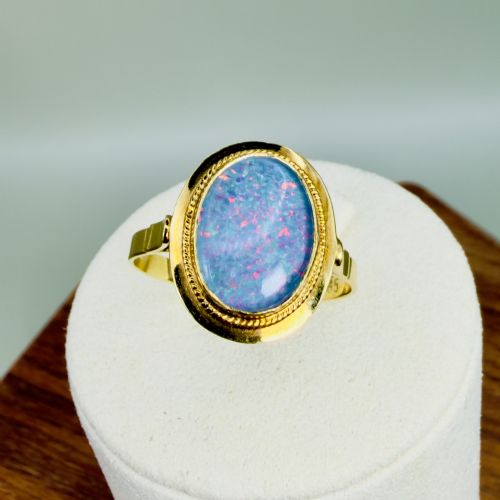
The version most commonly encountered on this page is the gold ring featuring an old cut or old European cut diamond. Alternative single stones such as opal, sapphire, ruby, jade and turquoise also appear set into bands of varying gold carat weights.
Examples span early Victorian through to late Victorian periods, alongside Edwardian and Continental Art Nouveau influences. The forms range from delicate claw settings and bezel mounts to flush gypsy settings and star celestial engravings.
How they were made
Goldsmiths utilised yellow gold, rose gold and occasionally 18ct or 9ct alloys to form the bands, pins and settings. Stones were secured by hand using traditional claw mounts, flush gypsy settings, or bezels that hugged the contours of the gem.
Gemstones such as diamonds were shaped by hand into old cuts, mine cuts or rose cuts, displaying characteristic chunky facets rather than modern symmetrical precision. Other materials like cabochon opals, sapphires and rubies were shaped and polished to highlight their natural depth of colour.
Some nineteenth century gentlemen wore chunky gold diamond rings on their pinky fingers.
What varies in quality
The calibre of a piece rests upon the weight, clarity and cut proportion of the central stone, whether it is a diamond, opal or ruby. Hand-cut old European and mine cut diamonds display distinct light play that differs noticeably from machine-cut stones.
Setting execution and metal weight contribute significantly to the overall substance of the item. Heavier 18ct yellow gold bands and secure claw or bezel constructions demonstrate superior durability and workshop skill compared to lighter 9ct equivalents.
The Victorian Gold Solitaire Glossary
- Solitaire
- A piece of jewellery featuring a single set gemstone, most frequently a diamond or opal. This design focuses all visual weight onto one central stone.
- Gypsy Setting
- A mounting style where the gemstone is flush-set directly into the thick metal band. The metal is pushed up around the girdle of the stone to hold it securely.
- Cabochon
- A gemstone shaped and polished with a smooth, rounded domed surface rather than faceted edges. This method is standard for opaque or translucent stones like opal, jade and turquoise.
- Bezel Setting
- A method of securing a gemstone using a narrow metal collar that wraps entirely around the stone's perimeter. It offers robust protection to the edge of the gem.
Victorian Gold Solitaire: Frequently Asked Questions
How do I wear a antique ring safely?
Wear your ring with care during daily activities involving heavy lifting or hard impacts to protect the antique gold band and stone settings. Removing the piece before swimming, gardening or exercising prevents unnecessary wear to the claws and prongs.
Store the item separately in a fabric-lined box when not being worn to avoid scratches from other jewellery. Regular gentle cleaning with warm soapy water and a soft brush helps maintain the lustre of the gold and the brilliance of the stone.
What is an old cut diamond?
An old cut diamond is a handcrafted stone shaped before modern automated cutting techniques were established in the twentieth century. These stones typically feature hand-polished facets that catch candlelight warmly.
The geometry includes a smaller table and a noticeable open culet at the base. These characteristics give nineteenth century stones a distinct visual charm compared to contemporary brilliant cuts.
Can I resize a antique gold ring?
Resizing an antique gold ring is generally possible for a skilled jeweller who understands historical settings. The process depends on the band thickness, the presence of engraving around the shank and the security of the central stone.
Heavier 18ct yellow gold bands usually accommodate sizing adjustments more straightforwardly than delicate or heavily decorated shoulders. Consulting a professional who specialises in antique jewellery ensures the structural integrity of the piece remains intact.