

Canvas Sporting Art Painting
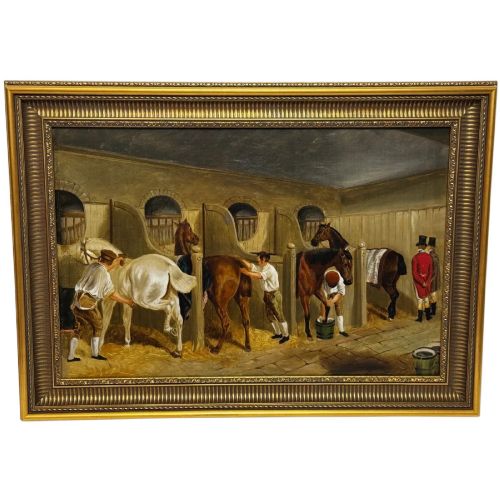
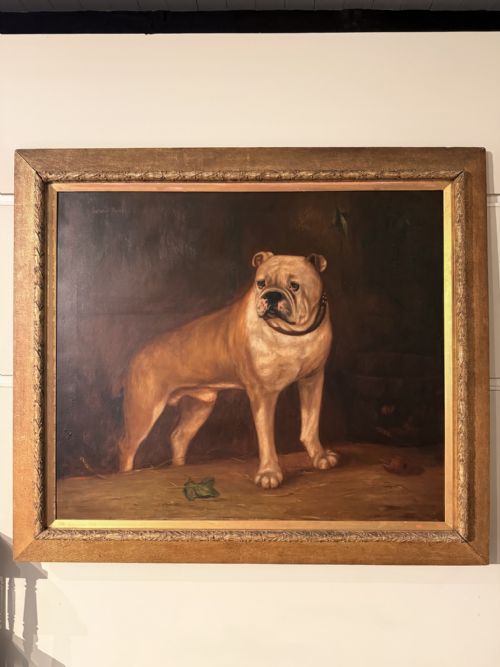
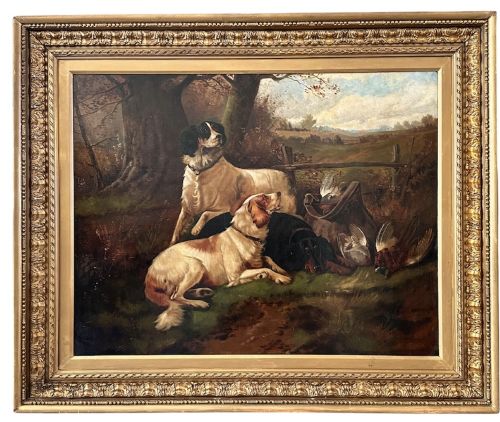
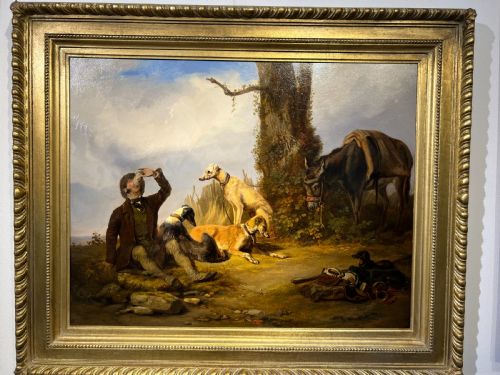
Canvas sporting art painting brings together equine portraits, gun dogs and field sports across the nineteenth and early twentieth centuries.
Canvas Sporting Art Painting
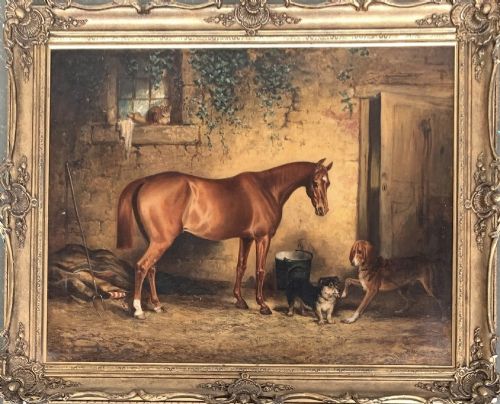
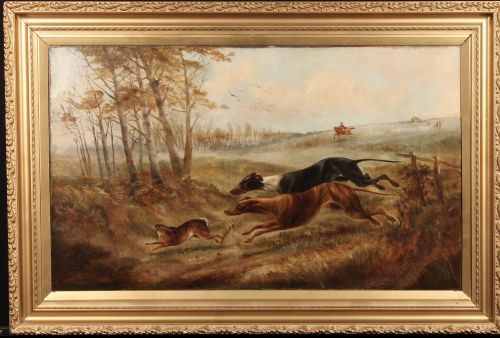
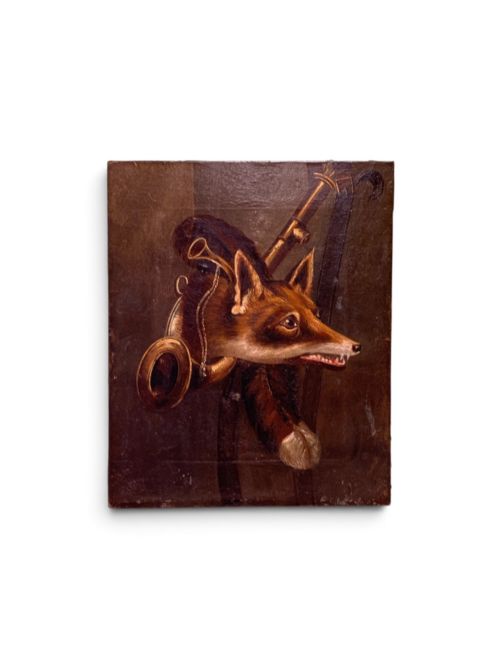
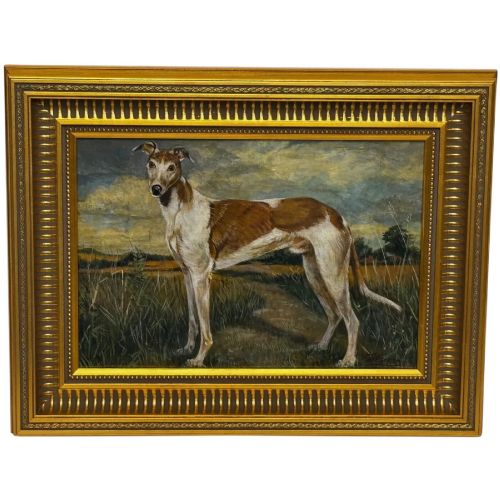
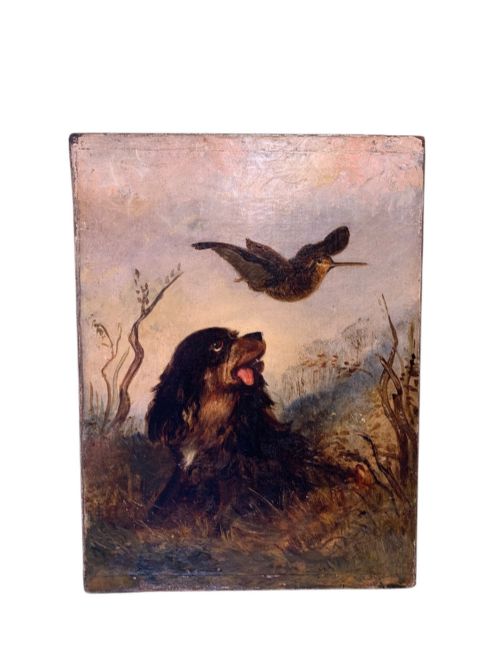
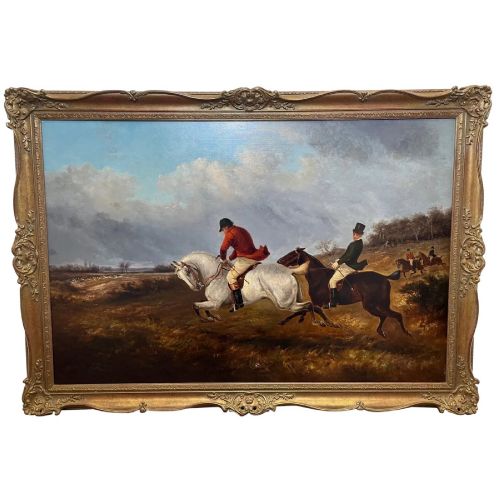
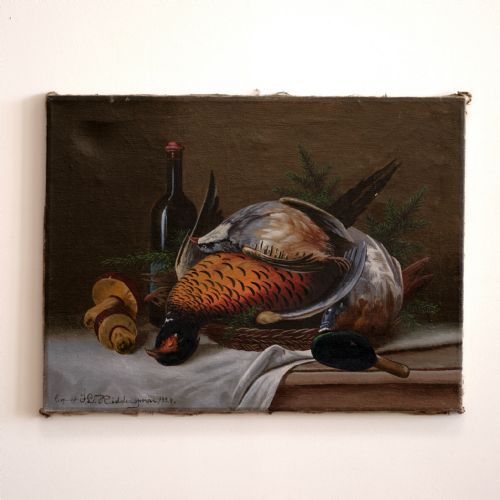
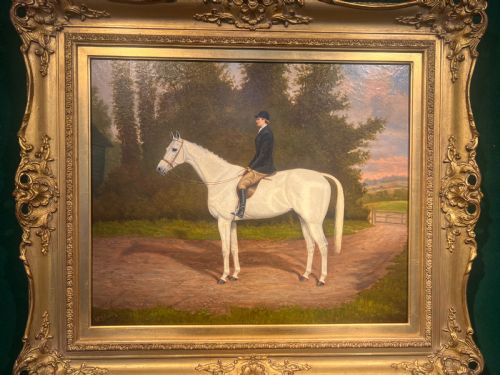
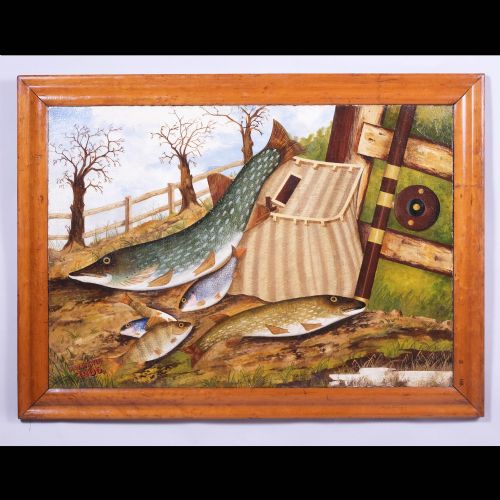
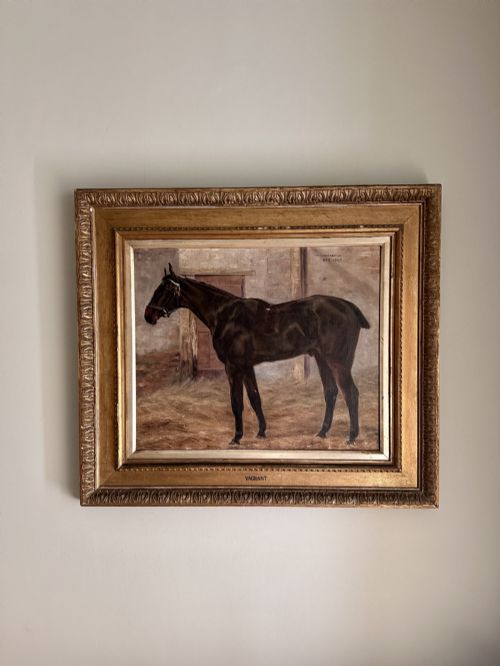
A canvas sporting art painting depicts horses, hounds, game and rural pursuits set within British landscapes. These works record the central role of field sports and animal husbandry during the Victorian and Edwardian eras.
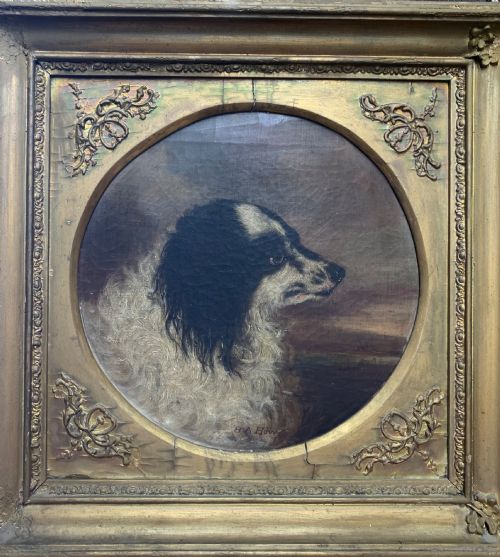
Collectors encounter equine portraits of named racehorses and hunters, detailed studies of gun dogs, and sweeping hunting scenes. The examples span from the nineteenth century into the mid-twentieth century, framed largely in wood and gilt.
How they were made
Painters applied oil paint directly onto stretched canvas, building texture and depth through layered brushwork. Many works retain their original wood frames, frequently enhanced with gold leaf or giltwood mouldings.
The technique balances anatomical accuracy in animals with atmospheric landscape backgrounds. Artists utilised subtle tonal shifts in oil to capture the gloss of a horse coat or the texture of a dog fur.
Materials recorded across the inventory include oil paint, canvas, wood, giltwood and gold leaf.
What varies in quality
The distinction lies in the artist command of animal anatomy and movement. Masterful works render the musculature of a horse or the alertness of a spaniel with precise observation, whereas lesser examples rely on formulaic postures.
Provenance and attribution elevate individual pieces significantly. Paintings linked to documented animaliers or carrying exhibition history demonstrate superior execution within the broader tradition of British sporting art.
Henry Barraud·George Armfield·John Sargent Noble·Sir Edwin Henry Landseer·Thomas Smythe·John Emms·John Ferneley Senior·George Wright
The Canvas Sporting Art Painting Glossary
- Oil on Canvas
- Pigments suspended in a drying oil applied to a woven fabric support. This combination allowed artists to achieve rich colours and subtle blending.
- Giltwood
- Wood carved and then coated with a thin layer of gold leaf or metallic paint. It provides a traditional ornamental border for nineteenth-century canvases.
- Equine Portrait
- A painting dedicated specifically to recording the likeness and conformation of a horse. These works often immortalised prize-winning racehorses or favourite hunters.
- Gun Dog
- A hunting dog bred to find, flush or retrieve game for sportsmen. Representations of spaniels, retrievers and setters form a major category in sporting art.
Canvas Sporting Art Painting: Frequently Asked Questions
What subjects do these paintings feature?
The works focus primarily on horses, hunting dogs, racing scenes and rural field sports.
Subjects range from individual portraits of prize racehorses and spaniels to expansive coaching and fox hunting landscapes.
How can I date a canvas sporting painting?
Dating relies on stylistic clues, framing methods, artist signatures and the specific dress or architecture depicted.
Victorian and Edwardian works often display distinct clothing fashions and landscape treatments characteristic of their specific decade of creation.
Are these paintings usually framed in wood?
Most period examples are housed in substantial wooden frames that frequently feature giltwood or gold leaf finishes.
These surrounds complement the oil painting and often reflect the interior decorative tastes of the nineteenth or early twentieth century.
Where were these sporting scenes painted?
Many paintings record specific British country estates, racecourses, stables and rural hunting grounds.
Artists frequently travelled to commission sites to capture accurate likenesses of named animals and local topography.