



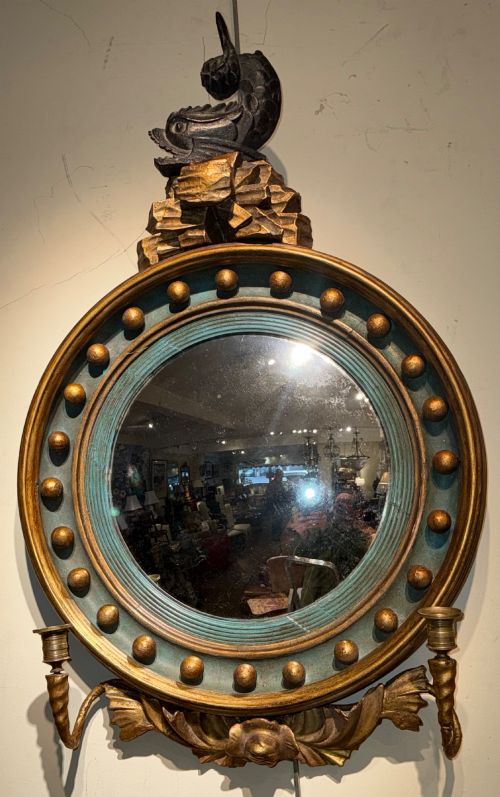
Candle Sconce Mirror
A candle sconce mirror combines reflective glass with integrated candle arms, designed to catch and multiply candlelight in dimly lit rooms.
Understanding candle sconce mirror forms
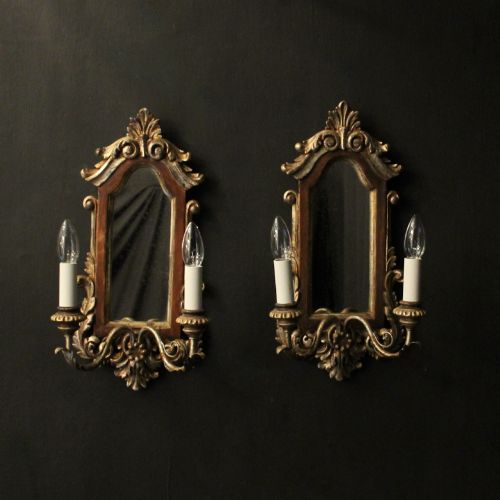
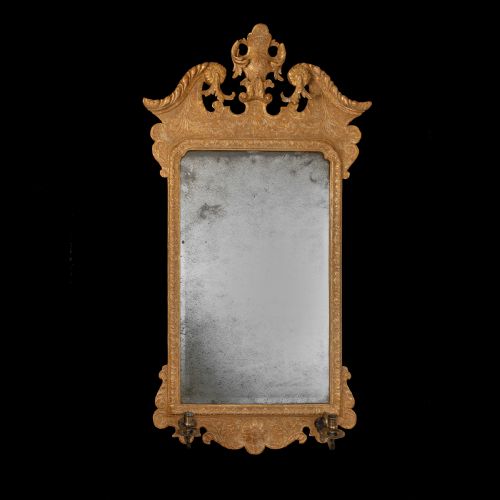
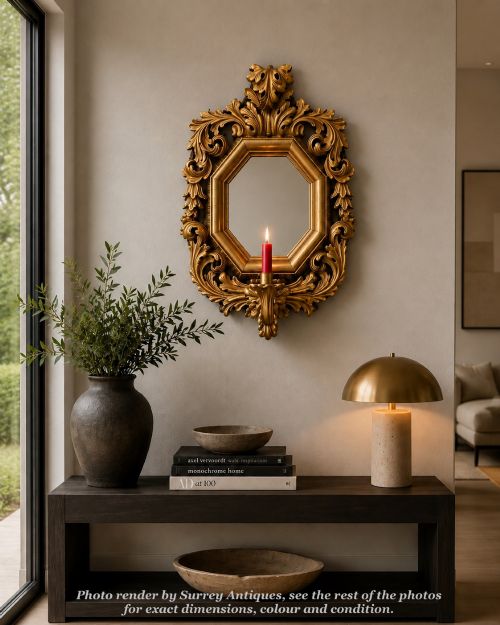
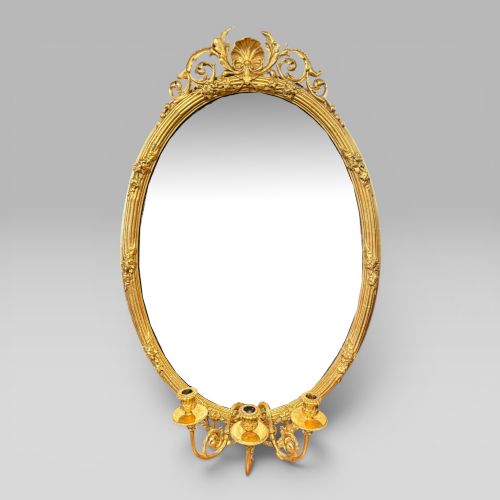
A candle sconce mirror brings together the reflective utility of wall mirrors and the illumination of candle holders, creating a dual-purpose wall fixture. When searching for a candle sconce mirror, buyers encounter various historical iterations spanning the nineteenth and early twentieth centuries.
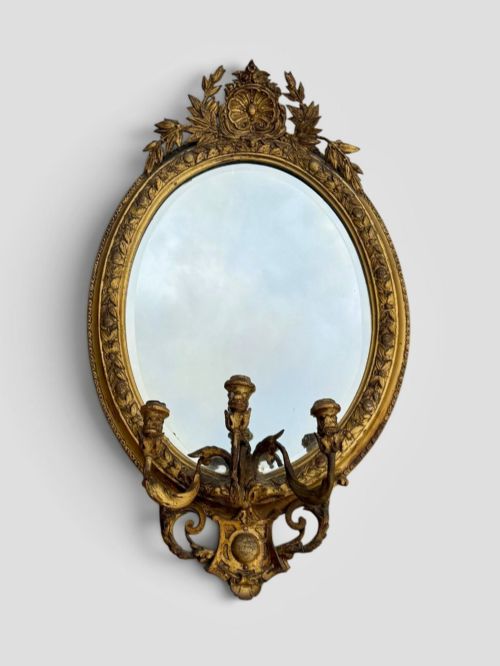
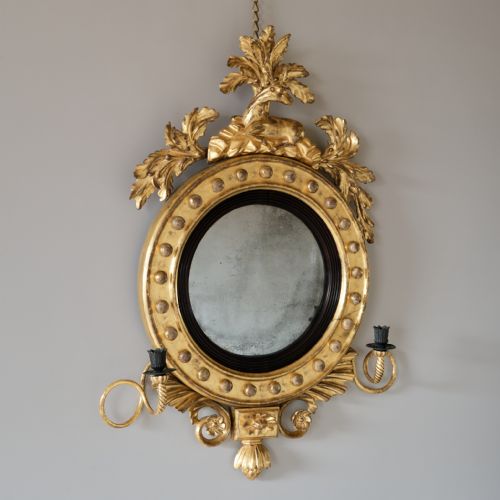
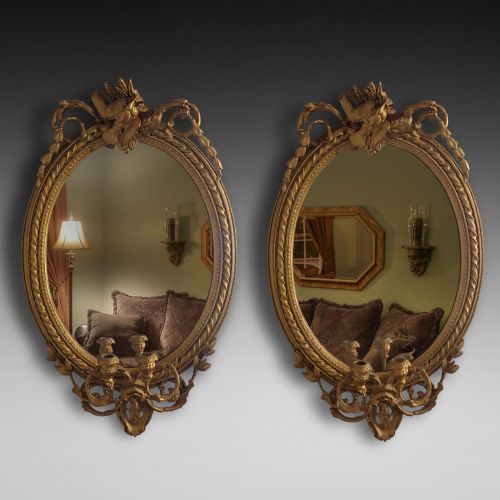
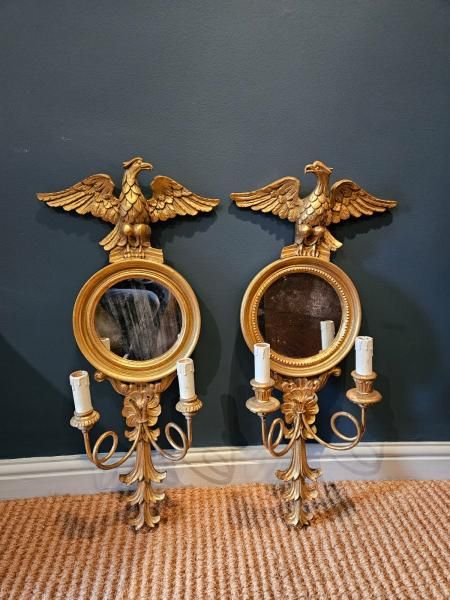
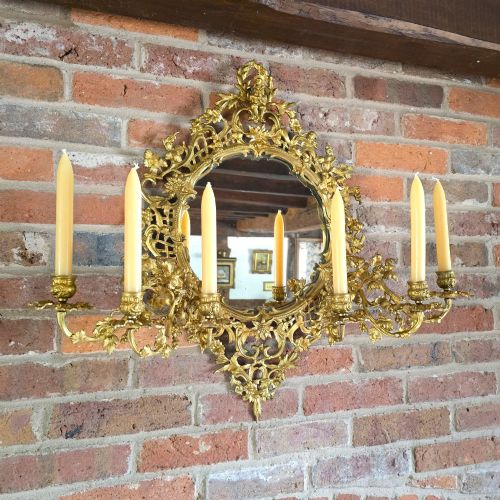
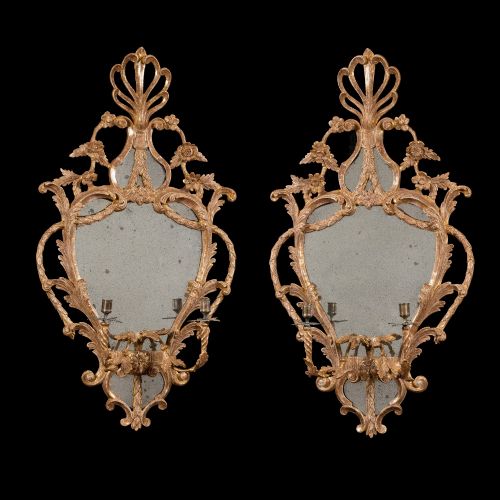
The selection ranges from French Belle Epoque giltwood girandoles to Victorian gilt frames, Regency convex pieces, and Italian limewood or walnut designs. Wall mirrors, shaving mirrors, and girandole mirrors dominate the forms, frequently featuring integrated brass or glass candle arms.
Many examples emerge from French Chateau, Rococo Revival, Adam, and Belle Epoque styles, reflecting the decorative tastes of the nineteenth century and the early twentieth century. Buyers most frequently meet nineteenth-century giltwood and brass variations during their search.
Materials and construction methods
These pieces utilise traditional construction materials such as giltwood, gesso, brass, cast iron, porcelain, walnut, mahogany, and limewood. Frames are carved or moulded, then gilded, while mirror glass and mirrored glass provide the reflective surface.
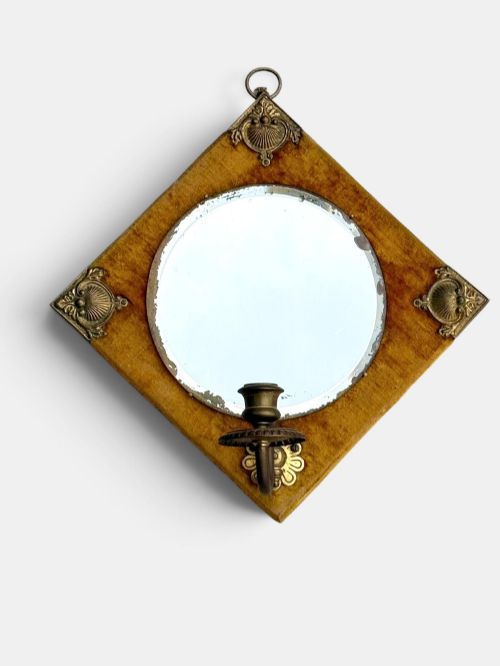
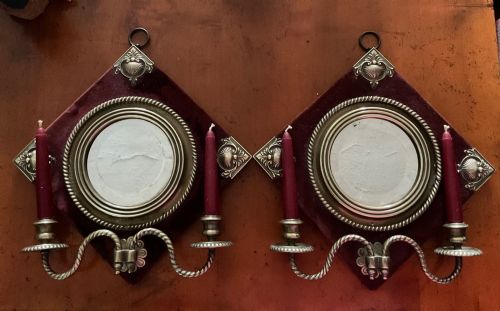
Metal components include cast brass and iron for telescopic arms or structural sconces. Etched mirror backs and velvet frames appear in specific examples, showing diverse decorative finishes applied to the wood and metal substrates.
Retail Price Guide 2026
Typical UK retail prices for candle sconce mirror, calculated from the Sellingantiques database of over a million retail prices indexed since 2003. This retail price guide relies exclusively on Sellingantiques data; no external sources or auction records are used, so the figures do not describe the wider market.
Some nineteenth-century examples are specifically styled as sorcerer mirrors, designed to distort reflections in a charmingly theatrical manner.
Factors determining the quality hierarchy
The refinement of the carving on giltwood and wood frames separates standard examples from exceptional pieces. Crisp detail in Rococo Revival or Adam style ornamentation indicates superior craftsmanship.
The integrity of the original mercury or silvered mirror glass, alongside the matching quality of the brass or glass candle sconces, dictates the piece's overall cohesion and historical preservation.
The Candle Sconce Mirror Glossary
- Girandole mirror
- A decorative wall mirror featuring one or more attached candle arms that reflect the light into the room. These pieces often incorporate ornate giltwood frames in various revival styles.
- Giltwood
- Timber, commonly gesso-coated or carved, that has been covered with a thin layer of gold leaf. This material defines many nineteenth-century wall mirrors.
- Convex mirror
- A round mirror with a curved outward glass surface that provides a wide-angle reflection. Regency examples often use this optical form.
- Pier mirror
- A tall wall mirror designed to hang on the wall space between two windows. These frequently appear in nineteenth-century domestic interiors.
- Telescopic mirror
- An adjustable shaving or vanity mirror mounted on an extendable arm. Brass serves as the primary metal for these functional pieces.
Frequently Asked Questions
Where should I hang a candle sconce mirror?
These mirrors suit spaces where reflected candlelight enhances the atmosphere, such as hallways, dining rooms, or living areas.
Position them at eye level to maximise their dual function of illumination and reflection.
How do I identify a girandole mirror?
A girandole is specifically characterised by its integrated candle sconces attached directly to the frame or glass.
They often feature round or oval convex glass and ornate giltwood surrounds.
Were these mirrors used for shaving?
Certain specialised forms, such as telescopic shaving mirrors, were designed for personal grooming and cosmetic use.
These compact brass pieces adjust in height and angle to suit the user.
What periods do these mirrors represent?
The available pieces predominantly date from the nineteenth century through to the early twentieth century.
Styles span Regency, Victorian, Rococo Revival, and Belle Epoque aesthetics.