


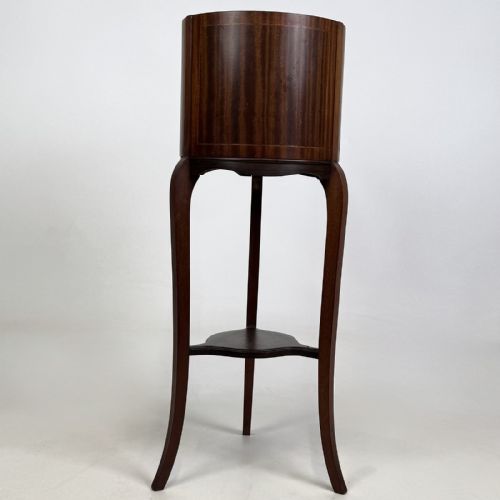
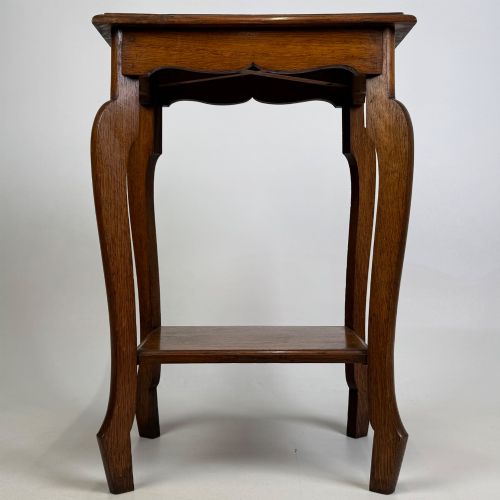

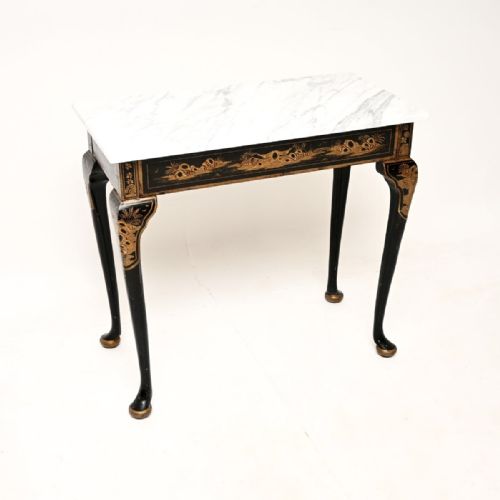
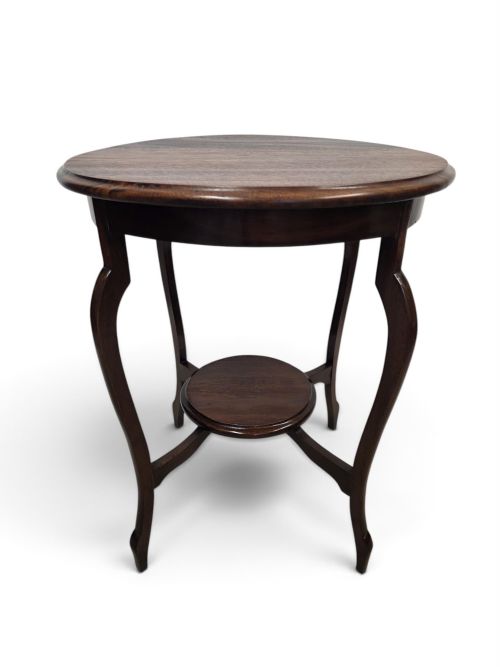
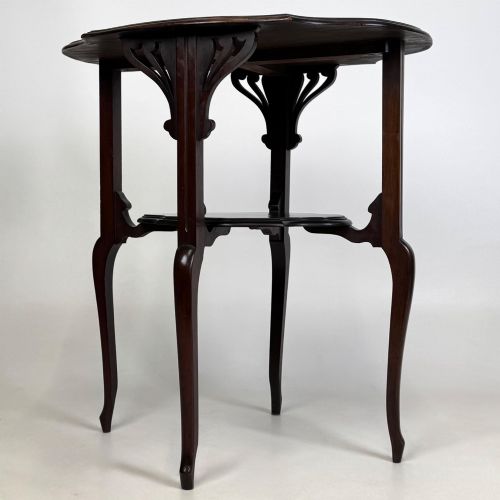
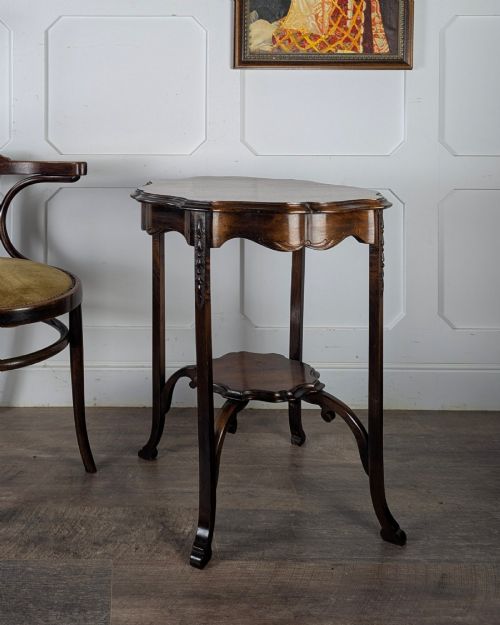
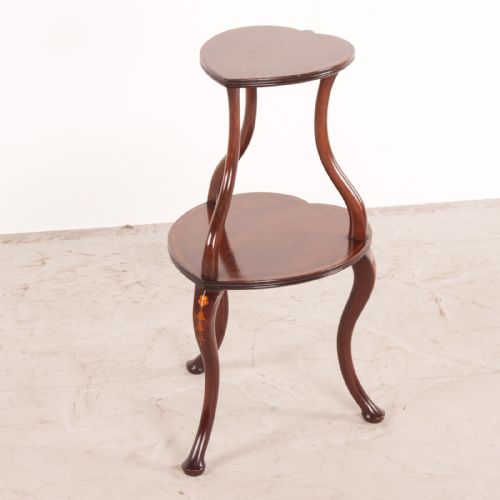
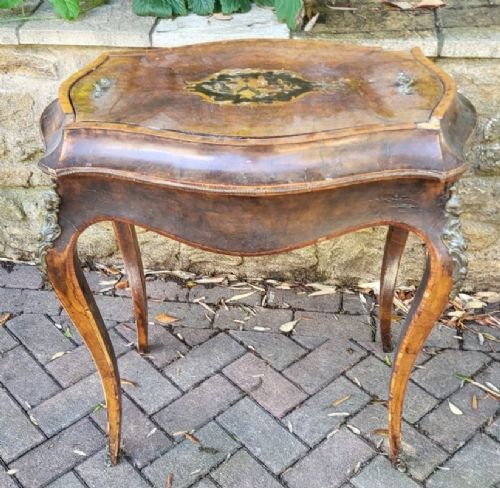


Cabriole Leg Plant Stand
A cabriole leg plant stand is a raised display surface for foliage or porcelain, combining curving supports with functional elevation.
Cabriole Leg Plant Stand
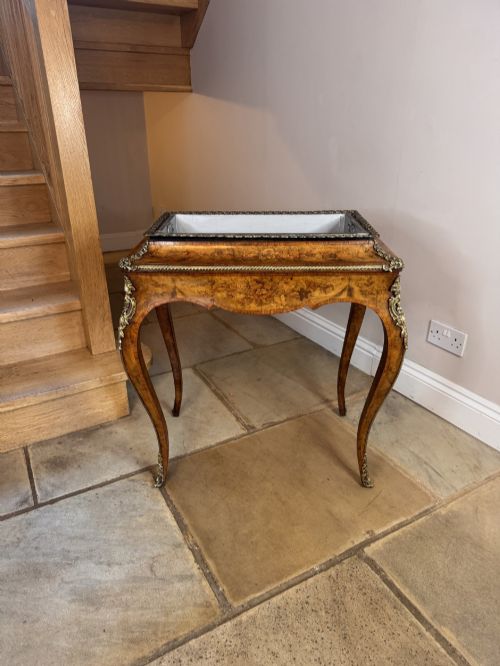
A cabriole leg plant stand brings height and display space to domestic interiors, frequently taking the form of a jardiniere table, torchere or occasional table designed to hold plants or decorative objects. These pieces appear across various eras, running from Georgian examples through Victorian and Edwardian periods up to the early twentieth century.
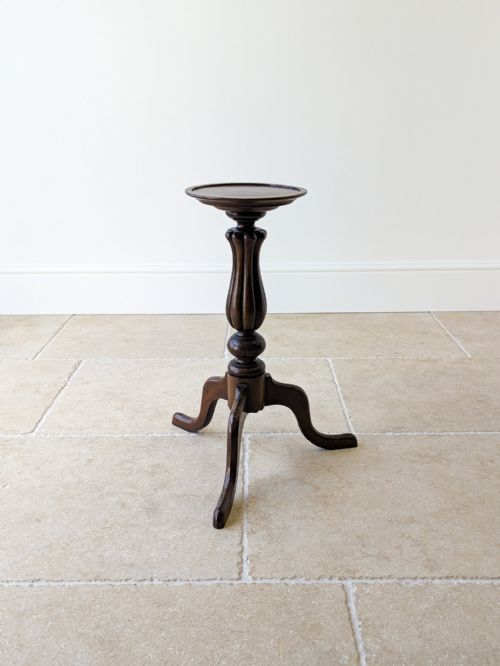
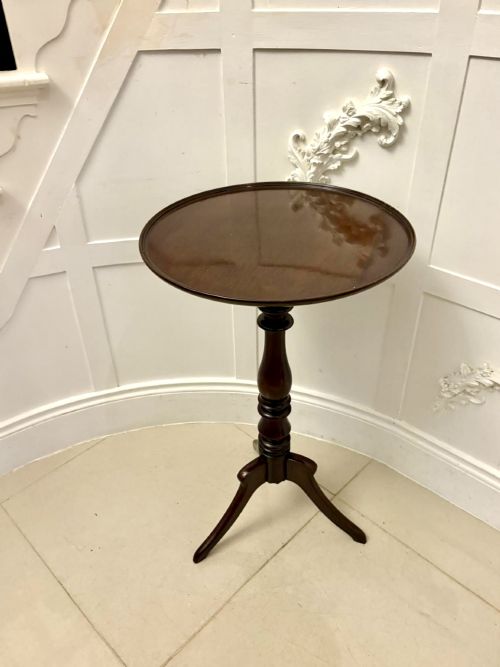
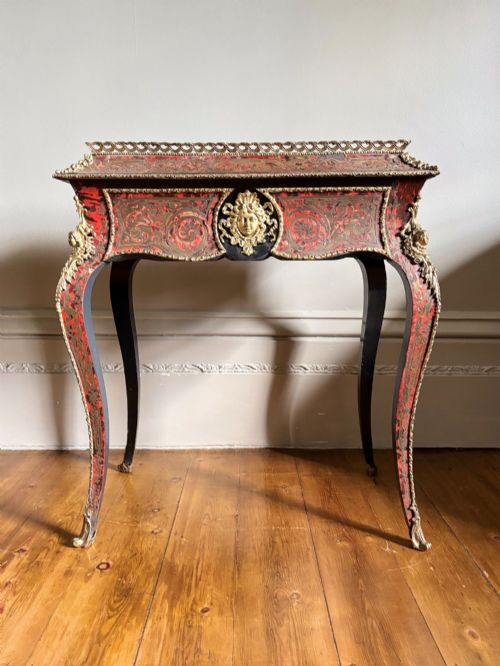
Origins span English workshops, French ateliers and Chinese or Japanese export production, demonstrating how diverse makers interpreted the raised plant stand format. Buyers encounter everything from simple tripod tables in mahogany to elaborate marquetry-inlaid planters mounted in ormolu.
Materials and construction
Cabinetmakers utilised hardwoods including mahogany, walnut, burr walnut, satinwood and oak to build the primary structures, often employing marquetry, inlay or lacquered Chinoiserie finishes for surface decoration. French examples frequently integrate kingwood with cast ormolu mounts, combining structural timber with decorative metalwork.
Insets of marble, onyx and tile provide durable, water-resistant surfaces designed to withstand moisture from potted plants and jardiniere liners. Carving appears on wooden elements, from Chinese floral motifs on hardwood stands to serpentine mouldings on European revival pieces.
Cabriole Leg Plant Stand Retail Price Guide 2026
Typical asking prices for cabriole leg plant stand among the pieces listed under this phrase on Sellingantiques today, from the lower quarter to the upper quarter. They describe what is for sale here now, not the wider market.
Listings feature woods like mahogany, walnut, satinwood, oak and kingwood alongside marble, brass and ormolu mounts.
Judging standard and execution
Quality separates pieces through the crispness of carved details on the woodwork and the precision of marquetry inlay rather than scale alone. Finer examples display carefully matched burr walnut veneers, integrated bronze or ormolu mounts, and stable, well-proportioned curving legs that meet the floor cleanly.
The choice of top material also defines the tier of manufacture, with heavy rouge or white marble slabs and hand-painted porcelain plaques marking out higher-grade French and Asian imports from simpler domestic softwood or standard mahogany tables.
Shapland and Petter
The Cabriole Leg Plant Stand Glossary
- Cabriole leg
- A furniture support that curves outward at the knee and tapers inward at the ankle, ending in a pad, claw or scroll foot. This shape derives from animal limbs and gained widespread popularity in furniture design during the eighteenth century.
- Jardiniere
- An ornamental pot or stand for holding plants and flowers, often fitted with a removable metal or ceramic liner. These items became particularly prominent in nineteenth-century interiors.
- Torchere
- A tall, slender stand or pedestal originally intended to support a candlestick or oil lamp. Later versions frequently serve to display vases, sculptures or potted plants.
- Marquetry
- Decorative veneer work formed by fitting together thin pieces of wood, shell or ivory to create pictorial or geometric patterns. Craftsmen applied this technique to table tops and friezes.
- Ormolu
- Gilded bronze used for decorative furniture mounts and decorative hardware. It provides a bright golden contrast against dark hardwoods like walnut and kingwood.
Cabriole Leg Plant Stand: Frequently Asked Questions
What is a cabriole leg plant stand?
A cabriole leg plant stand is a raised piece of furniture featuring curved, double-S-shaped supports designed to hold potted plants, jardiniere liners or decorative objects. These stands elevate greenery to eye level while introducing ornamental form to a room.
Such tables bridge the gap between practical horticulture and interior decoration. They appear in diverse styles ranging from English Georgian and Victorian designs to French revival and Asian export pieces.
How were jardiniere tables used?
Jardiniere tables were utilised in nineteenth-century drawing rooms and parlours to display live plants indoors without damaging surrounding furniture. The waterproof insets or lift-off lids contained soil and moisture during watering.
Beyond functional plant housing, these tables functioned as display surfaces for porcelain and flowers. They allowed homeowners to integrate natural elements directly into formal sitting areas.
How do I identify Edwardian stands?
Edwardian plant stands and occasional tables, dating from the early twentieth century, frequently employ lightweight mahogany or satinwood construction. They often feature multiple tiers for storage or display and delicate inlaid stringing rather than heavy carving.
Compared to earlier Victorian pieces, Edwardian examples lean towards lighter proportions and refined, simplified revival styles. They reflect changing domestic tastes that favoured brighter, less cluttered living spaces.
Are marble top stands waterproof?
Marble and onyx table tops provide a natural stone surface that resists water spills from potted plants and damp soil. This makes them practical choices for planters and jardiniere stands where moisture is common.
While the stone surface itself withstands water, the underlying wooden frame still requires care to prevent humidity damage. Buyers should wipe away standing water promptly to protect the surrounding timber.