



Cabriole Leg Dresser Base
A cabriole leg dresser base combines sturdy utility with graceful curved supports, offering an enduring piece of functional furniture for storing household items.
Cabriole Leg Dresser Base
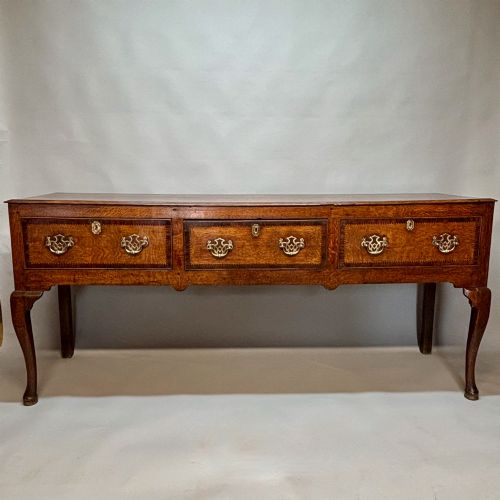
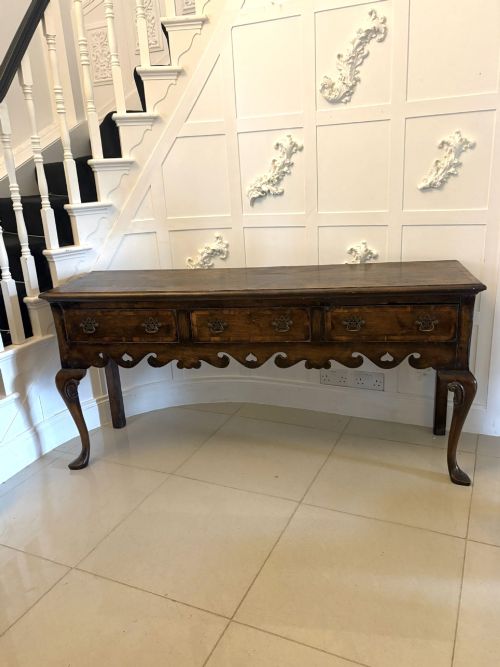
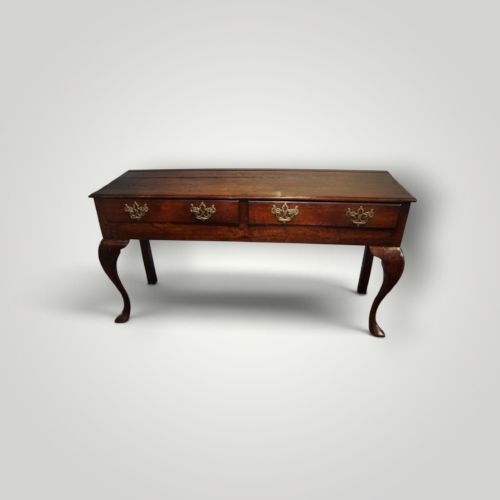
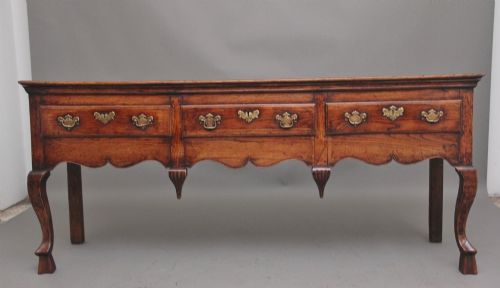
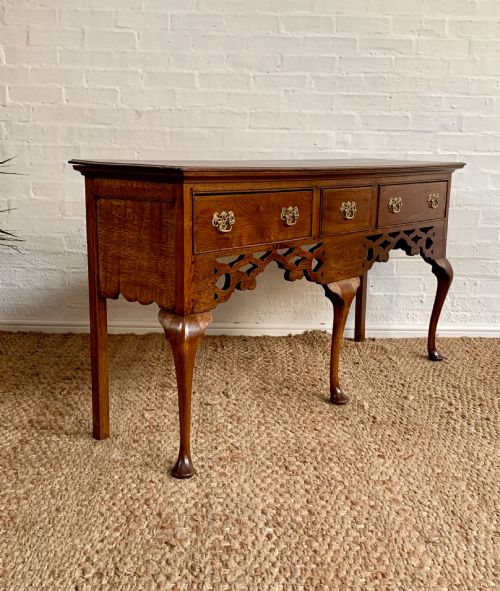
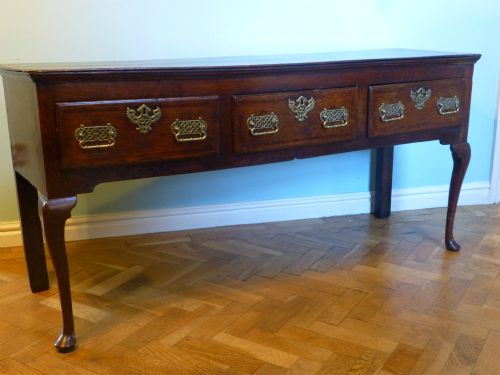
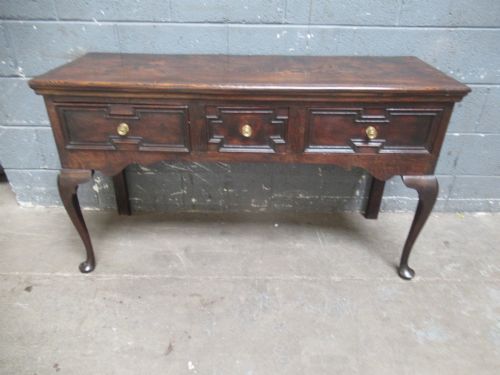
A cabriole leg dresser base is a substantial utilitarian table fitted with drawers, designed originally for serving food and storing tableware in the domestic interior. The pieces seen most frequently on this page date from the eighteenth century and the Georgian period, often constructed from native timber.
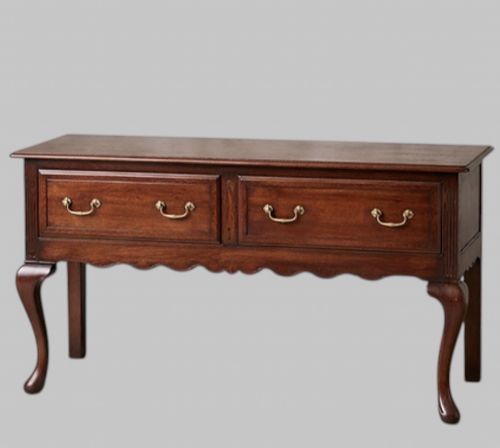
Makers shaped these utilitarian forms to stand against dining room walls, pairing horizontal surface areas with multi-drawer configurations beneath. Alongside authentic eighteenth-century examples, the selection includes revival pieces from around nineteen hundred reflecting earlier stylistic preferences.
Materials and Construction
Oak serves as the primary material across the majority of these examples, complemented by instances of walnut, mahogany, and elm. Craftsmen shaped these timbers using traditional joinery methods to build heavy frames capable of supporting everyday kitchen and dining tasks.
Surfaces frequently display applied paint or natural finishes that highlight the grain of the wood over decades of daily use. Hardware relies on brass for handles and escutcheons, securing operational fittings to drawer fronts.
Cabriole Leg Dresser Base Retail Price Guide 2026
Typical asking prices for cabriole leg dresser base among the pieces listed under this phrase on Sellingantiques today, from the lower quarter to the upper quarter. They describe what is for sale here now, not the wider market.
Listings feature eighteenth-century and Georgian pieces alongside later revival styles from nineteen hundred.
Evaluating Distinction
Quality rests upon the crispness of the cabriole curve and the integrity of the timber used in the primary frame. Early examples show deliberate shaping in the legs and feet, whereas revival pieces often present simpler turning or softer joint lines.
The retention of original surface patination separates exceptional pieces from standard items. Depth of colour and minimal alteration to the structural timber distinguish better-preserved examples through years of domestic service.
The Cabriole Leg Dresser Base Glossary
- Cabriole leg
- A furniture leg that curves outward at the knee and tapers inward to an ankle, mimicking animal limbs. This form became popular during the early eighteenth century.
- Dresser base
- The lower section of a kitchen or dining dresser, consisting of a low table fitted with drawers and occasionally cupboards, omitting any upper shelving rack.
- Crossbanding
- A strip of veneer applied to the edges of a board so that the grain runs at right angles to the facing surface. This technique adds decorative contrast to walnut and mahogany pieces.
- Patina
- The surface sheen and colour developed over decades through handling, polishing, and ageing. It indicates long-term use and natural exposure.
- Trifid foot
- A three-lobed foot often found at the base of cabriole legs on mid-eighteenth-century furniture. It resembles a webbed paw or a three-fingered hand.
Cabriole Leg Dresser Base: Frequently Asked Questions
What is a cabriole leg dresser base used for?
These pieces function primarily as serving tables or low storage units in dining rooms and hallways. Drawers provide space for flatware and linens while the top surface holds decorative objects.
Historically, kitchens utilised them for food preparation before they moved into formal dining spaces. Their low profile allows them to sit comfortably against walls without dominating smaller rooms.
How do I identify an eighteenth-century example?
Eighteenth-century examples display hand-cut joinery, pegged joints, and timber that shows natural wear and oxidation. Oak boards on older pieces often exhibit irregular widths and hand-planed surfaces.
Revival pieces from later centuries utilise tighter mechanical tolerances and machine-sawn timber. Examining the interior drawer linings provides further clues regarding age and construction methods.
Are these pieces made of solid oak?
Many examples consist of solid English oak, particularly those originating from country workshops during the Georgian era. Carpenters selected oak for its local availability and structural durability.
Later revival interpretations sometimes incorporate secondary woods or veneers such as mahogany and walnut. Secondary timbers appear inside drawer construction and on backboards.
How should I care for a wooden dresser base?
Keep wooden furniture away from direct heat sources and drastic humidity changes to prevent timber splitting. Regular dusting with a dry cloth maintains the surface without requiring heavy polishes.
Applying occasional natural wax helps nourish older finishes and preserves the existing patina. Avoid synthetic sprays that leave chemical residues on the grain.