

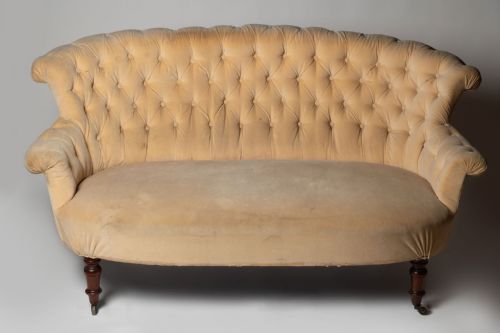


Button Back Loveseat
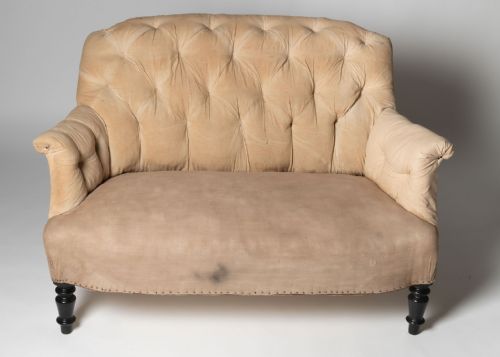
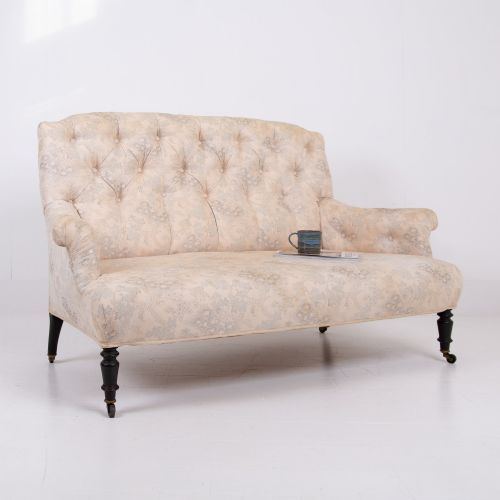
These button back loveseat pieces are compact two-seat upholstered seating designed for intimate conversation, offering period charm and deep tufted comfort.
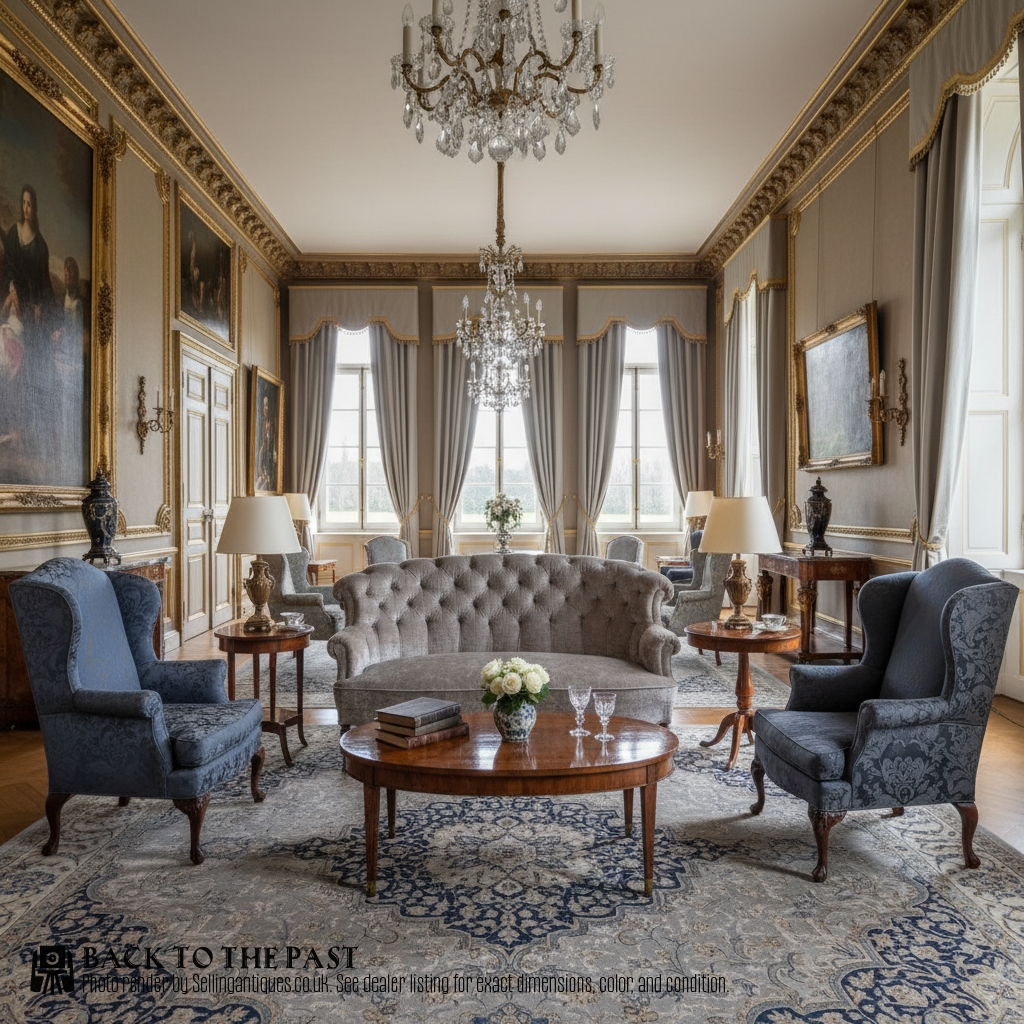
Button Back Loveseat
A button back loveseat provides compact seating for two people, bridging the gap between an armchair and a full-size settee. When you search for this phrase, you find smaller two-seater sofas originating from the nineteenth century onward.
The pieces listed on this page span Victorian, Edwardian, and Napoleon III periods, alongside Aesthetic Movement and Rococo Revival styles. They take forms such as canapes, salon settees, and compact couches.
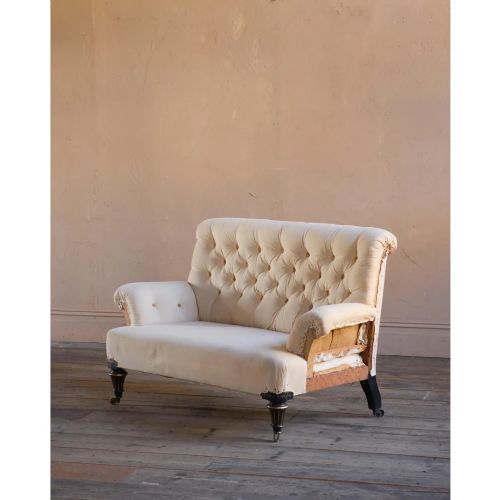
Most examples feature a distinctive tufted upholstery pattern on the backrest. They appear in hardwood frames, with walnut and mahogany particularly common among the nineteenth-century pieces.
How they were made
Makers built the structural frameworks from hardwoods like mahogany, walnut, and ebonised timber, often shaping them with carved or inlaid details. These sturdy frames support the deep upholstery work characteristic of the form.
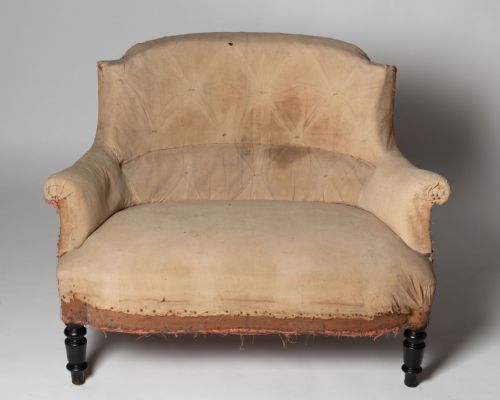
Upholstery techniques combined traditional stuffing methods with tightly pulled buttons to create the signature textured backrest. Finished surfaces utilised materials ranging from plush velvet and leather to calico ready for final covering.
Button Back Loveseat Retail Price Guide 2026
Typical asking prices for button back loveseat among the pieces listed under this phrase on Sellingantiques today, from the lower quarter to the upper quarter. They describe what is for sale here now, not the wider market.
The listings span the nineteenth and twentieth centuries, featuring materials such as velvet, leather, mahogany, and walnut.
What varies in quality
Quality rests significantly in the definition of the woodwork and the integrity of the frame construction. Carved walnut or inlaid details show a higher tier of cabinetmaking than simpler structural timbers.
The execution of the buttoning and the choice of covering material dictate the visual refinement of each piece. Hand-dyed leather and fine velvet elevate an example above standard upholstery.
Jackson and Graham
The Button Back Loveseat Glossary
- Button back
- A style of upholstery where buttons are pulled deep into the padding at regular intervals to form a quilted, geometric pattern. This technique secures the internal stuffing while creating a textured surface.
- Canape
- A decorative French-style settee with an exposed wooden frame and upholstered seat and back. These pieces often feature carved woodwork and cabriole legs.
- Ebonised
- Wood treated with a chemical or stain to make it dark and glossy, mimicking ebony. This finish gained popularity during the nineteenth century.
- Rococo Revival
- A nineteenth-century design style drawing on eighteenth-century French motifs, characterised by flowing curves, carved floral ornaments, and asymmetry.
- Salon settee
- A light, decorative seating piece designed for formal reception rooms rather than heavy daily use. They often showcase refined woodwork and elegant upholstery.
Button Back Loveseat: Frequently Asked Questions
What is a button back loveseat?
A button back loveseat is a compact two-seater sofa featuring tufted upholstery on the backrest. These pieces provide intimate seating while occupying less floor space than a standard sofa.
Originating largely in the nineteenth and early twentieth centuries, they appear in various regional styles including French and Victorian designs.
How do I date a button back loveseat?
Dating relies on examining the timber frame, carving styles, and upholstery construction methods. Victorian and nineteenth-century examples often feature walnut or mahogany frames with distinct revival stylistic cues.
Later pieces from the early twentieth century shift toward simpler lines or Edwardian influences. Comparing the woodwork details to established period styles helps narrow the timeline.
Where were these pieces used?
Historically, these compact settees found places in parlours, bedrooms, and formal drawing rooms. Their smaller proportions suited private conversation spaces rather than large assembly areas.
Today, they function well in similar domestic settings, fitting easily into alcoves, bedrooms, or smaller living spaces.
Are these loveseats comfortable?
Comfort depends on the internal padding and the spring construction of the individual seat. Many period examples offer supportive sprung bases combined with padded backrests.
Pieces requiring reupholstery may feel firmer or softer depending on the condition of the internal stuffing.