


Tufted Velvet Sofa
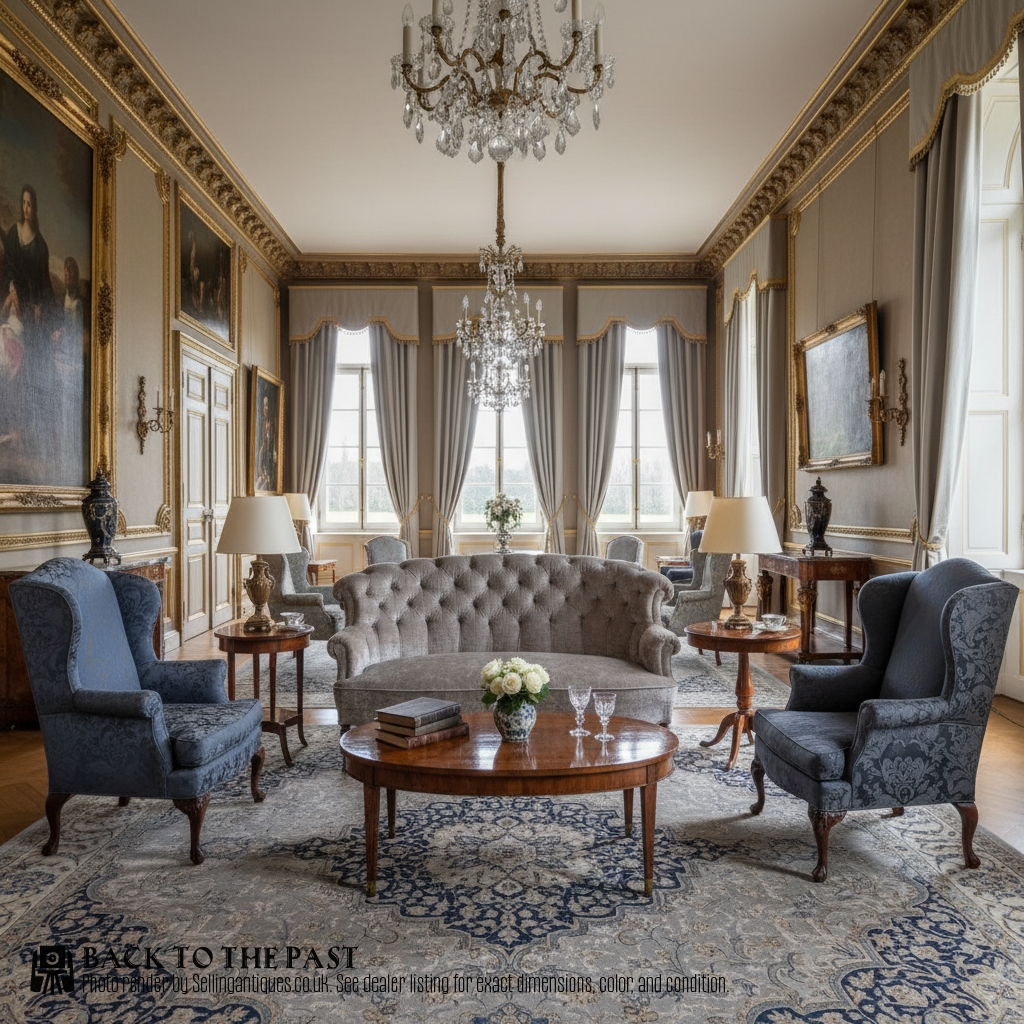
A tufted velvet sofa brings nineteenth-century comfort and deep buttoning into a modern room.
Tufted Velvet Sofa
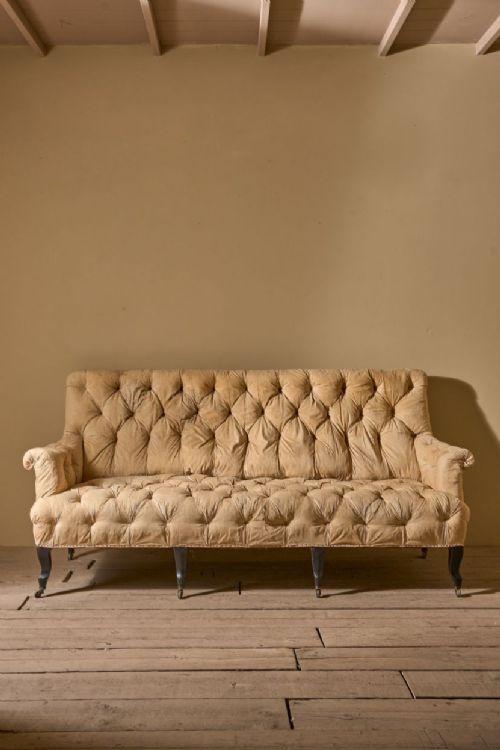
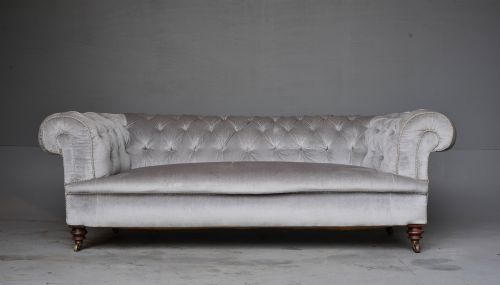
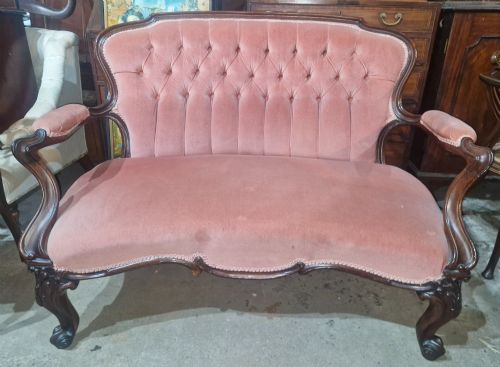
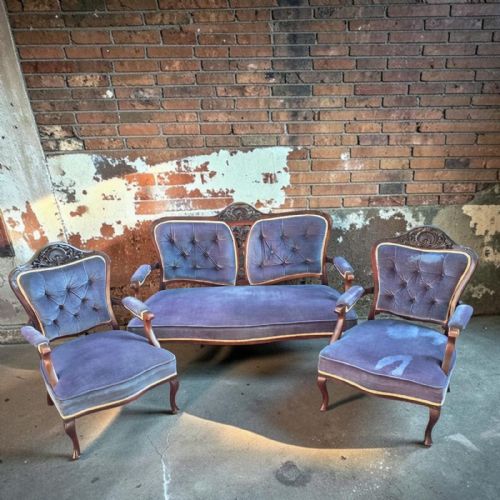
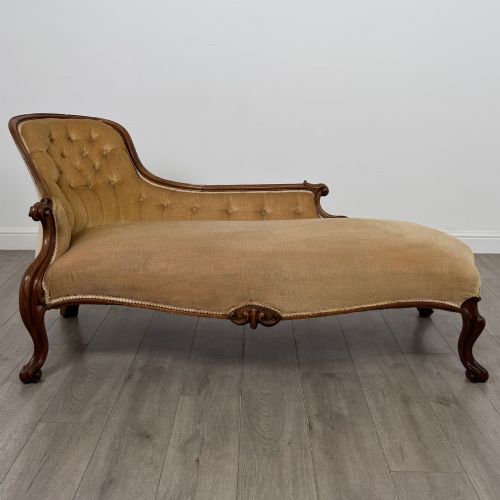
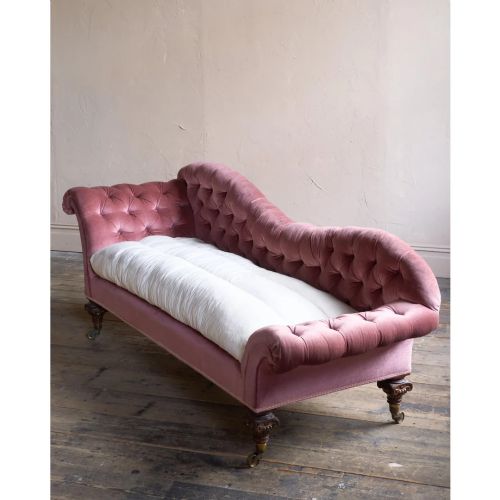
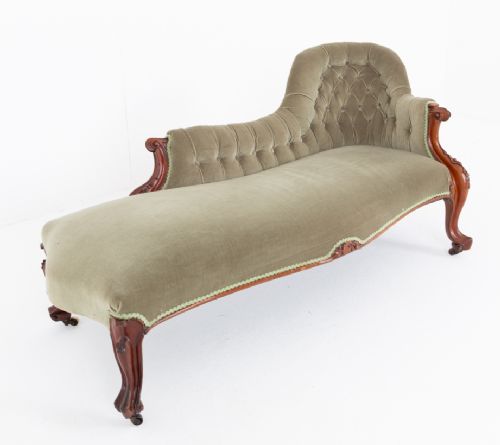
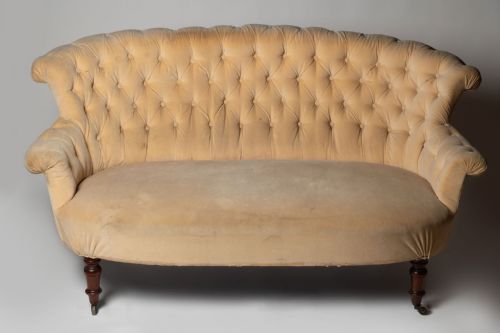
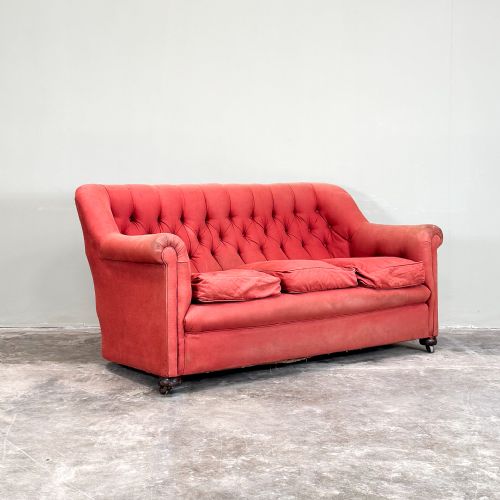
When you search for a tufted velvet sofa, you encounter a range of nineteenth-century seating, including Victorian Chesterfords, button-backed settees, and chaise longues. The most common form on this page is the Victorian button-backed sofa, often framed in rosewood, walnut, or mahogany.
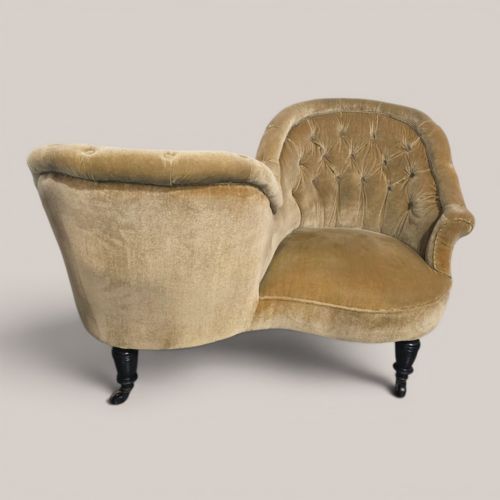
These pieces encompass diverse nineteenth-century styles such as Regency, Victorian Rococo Revival, Napoleon III, and the Aesthetic Movement. Alongside traditional sofas, the listings include conversation seats, salon suites, and day beds upholstered in velvet and fabric.
Makers and country house workshops of the nineteenth and early twentieth centuries produced these seating forms for formal reception rooms and drawing rooms. The selection ranges from compact bedroom settees and window seats to wide country house sofas.
Materials and construction
Makers built the frames of these pieces using sturdy timbers such as mahogany, walnut, rosewood, beech, and general wood or timber. Structural support often relied on turned or carved wooden legs, sometimes featuring brass castors or ionic column details.
The defining characteristic of these sofas is the upholstery work, combining velvet fabric with deep buttoning and occasional tassel trim or gilt finishes. Frames frequently display carved ornamentation, inlay work, or barley twist turnings characteristic of Victorian and Aesthetic period craftsmanship.
Several Victorian conversation sofas on offer are shaped to let two people sit facing opposite directions while maintaining a polite chat.
What separates the fine examples
Quality in these pieces rests upon the crispness of the timber carving and the architectural proportion of the frame. Superior examples display substantial hardwoods like rosewood or walnut shaped with balanced, confident lines rather than plain, utilitarian construction.
The integrity of the original frame construction and the depth of the buttoning determine the overall standard. Pieces retaining their original gilt work, precise wood turnings, and sound structural joinery stand apart from later or heavily altered equivalents.
Howard and Sons·Jas James Shoolbred·Hampton and Sons
The Tufted Velvet Sofa Glossary
- Chaise longue
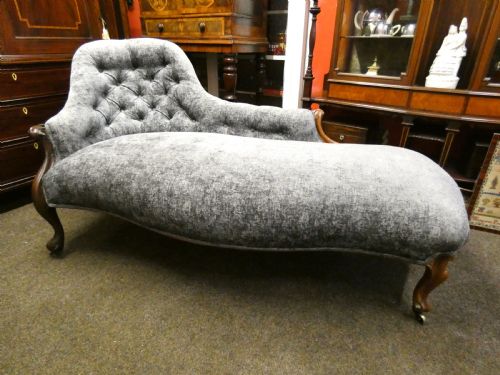
- An upholstered couch shaped for reclining, combining a chair with an extended seat. These pieces date predominantly from the nineteenth century.
- Chesterfield
- A large upholstered sofa characterised by equal height in the arms and back, traditionally featuring deep buttoning. This form is a staple of Victorian seating.
- Aesthetic Movement
- A late nineteenth-century design style emphasising artistic expression and decorative simplicity, often seen in ebonised wood frames. It rejected heavy Victorian ornamentation in favour of refined lines.
- Salon suite
- A matching set of seating furniture, typically comprising a sofa and matching chairs intended for a drawing room. These suites often share carved rosewood or walnut frames.
Tufted Velvet Sofa: Frequently Asked Questions
What is a tufted velvet sofa?
A tufted velvet sofa is a nineteenth-century or early twentieth-century piece of upholstered seating featuring deep buttoning across the backrest and velvet fabric covering. These pieces include Chesterfords, settee forms, and day beds.
They reflect periods from Regency to Victorian and Edwardian, offering deep-seated comfort and traditional craftsmanship.
How do I place a chaise longue?
A chaise longue works well in a bedroom, dressing room, or drawing room as a dedicated reclining seat. Its single-ended or double-ended backrest allows it to sit against a wall or float within a large space.
Ensure there is enough floor clearance around the piece to appreciate the carved timber frame and turned legs.
How do I date a Victorian settee?
Dating a Victorian settee involves examining the timber species, the style of the frame carving, and the upholstery technique. Rosewood and walnut frames with rococo revival curves generally point to the mid-nineteenth century.
Later pieces from the end of the century often incorporate ebonised finishes or aesthetic movement details.
Are these sofas comfortable for daily use?
Many nineteenth-century sofas offer deep seating and sturdy sprung frames designed for extended lounging. Pieces like Howard style sofas were built with daily domestic comfort in mind.
Depending on the age of the upholstery, some pieces may require professional re-webbing or padding to suit modern seating preferences.