

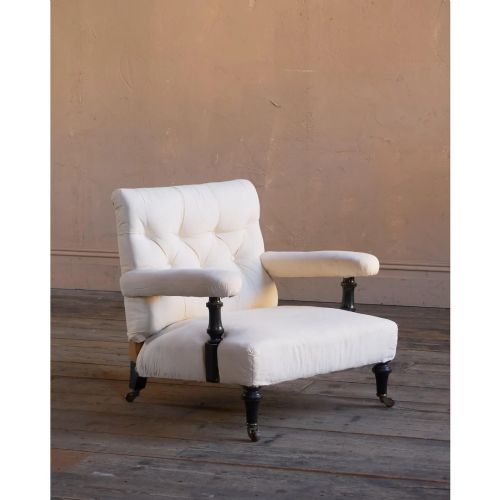
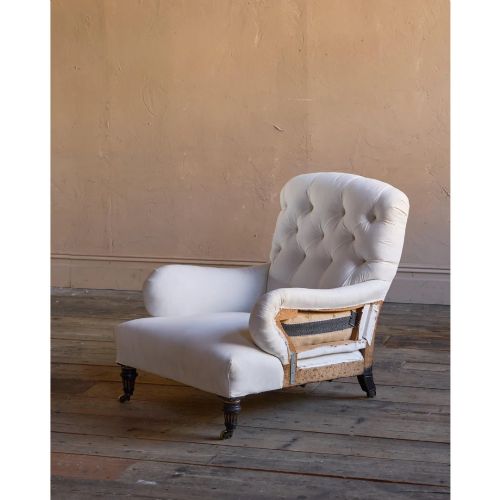
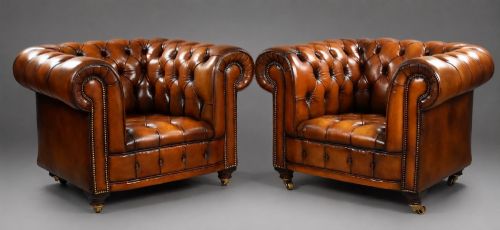
Button Back Club Chair
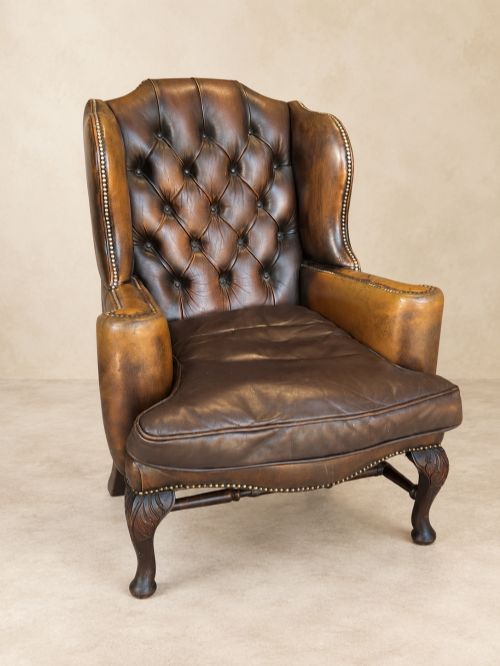
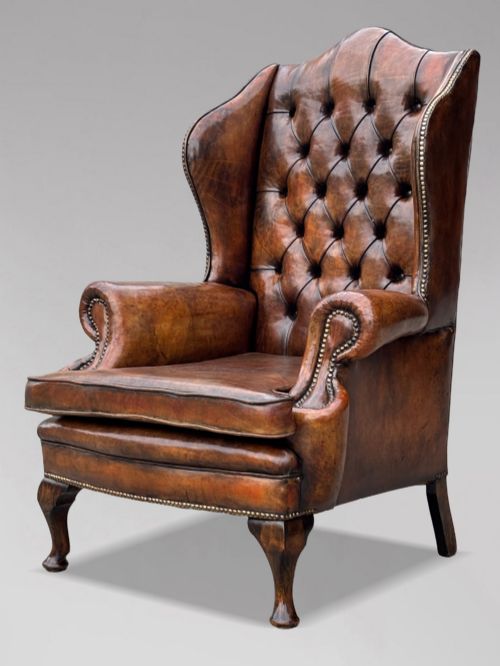
A button back club chair offers deep comfort and traditional gravitas, drawing collectors to its generous proportions and padded upholstery.
Button Back Club Chair
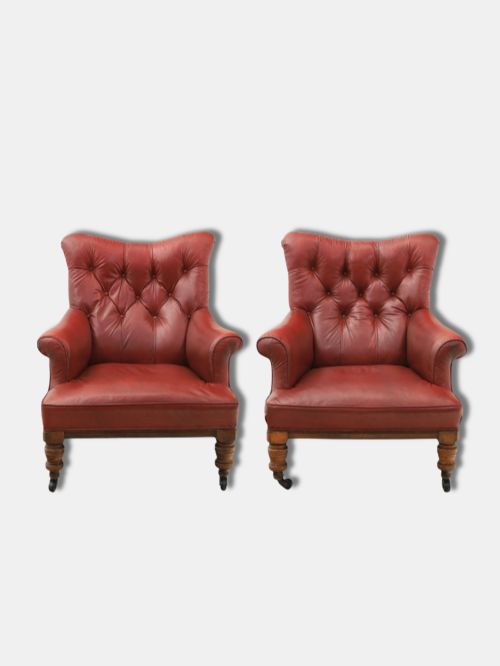
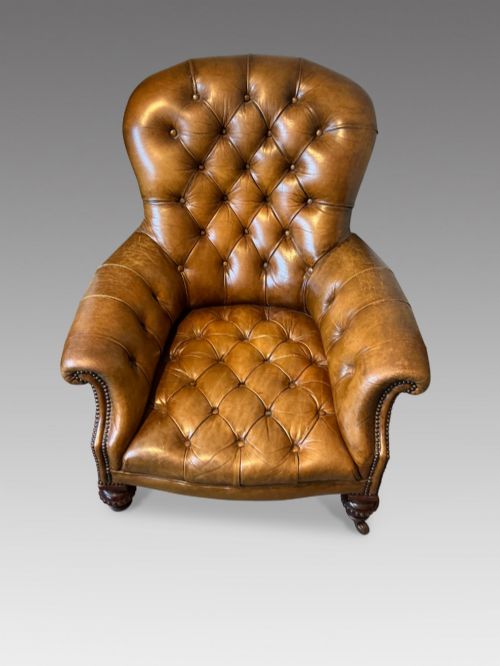
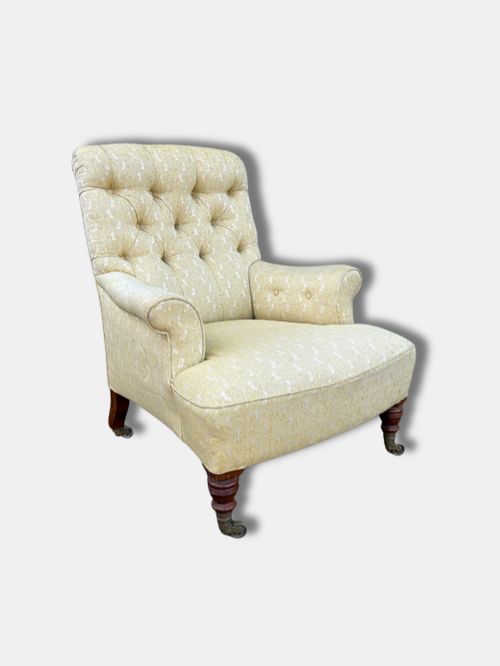
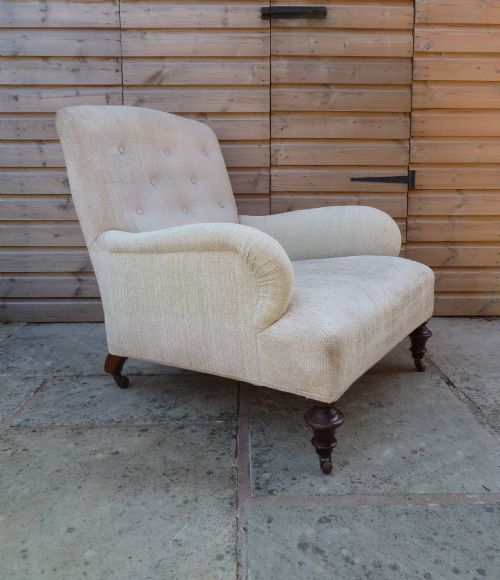
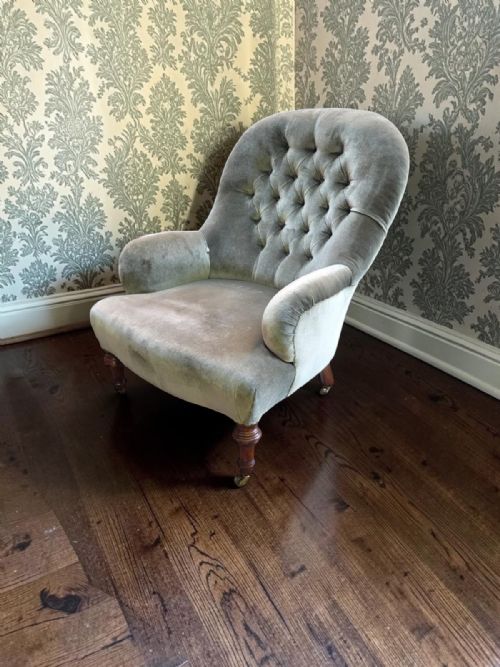
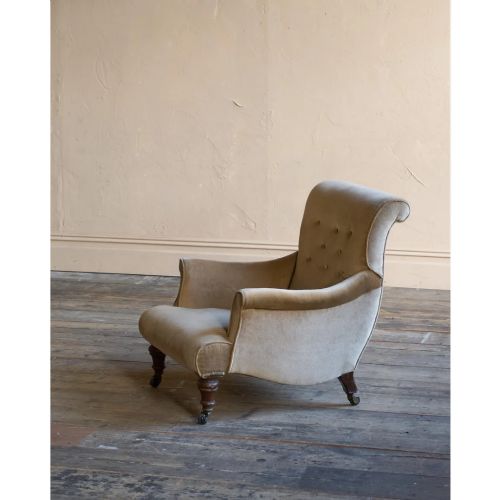
A button back club chair combines deep-sprung seating with tufted upholstery, creating a robust armchair designed for long periods of rest. These pieces emerge primarily from the nineteenth and early twentieth centuries, spanning Victorian, Edwardian, and later periods.
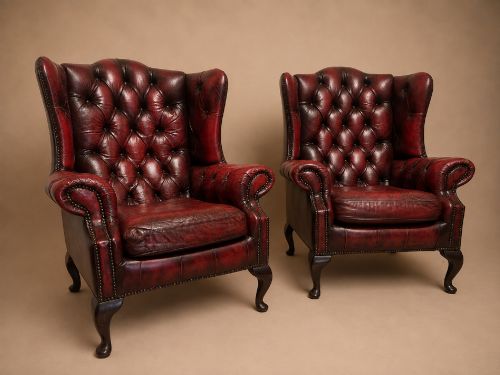
Most examples found here appear in leather or rich fabric, reflecting forms such as the library armchair, the Chesterfield, and the English country house seat. Makers and designers from these eras focused on creating substantial armchairs that anchored a room with architectural weight.
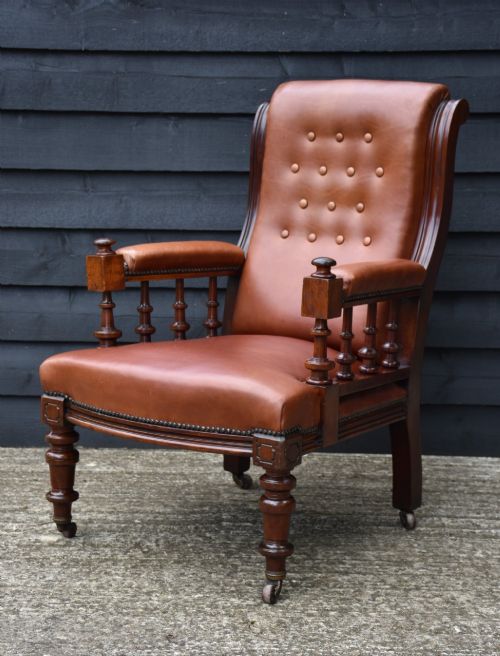
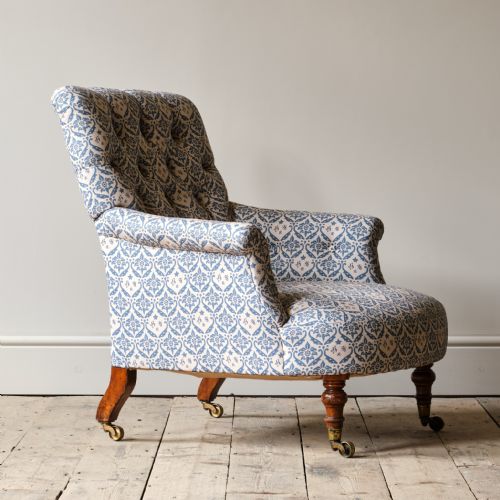
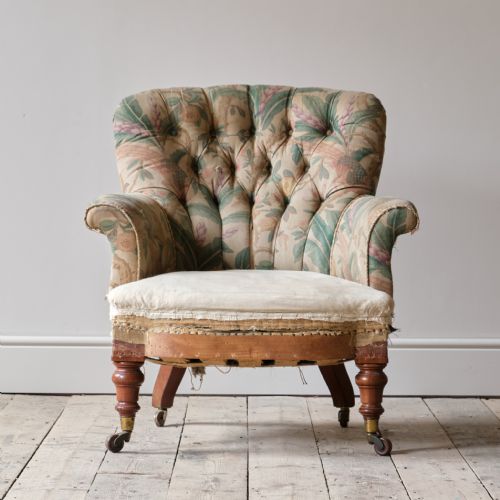
The search for a button back club chair leads to diverse regional interpretations, including English brown leather classics and French club chairs from the nineteen thirties. Oak, mahogany, and walnut frames underpin these heavy seats, often complemented by brass castors and turned wooden legs.
Construction and materials
Makers built the frame of a button back club chair using sturdy hardwoods such as mahogany, oak, walnut, and rosewood, ensuring the structural integrity required for heavy daily use. Traditional joinery methods secured the arms and legs to bear the weight of deep padding.
Upholstery techniques relied on coil springs tied by hand, horsehair stuffing, and heavy leather, calico, or velvet coverings secured with brass tacks. Deep buttoning created the characteristic dimpled surface, pulling the fabric tight against internal stuffing to maintain shape over decades.
Listings feature eighteenth to twentieth-century styles including Victorian, Edwardian, and Regency, constructed from mahogany, oak, walnut, and leather.
Judgments of quality
The distinction between ordinary and exceptional examples rests on the integrity of the frame and the quality of the leather or fabric. Superior pieces retain their original coil springing and show hand-turned woodwork that exhibits careful proportion and balanced joinery.
Makers known for exceptional output, such as Howard and Sons or Holland and Sons, distinguish themselves through superior internal padding and stamped maker marks on the frame or castors. The patina of the leather and the precision of the button tufting separate high workshops from standard production.
Howard and Sons·Holland and Sons·Gillows·Mellier and Co
The Button Back Club Chair Glossary
- Buttoning
- The technique of sewing through the upholstery stuffing to pull the outer fabric into deep indentations secured by buttons. This process keeps internal padding from shifting during use.
- Library armchair
- A sturdy, upholstered seat designed for nineteenth-century reading rooms and studies. These chairs prioritised lumbar support and durability.
- Castor
- A small wheel attached to the base of furniture legs to facilitate movement. Nineteenth-century examples commonly utilised brass or ceramic construction.
Button Back Club Chair: Frequently Asked Questions
How do I care for antique leather?
Apply a suitable leather balm periodically to keep the hide supple and prevent cracking. Avoid placing the chair near direct heat sources or strong sunlight.
Dust the buttoned crevices regularly with a soft brush to prevent grit accumulation in the folds of the leather.
Are these chairs comfortable for daily use?
Nineteenth and early twentieth-century examples use coil springs and horsehair stuffing designed for sustained comfort. Their deep seats and high backs support long periods of sitting.
Restoration quality varies, so check that the internal webbing and springs remain firm before regular use.
How do I distinguish Victorian from Edwardian pieces?
Victorian chairs typically feature heavier mahogany or walnut frames with darker, more substantial silhouettes and deep buttoning. Edwardian versions often display lighter proportions and refined woodwork reflecting changing interior tastes.
Looking at the turning on the legs and the weight of the frame usually clarifies the period of manufacture.
What is a club chair?
A club chair is a heavily upholstered armchair with deep seating designed for comfort in a study, library, or lounge. The form originated in France and Britain during the nineteenth century.
Button-backed variants add tufted upholstery to the inner backrest, combining formal structure with relaxed proportions.