
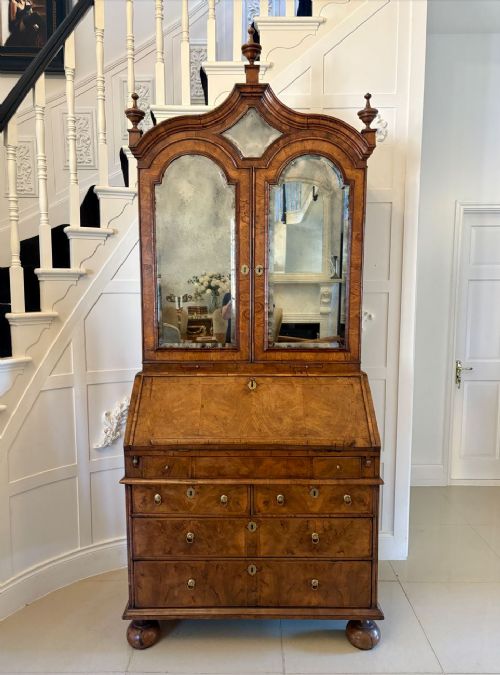
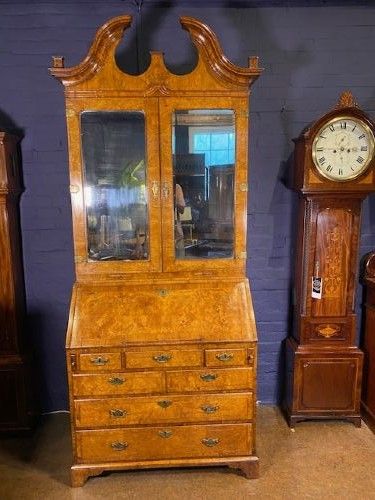
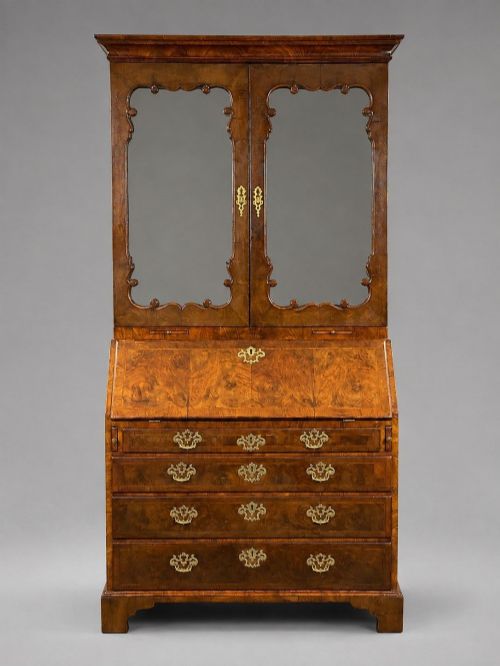
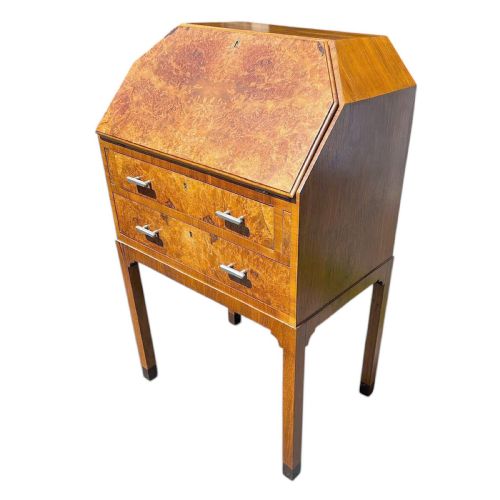
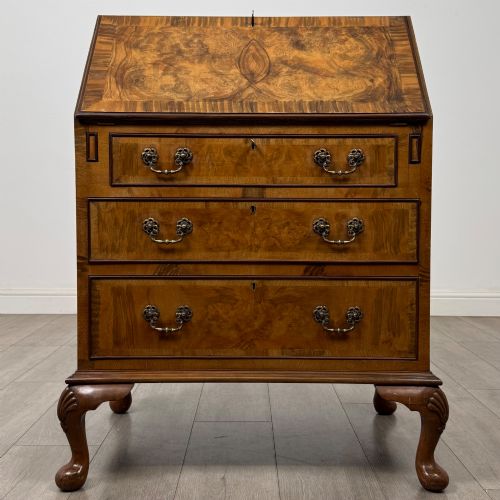
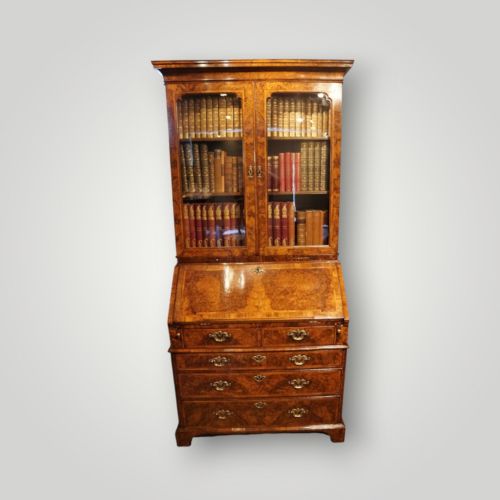
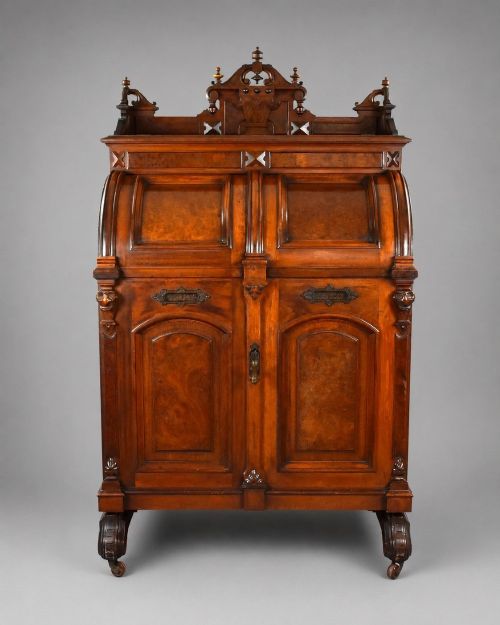
Burr Walnut Secretary Cabinet
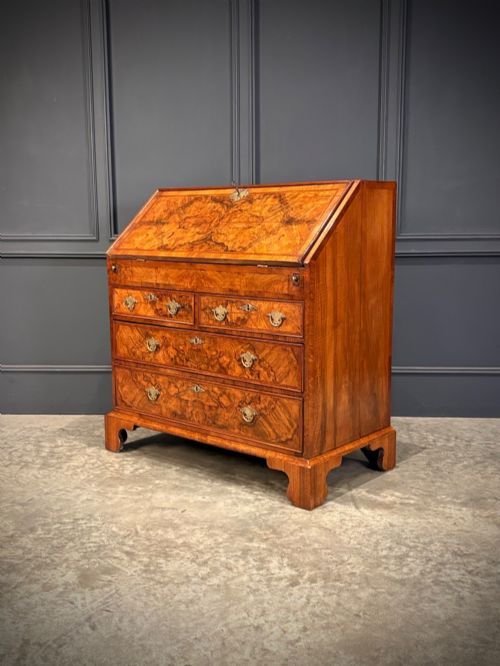
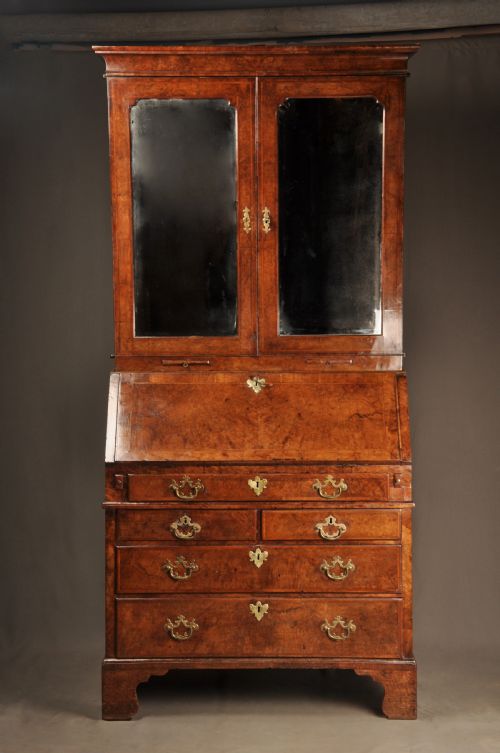
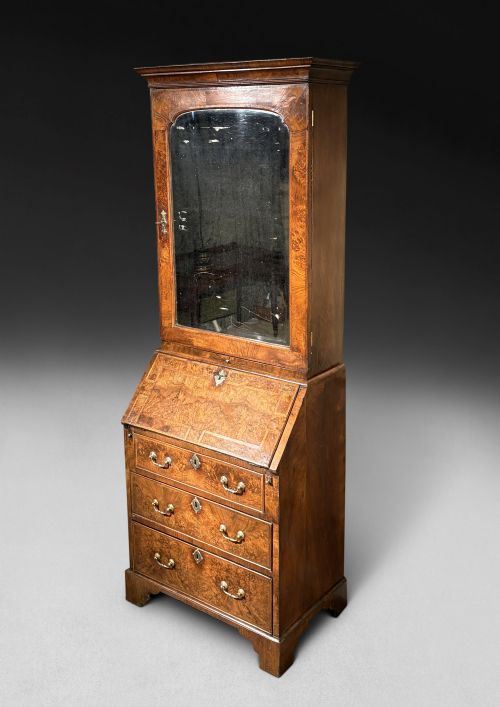
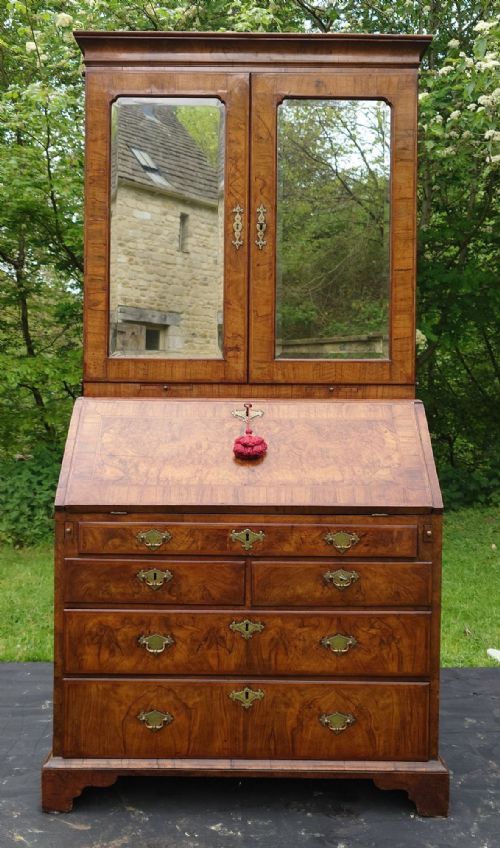
A burr walnut secretary cabinet combines a fall-front writing surface with enclosed shelving, offering an exceptional architectural presence for serious interiors.
Burr Walnut Secretary Cabinet
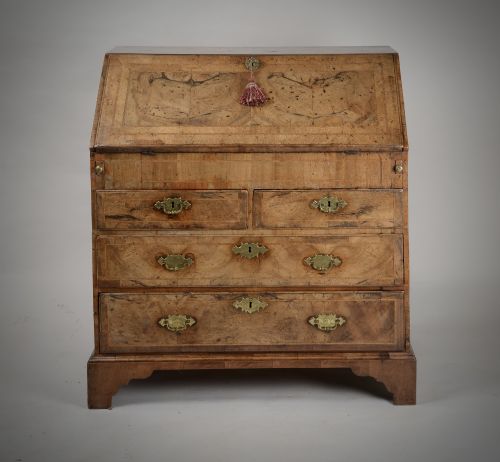
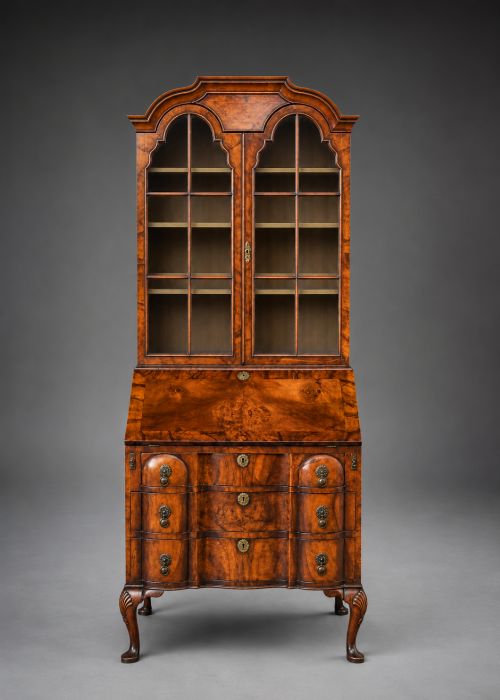
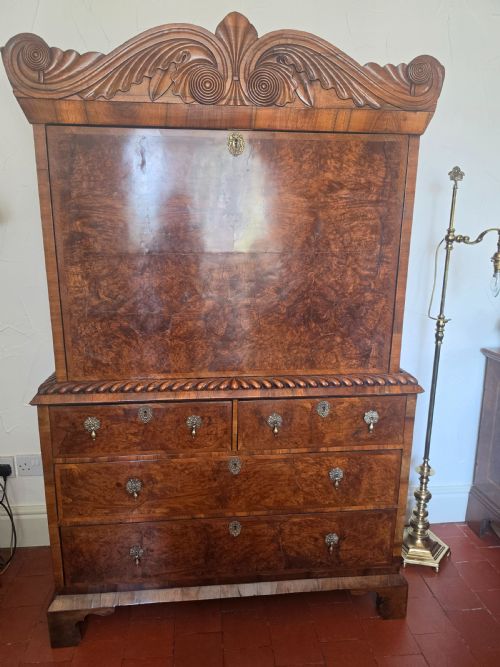
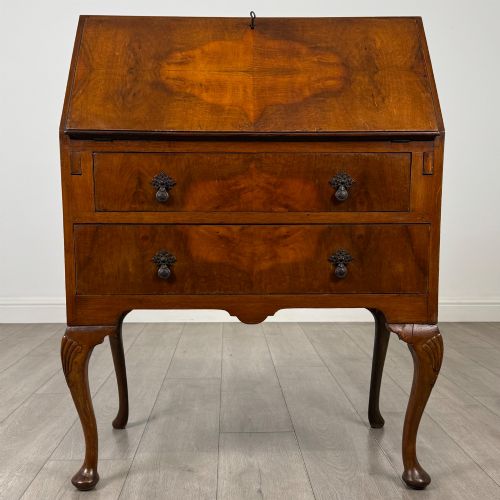
A burr walnut secretary cabinet satisfies the search for grand writing furniture equipped with a fall-front desk section and upper bookcase storage. Buyers examining this page encounter pieces ranging from the seventeenth century and Queen Anne eras through the Georgian reigns of George I and George II, alongside later Edwardian and Art Deco revivals.
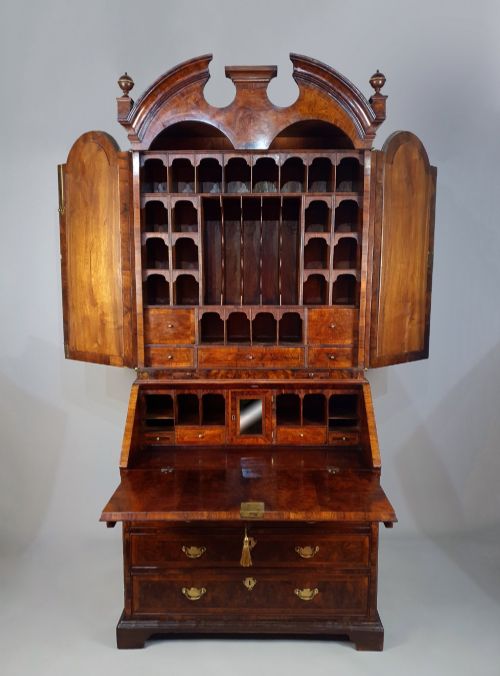
The primary forms take shape as tall bureau bookcases built in sections, double dome cabinets, and smaller fall-front writing desks. English, Dutch, Italian, and South German origins appear across the selection, featuring fitted interior compartments designed for correspondence and ledgers.
Materials and construction
Cabinetmakers constructed these pieces primarily using oak and walnut carcases overlaid with decorative burr walnut and figured walnut veneers. Artisans employed featherbanding to frame the drawer fronts and door panels, creating intricate geometric patterns across the exterior surfaces.
Structural hardware relied upon brass handles, escutcheons, and hinges, while upper cabinet doors frequently incorporated glass panes or mirror glass. Secondary elements included candle slides positioned beneath glazed upper doors and leather inserts on writing surfaces.
Listings span multiple centuries, including seventeenth-century examples, eighteenth-century Queen Anne and Georgian periods, alongside Victorian, Edwardian, and 1930s pieces.
Judging execution
Quality rests upon the selection and matching of the burr veneer figures across the entire facade, where superior examples exhibit symmetrical grain patterns and intact featherbanding. The depth of the colour and the preservation of the original surface patina distinguish master cabinet work from later interventions.
Internal complexity dictates value, particularly the architectural arrangement of secret drawers, pigeonholes, and sliding wells within the fitted bureau compartments. The integrity of the original carcase construction, including multi-section divisions and properly fitted doors, governs the overall merit of each piece.
The Burr Walnut Secretary Cabinet Glossary
- Burr walnut
- A type of wood veneer sliced from walnut tree growths, producing swirling, highly figured grain patterns. Cabinetmakers utilised this material on primary display surfaces to create decorative visual impact.
- Featherbanding
- A form of marquetry inlay utilising small strips of veneer arranged in a herringbone pattern. This technique frames drawer fronts and panel edges on seventeenth and eighteenth-century furniture.
- Escritoire
- A writing cabinet featuring a fall-front flap that drops down to reveal a fitted desk interior. The term encompasses early tall desks and fall-front secretary forms.
- Double dome
- A cabinet top configuration featuring two arched pediments side by side. This architectural roofline appears on substantial seventeenth and eighteenth-century bookcases.
- Candle slide
- A pull-out wooden board mounted beneath upper cabinet doors to hold lighting devices. These slides provided illumination for the writing surface below before the advent of gas and electric lighting.
Burr Walnut Secretary Cabinet: Frequently Asked Questions
How do I date an antique secretary cabinet?
Dating relies upon examining the construction methods of the carcase, the profile of the mouldings, and the configuration of the internal drawers. Seventeenth and early eighteenth-century pieces often display distinct section divisions and walnut solid frames.
Stylistic markers such as Queen Anne pad feet, George I proportions, or later Edwardian revival details provide precise chronological placement.
Where were these cabinets made?
The pieces originate from English workshops as well as continental centres including Dutch, Italian, and South German makers. Regional preferences influenced the execution of decorative veneers and architectural pediments.
Dutch and Italian examples frequently incorporate elaborate floral marquetry inlay across the walnut surfaces.
How should I care for burr walnut veneer?
Burr walnut requires stable indoor humidity and protection from direct sunlight to prevent the thin veneer layers from drying out or lifting. Maintaining consistent environmental conditions preserves the natural wood tones and finish.
Applying appropriate wax polishes periodically helps sustain the surface lustre without building up heavy residues.