




Burr Walnut End Table
A burr walnut end table brings rich, swirling grain patterns and warm tones into a room, functioning as a compact surface for lamps or drinks.
Burr Walnut End Table
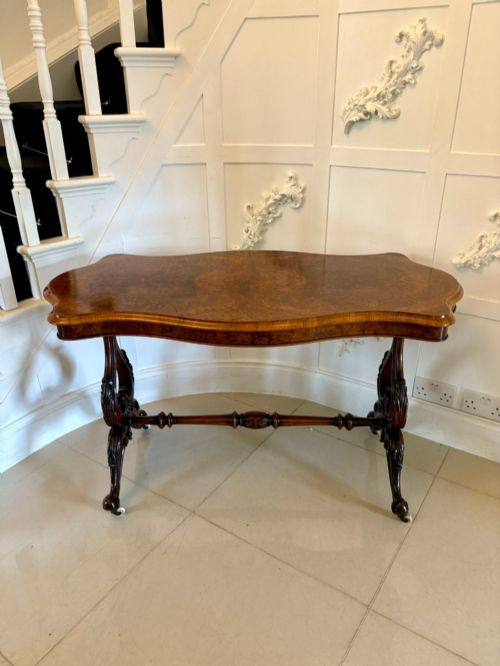
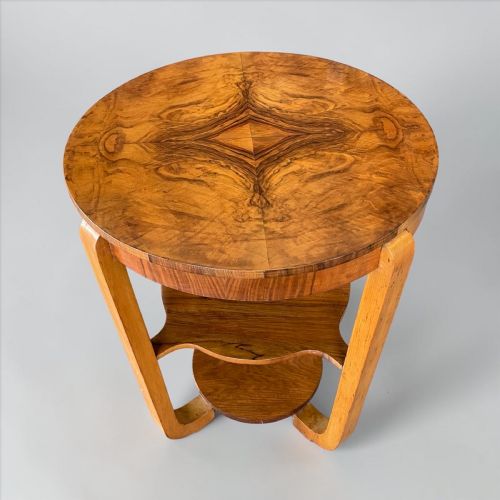
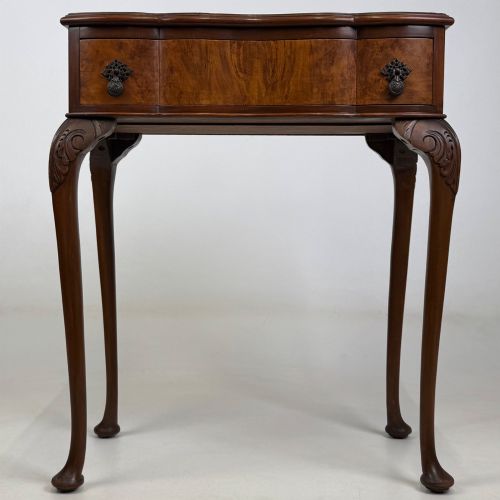
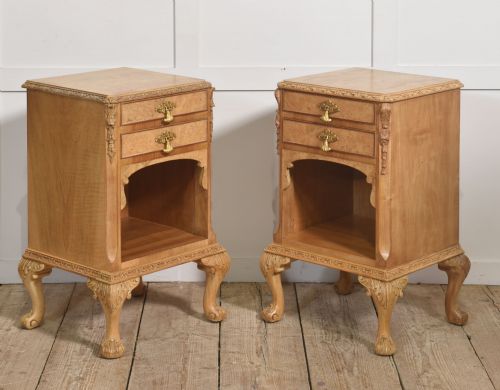
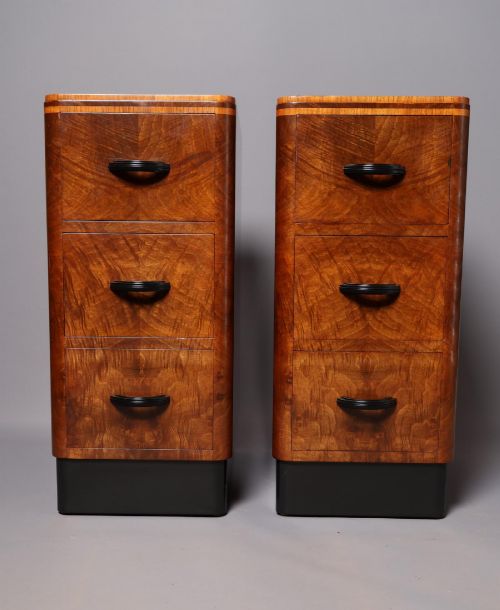
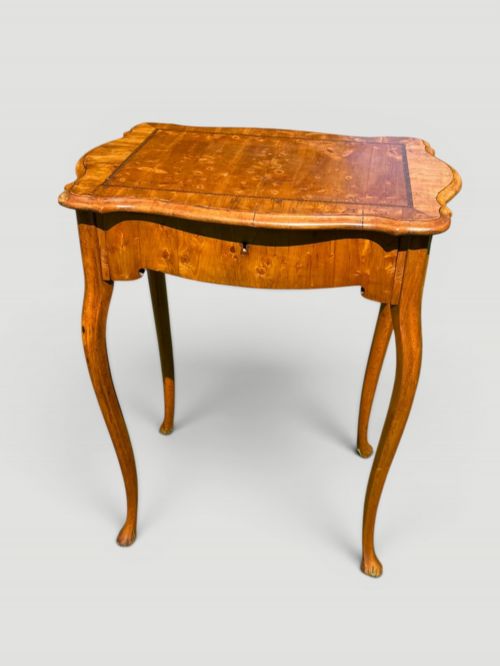
When searching for a burr walnut end table, you encounter a variety of compact surfaces designed for placement beside seating or beds. The selection spans distinct periods, including Victorian, Edwardian, and Art Deco eras, alongside revivals of Queen Anne and Georgian styles.
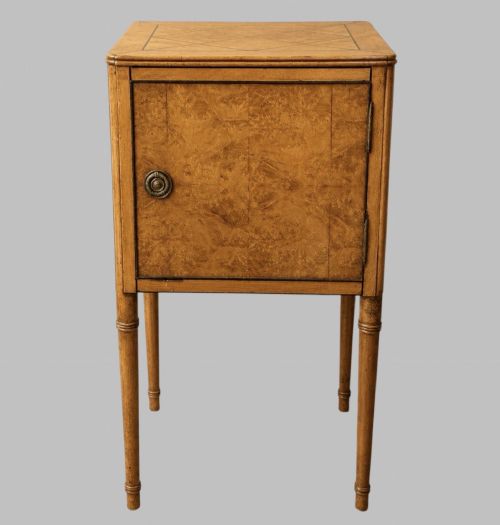
The pieces appearing most frequently take the form of occasional tables, bedside cabinets, lamp tables, and small side tables. These formats utilise figured timber to create decorative impact in domestic spaces without dominating a room.
Origins vary from English workshops to French and Italian makers, reflecting shifting domestic habits from the nineteenth century through to the mid-twentieth century.
How they were made
Cabinet makers constructed these pieces using solid wood foundations overlaid with burr walnut veneer, harnessing the highly figured grain formed by tree growths. This veneer was carefully matched and applied to tabletops and cabinet doors to produce symmetrical patterns.
Construction frequently incorporated secondary timbers for internal structures, complemented by decorative details such as brass mounts, ebonised wood accents, or inlaid chess boards. Finishing techniques relied on polishing to highlight the complex movement within the walnut grain.
Some tables feature illuminated tops, proving that even historical cabinet makers enjoyed adding unexpected electrical flair.
What varies in quality
The standard of a piece depends heavily on the choice and arrangement of the burr veneer, where tightly packed, unbroken grain patterns indicate superior selection by the maker. Superior execution shows seamless matching across seams and edges without visible filler.
Structural integrity and secondary materials also dictate overall grade, distinguishing standard production items from bespoke commissions created by notable retailers or individual cabinet makers.
Walter Carter Harrods·Maurice Adams·Hille·Maple and Co
The Burr Walnut End Table Glossary
- Burr walnut
- A veneer taken from the warted excrescence of a walnut tree, prized for its intricate, swirling grain patterns. It requires careful application by skilled cabinet makers.
- Veneer
- A thin slice of superior wood applied to a base timber to create decorative surfaces. This technique allows makers to display striking grain formations economically.
- Occasional table
- A movable, small table designed for specific, intermittent use within a room. These formats include lamp tables, coffee tables, and small side pieces.
- Ebonised wood
- Timber treated with a dark finish to resemble ebony. It provides a sharp visual contrast against lighter walnut veneers.
- Cabriole leg
- A furniture leg featuring a double curve, typically arching outward and then inward. This shape frequently appears on revival pieces influenced by earlier furniture styles.
Burr Walnut End Table: Frequently Asked Questions
What is a burr walnut end table used for?
These tables provide a convenient surface for placing lamps, books, or drinks next to armchairs, sofas, or beds. Their compact proportions allow them to fit into smaller spaces while introducing decorative timber grain.
Historically, specific variations served specialised roles such as bedside storage or holding sewing equipment, adapting to domestic routines of the nineteenth and twentieth centuries.
How do I date a burr walnut table?
Dating relies on stylistic clues, construction methods, and materials associated with particular eras. For instance, clean geometric lines and chrome details point toward the Art Deco period, whereas cabriole legs often suggest a Queen Anne revival influence.
Examining internal secondary timbers and drawer construction provides further context regarding whether a piece originates from the Victorian era or later decades.
How do I care for a burr walnut surface?
Protecting the polished finish involves keeping the wood away from direct sunlight and excessive moisture. Regular dusting with a soft, dry cloth helps maintain the lustre of the veneer without damaging the grain.
Avoiding placement near heat sources prevents the timber from drying out, which can cause the veneer to lift or crack over time.