
Burr Walnut Case
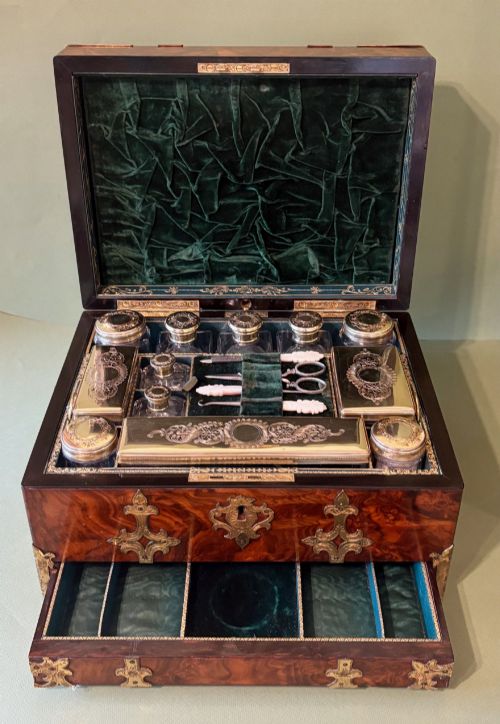
A burr walnut case houses timepieces, books and treasures in timber patterned with the wild knots and swirls of the tree's growth.
Burr Walnut Case
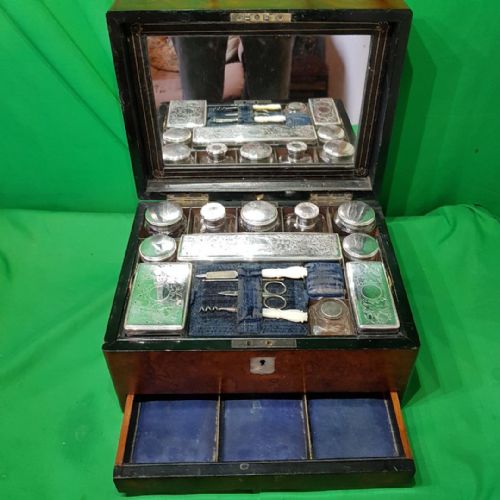
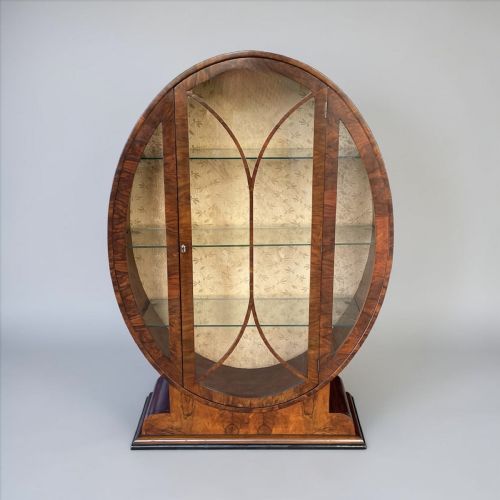
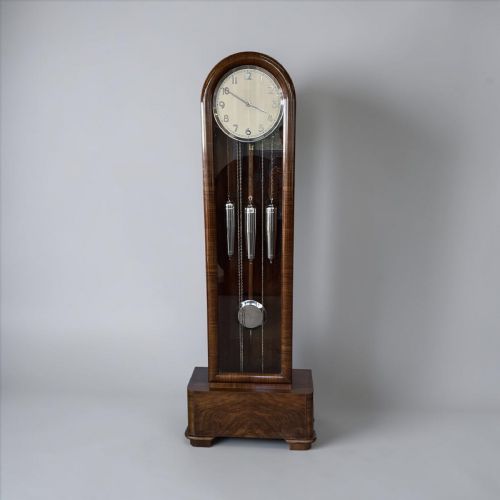
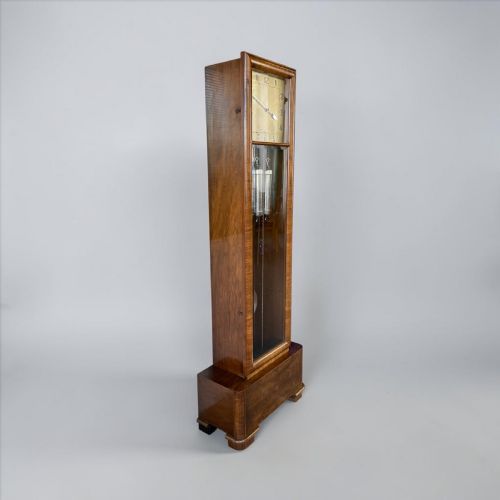
A burr walnut case encompasses a diverse group of functional furniture items designed to enclose, display or protect objects, ranging from towering longcase clocks to compact jewellery boxes.
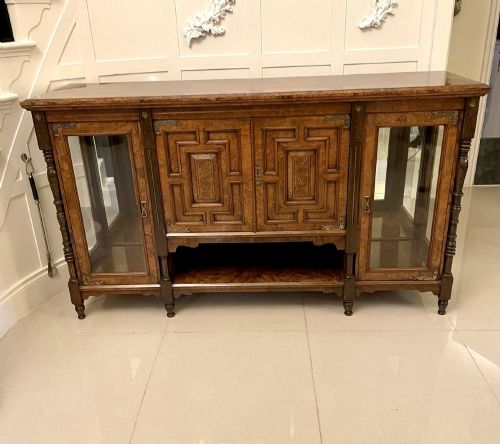
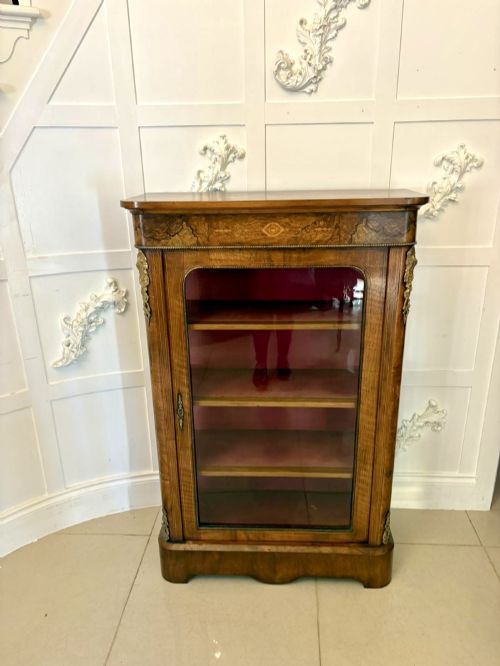
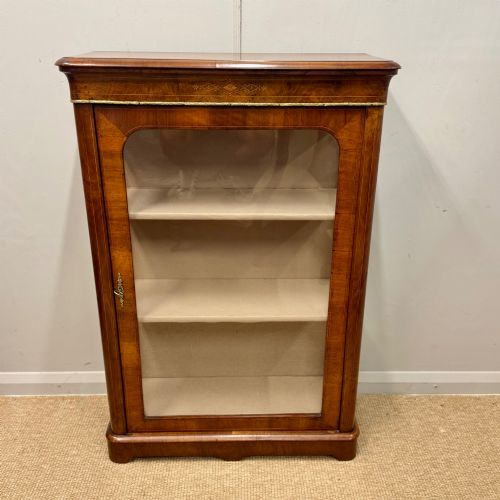
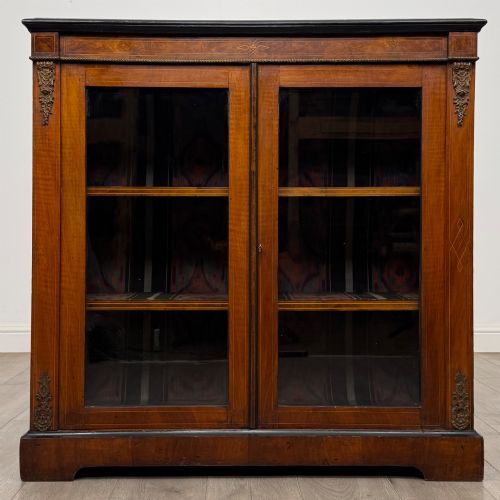
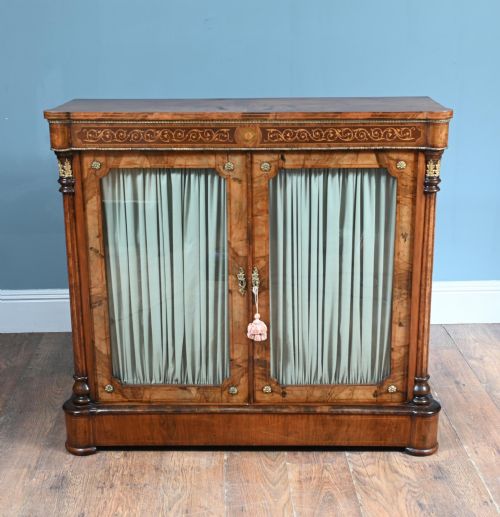
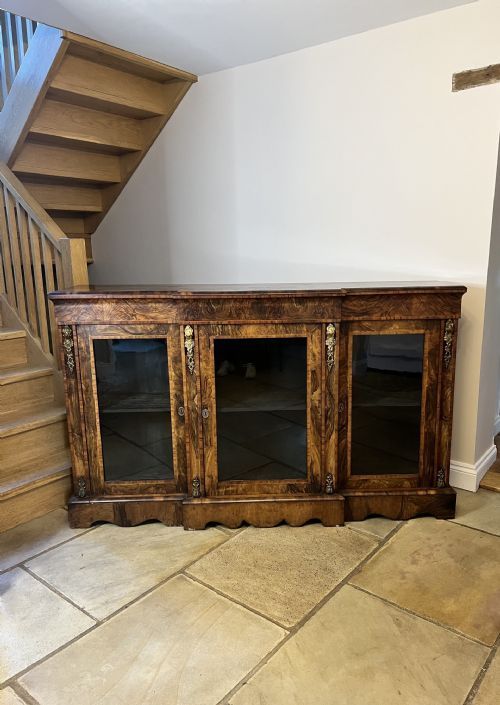
The most common examples encountered on this page belong to the Victorian era, specifically taking the form of glazed pier cabinets, credenzas and bookcases.
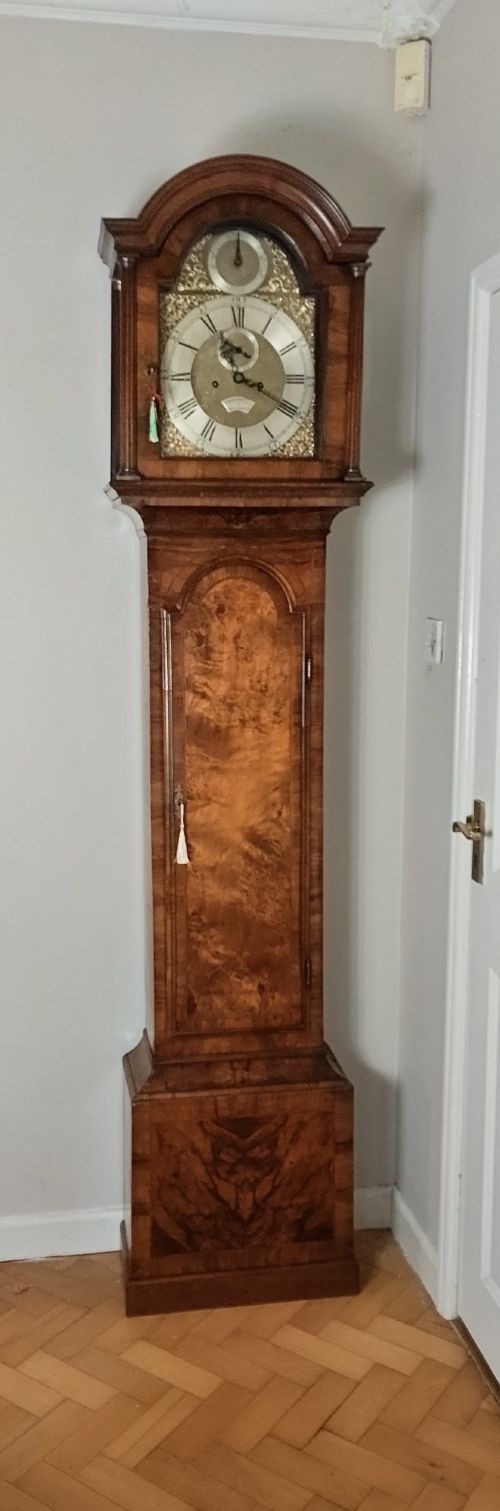
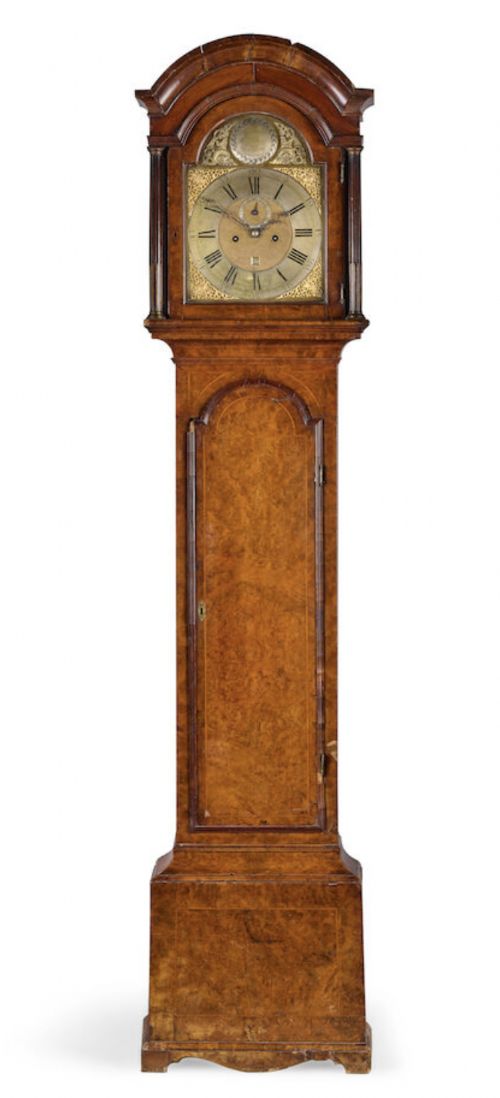
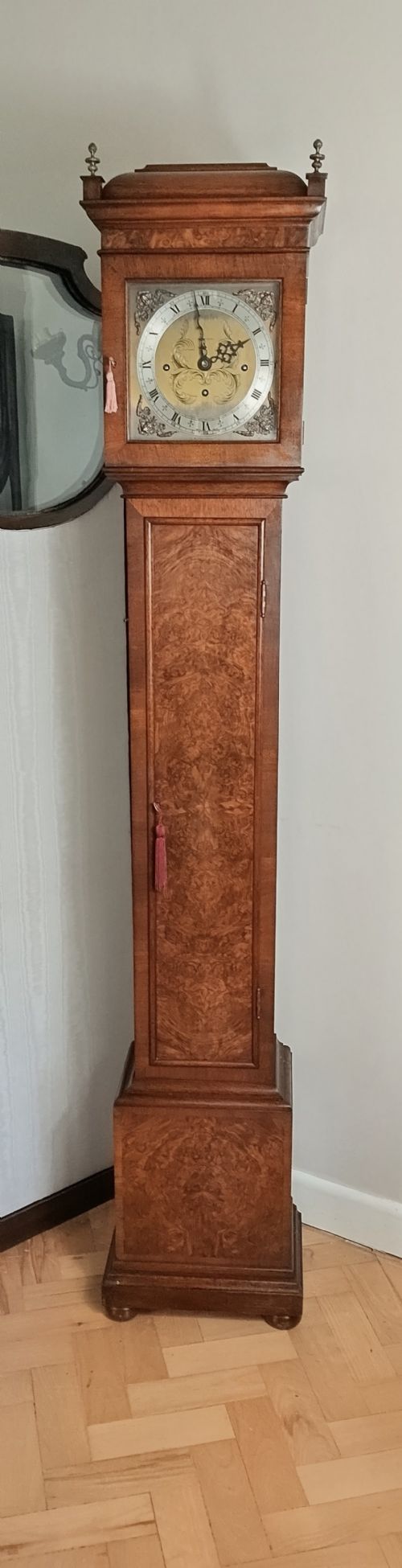
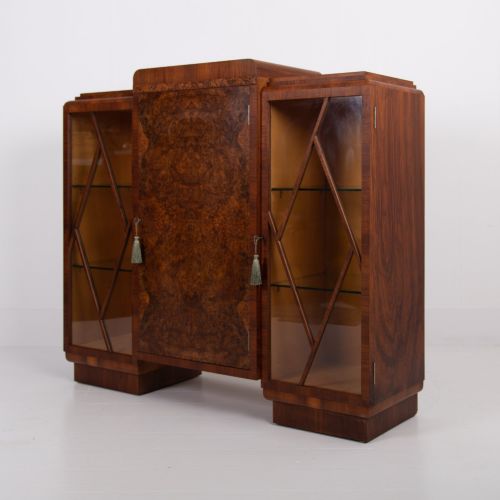
Earlier pieces from the eighteenth and seventeenth centuries emerge as bureau bookcases and longcase clocks, whilst twentieth-century examples often display Art Deco streamlining.
Materials and construction
Cabinet makers utilised thin veneers of figured burr walnut, prized for its intricate grain patterns, applied over stable secondary timbers like oak or pine.
Many nineteenth-century and earlier pieces incorporate decorative brass mounts, ormolu details, crossbanding and marquetry inlay to frame the swirling veneer panels.
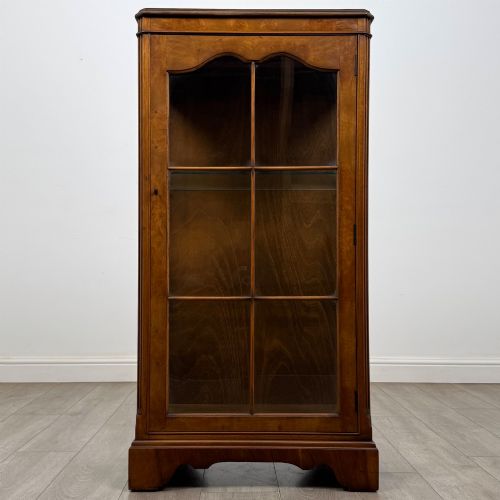
Glass panels feature heavily in the construction of display cabinets and vitrines, whilst clocks integrate precision brass movements and dials.
The inventory records small table boxes alongside massive breakfront bookcases constructed in figured walnut.
Factors determining quality
The density, symmetry and visual depth of the burr walnut veneer dictate the initial visual impact of the piece, with tightly packed knots commanding greater admiration.
The skill of the cabinet maker shows in the book-matching of veneers across large surfaces, ensuring the grain flows logically across doors and drawers.
The integration of secondary decorative elements, such as fine marquetry, fire-gilt ormolu mounts and original brass hardware, elevates the standing of the piece.
Windmills and Wightman·Elliott·Thomas Vernon·Edin Burgis·Epstein
The Burr Walnut Case Glossary
- Burr walnut
- A timber veneer sliced from the deformed growth or burr on a walnut tree, producing highly figured, swirling grain patterns. This material forms the primary aesthetic appeal for collectors.
- Pier cabinet
- A low freestanding cabinet designed to fit the wall space between windows during the Victorian period. These pieces frequently feature glass doors and velvet-lined interiors.
- Ormolu
- Gilded bronze mounts applied to furniture for decorative effect. Makers used these metallic accents to highlight the corners and framing of high-status cabinets.
- Marquetry
- Decorative patterns created by fitting different veneers together onto a structural surface. Craftsmen used this technique to form floral or geometric motifs alongside the burr walnut.
- Crossbanding
- A narrow strip of veneer laid around the border of a panel with the grain running perpendicular to the centre. This frames the main burr walnut field.
Burr Walnut Case: Frequently Asked Questions
What is a burr walnut case used for?
These enclosures serve multiple purposes, functioning as tall clock housings, bookshelves, jewellery storage boxes and display cabinets for precious ceramics.
Their decorative timber surfaces allow them to act as prominent focal points within drawing rooms and hallways.
How do I date a burr walnut cabinet?
Dating relies on observing structural forms, construction methods and secondary woods like oak or pine underneath the veneers. Victorian pieces frequently use substantial mahogany or pine carcases with heavy ormolu mounts.
Earlier eighteenth-century examples display simpler, more architectural lines with featherbanding, whilst twentieth-century Art Deco items adopt curved waterfall shapes.
Are these cases fragile?
The timber itself is durable, but the thin burr walnut veneers require stable indoor humidity to prevent lifting or cracking. Direct sunlight can fade the warm tones of the walnut over extended periods.
Regular polishing with traditional beeswax maintains the moisture of the wood and protects the French polished surface.
What distinguishes a pier cabinet?
A pier cabinet is specifically proportioned to sit against the narrow wall space between architectural openings, such as windows. They almost invariably feature single glass doors protecting velvet-lined shelving.
Victorian makers embellished these specific forms with marquetry and gilt metal mounts.