



Burgundy Oriental Carpet
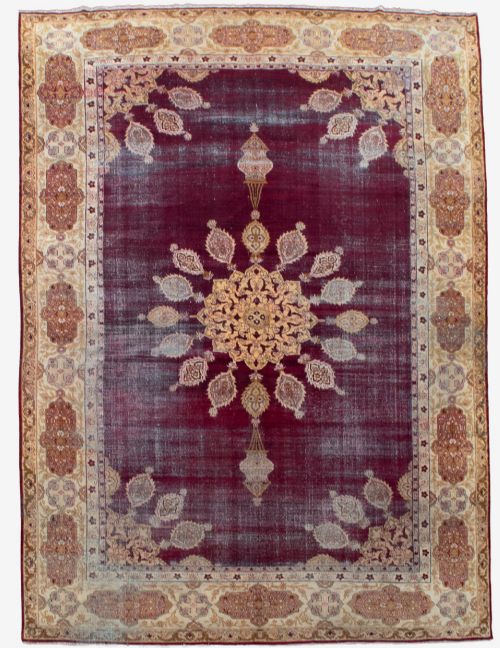
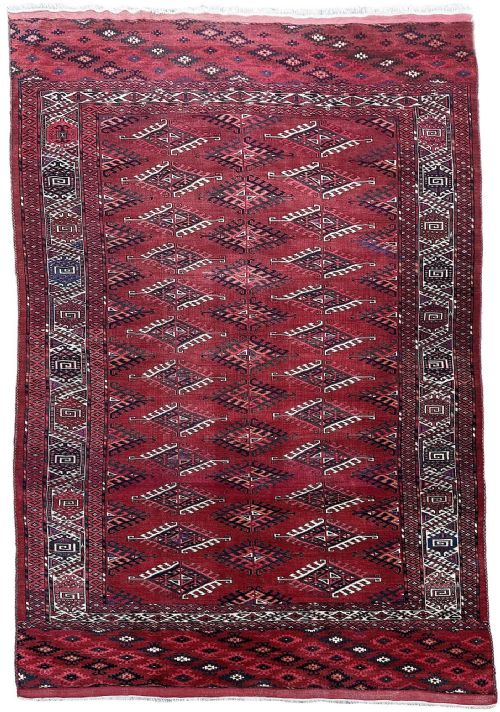
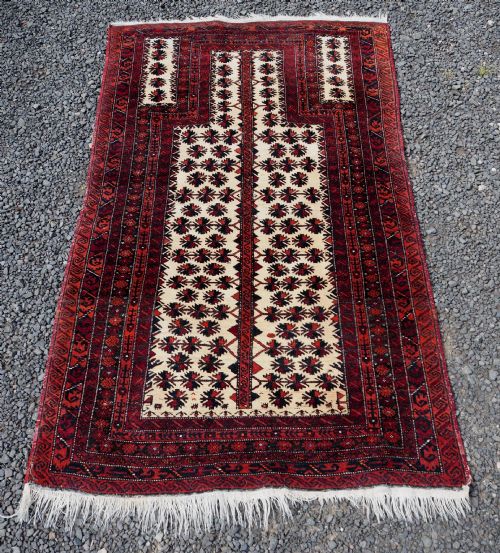
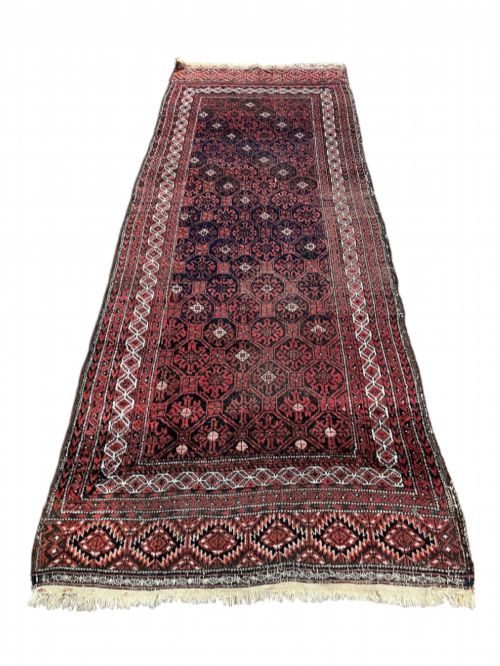
These burgundy oriental carpet examples bring deep tribal weave patterns and rich wool textures into a room.
Burgundy Oriental Carpet
A burgundy oriental carpet brings together dense tribal patterns and deep red tones from Central Asian, Persian, and Turkish traditions. When buyers search for a burgundy oriental carpet, they encounter hand-knotted village rugs, long runners, and tribal textiles originating from the nineteenth and early twentieth centuries. These floor coverings range from compact wedding and prayer rugs to large country house carpets.
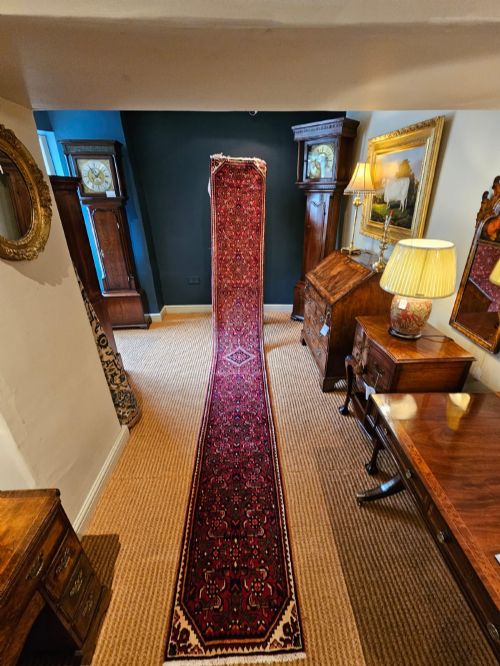
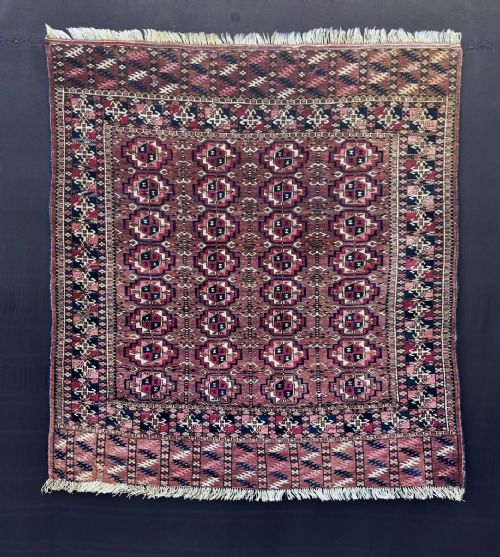
The selection on this page leans heavily toward Turkmen tribal weaving, including Yomut, Tekke, and Ersari pieces alongside Afghan, Baluch, and Turkish village specimens. Pieces from the nineteenth century share floor space with examples from the 1900s, 1910s, 1920s, and 1930s. Forms vary from square area carpets down to narrow runner rugs and decorative torba faces.
How they were made
Weavers constructed these textiles primarily using hand-spun wool and natural dyes on cotton foundations, occasionally incorporating silk highlights for contrast. Artisans tied dense knots by hand across nomadic camps and village workshops, building up durable piles designed for practical floor use.
Nomadic and village traditions dictated structural choices such as Soumak flatweave techniques or piled construction. The organic dyestuffs yield variable shades of burgundy and deep red that soften gracefully over decades of foot traffic.
Some dowry and wedding rugs carry hidden silk highlights, woven so brides could smuggle a touch of extra luxury into their new tents.
What varies in quality
Quality in these carpets rests upon the tightness of the knotting and the clarity of the tribal motifs. Finer examples display precise geometry in gul designs and consistent pile density across the field.
The choice of materials also shifts the tier of a piece, particularly where hand-spun wool meets subtle silk highlights or superior natural dyes. Preservation of original kilim ends and side corded selvedges separates standard village work from master tribal examples.
The Burgundy Oriental Carpet Glossary
- Gul
- A repeating primary medallion or octagonal guls motif found across Turkmen and Central Asian tribal weaving. These designs often indicate the specific tribe that knotted the textile.
- Ensi
- A specific carpet type traditionally used as a tent door hanging by Tekke Turkmen tribes. They typically feature a quartered cruciform design separating the field.
- Soumak
- A flatweave technique utilising a wrapping method over warp threads to create a textured, durable surface without a cut pile. This structure often appears on Yomut palas pieces.
- Mihrab
- A niche design representing the direction of prayer, commonly centered in prayer rugs from Turkish and Afghan village traditions. This architectural arch orders the layout of the rug.
- Torba
- A small utilitarian bag face produced by Turkmen nomads for storage inside a yurt. These panels exhibit compressed tribal patterns scaled down from main carpet formats.
Burgundy Oriental Carpet: Frequently Asked Questions
Where were these carpets made?
The pieces originate from Central Asia, Afghanistan, Persia, and Turkey, reflecting the distinct traditions of nomadic tribes and village workshops.
Craftsmen and women wove these textiles in regions spanning the Trans-Caspian steppes down to Anatolian towns like Avanos and Ghiordes.
How do I care for an old rug?
Protect the wool and natural dyes by placing the textile in a low-traffic area out of direct sunlight.
Vacuum gently without a rotating brush roll and rely on professional cleaning tailored to antique pile and flatweave rugs.
What is a tribal carpet?
Tribal carpets are woven by nomadic or semi-nomadic groups using geometric patterns and symbols passed down through generations.
These designs often reflect specific clan lineages rather than urban workshop cartoons.