




Vintage Wool Floor Carpet
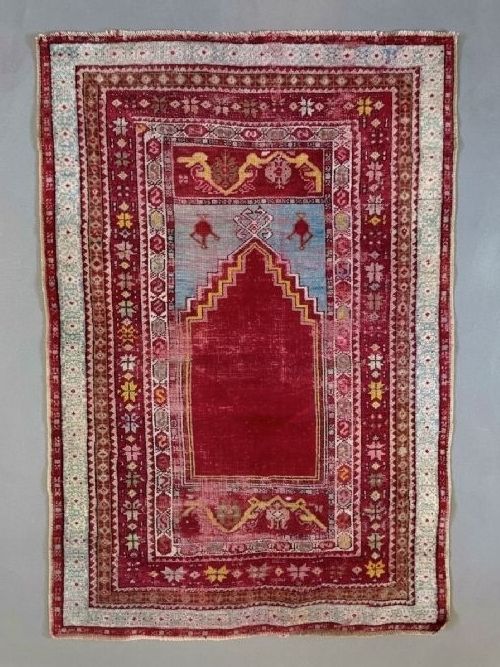
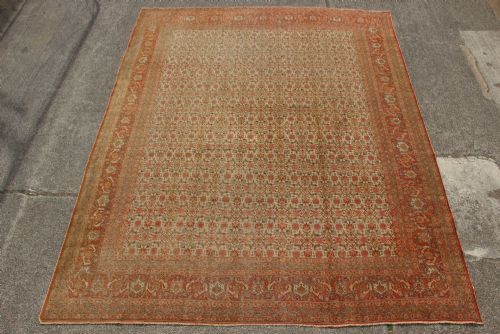
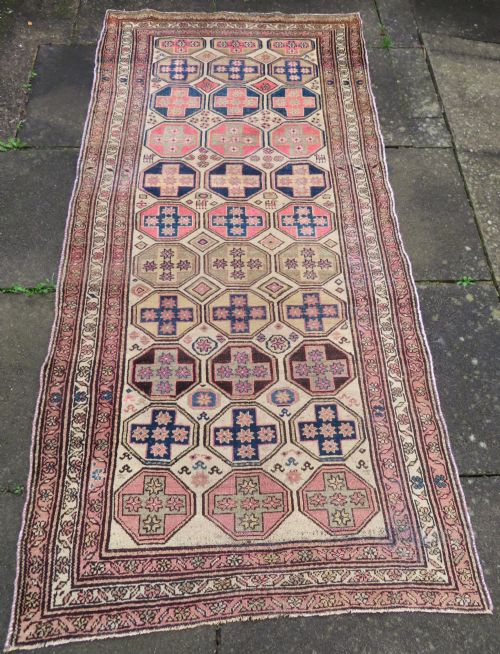
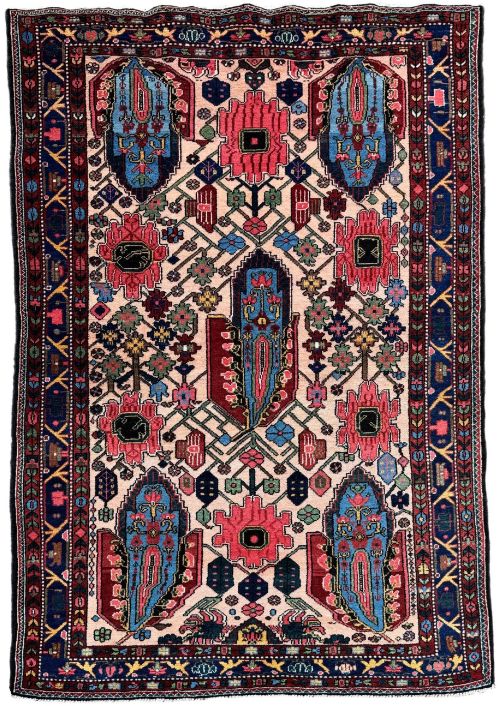
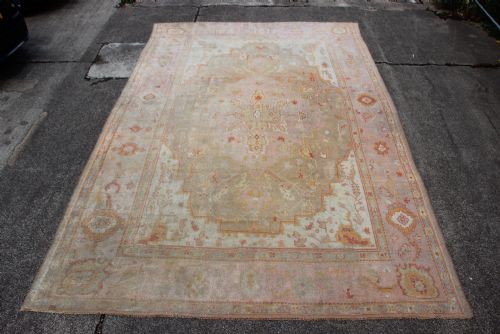
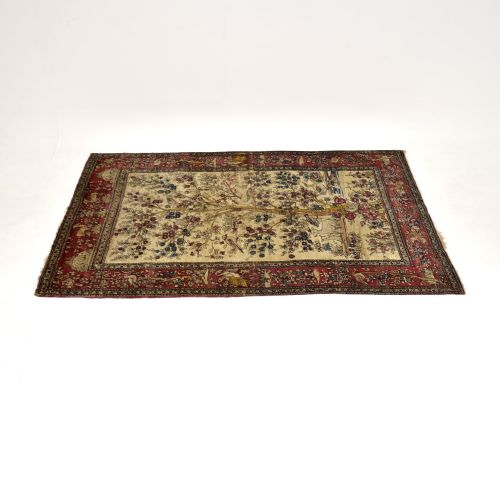
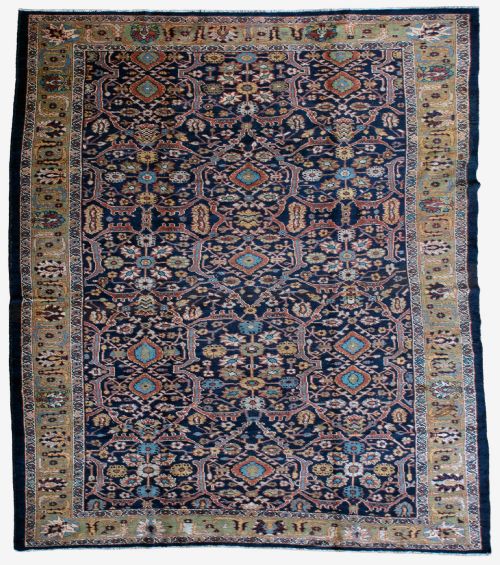
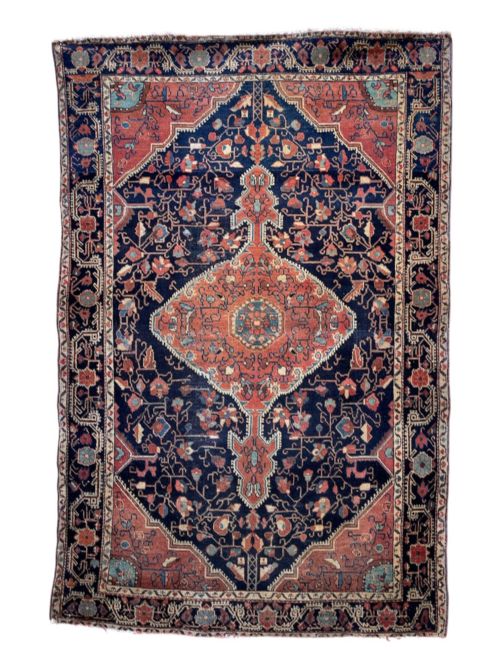
A vintage wool floor carpet anchors a room with rich texture and heritage design drawn from Persian, Caucasian, and Turkmen traditions.
Vintage Wool Floor Carpet
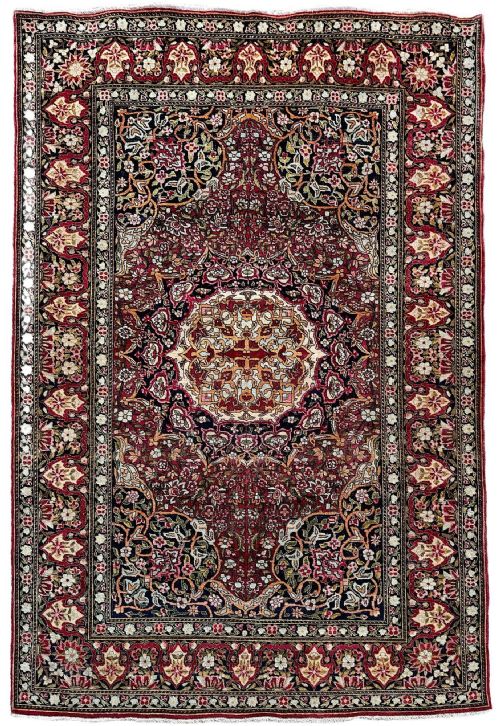
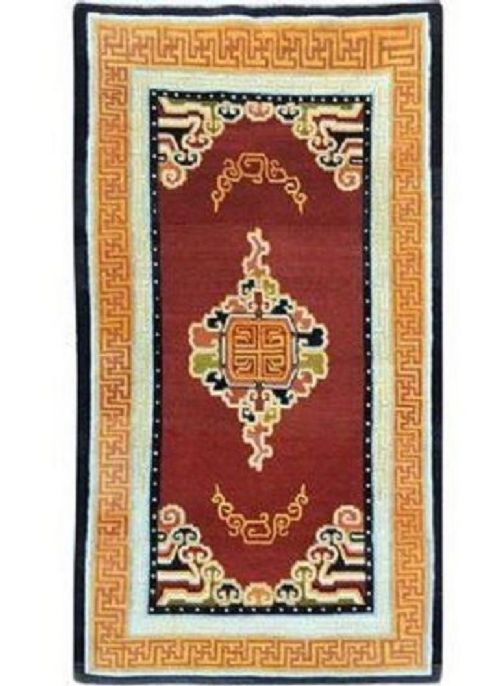
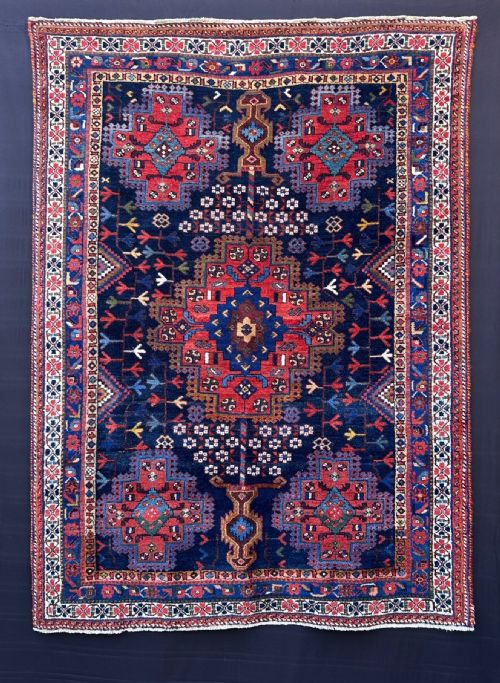
A vintage wool floor carpet encompasses hand-knotted room-size carpets, area rugs, and long hallway runners created across the nineteenth and early twentieth centuries. These textile floor coverings stem from distinct weaving traditions including Persian city workshops, village looms, and tribal nomadic camps.
Materials and construction
These floor coverings rely fundamentally on a foundation of wool, cotton, or occasionally silk, knotted by hand to form a dense pile. Natural dyes provide the underlying palette, yielding deep reds, navy blues, and varied earth tones that age gracefully.
Weavers utilised traditional village and workshop techniques, binding the pile securely to the warp and weft threads. Selected examples incorporate silk highlights or specific regional knotting methods that define their structural integrity.
The listings incorporate pieces from the 1850s through the 1930s, utilising wool, cotton, and natural dyes across Persian, Caucasian, and Turkmen traditions.
Evaluating distinction
Quality rests in the precision of the knotting, the complexity and clarity of the traditional design, and the depth of the natural dyes used in the wool pile. Finer knot density allows for sharper geometric or floral delineation across regional types like Bidjar or Isfahan.
The harmony of the palette and the preservation of the original borders and selvedges elevate the stature of a carpet. Pieces maintaining structural soundness alongside characterful organic fading represent the finer end of the spectrum.
The Vintage Wool Floor Carpet Glossary
- Warp
- The stationary vertical threads stretched upon the loom that carry the tension of the weaving. The visible fringes at either end of a carpet are formed by these finished warp threads.
- Weft
- The horizontal strands passed alternately over and under the warp threads to bind the knots in place. Together with the warp, they form the structural grid of the textile.
- Pile
- The upright cut or looped wool fibres that form the soft upper surface of the carpet. The height and density of this layer dictate the physical weight and underfoot feel.
- Natural Dyes
- Colourants derived from plant, insect, or mineral sources rather than synthetic chemical compounds. These dyes produce complex, muted tones that mellow harmoniously over decades.
- Selvedge
- The finished side edges of a carpet formed by wrapping the outermost warp threads. Proper maintenance of these edges prevents the pile from unravelling.
Vintage Wool Floor Carpet: Frequently Asked Questions
How do I choose the right size?
Consider the proportions of your furniture arrangement and leave a balanced border of exposed flooring around the perimeter. Runners suit hallways and narrow spaces, while large room-size carpets anchor living areas.
Measure the functional zone of the room rather than wall-to-wall dimensions to ensure the piece sits comfortably beneath or adjacent to your main furniture pieces.
Are these carpets suitable for heavy traffic?
Traditional hand-knotted wool floor coverings possess inherent durability due to the natural resilience and lanolin content of the fibre. Dense pile constructions handle everyday hallway or living room use effectively.
Pairing the carpet with a quality underlay provides additional cushioning and reduces friction against the floorboards, extending the lifespan of the textile.
How do I clean and maintain them?
Regular gentle vacuuming without a rotating beater bar prevents dust accumulation within the wool pile. Address spills immediately by blotting with a clean cloth rather than rubbing.
Professional specialist cleaning is recommended every few years to remove deep-seated grit and refresh the natural wool fibres safely without harsh chemicals.
How can I tell regional styles apart?
Regional types exhibit distinct design vocabularies, such as the bold geometric medallions of Heriz carpets or the fluid floral lattice patterns of Oushak and Tabriz pieces. Colour palettes also offer clues, from the warm reds of Afghan village works to the deep blues of Kashan.
Examining the knotting structure, fringe finish, and secondary border motifs helps attribute a piece to specific weaving centres like Bidjar or Shiraz.