



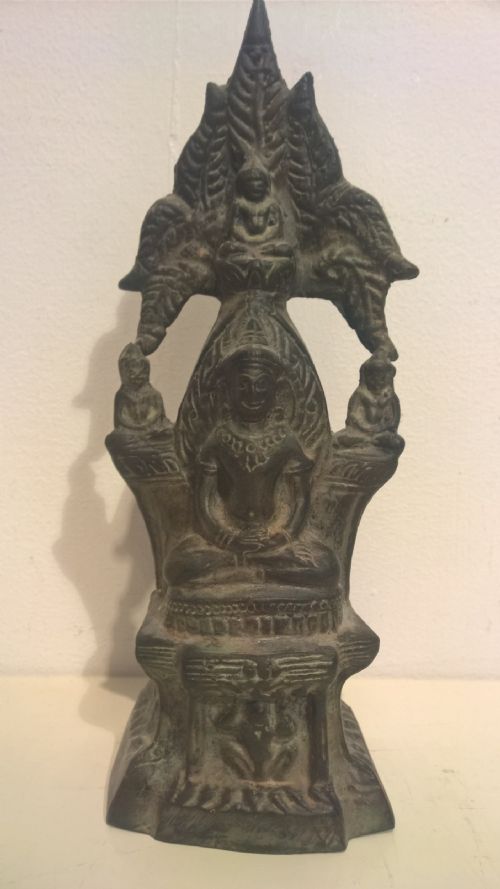
Buddhist Bronze Statues
Buddhist bronze statues bring centuries of ritual devotion into a room, offering cast figures of deities and teachers crafted across Asia.
Buddhist Bronze Statues
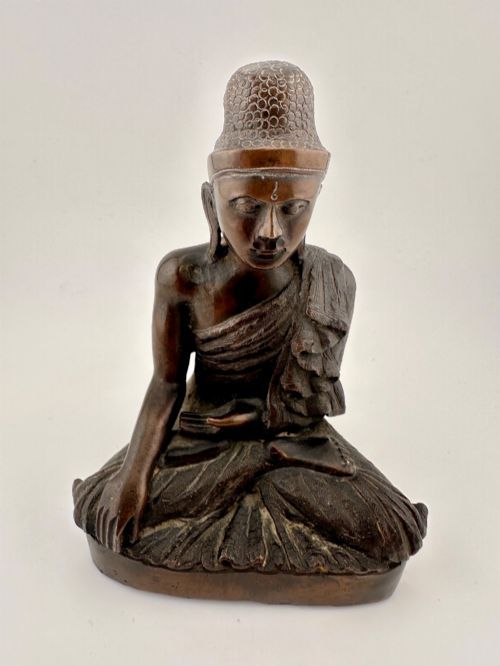
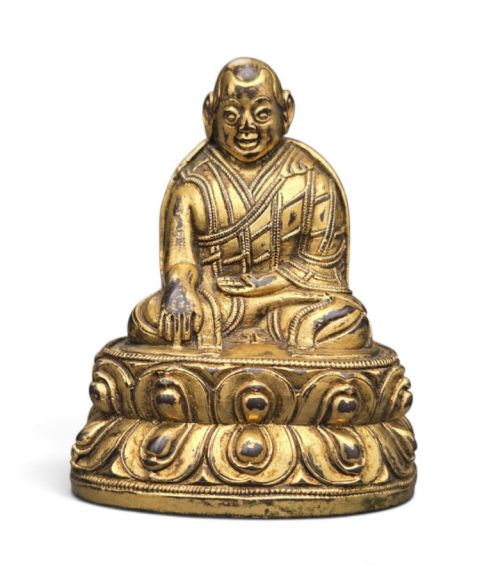
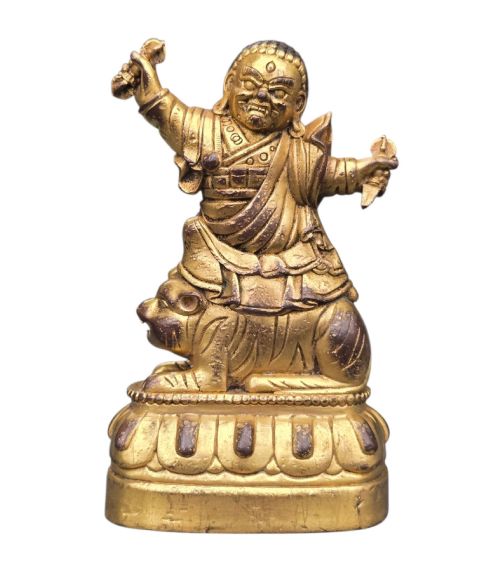
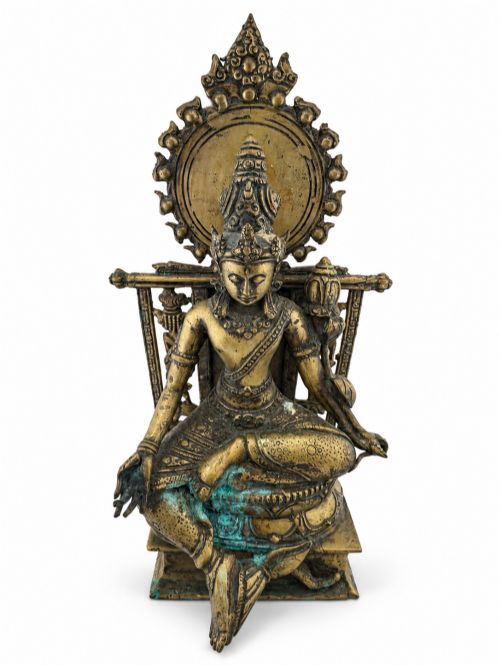
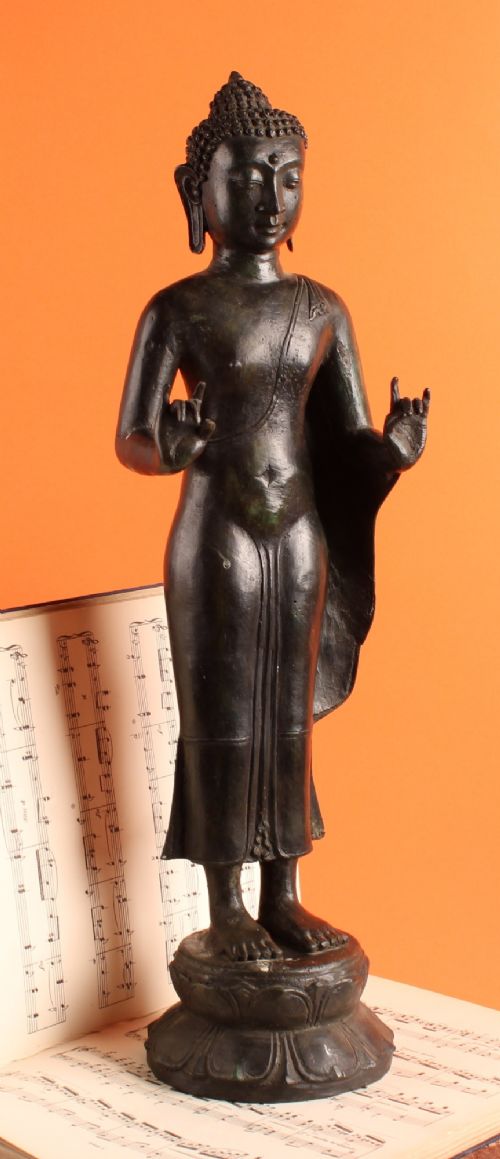
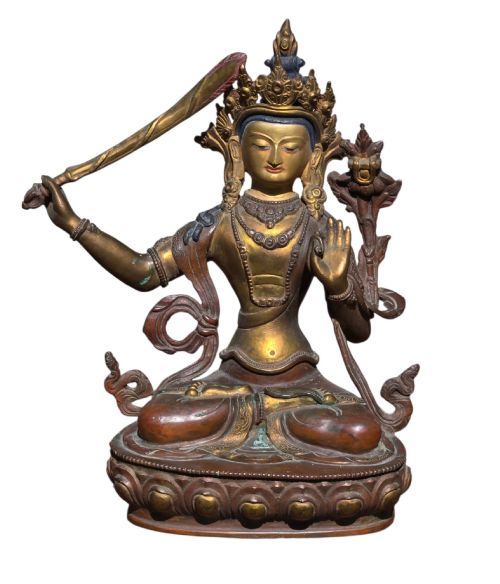
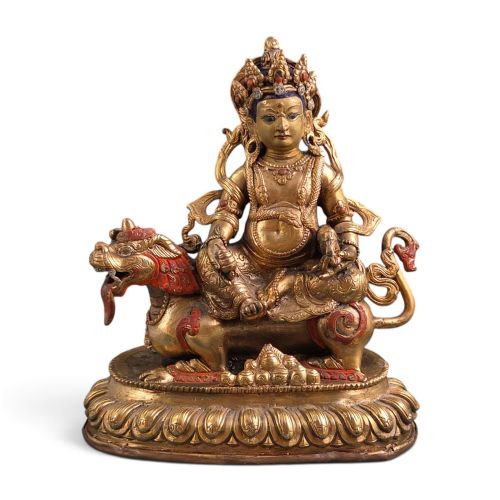
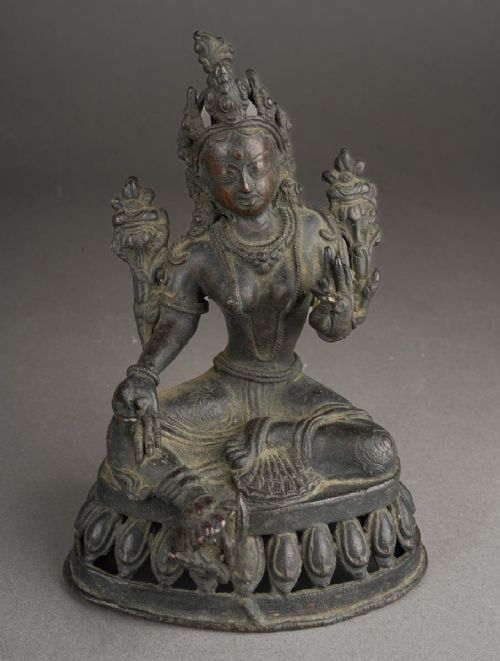
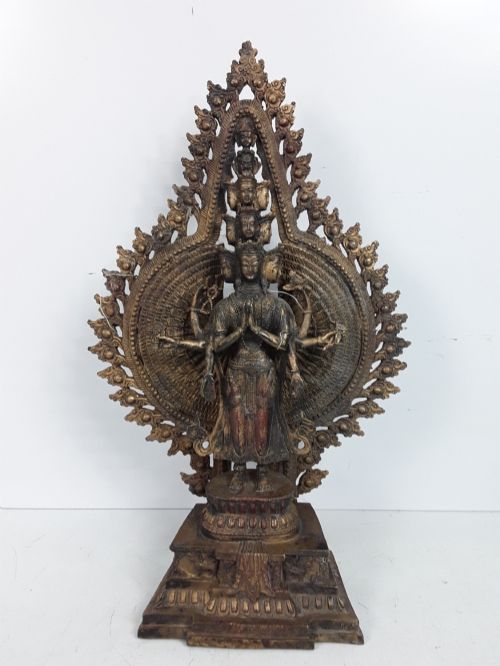
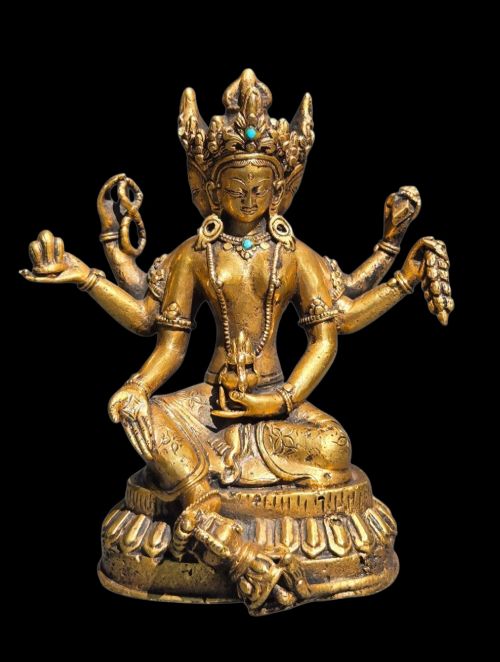
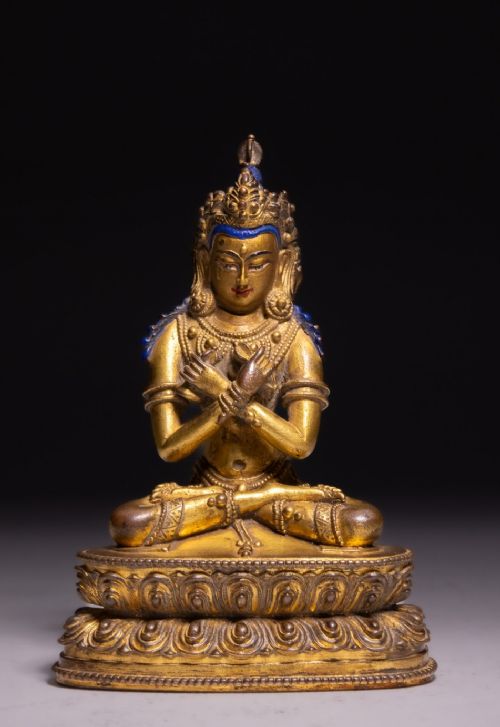
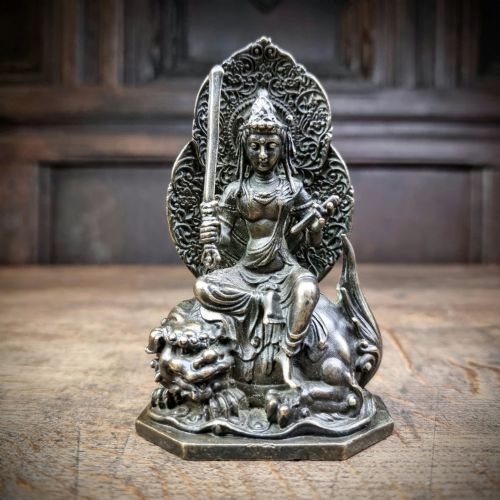
Buddhist bronze statues encompass sculpted figures of Buddhas, bodhisattvas, and temple guardians originating from regions such as Tibet, Nepal, Thailand, Burma, China, and Java. These pieces take the form of seated or standing deities, often rendered in specific mudras or postures that denote teaching, meditation, or earth-witnessing. A buyer exploring this selection will frequently encounter nineteenth-century works alongside earlier examples spanning the sixteenth century and earlier.
The regional styles vary distinctly, ranging from the ornate ornamentation of Sino-Tibetan and Himalayan shrines to the clean, flowing contours of Thai Rattanakosin and Burmese Mandalay figures. Sculptures appear in sizes varying from small household shrine items measuring under fifteen centimetres to substantial temple bronzes weighing many kilograms. Subjects include specific figures such as Tara, Avalokiteshvara, Shakyamuni Buddha, and Vajradhara, reflecting diverse traditions within Buddhist practice.
How They Were Made
Many sculptures incorporate applied pigments, wood elements, and mineral inlays such as turquoise to accent the eyes, jewellery, and ritual attributes. Surviving surfaces show traces of gilding, polish, or patinated brown tones developed through age and handling.
Buddhist Bronze Statues Retail Price Guide 2026
Typical asking prices for buddhist bronze statues among the pieces listed under this phrase on Sellingantiques today, from the lower quarter to the upper quarter. They describe what is for sale here now, not the wider market.
Current listings feature bronze, copper alloy, and brass, alongside regional styles spanning Tibetan, Sino-Tibetan, Burmese, and Thai traditions.
What Varies in Quality
The standard of a casting rests on the crispness of the chased details, the proportion of the anatomy, and the integrity of the surface finish. Finer examples display deeply articulated folds in robes, sharply defined facial expressions, and balanced postures that command physical presence.
The application of gilding and the retention of original mineral inlays or applied pigments also distinguish higher-grade pieces. Works showing careful hand-chiselling after casting achieve a level of precision that separates them from simpler, utilitarian temple items.
Unno Shomin
The Buddhist Bronze Statues Glossary
- Mudras
- Hand gestures used in Buddhist iconography to signify specific teachings, states of mind, or actions of a deity. Each gesture carries a distinct symbolic meaning.
- Bodhisattva
- An enlightened being who delays entering nirvana to assist others on the path to liberation. These figures are often depicted wearing royal ornaments.
- Gilt Bronze
- Metalwork coated with a thin layer of gold or gold amalgam to create a luminous surface finish. This technique was reserved for important sacred figures.
- Tara
- A female meditation deity and bodhisattva in Tibetan Buddhism associated with compassion and protection. She appears in various forms, often distinguished by colour.
- Lost Wax Casting
- A metalworking process where a molten metal is poured into a mould that has been created by means of a wax model. The wax is melted and drained away.
Buddhist Bronze Statues: Frequently Asked Questions
How are these statues dated?
Dating relies upon stylistic markers, casting techniques, regional iconographic shifts, and material composition. Comparison with dated examples from specific dynasties and centuries helps narrow the period.
Surface wear, patina development, and the survival of original pigments or gilding provide additional clues regarding the age of a bronze sculpture.
Where were these figures placed?
Most of these pieces stood within domestic shrines, village temples, or large monastery complexes across Asia. Smaller statues served personal devotion and portable worship.
Larger guardian figures and temple lions were positioned at doorways or altars to protect sacred spaces and command authority within the room.
What is a mudra?
A mudra is a symbolic hand gesture performed by a deity to communicate specific qualities, teachings, or protection. Common examples include the earth-touching gesture and the double mudra.
Recognising these hand positions helps identify the specific Buddha or bodhisattva represented in the sculpture.
How should I clean a bronze?
Maintenance requires only gentle dusting with a soft, dry brush to prevent the accumulation of dirt within recessed details. Avoid using commercial metal polishes, water, or abrasive cloths.
Preserving the existing patina and any surviving traces of gilding or pigment ensures the historical integrity of the piece remains intact.