





Asian Guardian Dog Figures
Asian guardian dog figures are protective temple beasts cast in bronze, carved from boxwood, and glazed in ceramic to guard sacred spaces.
Asian Guardian Dog Figures
When buyers search for asian guardian dog figures, they find sculptural pairs intended to ward off harmful spirits and protect doorways or shrines. These protective figures appear across several distinct traditions, including traditional Chinese, Qing Dynasty, Japanese Meiji, and Tibetan Buddhist art.
The objects on this page span from the nineteenth century into the early twentieth century, taking the form of decorative figures, sculptures, and statues. Materials range widely from metals and ceramics to organic woods.
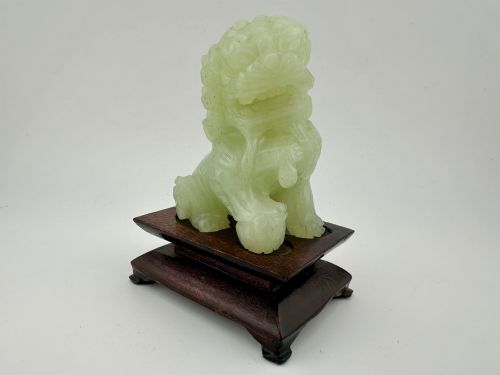
Most pieces seen here arrive as matched pairs, though single carvings and sculptures also appear in the selection. These creatures represent mythical temple lions, often known as foo dogs, shishi, or dogs of foe.
Materials and Methods
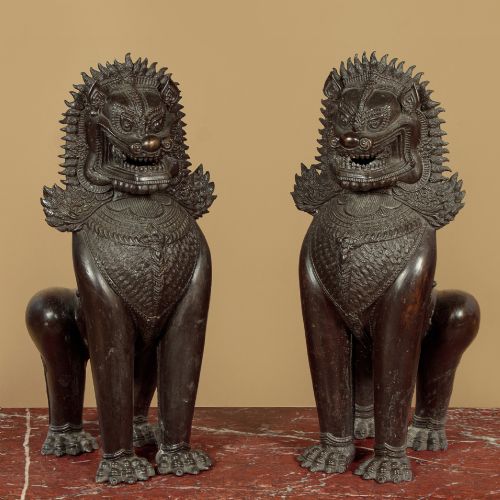
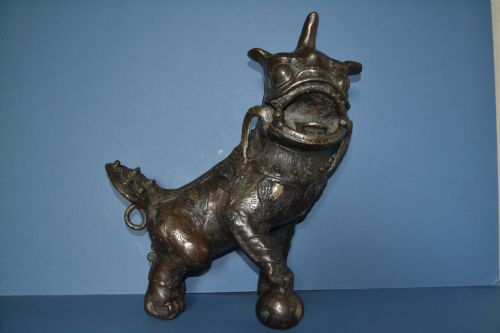
The metal figures on this page utilise bronze, brass, and cast iron, often shaped through traditional casting methods to create heavy temple lions. Some bronze examples feature gilding or mirrored surfaces, while others show patinated finishes developed over decades of age.
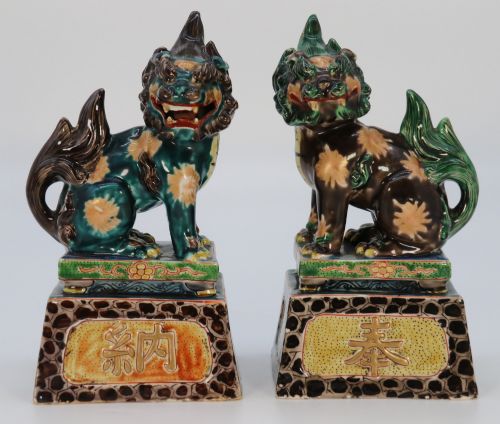
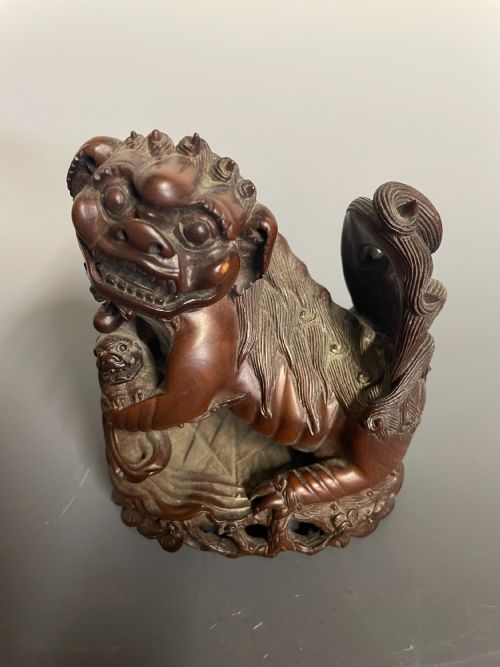
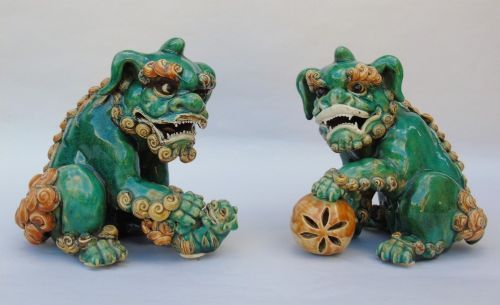
Carved pieces rely on boxwood, root wood, and hardwood to achieve intricate detail in the mane, claws, and facial expressions. Ceramic and stoneware versions employ colourful glazes, including sancai tri-colour lead glazing techniques, applied before firing.
Asian Guardian Dog Figures Retail Price Guide 2026
Typical asking prices for asian guardian dog figures among the pieces listed under this phrase on Sellingantiques today, from the lower quarter to the upper quarter. They describe what is for sale here now, not the wider market.
One hefty pair tips the scales at thirty-five kilograms, proving that ancient guardian spirits take their weightlifting duties very seriously.
Judging Quality
The depth of the material and the preservation of original surface finishes determine the desirability of a piece. Natural ageing in wood and stable patination on bronze indicate authentic historical surfaces.
The Asian Guardian Dog Figures Glossary
- Foo Dog
- A traditional western term for Chinese guardian lions, which are actually mythical lions rather than dogs. They typically stand in pairs outside temples and palaces to provide spiritual protection.
- Shishi
- The Japanese term for stone or metal guardian lions derived from Chinese traditions. These figures frequently appear in Japanese art with distinct regional stylistic characteristics.
- Sancai
- A traditional three-colour lead glaze technique common in Chinese ceramics. This method uses combinations of amber, green, and creamy white or brown tones.
- Boxwood
- A dense, pale hardwood prized by carvers for its fine grain. This material allows artisans to execute extremely small and detailed decorative sculptures.
- Meiji
- A period in Japanese history spanning from eighteen sixty-eight to nineteen twelve. Objects from this era often show high technical skill in metalwork and ceramics.
Asian Guardian Dog Figures: Frequently Asked Questions
What is a foo dog?
A foo dog is a mythical guardian lion rooted in Buddhist tradition, designed to protect sacred spaces and ward off malevolent spirits.
Despite the common western name, these creatures represent lions rather than dogs, sharing symbolic ties with imperial authority and temple protection.
How were temple lions used?
Temple lions were placed as pairs flanking doorways, altars, and gates in palaces, temples, and important administrative buildings.
The male typically holds a ball representing supremacy, while the female restrains a cub symbolizing nurturing protection.
Are these figures always sold in pairs?
Many guardian figures survive as matched pairs because traditional placement required a male and female guardian on either side of an entrance.
However, individual sculptures and carvings also appear on the market as standalone decorative objects.
How do I date a bronze guardian lion?
Dating bronze temple lions involves examining the casting technique, the depth and colour of the metal patination, and stylistic details.
Nineteenth-century examples often display heavy construction, hand-finished chasing, and surface wear consistent with ritual use.