
Brown Writing Table
When you select a brown writing table, you choose a practical desk built from timber for daily correspondence and study.
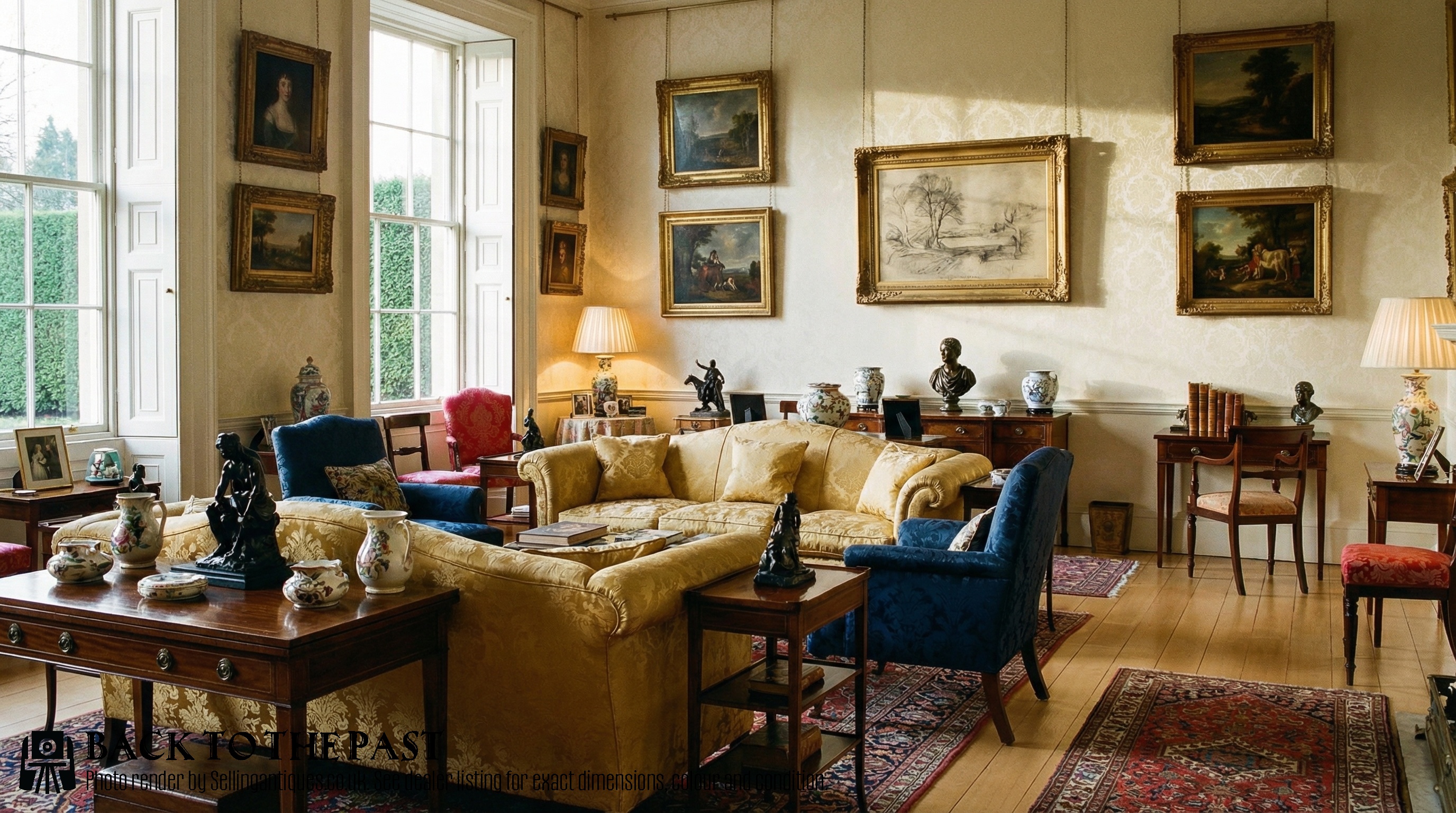
Brown Writing Table
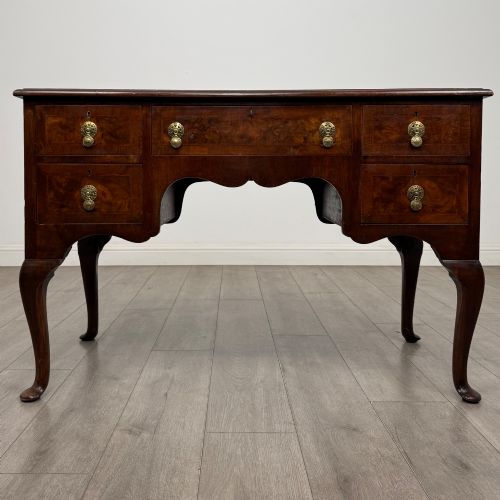
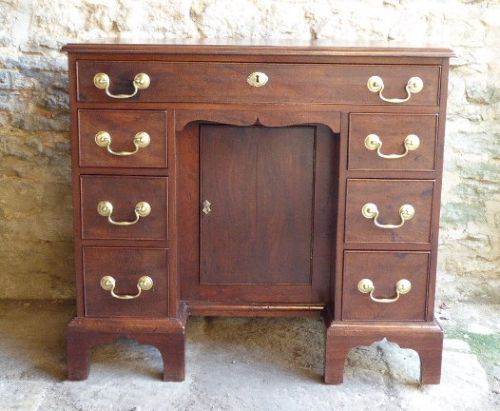
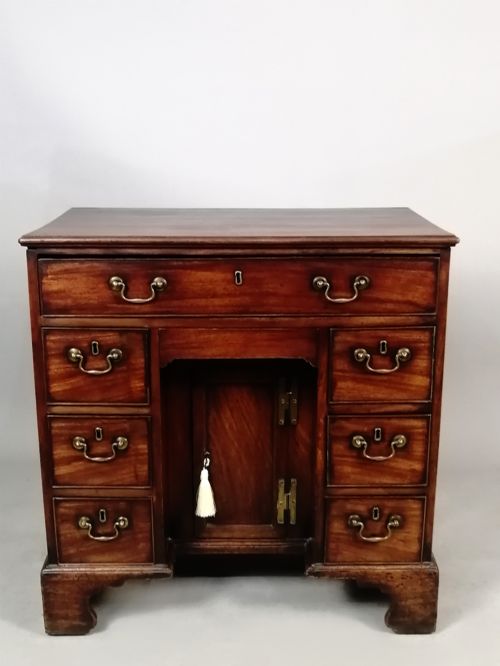
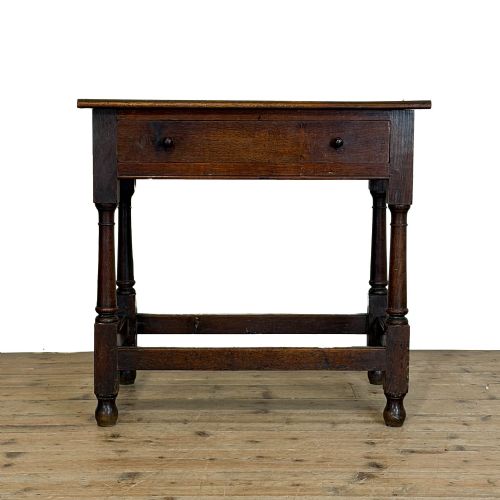
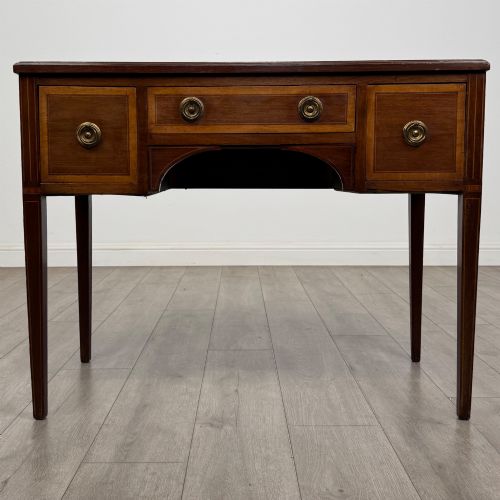
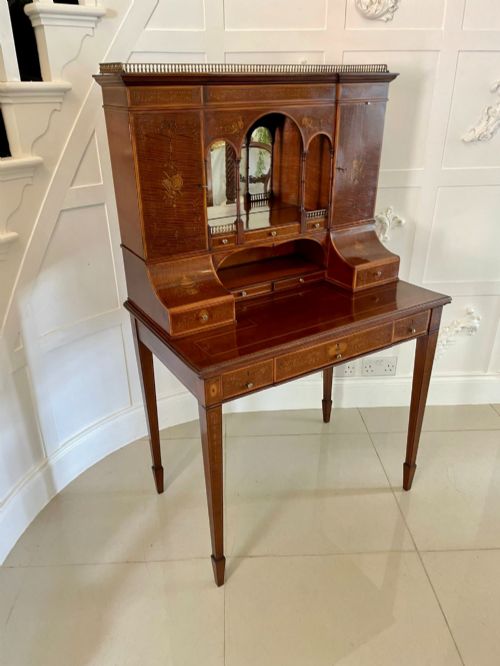
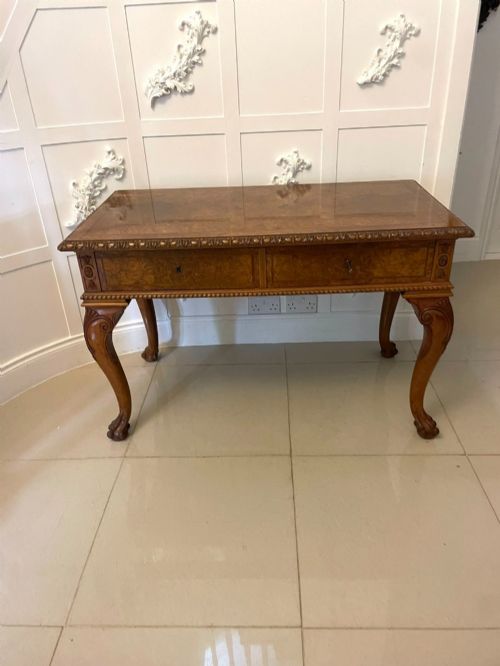
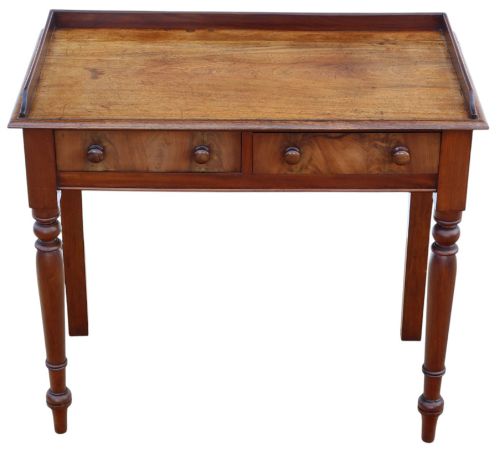
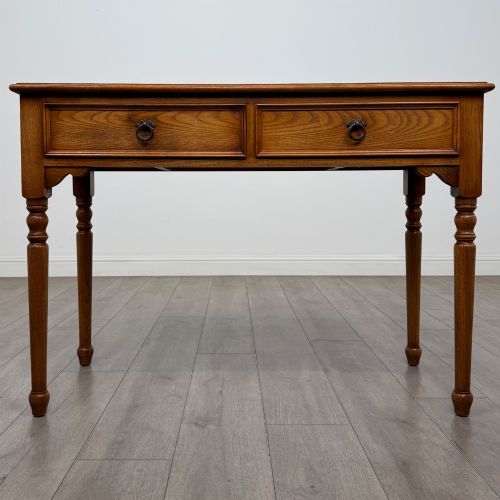
A brown writing table encompasses desks, writing desks, and sofa tables originating from periods such as the Georgian era, the Victorian epoch, and the Edwardian years. These pieces serve as functional work surfaces designed for domestic or library use.
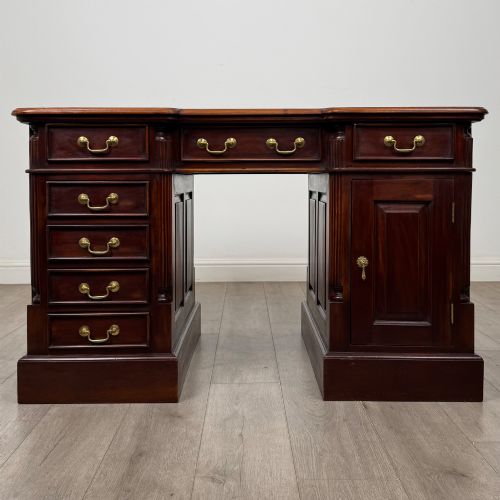
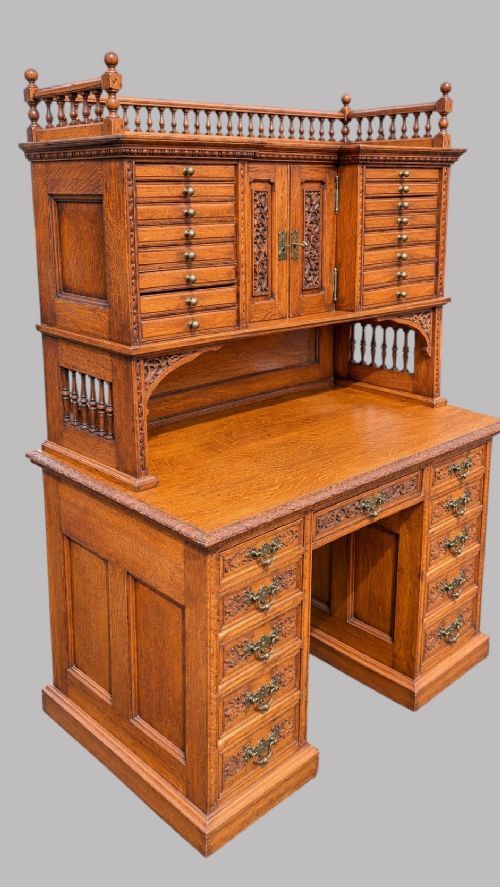
The version most commonly met on this page is the mahogany writing table dating from the nineteenth century or the Edwardian period. Examples range from simple freestanding library tables to elaborate pedestal formats fitted with multiple drawers.
Materials and construction
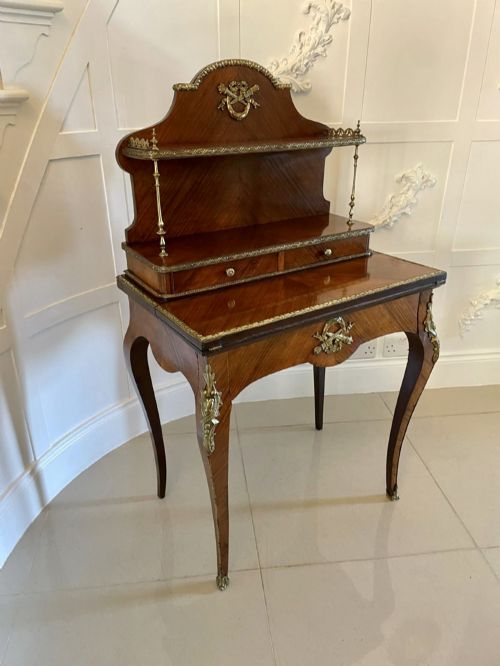
Timbers such as mahogany, oak, walnut, and rosewood form the primary structure of these writing surfaces, often enhanced with satinwood or kingwood veneers and marquetry inlay. Brass handles and ormolu mounts provide structural and decorative hardware.
Leather inserts frequently line the writing surfaces of desks from later periods. Carpenters utilised traditional joinery methods to build sturdy pedestals, kneeholes, and fall-front mechanisms.
Listings feature woods including mahogany, oak, walnut, rosewood, satinwood, and kingwood across Georgian, Victorian, and Edwardian periods.
Markers of quality
Selection of figured timber and careful matching of veneer grain distinguish finer examples from standard workshop production. The crispness of carved details and the presence of original brass handles indicate higher craftsmanship.
Freestanding capability, requiring finished panelling on all sides, separates superior centre tables and desks meant to sit away from a wall. Precision in the internal drawer construction further marks out superior pieces.
Trollope & sons·Edwards & Roberts
The Brown Writing Table Glossary
- Pedestal desk
- A heavy writing desk supported by two banks of drawers flanking a central kneehole. This form provides substantial storage beneath the main writing surface.
- Sofa table
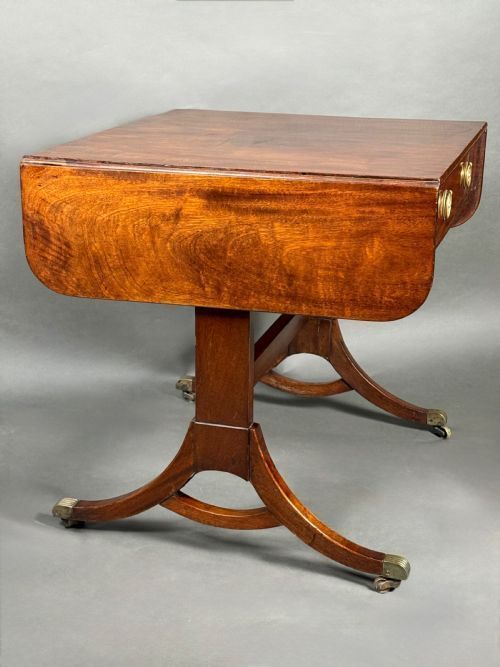
- A rectangular side table traditionally placed in front of a sofa, featuring drop leaves on either side and usually fitted with small drawers. These tables often stand on pillar supports or trestles.
- Marquetry
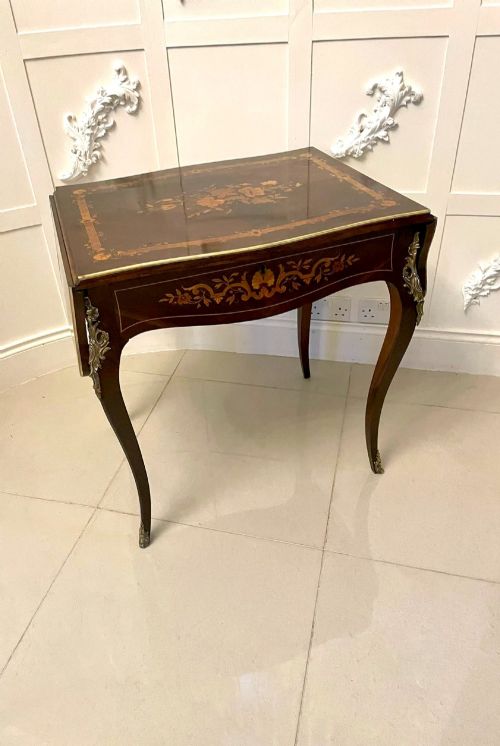
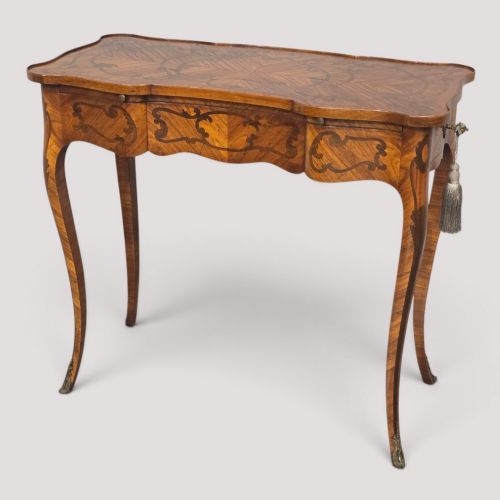
- Decorative patterns formed by fitting together contrasting pieces of wood veneer onto a solid background. This technique creates pictorial or geometric designs across tabletops and drawer fronts.
- Ormolu
- Gilded bronze mounts applied to furniture for decorative effect, frequently seen on French desks. The metal is cast and chased before receiving its gold finish.
- Lowboy
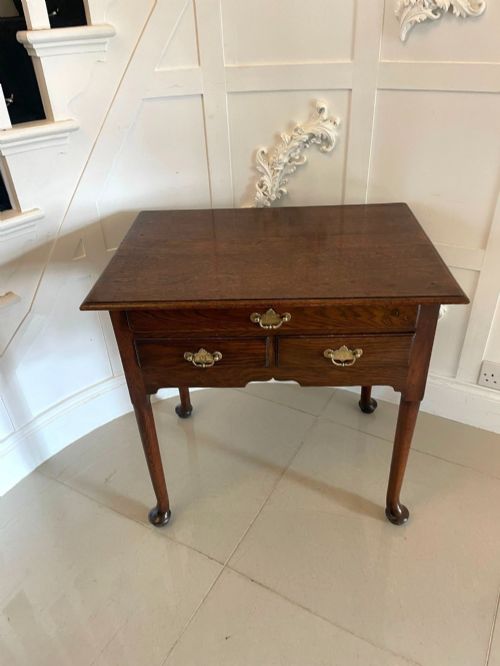
- A small eighteenth-century dressing or side table featuring one or more rows of drawers beneath a flat top. They stand on relatively tall legs.
Brown Writing Table: Frequently Asked Questions
Where should I place a brown writing table?
These tables adapt well to studies, living rooms, and bedrooms depending on their size and finished sides. Freestanding versions look best positioned in the centre of a room or away from walls.
Smaller side tables and writing desks fit neatly against perimeter walls or beneath windows where natural light aids reading and writing.
How do I care for the leather top?
Leather writing surfaces require gentle cleaning with a dry or barely damp cloth to remove dust. Avoid harsh chemical cleaners that dry out the material.
Applying a specialist leather balm periodically helps maintain suppleness and protects the surface from cracking or fading over time.
How can I tell a Victorian table from a Georgian one?
Georgian pieces tend to display simpler, proportioned lines using native timbers like oak and early mahogany. Their construction often reflects earlier hand-tool methods.
Victorian and Edwardian items frequently incorporate machine-sawn elements, denser mahogany or burr walnut veneers, and heavier brass or ormolu hardware.