
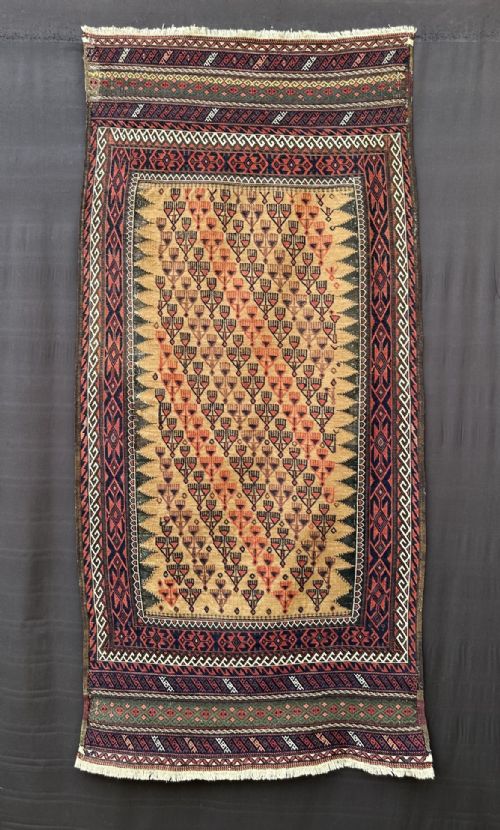
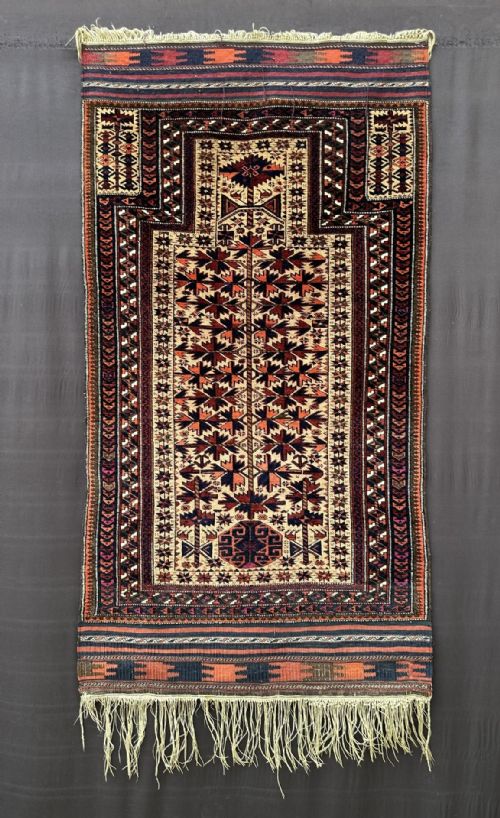


Brown Wool Tribal Rug
When seeking a brown wool tribal rug, you encounter hand-knotted carpets, flatweaves, and ceremonial felt textiles shaped by nomadic and village traditions.
Brown Wool Tribal Rug
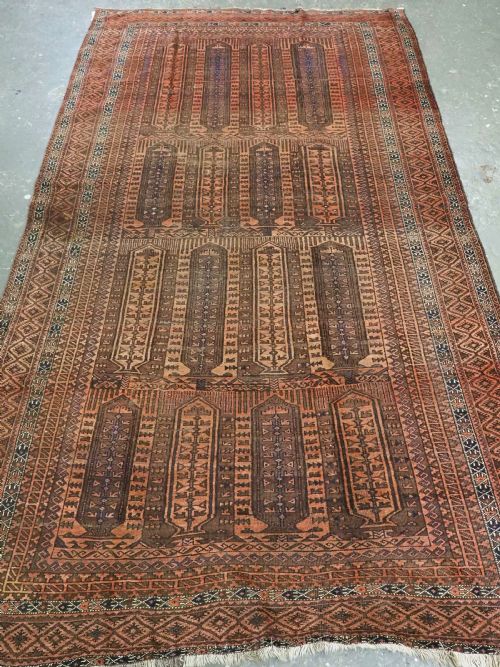
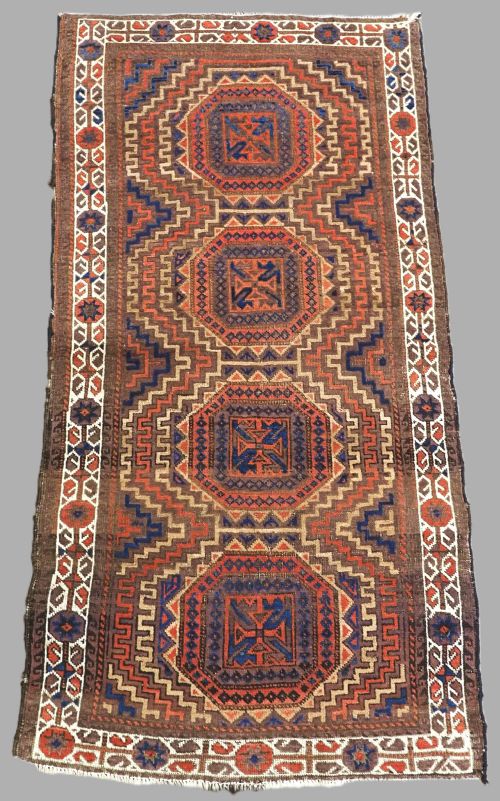
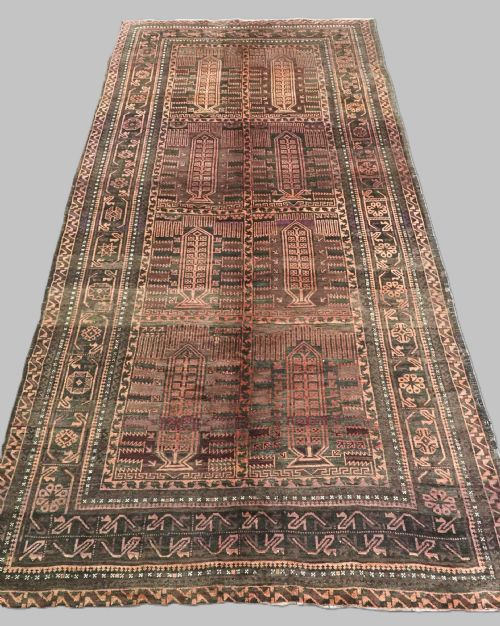
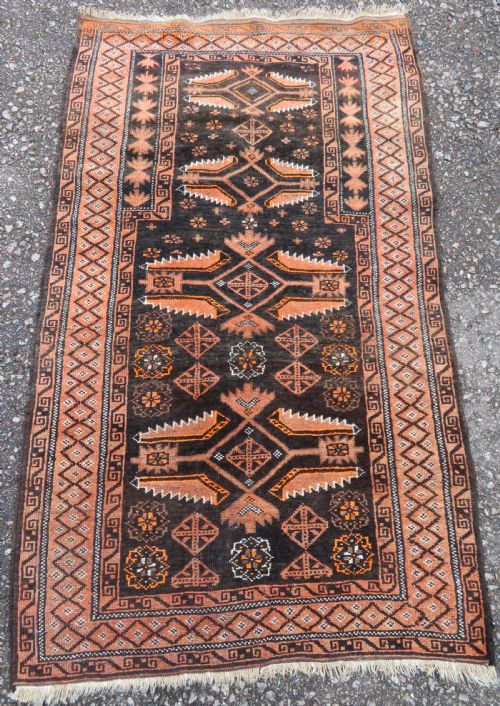
A brown wool tribal rug encompasses diverse village and nomadic textile forms, including main carpets, prayer rugs, runners, storage bags, and wall hangings originating from Persia, Afghanistan, Caucasus, and Central Asia. These pieces reflect the distinct regional aesthetics and weaving practices of tribal groups such as the Baluch, Yomut Turkmen, Kurdish, and Qashqa'i communities.
The material palette centres heavily on natural wool, frequently combined with cotton, goat hair, and camel wool, providing the foundation for durable floor coverings and utilitarian textiles. Many items span the late nineteenth and early twentieth centuries, capturing a period of traditional craft before synthetic dyes became widespread.
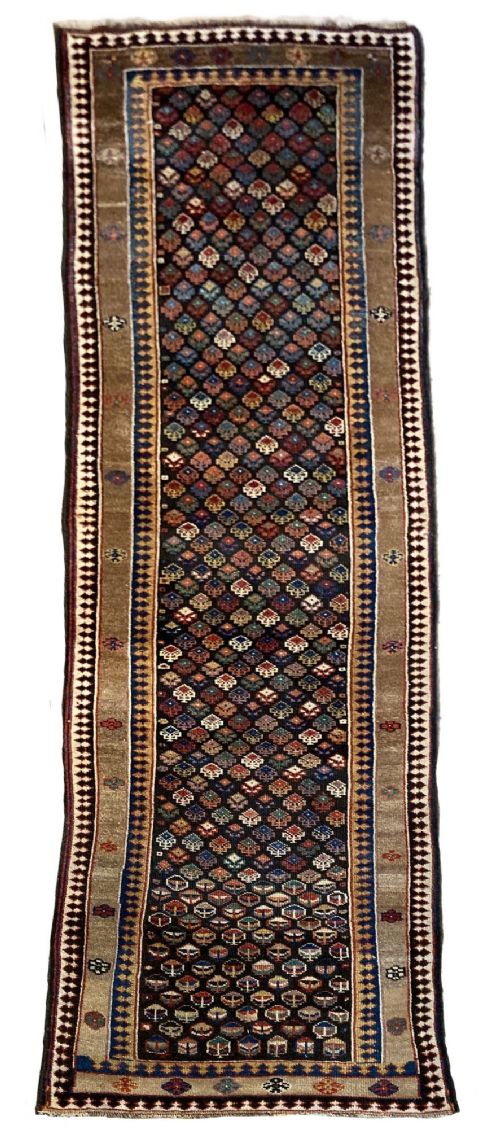
Within this category, buyers frequently meet smaller format pieces like prayer rugs and torba faces alongside larger room-size carpets and long rugs. Each format serves a specific domestic or ceremonial function within nomadic life, from tent storage to floor insulation.
Construction and materials
Weavers constructed these textiles using hand-spun wool foundations and pile, often utilising natural dyes to achieve deep earthy tones, browns, and rich reds. The integration of goat hair and cotton threads provided structural resilience to heavy-use areas like edges and foundation warps.
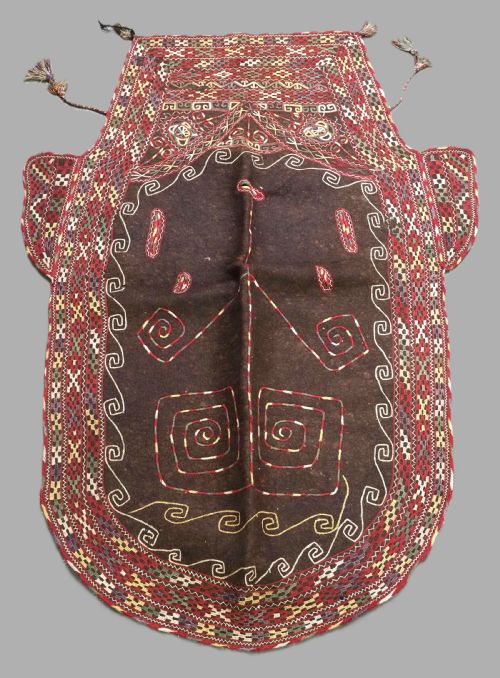
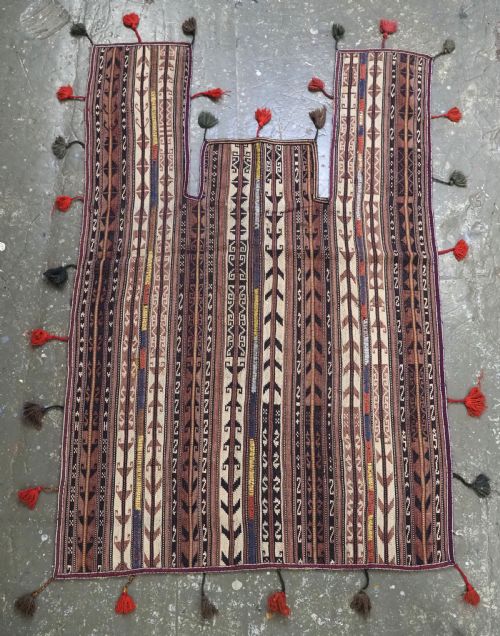
Techniques range from classical symmetrical and asymmetrical knotting in piled carpets to intricate flatweave structures, embroidery, and felted wool production seen in ceremonial horse blankets and panels. Nomadic makers utilised locally sourced animal fibres, processing wool and hair by hand before dyeing them with plant and mineral extracts.
Several ceremonial horse blankets in the listings remind us that nomadic transport required its mounts to look exceptionally well-dressed.
Assessing quality and execution
The standard of a piece rests upon the density of the weave, the handling of the wool, and the clarity of the tribal design motifs such as guls, mihrabs, and geometric borders. Finer knotting and tightly beaten flatweave structures indicate greater time investment and technical skill by the weaver.
Material preparation also dictates longevity and visual depth, where hand-spun wool with varied natural dye absorption creates a lustrous, nuanced surface. The integrity of original flatweave ends, selvedges, and complete backs on bags and covers contributes significantly to the integrity of the textile.
The Brown Wool Tribal Rug Glossary
- Gul
- A primary octagonal or gabled medallion motif frequently repeated across Turkmen and Central Asian carpets. It often denotes specific tribal lineages and family clans.
- Sofreh
- A flatwoven or piled spread used for handling bread, dining, or communal meals within nomadic households. These textiles feature practical geometric fields designed for domestic utility.
- Torba
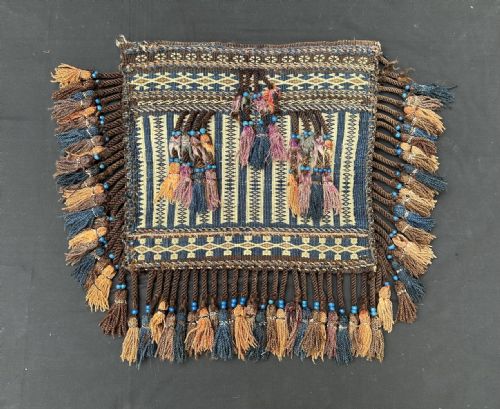
- A small storage bag or trapping produced by Turkmen and other nomadic groups, typically hung inside a tent. They display intricate face designs including kepse or kedjebe patterns.
- Mihrab
- An architectural prayer niche design element replicated in the field of prayer rugs to indicate the direction of prayer. It guides the layout of smaller devotional textiles.
- Mafrash
- A large rectangular storage bale or chest cover constructed in banded flatweave or soumak technique by nomadic weavers for transport on pack animals.
- Gabbeh
- A thick, coarsely knotted pile rug traditionally made by nomadic weavers for personal use, featuring sparse, abstract designs with broad fields of solid colour.
Brown Wool Tribal Rug: Frequently Asked Questions
How do I care for an old wool rug?
Vacuum gently without a rotating brush roll to remove grit from the wool pile. Keep the textile out of direct sunlight to protect natural dye colours from fading.
Professionally clean the piece only when necessary using specialists familiar with antique nomadic textiles. Avoid excessive moisture and chemical solvents on natural dyes.
Where were these tribal rugs made?
These textiles originate from the borderlands, villages, and nomadic territories of Persia, Afghanistan, the Caucasus, and Central Asia. Different tribal confederations like the Baluch, Yomut, and Kurdish groups inhabited these regions.
Weavers produced them in local settlements or during seasonal migrations, utilising materials available in their immediate geographic environment.
What is the difference between a rug and a torba?
Rugs are generally larger formats intended for floor covering, seating areas, or prayer use within the home or tent. They feature continuous pile or flatwoven fields designed for foot traffic.
A torba is a smaller trapping or storage bag face made to be hung on tent walls. They often retain structural elements like complete backs or attachment loops.
Are natural dyes easy to identify?
Natural dyes display subtle tonal variations and abrash, where the colour shifts gently across the wool due to batch dyeing. These hues mature gracefully over decades.
They lack the flat, uniform appearance associated with twentieth-century synthetic aniline dyes. Examining the wool pile closely reveals this characteristic depth of tone.