
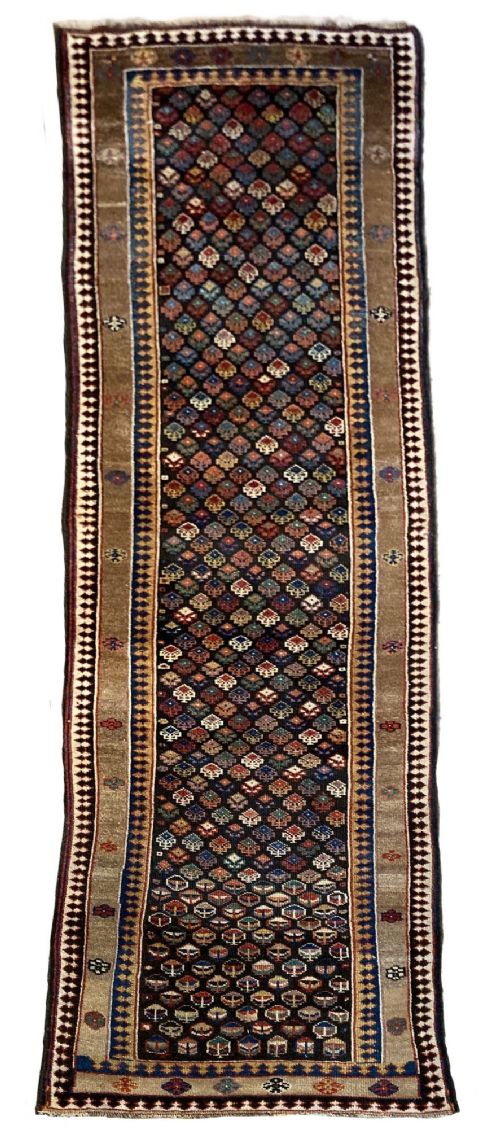
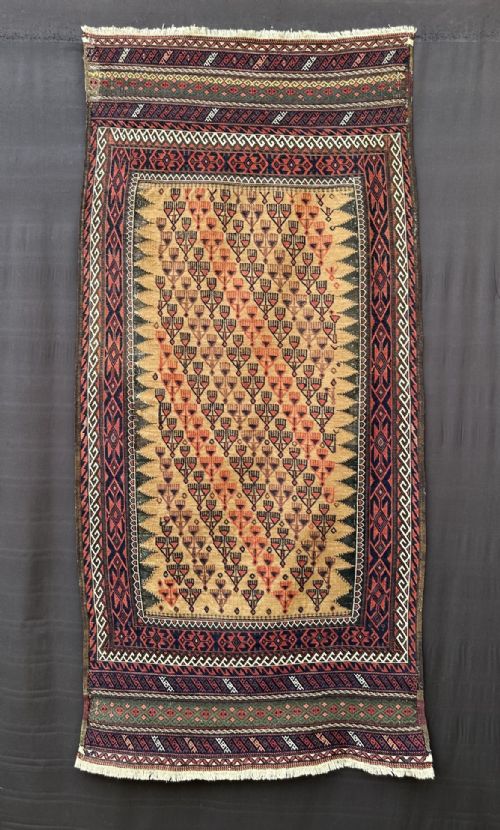
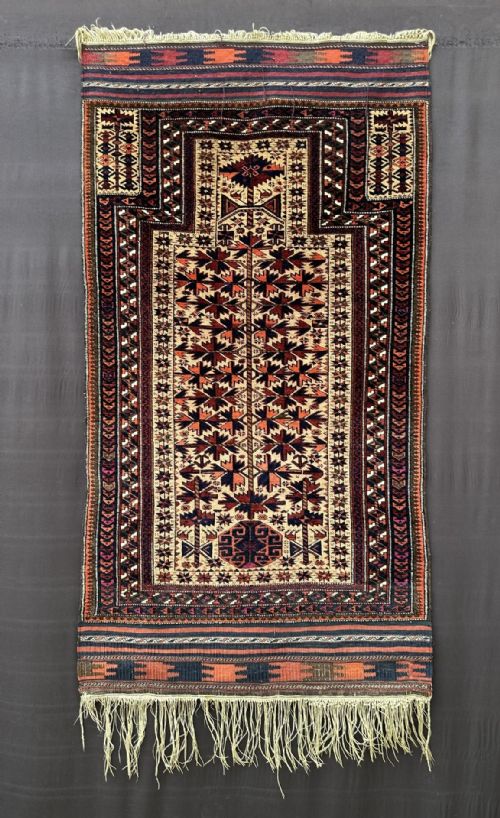


Brown Wool Oriental Rug
When choosing a brown wool oriental rug, you select a tribal weaving shaped by centuries of nomadic and village traditions across Persia, Afghanistan, and the Caucasus.
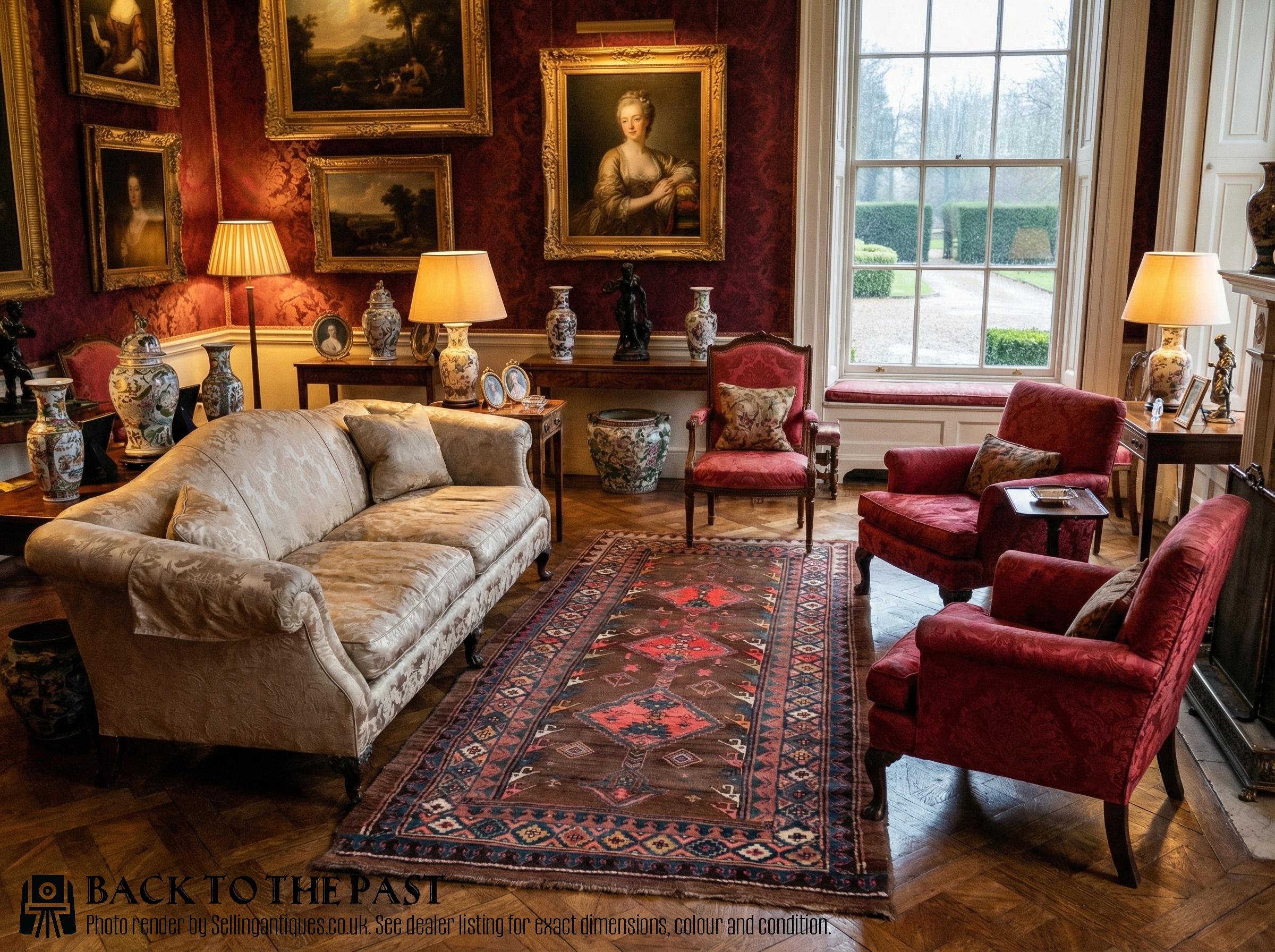
Brown Wool Oriental Rug
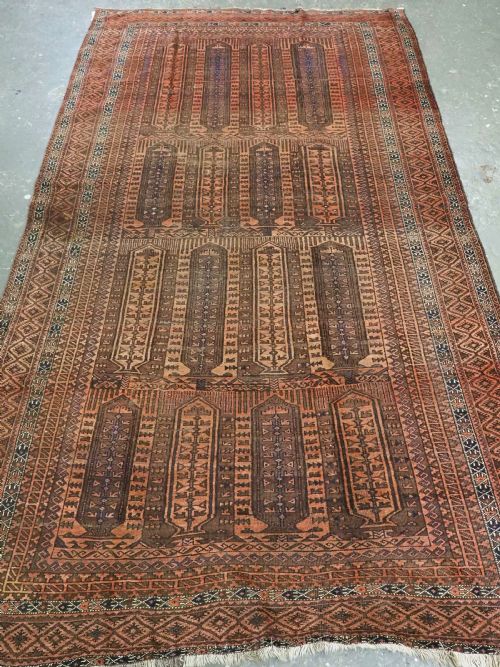
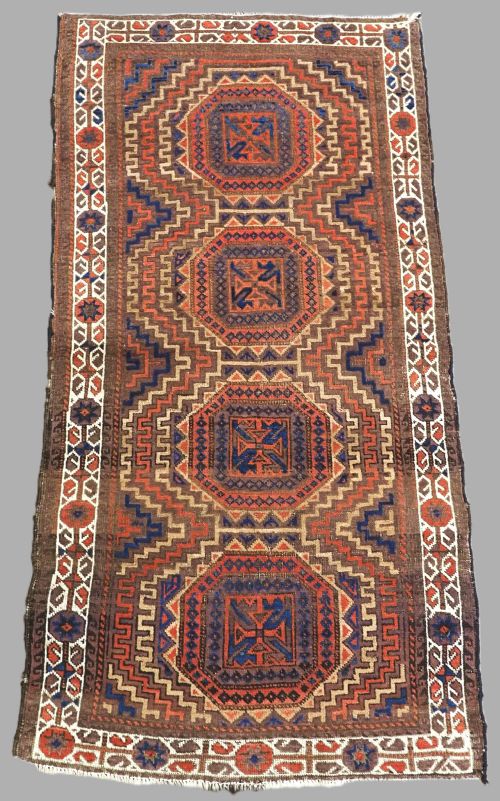
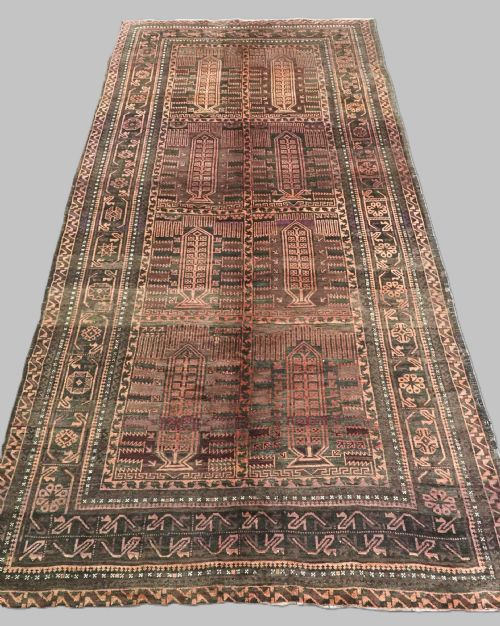
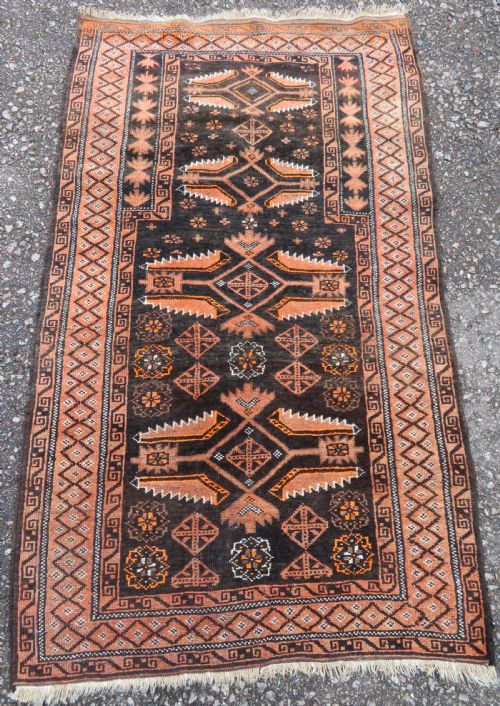
A brown wool oriental rug encompasses nomadic and village floor coverings originating from tribal groups such as the Baluch, Timuri, Yomut, and Kurdish weavers. These textiles include room-sized carpets, long runners, prayer rugs, and functional storage bag faces created for domestic use or community gatherings.
The aesthetic centres on deep earth tones, dark wool grounds, and geometric patterns including repeated guls, prayer mihrabs, and tribal motifs. Dating primarily from the late nineteenth and early twentieth centuries, these floor coverings reflect the specific regional weaving dialects of the borderlands between Persia and Afghanistan.
Materials and methods of construction
Weavers constructed these textiles predominantly using hand-spun wool pile knotted onto sturdy cotton or wool foundations, occasionally incorporating goat hair or camel wool for durability and varied texture. Natural dyes supplied the characteristic deep browns, reds, and blues found throughout the tribal pieces.
Nomadic makers utilised upright or horizontal looms set up in camps or villages, often integrating mixed techniques such as flatwoven kilim ends and supplementary weft work. The combination of local animal fibres and traditional vegetable dyeing methods produced resilient surfaces designed to withstand generations of daily use.
Several Baluch prayer rugs include intentionally whimsical touches woven secretly into the borders by makers taking a quiet afternoon break.
What distinguishes finer examples
Quality rests in the fineness of the knotting, the crispness of the geometric design, and the integrity of the original braided or kilim ends. Denser pile and careful symmetry indicate disciplined workshop or tribal execution.
The depth and permanence of the natural dyes further separate standard domestic pieces from exceptional weaving. Well-preserved wool foundations and intact original backs contribute substantially to the structural longevity and authenticity of the textile.
The Brown Wool Oriental Rug Glossary
- Gul
- A repeating octagonal or medallion motif used extensively in Turkmen and Central Asian tribal carpets. Each tribe utilised distinct variations to signify lineage and regional identity.
- Mihrab
- The arched design element found on prayer rugs, representing the niche in a mosque that points toward Mecca. Weavers arranged these arches to frame the central field of the textile.
- Elem
- The decorated lower panel at either end of a carpet or rug, frequently featuring distinctive tree or geometric borders. This panel adds structural stability and visual balance to the composition.
- Sofreh
- A flatwoven or piled spread used traditionally for dining or processing flour within nomadic households. These utilitarian textiles often display intricate geometric borders and field patterns.
- Torba
- A small storage bag face produced by Turkmen and other nomadic groups for household organisation inside a tent. Collectors value these intact panels for their concentrated design work and original structure.
Brown Wool Oriental Rug: Frequently Asked Questions
How do I care for an old wool rug?
Vacuum gently without using a rotating brush roll to protect the fragile hand-spun wool pile and older foundation threads.
Keep the textile out of direct sunlight to prevent natural dyes from fading over time, and rotate the rug occasionally to ensure even wear.
Where were these tribal rugs made?
The pieces originate primarily from nomadic and village communities across Persia, Afghanistan, and the Caucasus region.
Many specific designs trace back to borderland areas where tribes such as the Timuri, Baluch, and Yomut travelled and traded.
What is a prayer rug used for?
Makers constructed prayer rugs with distinct arched mihrab designs to indicate the direction of prayer during daily Islamic observance.
Beyond religious use, these smaller formats served as portable floor coverings for daily life inside nomadic tents.
How can I tell different tribal designs apart?
Tribal groups employed signature motifs, such as the repeated octagonal guls of Turkmen weavers or the pencil box patterns of Timuri carpets.
Examining the structural details, colour palette, and end finishes helps attribute the weaving to a specific regional tradition.