






Brown Woodland Painting
These brown woodland painting examples capture quiet forest glades and natural canopies, offering collectors a rich slice of traditional pastoral scenery.
Brown Woodland Painting
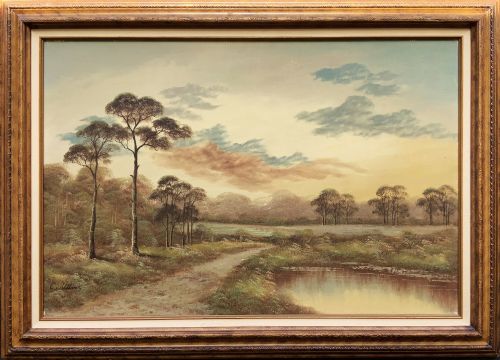
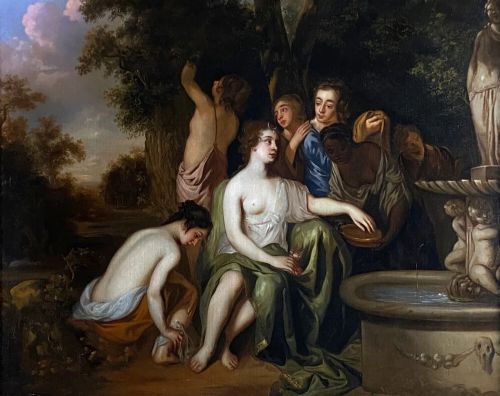
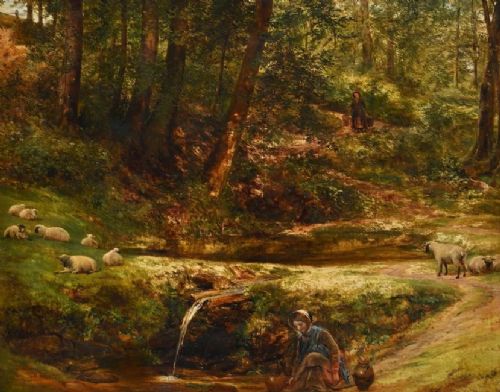
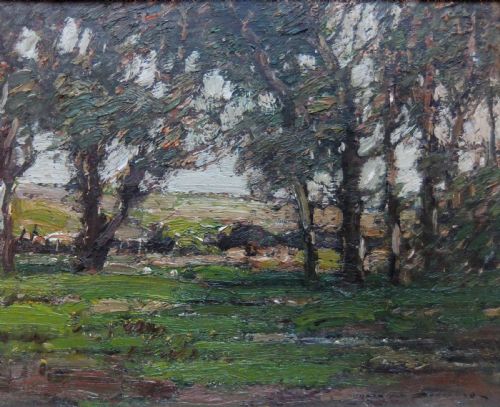
When you search for brown woodland painting, you encounter a selection of works focused on trees, rivers, and shaded rural paths. These artworks capture natural scenery predominantly through earthy tones and muted natural pigments.
The pieces on this page span several periods, including the Victorian era, the nineteenth century, and early twentieth-century movements. Artists recorded these forest views on canvas, wood panels, and paper supports.
Most examples present realistic depictions of British and Irish landscapes, featuring cattle, streams, and dense woodland foliage. You will find both intimate watercolours and large oil paintings executed with varying degrees of pastoral detail.
What varies in quality
The strength of the composition and the artist's handling of light and shadow differentiate the finest works from ordinary examples. Superior pieces demonstrate a confident control of tone, creating genuine depth within the forest canopy.
Condition of the medium and support also shapes the standing of a piece, particularly with older watercolours prone to fading or oils showing surface craquelure. Masterly brushwork that brings texture to bark and foliage elevates a painting above standard topographical records.
Brown Woodland Painting Retail Price Guide 2026
Typical asking prices for brown woodland painting among the pieces listed under this phrase on Sellingantiques today, from the lower quarter to the upper quarter. They describe what is for sale here now, not the wider market.
Squirrels and red deer occasionally steal the show from the trees.
William H Myers·Richard Redgrave·Owen Bowen·William Mellor·Alfred Grey·John Wright Oakes·Walter Follen Bishop·Edmund George Warren·Abraham Hulk Jnr·Alfred W Parsons·Harold Swanwick·Charles James Adams·George Graham·Frederick Golden Short·Ernest Higgins Rigg·J McIntyre·Herbert Royle·Lester Sutcliffe·Walter Emsley·Kershaw Schofield·Donald Watson·Everett W Mellor·James Malcolm Stewart
The Brown Woodland Painting Glossary
- Canvas
- A heavy woven fabric stretched across a wooden frame to serve as a sturdy foundation for oil paintings.
- Watercolour
- A paint consisting of pigment suspended in a water-soluble binder, traditionally applied to paper.
- Pastoral
- A genre of art depicting rural life and natural scenery in an idealized or tranquil manner.
- Impasto
- A technique where paint is laid on an area of the surface in thick layers, standing out from the canvas.
Brown Woodland Painting: Frequently Asked Questions
What periods do these paintings come from?
The selection includes works from the seventeenth century through to the mid-twentieth century, with a strong representation of Victorian and early twentieth-century production.
Specific dates and stylistic movements help anchor each piece within its historical context, ranging from traditional pastoral scenes to British impressionist interpretations.
What materials are used in these works?
Artists utilised oil paint on canvas or wood panel, alongside watercolours executed on paper.
These traditional materials dictate the physical character of each piece, whether through the heavy texture of oil impasto or the delicate transparency of watercolour washes.
How should I care for a watercolour painting?
Watercolours on paper require protection from direct sunlight to prevent the pigments and paper support from fading over time.
Framing under conservation-grade glass with proper UV-filtering properties ensures the longevity of these delicate works.
Are these paintings signed by the artists?
Many of the listed works feature signatures, inscriptions, or attribution notes left by the original maker.
Signatures help verify the authorship and connect the piece to documented artists working within British and Irish landscape traditions.